
Disclosure: As an Amazon Associate, Bookish Wisdom earns from qualifying purchases. This doesn't change our picks or your price.
Quick answer: Some of the most often named best science fiction books of all time are Frankenstein by Mary Shelley, Nineteen Eighty-Four by George Orwell, Foundation by Isaac Asimov, The Left Hand of Darkness by Ursula K. Le Guin, Neuromancer by William Gibson, Ender's Game by Orson Scott Card, The Hitchhiker's Guide to the Galaxy by Douglas Adams and Project Hail Mary by Andy Weir.
Table of Contents
Key Facts
| Item | Detail |
|---|---|
| Early classic | Frankenstein (1818) |
| Dystopian classic | Nineteen Eighty-Four |
| Big ideas | Foundation, The Left Hand of Darkness |
| Cyberpunk | Neuromancer |
| Modern favorite | Project Hail Mary |
Science Fiction Books on Almost Every List
1. Frankenstein by Mary Shelley
Often called the first science fiction novel, it explores ambition, responsibility and what it means to be human.
2. Nineteen Eighty-Four by George Orwell
A chilling vision of surveillance and propaganda.
3. Foundation by Isaac Asimov
A mathematician predicts the fall of a galactic empire and plans to shorten the dark age that follows.
4. The Left Hand of Darkness by Ursula K. Le Guin
An envoy visits a planet whose people have no fixed gender, in a landmark novel about identity.
5. Neuromancer by William Gibson
A hacker is hired for a dangerous job in a world of cyberspace, launching the cyberpunk genre.
6. Project Hail Mary by Andy Weir
An astronaut wakes alone on a mission to save Earth, in a funny and moving modern hit.
How to Choose a Science Fiction Book
- Starting with dense classics. Try a modern page-turner first.
- Thinking sci-fi is only about spaceships. It covers society, identity and technology.
- Ignoring short stories. Classic sci-fi often began in magazines.
- Skipping older books. Many still feel fresh.
- Expecting hard science everywhere. Some sci-fi focuses on people and ideas.
Making Reading Part of Everyday Life
Small habits make the biggest difference. Keep a book where you naturally spend idle minutes, such as by the bed, in a bag or on your phone through a library app. Set a gentle goal, like ten pages a day, rather than a large number that feels like pressure. Mix formats, since audiobooks count too and can fit into commutes and chores. Let yourself stop reading books you do not enjoy, because forcing your way through them is one of the fastest ways to lose the habit. And talk about what you read with friends or a book club, since sharing a story is one of the best reasons to finish it.
If you want to read more, track what you finish in a notebook or app. Seeing a growing list is motivating, and it helps you notice what you enjoy most, so you can choose better books next time.
Finally, be patient with yourself. Reading habits grow slowly, and a few pages most days will add up to many books over a year.
It also helps to keep a list of books you want to read next. When you finish one book, you will already know what to pick up, which keeps the habit going without a gap.
Above all, choose books that match your mood and interests. Reading should feel like a reward, not a test, and the right book at the right time makes the habit easy.
Libraries are the best free resource for any reader. Librarians can suggest books, help you find formats that suit you and introduce you to digital lending apps.
Helpful Books and Resources
-
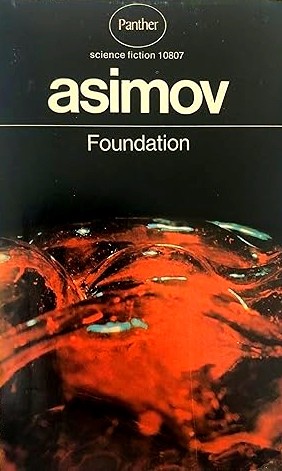
Foundation by Isaac Asimov
-
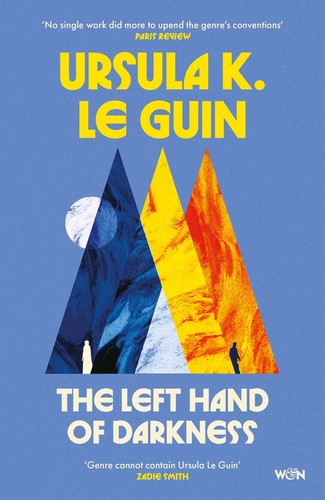
The Left Hand of Darkness by Ursula K. Le Guin
-
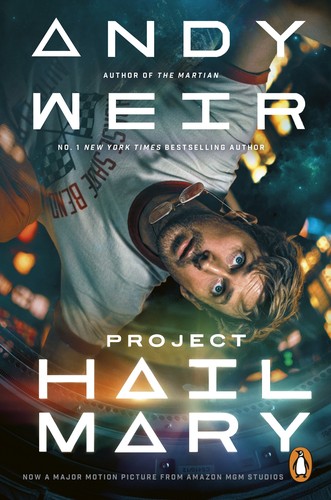
Project Hail Mary by Andy Weir
Related: Foundation by Isaac Asimov: Summary and Key Takeaways · The Left Hand of Darkness by Ursula K. Le Guin: Summary and Key Takeaways
Frequently Asked Questions
What is the best science fiction book of all time?
Frankenstein, Nineteen Eighty-Four and Foundation are often named.
What is a good sci-fi book for beginners?
The Martian or Project Hail Mary.
What is cyberpunk?
Sci-fi about hackers, technology and gritty futures.
Who are the great sci-fi authors?
Asimov, Le Guin, Gibson and Clarke.
Is Frankenstein science fiction?
Yes, often called the first.
What sci-fi is funny?
The Hitchhiker's Guide to the Galaxy.
What is soft science fiction?
Sci-fi focused on society and people rather than technology.
What are good sci-fi series?
Foundation and The Expanse.
What sci-fi suits teens?
Ender's Game and The Hunger Games.
Where can I find more?
Hugo and Nebula award lists.
What is the best sci-fi movie adaptation?
Many fans choose Blade Runner, based on a Philip K. Dick novel.