
Disclosure: As an Amazon Associate, Bookish Wisdom earns from qualifying purchases. This doesn't change our picks or your price.
Quick answer: Literary nonfiction, also called creative or narrative nonfiction, is true writing that uses the techniques of fiction, such as scenes, dialogue, vivid description and a strong narrative voice, to tell real stories. It includes memoirs, personal essays, travel writing and long-form journalism. Well-known examples include The Immortal Life of Henrietta Lacks, Into Thin Air and H Is for Hawk.
Table of Contents
Key Facts
| Item | Detail |
|---|---|
| What it is | True stories told with literary techniques |
| Common forms | Memoir, essay, travel writing, long-form journalism |
| Key rule | Facts must be accurate |
| Famous examples | The Immortal Life of Henrietta Lacks, Into Thin Air, H Is for Hawk |
| Also called | Creative nonfiction or narrative nonfiction |
How Literary Nonfiction Works
1. Scenes and storytelling
Writers recreate moments with setting, action and dialogue so readers feel present.
2. Strong voice
The author's perspective and style shape the story, unlike neutral reporting.
3. Deep research
Authors interview people, study records and verify details to keep the story true.
4. Personal reflection
Memoirs and essays explore the writer's experiences and what they mean.
5. Blending forms
Many books mix memoir, history, science and reporting.
6. Ethical care
Writers must handle real people's lives with honesty and fairness.
Common Misunderstandings
- Inventing details. Literary nonfiction must stay true.
- Confusing it with historical fiction. Fiction can invent, nonfiction cannot.
- Assuming it is only memoir. It includes many forms.
- Thinking it is less rigorous. Good examples are carefully researched.
- Ignoring ethics. Real people deserve fairness.
Making Reading Part of Everyday Life
Small habits make the biggest difference. Keep a book where you naturally spend idle minutes, such as by the bed, in a bag or on your phone through a library app. Set a gentle goal, like ten pages a day, rather than a large number that feels like pressure. Mix formats, since audiobooks count too and can fit into commutes and chores. Let yourself stop reading books you do not enjoy, because forcing your way through them is one of the fastest ways to lose the habit. And talk about what you read with friends or a book club, since sharing a story is one of the best reasons to finish it.
If you want to read more, track what you finish in a notebook or app. Seeing a growing list is motivating, and it helps you notice what you enjoy most, so you can choose better books next time.
Finally, be patient with yourself. Reading habits grow slowly, and a few pages most days will add up to many books over a year.
It also helps to keep a list of books you want to read next. When you finish one book, you will already know what to pick up, which keeps the habit going without a gap.
Above all, choose books that match your mood and interests. Reading should feel like a reward, not a test, and the right book at the right time makes the habit easy.
Libraries are the best free resource for any reader. Librarians can suggest books, help you find formats that suit you and introduce you to digital lending apps.
Talking about books also deepens understanding. Sharing a favorite passage with a friend, joining an online discussion or writing a few lines in a reading journal helps you remember what you read and notice ideas you might otherwise miss.
It can also help to vary what you read. Alternating between fiction and nonfiction, long and short books, or new releases and older favorites keeps reading fresh and introduces you to authors and ideas you might never have chosen on purpose.
Helpful Books and Resources
-
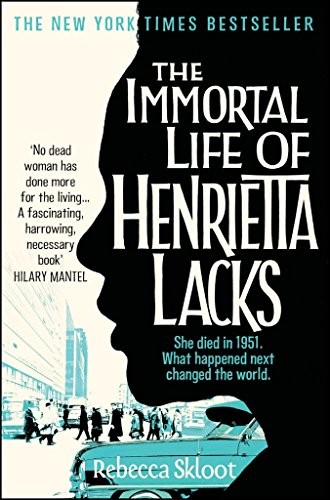
The Immortal Life of Henrietta Lacks by Rebecca Skloot
-
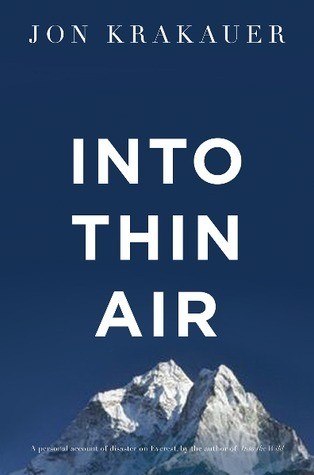
Into Thin Air by Jon Krakauer
-
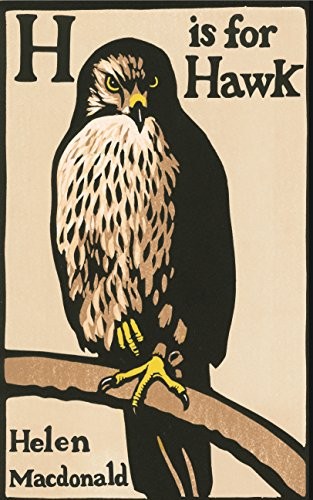
H Is for Hawk by Helen Macdonald
Related: The Immortal Life of Henrietta Lacks by Rebecca Skloot: Summary and Key Takeaways · Into Thin Air by Jon Krakauer: Summary and Key Takeaways
Frequently Asked Questions
What is literary nonfiction?
True stories told with literary techniques.
Is memoir literary nonfiction?
Yes, often.
What is narrative nonfiction?
Another name for true stories told like novels.
Can literary nonfiction invent dialogue?
It should be based on records or memory, not invented.
What are famous examples?
Into Thin Air and The Immortal Life of Henrietta Lacks.
Is it taught in schools?
Yes, often in high school and college.
What is a personal essay?
A short piece of reflective nonfiction.
Is travel writing literary nonfiction?
Often, yes.
How is it different from journalism?
It uses more storytelling and voice.
Can it be funny?
Yes, many essays are humorous.
What is long-form journalism?
In-depth reported articles told as stories.
How do I start writing it?
Begin with a true story you know well.
Where is it published?
In books, magazines and literary journals.
What books teach it?
On Writing Well by William Zinsser.
Can literary nonfiction use present tense?
Yes, many writers use it for immediacy.
Do authors change names?
Sometimes, to protect privacy, with a note to readers.
Is literary nonfiction good for book clubs?
Yes, true stories spark lively discussion.
Is nature writing literary nonfiction?
Often, yes.
Can poems be nonfiction?
Some poetry is autobiographical, but it is usually shelved separately.