
Disclosure: As an Amazon Associate, Bookish Wisdom earns from qualifying purchases. This doesn't change our picks or your price.
Quick answer: The bookmark method is a simple note-taking technique where you use your bookmark as a mini notebook while you read. Each time you find an important idea, quote or question, you jot a few words and the page number on the bookmark, often an index card. When you finish the book, the bookmark holds a quick summary of its key points, which you can transfer to a journal or keep inside the book for later review. It works well for nonfiction, study and book clubs.
Table of Contents
Key Facts
| Item | Detail |
|---|---|
| What you need | A bookmark or index card and a pen |
| What to write | Key ideas, quotes, questions and page numbers |
| Best for | Nonfiction, study, book clubs |
| Time needed | A few seconds per note |
| Benefit | Better memory and easy review |
How to Use the Bookmark Method
1. Choose a bookmark
Use an index card or a sturdy paper bookmark with writing space.
2. Write the title
Add the book title and date at the top.
3. Note key points
Write a few words and the page number whenever something stands out.
4. Use symbols
Mark quotes with quotation marks, questions with a question mark and big ideas with a star.
5. Review at the end
Read through your notes when you finish the book.
6. Transfer notes
Copy the best points into a journal or digital notes app.
Bookmark Method Mistakes
- Writing too much. Keep notes brief.
- Forgetting page numbers. They make review easy.
- Losing the bookmark. Keep it in the book.
- Never reviewing. Notes help only when used.
- Using it for every book. It is most helpful for books you want to remember.
Making Reading Part of Everyday Life
Small habits make the biggest difference. Keep a book where you naturally spend idle minutes, such as by the bed, in a bag or on your phone through a library app. Set a gentle goal, like ten pages a day, rather than a large number that feels like pressure. Mix formats, since audiobooks count too and can fit into commutes and chores. Let yourself stop reading books you do not enjoy, because forcing your way through them is one of the fastest ways to lose the habit. And talk about what you read with friends or a book club, since sharing a story is one of the best reasons to finish it.
If you want to read more, track what you finish in a notebook or app. Seeing a growing list is motivating, and it helps you notice what you enjoy most, so you can choose better books next time.
Finally, be patient with yourself. Reading habits grow slowly, and a few pages most days will add up to many books over a year.
It also helps to keep a list of books you want to read next. When you finish one book, you will already know what to pick up, which keeps the habit going without a gap.
Above all, choose books that match your mood and interests. Reading should feel like a reward, not a test, and the right book at the right time makes the habit easy.
Libraries are the best free resource for any reader. Librarians can suggest books, help you find formats that suit you and introduce you to digital lending apps.
Talking about books also deepens understanding. Sharing a favorite passage with a friend, joining an online discussion or writing a few lines in a reading journal helps you remember what you read and notice ideas you might otherwise miss.
It can also help to vary what you read. Alternating between fiction and nonfiction, long and short books, or new releases and older favorites keeps reading fresh and introduces you to authors and ideas you might never have chosen on purpose.
Helpful Books and Resources
-
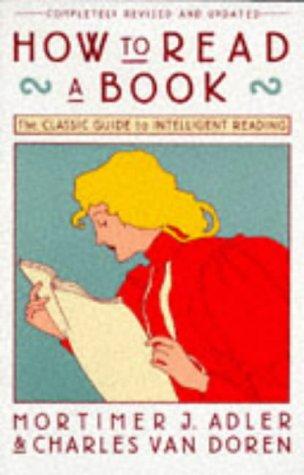
How to Read a Book by Mortimer J. Adler
-
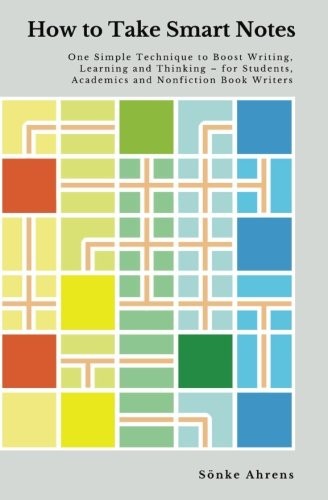
How to Take Smart Notes by Sonke Ahrens
-
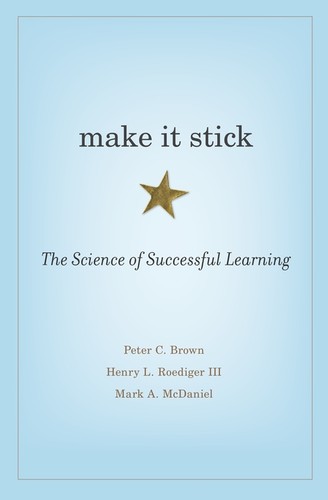
Make It Stick by Peter C. Brown
Frequently Asked Questions
What is the bookmark method?
Using a bookmark to take brief notes while reading.
Why use the bookmark method?
It helps you remember key ideas.
What should I write?
Key points, quotes, questions and page numbers.
Does it work for fiction?
Yes, for themes, quotes and character notes.
What kind of bookmark works best?
An index card or large paper bookmark.
Can I use sticky notes instead?
Yes, sticky notes are a similar method.
Is it good for students?
Yes, it helps with study and essays.
Does it work with e-books?
E-readers have highlight tools, but a paper card still works.
How do I review notes?
Read them after finishing, and transfer the best.
Can I use it for library books?
Yes, since you do not write in the book.
What symbols should I use?
Stars, question marks and quotation marks.
Is it better than highlighting?
It forces you to summarize, which helps memory.
Can book clubs use it?
Yes, notes make discussion easier.
How many notes per book?
As many as fit, usually a dozen or two.
Should I keep the bookmark?
Many readers keep it inside the book.
Can kids use this method?
Yes, with simple notes or drawings.
Does it slow reading?
Only slightly, and it improves understanding.
What if I run out of space?
Use the back or a second card.