
Disclosure: As an Amazon Associate, Bookish Wisdom earns from qualifying purchases. This doesn't change our picks or your price.
Quick answer: Reading comprehension is important because it is the ability to understand, remember and think about what you read, not just to say the words. Without comprehension, reading is only decoding. Strong comprehension helps children and adults learn in every school subject, follow instructions, judge information and enjoy stories. It also builds vocabulary, background knowledge and critical thinking, which in turn make future reading easier, so good comprehension tends to grow with practice.
Table of Contents
Key Facts
| Item | Detail |
|---|---|
| Definition | Understanding and thinking about text |
| Key skills | Vocabulary, background knowledge, inference |
| Affects | Learning in every subject |
| Builds with | Regular reading and discussion |
| Warning sign | Reading words without remembering meaning |
How to Build Reading Comprehension
1. Read aloud together
Hearing fluent reading models expression and meaning.
2. Ask questions
Talk about who, what, why and what might happen next.
3. Build vocabulary
Discuss new words in context.
4. Grow background knowledge
Nonfiction and conversations about the world make texts easier to understand.
5. Teach summarizing
Ask readers to retell the main ideas in their own words.
6. Encourage visualization
Picture scenes and ideas while reading.
Comprehension Mistakes to Avoid
- Focusing only on speed. Understanding matters more.
- Skipping discussion. Talk deepens comprehension.
- Choosing books too hard. Match books to the reader.
- Ignoring nonfiction. Facts build knowledge.
- Testing too much. Keep reading enjoyable.
Tips for Parents and Teachers
Children read more when they choose their own books, so offer a few good options and let them pick. Read aloud together even after they can read alone, because hearing fluent reading builds vocabulary and comprehension. Visit the library regularly and let children browse freely. Keep books in every room, including the car. Celebrate finished books with a simple chart or a family book chat, and avoid turning reading into a punishment or a chore. Most of all, show that you read too, since children copy what they see.
If a child is reluctant, try graphic novels, joke books, nonfiction about a favorite topic or audiobooks. Every format builds reading skills, and the goal is to make reading feel enjoyable rather than forced.
Finally, keep reading time warm and relaxed. A cozy routine, such as a story before bed or a weekend library trip, helps children connect books with comfort and fun, and that feeling lasts long after they can read on their own.
Libraries, school librarians and children's booksellers are excellent sources of recommendations, so ask them for books that match a child's interests and reading level.
Remember that every child develops at their own pace. Encouragement, patience and plenty of choice matter more than any reading level label.
Children also benefit from seeing themselves and others in books. A mix of familiar experiences and new cultures, places and perspectives builds empathy and keeps reading interesting as children grow.
Helpful Books and Resources
-
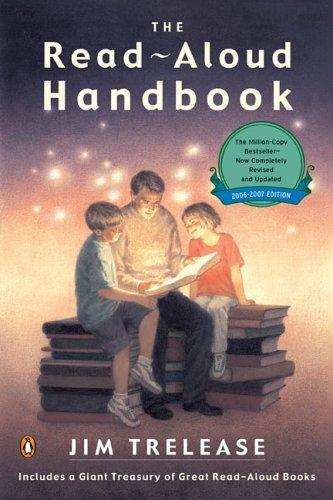
The Read-Aloud Handbook by Jim Trelease
-
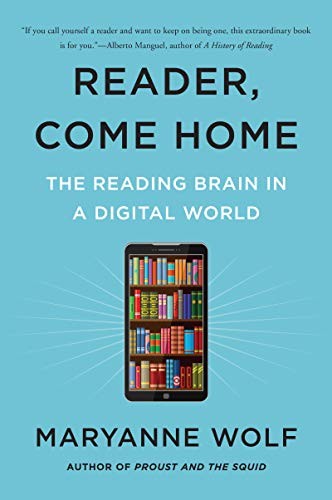
Reader, Come Home by Maryanne Wolf
-
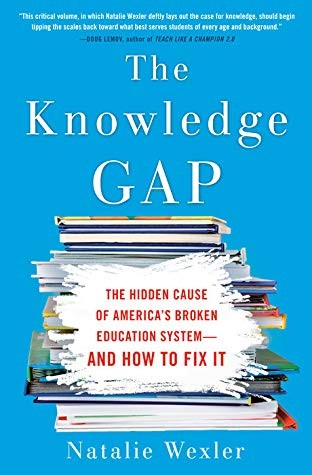
The Knowledge Gap by Natalie Wexler
Related: How to Read Faster Without Losing Comprehension: 9 Proven Tips · 10 Reasons Why Reading Literary Classics Is Still Important
Frequently Asked Questions
What is reading comprehension?
Understanding and thinking about what you read.
Why is reading comprehension important?
It is essential for learning, work and daily life.
How can I improve comprehension?
Read regularly, discuss texts and build vocabulary.
What is decoding?
Turning letters into sounds and words.
What is inference?
Understanding ideas not directly stated.
Does vocabulary affect comprehension?
Yes, knowing words is essential.
Does background knowledge matter?
Yes, it helps readers understand new texts.
What are signs of weak comprehension?
Reading aloud well but not remembering the meaning.
Can audiobooks help comprehension?
Yes, they build vocabulary and understanding.
What age does comprehension develop?
It grows throughout childhood and beyond.
How do teachers test comprehension?
With questions, retelling and discussion.
What is a reading strategy?
A method like predicting or summarizing.
Does reading for fun help?
Yes, it builds skills naturally.
Can adults improve comprehension?
Yes, through regular varied reading.
What is close reading?
Careful, detailed reading of a short text.
Are graphic novels good for comprehension?
Yes, they build inference through pictures and text.
What is fluency?
Reading smoothly with expression.
Is comprehension linked to writing?
Yes, strong readers often write better.
What is metacognition in reading?
Noticing when you understand or are confused.
How can parents help?
Read together and ask open questions.
How can I tell if my child understands a book?
Ask them to retell the story in order and explain why a character acted as they did.
Do picture books build comprehension?
Yes, discussing pictures teaches prediction and inference.
Should children reread books?
Rereading builds confidence and deeper understanding.
What is a good comprehension question?
An open question such as what surprised you or what would you have done.
Does reading aloud help older children?
Yes, it exposes them to harder vocabulary and ideas.
How long should reading sessions be?
Short, regular sessions of 15 to 20 minutes work well for many children.
Can games build comprehension?
Story-sequencing and prediction games help.
Do subtitles help comprehension?
Watching with subtitles can support reading practice.
Why do some fluent readers struggle?
They may decode well but lack vocabulary or background knowledge.
When should I ask for help?
If struggles persist, talk with a teacher or reading specialist.