
Disclosure: As an Amazon Associate, Bookish Wisdom earns from qualifying purchases. This doesn't change our picks or your price.
Quick answer: Reading books is important because it builds knowledge, vocabulary and focus, improves writing and communication, and lets you experience other lives, times and ideas. Books offer deeper, more sustained attention than short online content, which helps develop concentration and critical thinking. Reading fiction can build empathy, while nonfiction teaches skills and facts. For many people, reading is also a source of relaxation, comfort and lifelong enjoyment.
Table of Contents
Key Facts
| Item | Detail |
|---|---|
| Builds | Knowledge, vocabulary, focus |
| Improves | Writing and communication |
| Fiction benefit | Empathy and imagination |
| Nonfiction benefit | Skills and understanding |
| Personal benefit | Relaxation and enjoyment |
How to Get More From Reading Books
1. Read what interests you
Enjoyment keeps the habit alive.
2. Set a small daily goal
Ten pages a day adds up to many books a year.
3. Mix genres
Fiction and nonfiction offer different benefits.
4. Take notes
Jot down ideas and favorite lines.
5. Talk about books
Discussion deepens understanding.
6. Use the library
Libraries make reading free and varied.
Mistakes That Stop People Reading
- Forcing books you dislike. It is fine to stop.
- Reading only one genre. Variety builds knowledge.
- Rushing. Slow reading improves understanding.
- Ignoring audiobooks. They count too.
- Comparing totals. Read at your own pace.
Making Reading Part of Everyday Life
Small habits make the biggest difference. Keep a book where you naturally spend idle minutes, such as by the bed, in a bag or on your phone through a library app. Set a gentle goal, like ten pages a day, rather than a large number that feels like pressure. Mix formats, since audiobooks count too and can fit into commutes and chores. Let yourself stop reading books you do not enjoy, because forcing your way through them is one of the fastest ways to lose the habit. And talk about what you read with friends or a book club, since sharing a story is one of the best reasons to finish it.
If you want to read more, track what you finish in a notebook or app. Seeing a growing list is motivating, and it helps you notice what you enjoy most, so you can choose better books next time.
Finally, be patient with yourself. Reading habits grow slowly, and a few pages most days will add up to many books over a year.
It also helps to keep a list of books you want to read next. When you finish one book, you will already know what to pick up, which keeps the habit going without a gap.
Above all, choose books that match your mood and interests. Reading should feel like a reward, not a test, and the right book at the right time makes the habit easy.
Libraries are the best free resource for any reader. Librarians can suggest books, help you find formats that suit you and introduce you to digital lending apps.
Talking about books also deepens understanding. Sharing a favorite passage with a friend, joining an online discussion or writing a few lines in a reading journal helps you remember what you read and notice ideas you might otherwise miss.
It can also help to vary what you read. Alternating between fiction and nonfiction, long and short books, or new releases and older favorites keeps reading fresh and introduces you to authors and ideas you might never have chosen on purpose.
Helpful Books and Resources
-
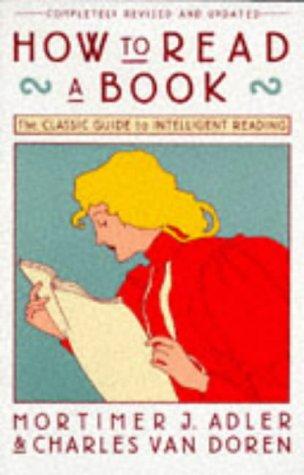
How to Read a Book by Mortimer J. Adler
-
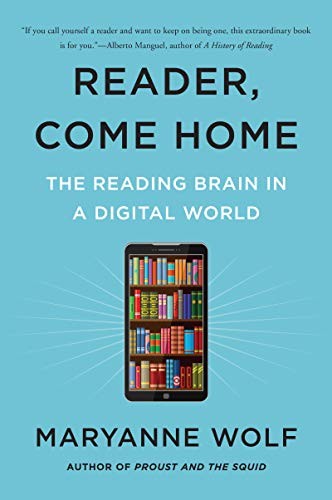
Reader, Come Home by Maryanne Wolf
-
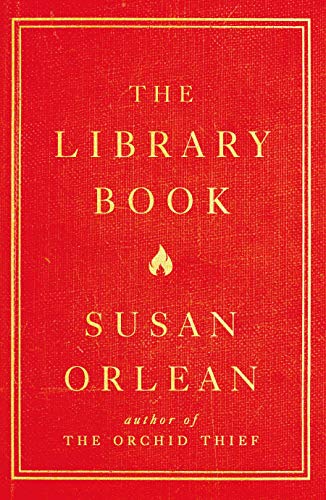
The Library Book by Susan Orlean
Related: 10 Reasons Why Reading Literary Classics Is Still Important · 26 Reasons Why Books are Important in Our Life
Frequently Asked Questions
Why is reading books important?
It builds knowledge, focus, empathy and enjoyment.
Does reading improve vocabulary?
Yes, books contain more varied words than conversation.
Does reading help writing?
Yes, readers learn style and structure.
Can reading reduce stress?
Many readers find it relaxing.
Is fiction or nonfiction better?
Both offer valuable benefits.
Do audiobooks count as reading?
Yes, they build comprehension and enjoyment.
How many books should I read?
Any amount that fits your life.
Does reading help memory?
Following stories exercises memory and attention.
Is reading on screens the same?
Many studies suggest print may help focus, but screens still help.
Why should children read?
It builds language, imagination and school success.
Does reading make you smarter?
It builds knowledge and thinking skills.
How do I start reading more?
Choose enjoyable books and set small goals.
Can reading improve sleep?
A calm book can be part of a bedtime routine.
Is rereading worthwhile?
Yes, rereading reveals new details.
What should I read first?
Something that matches your interests.
Do book clubs help?
Yes, they add motivation and discussion.
Is reading a good hobby?
Yes, and it can be very affordable.
Does reading build empathy?
Fiction lets readers see through others' eyes.
Do successful people read a lot?
Many leaders credit reading for ideas and perspective, though habits vary.
Is it better to read in the morning or at night?
Whatever time you can protect consistently works best.
Can I read too much?
Balance reading with other activities, but most people read too little rather than too much.
Does reading help mental health?
Many people find that reading lowers stress and offers comfort.