
Disclosure: As an Amazon Associate, Bookish Wisdom earns from qualifying purchases. This doesn't change our picks or your price.
Quick answer: Reading literature is important because great poems, plays and novels help us understand human nature, history and ourselves in ways facts alone cannot. Literature shows complex characters making difficult choices, which builds empathy and moral reasoning. It also sharpens language and critical thinking, since readers interpret symbols, themes and arguments. Studying literature connects readers to ideas shared across cultures and centuries, giving a common language for discussing life's biggest questions.
Table of Contents
Key Facts
| Item | Detail |
|---|---|
| Builds | Empathy, imagination, critical thinking |
| Teaches | Language, style, interpretation |
| Connects | Cultures and history |
| Examples | Shakespeare, Austen, Garcia Marquez, modern novels |
| Study benefit | Analysis and argument skills |
How to Read Literature Well
1. Read slowly
Literature rewards careful attention to language.
2. Ask questions
Why does a character act this way, and what does the author want us to think?
3. Look for patterns
Notice repeated images, symbols and words.
4. Learn the context
Knowing when and where a work was written deepens understanding.
5. Discuss with others
Different readers notice different meanings.
6. Reread
Great works reveal more on each reading.
Mistakes When Reading Literature
- Looking for one right answer. Many interpretations are valid.
- Ignoring context. History matters.
- Skimming. Language is the point.
- Reading only summaries. They miss the experience.
- Avoiding difficult works. Challenge builds skill.
Making Reading Part of Everyday Life
Small habits make the biggest difference. Keep a book where you naturally spend idle minutes, such as by the bed, in a bag or on your phone through a library app. Set a gentle goal, like ten pages a day, rather than a large number that feels like pressure. Mix formats, since audiobooks count too and can fit into commutes and chores. Let yourself stop reading books you do not enjoy, because forcing your way through them is one of the fastest ways to lose the habit. And talk about what you read with friends or a book club, since sharing a story is one of the best reasons to finish it.
If you want to read more, track what you finish in a notebook or app. Seeing a growing list is motivating, and it helps you notice what you enjoy most, so you can choose better books next time.
Finally, be patient with yourself. Reading habits grow slowly, and a few pages most days will add up to many books over a year.
It also helps to keep a list of books you want to read next. When you finish one book, you will already know what to pick up, which keeps the habit going without a gap.
Above all, choose books that match your mood and interests. Reading should feel like a reward, not a test, and the right book at the right time makes the habit easy.
Libraries are the best free resource for any reader. Librarians can suggest books, help you find formats that suit you and introduce you to digital lending apps.
Talking about books also deepens understanding. Sharing a favorite passage with a friend, joining an online discussion or writing a few lines in a reading journal helps you remember what you read and notice ideas you might otherwise miss.
It can also help to vary what you read. Alternating between fiction and nonfiction, long and short books, or new releases and older favorites keeps reading fresh and introduces you to authors and ideas you might never have chosen on purpose.
Helpful Books and Resources
-
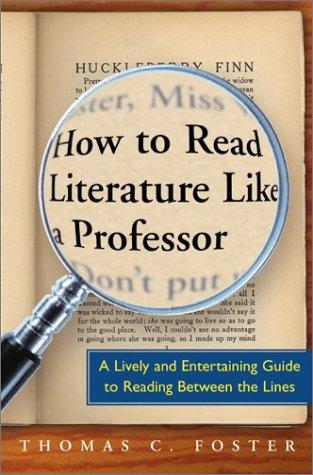
How to Read Literature Like a Professor by Thomas C. Foster
-
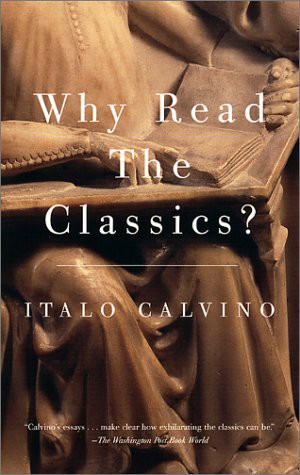
Why Read the Classics? by Italo Calvino
-
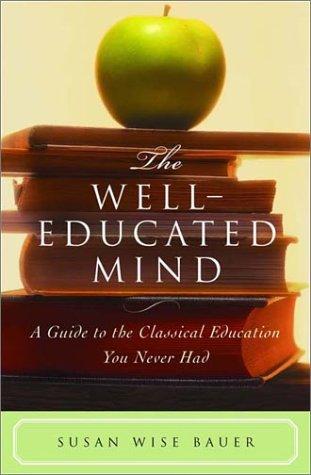
The Well-Educated Mind by Susan Wise Bauer
Related: What Is Gothic Literature? · 10 Compelling Reasons Graphic Novels Should Be Considered Real Literature
Frequently Asked Questions
Why is reading literature important?
It builds empathy, thinking and understanding of human life.
What counts as literature?
Poems, plays, novels and stories valued for their artistry.
Does literature build empathy?
A widely discussed 2013 study suggested literary fiction may help, though later results were mixed.
Why do schools teach literature?
To develop analysis, language and cultural knowledge.
Is literature only old books?
No, modern works count too.
What is literary fiction?
Fiction focused on character, theme and style.
How do I start reading literature?
Begin with short classics or modern prize winners.
Are poems literature?
Yes, poetry is a major form.
Do plays count as literature?
Yes, from Shakespeare to modern drama.
How does literature teach history?
It shows how people lived and thought.
Is literature useful for careers?
It builds communication and critical thinking.
What is close reading?
Careful analysis of a short passage.
What is a theme?
A central idea explored in a work.
What is symbolism?
Using objects or images to represent ideas.
Can literature be fun?
Yes, many classics are funny and gripping.
What is world literature?
Literature from many cultures and languages.
Should I read translations?
Yes, translations open world literature.
What is a canon?
A group of works widely considered important.
Is literature still relevant today?
Yes, it explores questions about identity, power and love that never go away.
How does literature help with writing?
Readers absorb rhythm, structure and vocabulary.
Can I read literature on an e-reader?
Yes, many classics are free in digital form.