

Disclosure: As an Amazon Associate, Bookish Wisdom earns from qualifying purchases. This doesn’t change our picks or your price.
Quick answer: The best books on inner peace include The Power of Now, Peace Is Every Step, Wherever You Go, There You Are, The Untethered Soul, Radical Acceptance and Stillness Is the Key. Start with Peace Is Every Step or Wherever You Go, There You Are for gentle practices, and try The Untethered Soul if you want a deeper look at your inner voice.
Inner peace is not the absence of problems; it is the ability to stay steady while life moves around you. Many people search for it during stressful seasons, after loss or simply because they are tired of living on edge. The books in this list approach calm from different directions: mindfulness and meditation, Stoic philosophy, Zen teaching, psychology and modern essays on slowing down. Some are spiritual in tone without requiring any belief, while others are practical and secular. Read slowly, and treat each book as an invitation to practice, not a set of rules. Even a few quiet minutes with a page of Thich Nhat Hanh or Marcus Aurelius can shift the day.
Table of Contents
Quick Picks at a Glance
| Book | Author | Approach | Best For |
|---|---|---|---|
| The Power of Now | Eckhart Tolle | Presence | overthinkers |
| Peace Is Every Step | Thich Nhat Hanh | Mindfulness | beginners |
| Wherever You Go, There You Are | Jon Kabat-Zinn | Mindfulness | skeptical beginners |
| The Untethered Soul | Michael A. Singer | Inner voice | readers who struggle with racing thoughts |
| Radical Acceptance | Tara Brach | Self-compassion | self-critical readers |
| Stillness Is the Key | Ryan Holiday | Stoicism | busy achievers |
| The Wisdom of Insecurity | Alan Watts | Philosophy | readers who enjoy essays |
| When Things Fall Apart | Pema Chödrön | Resilience | people facing difficult times |
| Zen Mind, Beginner’s Mind | Shunryu Suzuki | Zen | readers ready for depth |
| The Book of Joy | Dalai Lama, Desmond Tutu and Douglas Abrams | Joy | readers who like conversations |
| Waking Up | Sam Harris | Secular spirituality | skeptics |
| Four Thousand Weeks | Oliver Burkeman | Time | stressed productivity seekers |
| Meditations | Marcus Aurelius | Stoicism | readers who like timeless wisdom |
| Walden | Henry David Thoreau | Simplicity | nature lovers |
| Ikigai | Héctor García and Francesc Miralles | Purpose | readers who like short books |
1. The Power of Now by Eckhart Tolle
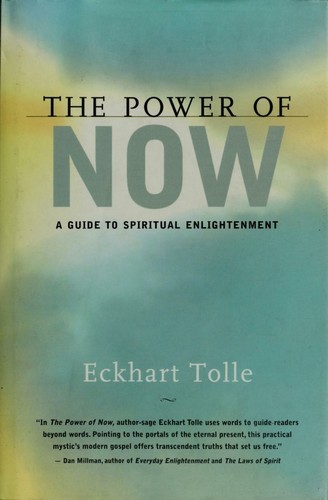
Tolle argues that suffering comes from dwelling on the past and future and that peace is found in the present moment. Written as a conversation, it offers simple exercises. Some readers find the language mystical, while others treat it as practical guidance.
Best for: overthinkers.
2. Peace Is Every Step by Thich Nhat Hanh
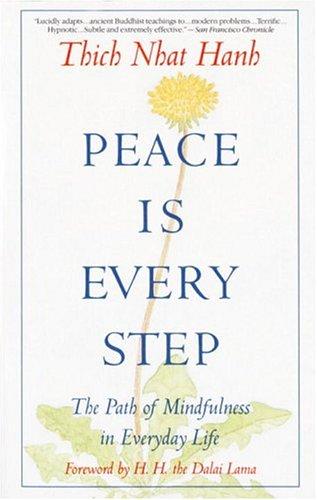
The Vietnamese Zen master teaches mindfulness through everyday acts like walking, breathing and washing dishes. Short chapters and gentle language make it welcoming and calming.
Best for: beginners.
3. Wherever You Go, There You Are by Jon Kabat-Zinn
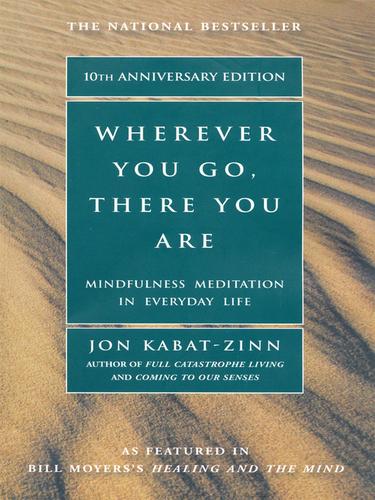
Kabat-Zinn, founder of mindfulness-based stress reduction, offers short chapters on bringing awareness to daily life. Clear, practical and free of jargon.
Best for: skeptical beginners.
4. The Untethered Soul by Michael A. Singer

Singer explains how to observe your thoughts and emotions without being controlled by them. The ideas build gradually and invite you to practice letting go.
Best for: readers who struggle with racing thoughts.
5. Radical Acceptance by Tara Brach
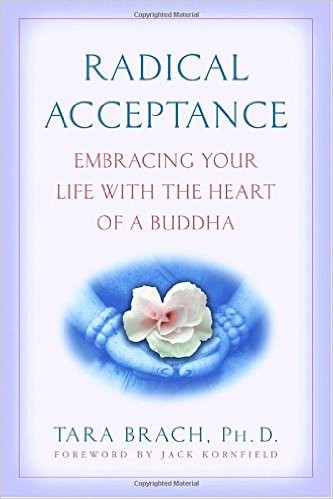
Psychologist and meditation teacher Tara Brach combines psychology and mindfulness to help readers release shame and self-judgment. Compassionate and rich with stories.
Best for: self-critical readers.
6. Stillness Is the Key by Ryan Holiday
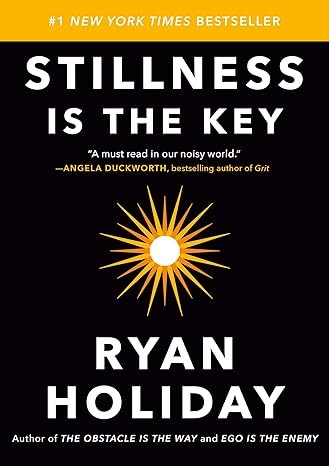
Holiday draws on Stoic, Buddhist and other traditions to show why stillness matters for mind, body and spirit. Short chapters with stories from history.
Best for: busy achievers.
7. The Wisdom of Insecurity by Alan Watts

Watts argues that our desire for security is the root of anxiety. Short, poetic and thought-provoking, with ideas drawn from Eastern and Western thought.
Best for: readers who enjoy essays.
8. When Things Fall Apart by Pema Chödrön
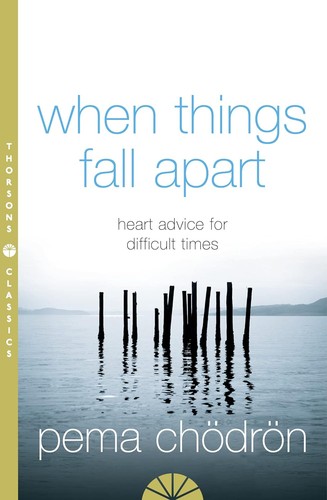
Chödrön offers Buddhist-informed advice for staying with pain instead of running from it. Warm, wise and honest, it is a favorite in hard seasons.
Best for: people facing difficult times.
9. Zen Mind, Beginner’s Mind by Shunryu Suzuki
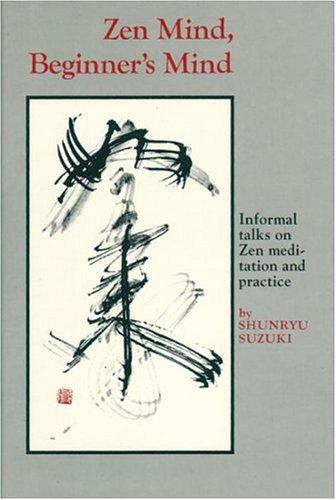
Short talks by a Zen teacher on meditation and attitude. The idea of beginner’s mind, staying open and curious, is applicable to any activity.
Best for: readers ready for depth.
10. The Book of Joy by Dalai Lama, Desmond Tutu and Douglas Abrams
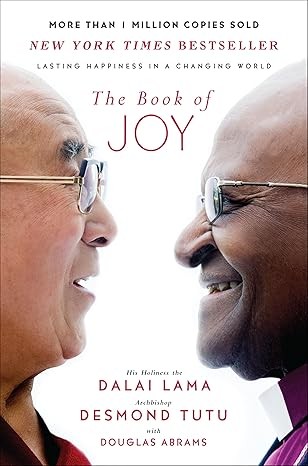
Abrams records a week-long conversation between two spiritual leaders on joy and suffering. Warm, funny and full of practical practices.
Best for: readers who like conversations.
11. Waking Up by Sam Harris
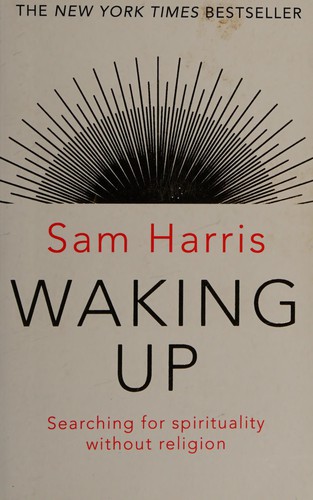
Harris, a neuroscientist, argues that meditation and self-inquiry have value independent of religion. More intellectual and critical in tone, and includes guided practices.
Best for: skeptics.
12. Four Thousand Weeks by Oliver Burkeman
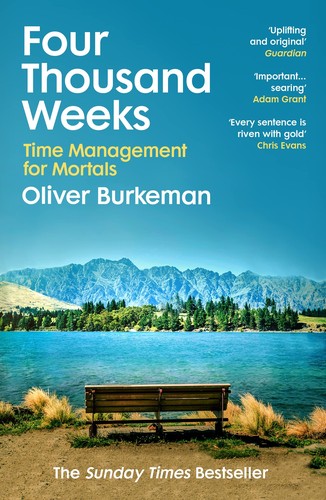
Burkeman argues that we will never get everything done and that accepting our limits brings peace. Funny, humane and freeing.
Best for: stressed productivity seekers.
13. Meditations by Marcus Aurelius
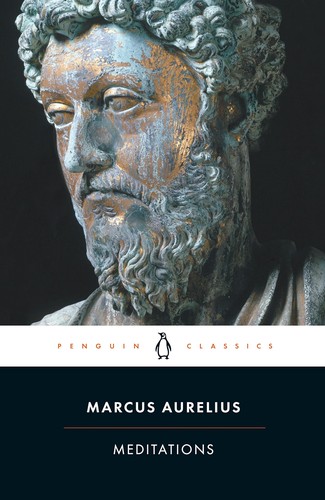
The private journal of a Roman emperor, full of reminders about what is within your control. Choose a modern translation. Read a few lines at a time.
Best for: readers who like timeless wisdom.
14. Walden by Henry David Thoreau

Thoreau’s account of living simply by a pond for two years remains a classic of simplicity and attention. Dense in places but beautiful.
Best for: nature lovers.
15. Ikigai by Héctor García and Francesc Miralles

Explores the Japanese concept of a reason for being and the habits of long-lived people in Okinawa. Light and accessible.
Best for: readers who like short books.
How to Choose the Right Book on Inner Peace
Match the book to your temperament. If you like simple, practical guidance, try Wherever You Go, There You Are or Peace Is Every Step. If you like philosophy, Meditations, Stillness Is the Key and The Wisdom of Insecurity offer thought-provoking reading. If your mind is noisy, The Untethered Soul and The Power of Now address the inner voice directly. If you want science, Waking Up and Four Thousand Weeks take a more secular approach. Read one chapter at a time and practice what you read, because peace is built through repetition.
Which Book Should You Start With? A Quick Guide
If you are not sure where to begin, match your situation to the list below.
- Overthinkers: The Power of Now
- Beginners: Peace Is Every Step
- Skeptical beginners: Wherever You Go, There You Are
- Readers who struggle with racing thoughts: The Untethered Soul
- Self-critical readers: Radical Acceptance
- Busy achievers: Stillness Is the Key
- Readers who enjoy essays: The Wisdom of Insecurity
- People facing difficult times: When Things Fall Apart
- Readers ready for depth: Zen Mind, Beginner’s Mind
- Readers who like conversations: The Book of Joy
- Skeptics: Waking Up
- Stressed productivity seekers: Four Thousand Weeks
- Readers who like timeless wisdom: Meditations
- Nature lovers: Walden
- Readers who like short books: Ikigai
A Simple Reading Plan
A sensible order helps you build momentum. Open with The Power of Now, which is accessible and encouraging, and finish it before you buy anything else. Next, choose Peace Is Every Step to deepen what you learned, then Wherever You Go, There You Are when you are ready for a different voice or a more demanding read. Between books, take a few days to try something you learned, because inner peace is easier to understand once you have tested it in real life. Keep a simple note on your phone with the title, your rating and one takeaway for each book you complete.
Print, E-Book or Audiobook?
Print, e-book and audiobook each suit different readers. Print is best for books you want to mark up and return to, which is useful for practical guides on inner peace. E-books are cheap, portable and easy to search, and they make it simple to highlight a passage and find it again later. Audiobooks turn commutes, chores and walks into reading time, and a good narrator can make a heavy book on inner peace easier to take in. Your public library offers all three through apps like Libby, so you can try a title before buying it. Many readers use two formats for the same book, listening first and then skimming a print copy for notes.
How to Get More From What You Read
To get more from these books, read with a pen and a question. Decide before you start what you hope to learn about inner peace, and check at the end of each chapter whether you found it. Mark passages that feel true for you, and write down the ones you disagree with, since disagreement is also learning. Pick one practice from each book and try it for two weeks before judging it. Talking about the ideas with someone you trust, or writing a few lines in a journal, helps them move from your head into your life. Be patient with yourself; change comes in small steps.
Reading on a Budget
You do not need to buy all of these books. Your public library likely lends print, e-book and audiobook copies of many titles on inner peace for free, and the hold feature lets you queue for popular ones. Used paperbacks are usually a few dollars, and thrift stores, library sales and swap groups are good sources. If you want to own a book you will mark up, buy the print edition; if you want to try several, borrow first and buy only the ones you finish and love. Subscription audiobook services often offer a free trial that covers a first title, and some libraries partner with apps that need only a library card.
Talk About What You Read
Reading on your own is valuable, and reading with others adds accountability. Consider forming a small book club around inner peace, taking turns to choose a title from this list. Meet monthly, ask each person to share one idea and one action, and keep the tone supportive rather than competitive. If your friends are not interested, look for a local library group or an online community. A shared conversation helps you notice things you missed, and the encouragement of others makes it easier to keep going when progress feels slow.
Common Mistakes to Avoid
Three mistakes come up again and again. First, readers choose a book that is too advanced or too long and give up on the topic altogether, so start with an accessible title. Second, they read passively, without notes or a plan to use what they learn about inner peace. Third, they expect immediate results and quit when the change is slow. Avoid these by starting small, taking notes and giving each idea at least two weeks. If a book does not suit you, move on; the list above has plenty of other voices.
How to Judge a Book on Inner peace
Not every book on inner peace is equally reliable. Before you trust one, check the author’s background: are they a researcher, clinician, journalist or someone writing from lived experience? Each can be valuable, but they offer different things. Look for notes and references at the back, which show the claims can be checked. Be wary of books that promise a quick fix, rely on a single story or dismiss all other views. Read a few reviews from people with different perspectives, and treat bold claims as hypotheses to test in your own life. A good book invites questions instead of demanding agreement.
When Reading Is Not Enough
Reading can illuminate and encourage, yet some situations need more than a book. If you notice that your struggles with inner peace are getting worse, lasting a long time or affecting your health, reach out to a professional you trust. Local libraries, community centers and workplaces often offer free resources, classes or referrals. Sharing what you are reading with a friend can open the door to a supportive conversation. Use these books as companions on the journey, and let real people walk it with you.
Questions to Reflect On
Keep these in a notebook and return to them after each book:
- What do I most want to understand or change about {t}?
- Which idea from my reading feels true for me, and which do I doubt?
- What is one small action I can take this week?
- Who could I talk to about what I am learning?
- How will I know in a month that this reading helped?
Tips for Reading About Inner peace
- Pick one practice. Try five minutes of breathing or walking before reading more.
- Read in the morning. A page at dawn sets the tone.
- Use audiobooks. Many calm books work well as audio.
- Keep a journal. Writing clarifies what you notice.
- Be patient. Inner peace grows slowly and is not a straight line.
Related: 15 Best Self-Help Books for Teens and the Power of Now Summary and Key Takeaways.
Frequently Asked Questions
What is the best book for inner peace?
Peace Is Every Step, Wherever You Go, There You Are and The Untethered Soul are widely loved for different reasons.
Do I need to be religious to read these books?
No. Several are secular or philosophical, such as Waking Up, Meditations and Four Thousand Weeks.
How long does it take to find inner peace?
Peace is a practice, not a destination. Many people notice small shifts within weeks of daily practice.
How many books on inner peace should I read at once?
One or two at a time is plenty. Finish a book, try one idea from it and then move on, so what you read turns into something you do.
Are these books on inner peace available as audiobooks?
Most of them are. Check your library’s app, such as Libby, or an audiobook service, and listen to a sample to see whether the narrator suits you.