
Disclosure: As an Amazon Associate, Bookish Wisdom earns from qualifying purchases. This doesn’t change our picks or your price.
Quick answer: The best books on self-help for teens include Mindset, Quiet Power, The 7 Habits of Highly Effective Teens, The 6 Most Important Decisions You’ll Ever Make, Atomic Habits and How to Win Friends and Influence People. Start with Mindset or The 7 Habits of Highly Effective Teens for a clear framework, then add a workbook on stress or self-esteem if you want exercises.
If you feel hopeless or are thinking about hurting yourself, tell a trusted adult or call or text 988 in the United States. Self-help books support but do not replace professional care.
Being a teenager means juggling schoolwork, friendships, family expectations, social media and a changing sense of who you are. Self-help books written for or suitable for teens can offer practical tools, from building habits and handling stress to speaking up in class and bouncing back from mistakes. The best ones are short, clear and respectful, with no lectures. This list gathers fifteen books that work well for readers around thirteen to nineteen, mixing teen-specific guides, workbooks and adult classics that younger readers can handle. Pick one that matches what you are facing right now, read a chapter at a time and try one idea before moving on.
Table of Contents
Quick Picks at a Glance
| Book | Author | Topic | Best For |
|---|---|---|---|
| Mindset | Carol S. Dweck | Growth mindset | students who fear failure |
| Quiet Power | Susan Cain with Gregory Mone and Erica Moroz | Introversion | shy or reflective teens |
| The 7 Habits of Highly Effective Teens | Sean Covey | Habits | goal-setters |
| The 6 Most Important Decisions You’ll Ever Make | Sean Covey | Life choices | teens facing big decisions |
| Atomic Habits | James Clear | Habits | teens building routines |
| How to Win Friends and Influence People | Dale Carnegie | Social skills | teens wanting better relationships |
| Chicken Soup for the Teenage Soul | Jack Canfield, Mark Victor Hansen and Kimberly Kirberger | Stories | readers who like short pieces |
| The Self-Esteem Workbook for Teens | Lisa M. Schab | Self-esteem | teens with harsh inner critics |
| The Anxiety Workbook for Teens | Lisa M. Schab | Anxiety | teens who worry |
| Make Your Bed | William H. McRaven | Discipline | teens who like short books |
| Grit | Angela Duckworth | Perseverance | students and athletes |
| The Gifts of Imperfection | Brené Brown | Self-acceptance | perfectionists |
| Wherever You Go, There You Are | Jon Kabat-Zinn | Mindfulness | teens curious about meditation |
| Man’s Search for Meaning | Viktor E. Frankl | Purpose | mature teen readers |
| Hidden Potential | Adam Grant | Growth | teens wanting to improve |
1. Mindset by Carol S. Dweck
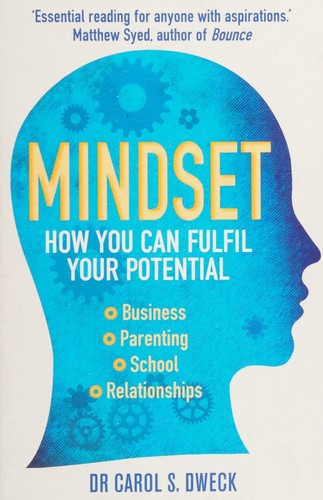
Dweck’s research shows that believing your abilities can grow changes how you handle challenges. Her examples from school, sports and relationships make the idea concrete. A good first self-help book because it is clear and encouraging, and its lesson applies to every subject.
Best for: students who fear failure.
2. Quiet Power by Susan Cain with Gregory Mone and Erica Moroz
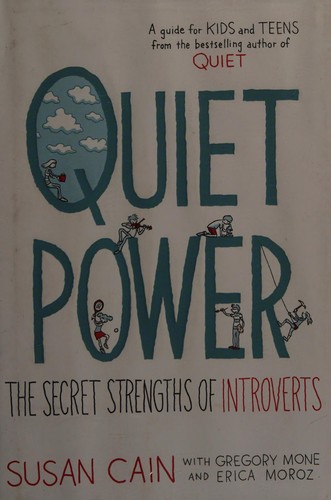
This adaptation of Cain’s bestseller Quiet is written for teens. It explains how introverts think, how to speak up on your terms and how to find friends who fit. The stories of real teens make it relatable, and it helps extroverts understand their quiet friends too.
Best for: shy or reflective teens.
3. The 7 Habits of Highly Effective Teens by Sean Covey
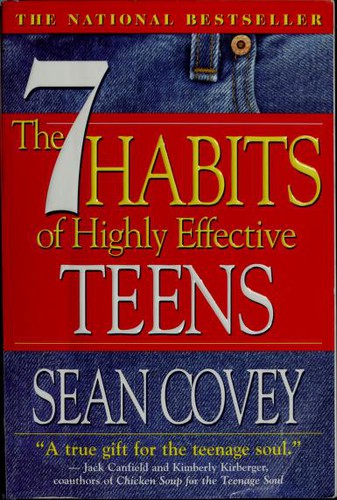
Covey adapts his father’s famous book for teens, with cartoons, quizzes and real-life stories. Each habit, such as being proactive and beginning with the end in mind, is explained simply. It is a sturdy, friendly starting point for building routines.
Best for: goal-setters.
4. The 6 Most Important Decisions You’ll Ever Make by Sean Covey
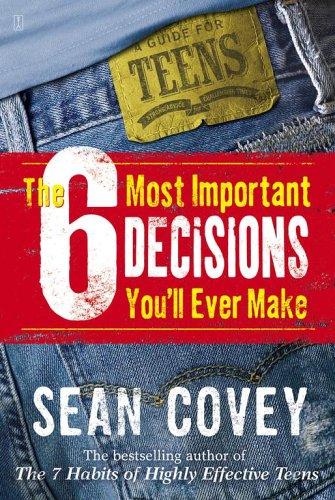
Covey covers school, friends, parents, dating, addictions and self-worth in short sections with plenty of stories. A useful guide for a teen who wants straightforward advice on what matters most.
Best for: teens facing big decisions.
5. Atomic Habits by James Clear
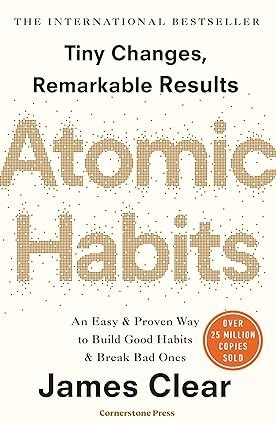
Clear shows how tiny changes compound over time. His four-step framework is easy to follow, and examples from sports and school help. Teens can use it for studying, sleeping, exercising or managing screen time.
Best for: teens building routines.
6. How to Win Friends and Influence People by Dale Carnegie
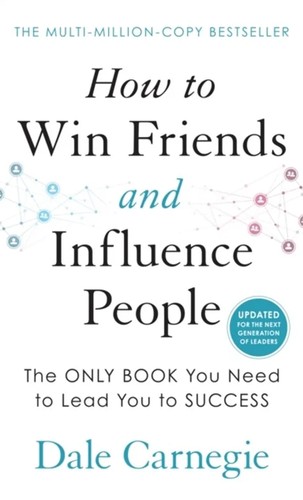
Carnegie’s classic advice on listening, remembering names and showing interest is as useful today as ever. Some examples are dated, but the principles still work for group projects, teams and friendships.
Best for: teens wanting better relationships.
7. Chicken Soup for the Teenage Soul by Jack Canfield, Mark Victor Hansen and Kimberly Kirberger
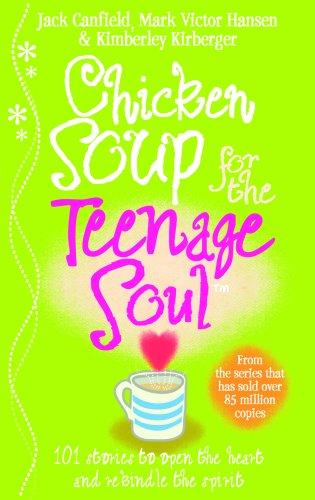
A collection of true short stories by and about teens, on subjects like friendship, loss and perseverance. Easy to read a few pages at a time, and comforting for tough days. Content note: some stories deal with loss and difficult subjects.
Best for: readers who like short pieces.
8. The Self-Esteem Workbook for Teens by Lisa M. Schab
A workbook with activities to identify negative self-talk, practice self-kindness and build on strengths. Short exercises help you apply each idea right away.
Best for: teens with harsh inner critics.
9. The Anxiety Workbook for Teens by Lisa M. Schab
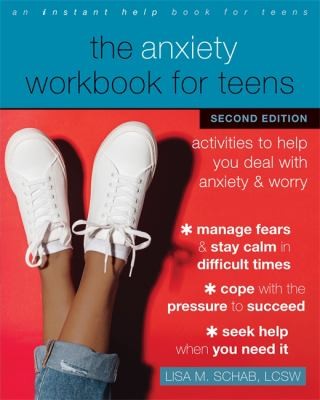
Uses cognitive behavioral techniques to help teens understand and manage anxiety. Includes worksheets, breathing exercises and practical tips. Not a substitute for professional help, but a good companion to it.
Best for: teens who worry.
10. Make Your Bed by William H. McRaven
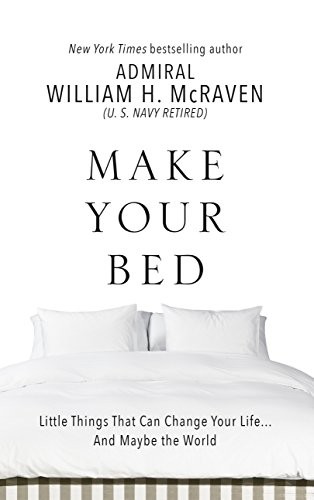
Admiral McRaven expands a famous graduation speech into ten lessons from Navy SEAL training. Brief, motivating and easy to read in one sitting.
Best for: teens who like short books.
11. Grit by Angela Duckworth
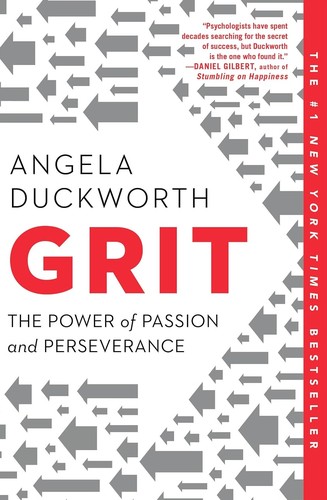
Duckworth’s research shows that passion and persistence predict success more than talent alone. Stories from classrooms, sports and business make a strong case for sticking with goals.
Best for: students and athletes.
12. The Gifts of Imperfection by Brené Brown
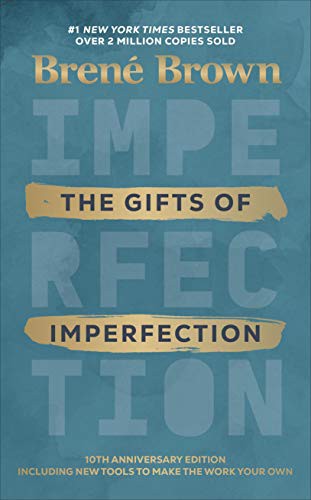
Brown encourages readers to let go of who they think they should be and embrace who they are. Gentle and honest, with simple exercises.
Best for: perfectionists.
13. Wherever You Go, There You Are by Jon Kabat-Zinn
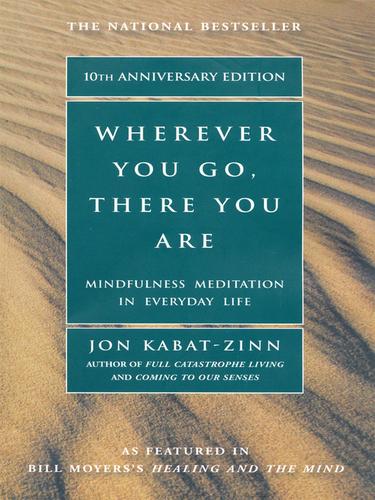
A short, accessible introduction to mindfulness with brief chapters. Good for stressed teens who want to try meditation without complicated instructions.
Best for: teens curious about meditation.
14. Man’s Search for Meaning by Viktor E. Frankl
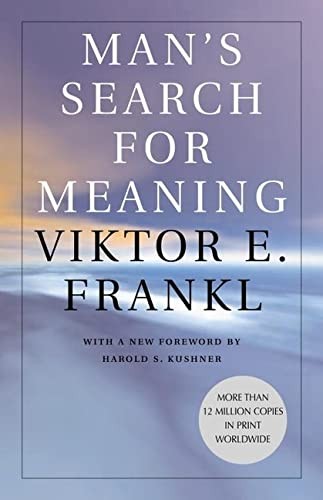
Frankl, a psychiatrist who survived Nazi camps, explains how having a purpose helps people survive suffering. Short but heavy, best for older teens. Content note: descriptions of concentration camps.
Best for: mature teen readers.
15. Hidden Potential by Adam Grant
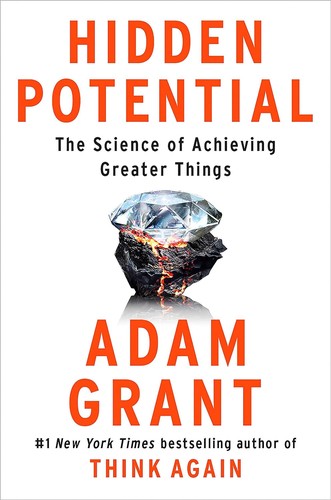
Grant argues that character, habits and the right environment matter more than raw talent. A clear and uplifting read with research-backed advice.
Best for: teens wanting to improve.
How to Choose the Right Book on Self-Help For Teens
Choose according to what you want to work on. If you want better habits and study skills, Atomic Habits, Grit and The 7 Habits of Highly Effective Teens are practical. If you struggle with stress or low confidence, the workbooks by Lisa Schab give you exercises you can do alone. If you are introverted, Quiet Power shows how to use that strength. If you want a bigger perspective, Man’s Search for Meaning and Make Your Bed are short and powerful. Parents can read along and talk about ideas, but teens usually benefit most from picking their own.
Which Book Should You Start With? A Quick Guide
If you are not sure where to begin, match your situation to the list below.
- Students who fear failure: Mindset
- Shy or reflective teens: Quiet Power
- Goal-setters: The 7 Habits of Highly Effective Teens
- Teens facing big decisions: The 6 Most Important Decisions You’ll Ever Make
- Teens building routines: Atomic Habits
- Teens wanting better relationships: How to Win Friends and Influence People
- Readers who like short pieces: Chicken Soup for the Teenage Soul
- Teens with harsh inner critics: The Self-Esteem Workbook for Teens
- Teens who worry: The Anxiety Workbook for Teens
- Teens who like short books: Make Your Bed
- Students and athletes: Grit
- Perfectionists: The Gifts of Imperfection
- Teens curious about meditation: Wherever You Go, There You Are
- Mature teen readers: Man’s Search for Meaning
- Teens wanting to improve: Hidden Potential
A Simple Reading Plan
Treat this list as a menu, not an assignment. Start with Mindset, because it gives you a clear overview of self-help for teens without demanding much from you. Read in short sessions and underline or note the passages that make you stop. After a week or two, move to Quiet Power for a different angle, then The 7 Habits of Highly Effective Teens when you want more depth. Spacing the books out gives the ideas time to settle, and applying one small idea per week is worth more than rushing through the whole shelf. Revisit your notes at the end of each month to see what has actually changed.
Print, E-Book or Audiobook?
Format matters more than people expect. If you tend to forget what you read, choose print or an e-book so you can underline and review. If your time is limited, audiobooks fit into the gaps of your day. For a topic like self-help for teens, short chapters are an advantage, since you can finish one in a single sitting and think about it afterward. Libraries lend e-books and audiobooks free, and many offer print copies of new releases through holds. Try one format for a week and switch if it is not working.
How to Get More From What You Read
Reading about self-help for teens only helps if something changes afterward, so build a small habit around it. Keep a notebook or a notes app, and after each chapter write one sentence about what stood out and one action you could take. Choose a single idea per week to test, such as a new routine, a conversation or a different way of thinking. Discuss what you are reading with a friend, a partner or an online group, since explaining an idea out loud makes it stick. Review your notes monthly and drop anything that did not help. The aim is progress you can notice, not a long reading list.
Reading on a Budget
Good books on self-help for teens are easier to afford than most people think. Library cards open up print, e-book and audiobook borrowing, and interlibrary loan can find titles your branch does not own. Used copies cost a fraction of new ones, and many of the classics are inexpensive in paperback. Try a sample chapter online to see whether an author’s voice suits you before you commit. If you finish a book you love, consider passing it to a friend, which keeps the ideas moving and your shelf uncluttered.
Talk About What You Read
Ideas stick when you talk about them. Choose one book from this list and invite a friend, partner or colleague to read it with you, then meet for coffee to compare notes on self-help for teens. Online communities and library groups also host discussions, and many of these books have free reading guides. If you prefer privacy, a journal works well: write a paragraph after each chapter on what you agree with, what you doubt and what you will try. Teaching an idea to someone else is one of the best ways to learn it, so explain what you read in your own words.
Common Mistakes to Avoid
A few pitfalls are worth avoiding. Do not buy a dozen books on self-help for teens in one go; borrow one, finish it and then decide what to read next. Do not expect a single book to transform your life overnight, since the best ones work through small, repeated actions. Be cautious of any author who promises guaranteed results, and check an author’s credentials and sources. Finally, do not use reading as a way of avoiding action. If you notice yourself finishing book after book without changing anything, pick one idea and practice it this week.
How to Judge a Book on Self-help for teens
A few quick checks can save you time when choosing a book on self-help for teens. Look at who wrote it and what qualifies them. See whether the author cites research or sources, and whether those sources are recent enough to matter. Notice the tone: honest authors admit limits and exceptions, while less reliable ones speak in absolutes. Skim the table of contents and a sample chapter, and read both enthusiastic and critical reviews. If a claim seems too good to be true, search for what other experts say. Reading widely across several authors is the best protection against any single voice.
When Reading Is Not Enough
Books are a good start, but they are not the whole answer to every situation involving self-help for teens. If your difficulties interfere with sleep, work, relationships or safety, talk with a doctor, counselor or other qualified professional. Support groups, whether in person or online, can give you something books cannot: people who understand and respond. Friends and family can help if you let them know what you need. Think of your reading as one part of a larger toolkit, and do not hesitate to add other tools. Asking for help is a sign of strength and often speeds progress.
Questions to Reflect On
Keep these in a notebook and return to them after each book:
- What do I most want to understand or change about {t}?
- Which idea from my reading feels true for me, and which do I doubt?
- What is one small action I can take this week?
- Who could I talk to about what I am learning?
- How will I know in a month that this reading helped?
Tips for Reading About Self-help for teens
- Read for you. Choose a book because you want it, not because someone told you to.
- Try one tip. Practice a single idea for two weeks.
- Use the workbook. Writing responses makes ideas stick.
- Skip what doesn’t fit. Not every chapter applies to you.
- Talk to someone. Friends, counselors or family can help.
Related: 15 Best Personal Growth Books for Men and the Gifts of Imperfection Summary and Key Takeaways.
Frequently Asked Questions
What is the best self-help book for teenagers?
The 7 Habits of Highly Effective Teens, Mindset and Atomic Habits are popular and accessible.
Are self-help books safe for teens?
Most are, but check for mature content. If you feel overwhelmed or hopeless, reach out to a trusted adult or counselor.
Which book helps teens with stress?
The Anxiety Workbook for Teens and Wherever You Go, There You Are offer practical tools.
How many books on self-help for teens should I read at once?
One or two at a time is plenty. Finish a book, try one idea from it and then move on, so what you read turns into something you do.
Are these books on self-help for teens available as audiobooks?
Most of them are. Check your library’s app, such as Libby, or an audiobook service, and listen to a sample to see whether the narrator suits you.