
Disclosure: As an Amazon Associate, Bookish Wisdom earns from qualifying purchases. This doesn’t change our picks or your price.
Quick answer: The best books on personal growth for women include Untamed, Becoming, The Gifts of Imperfection, Big Magic, Rising Strong and The Artist’s Way. Start with Untamed for permission to live authentically, or The Gifts of Imperfection for a gentle approach to self-acceptance.
Personal growth is not about becoming someone else; it is about becoming more fully yourself. For many women, that means unlearning pressure to be perfect, building confidence, setting boundaries and making space for creativity and rest. The right book can feel like a conversation with a wise friend who says what you needed to hear. This list gathers fifteen books on personal growth for women, from memoirs and manifestos to practical guides on habits, mindset and career. Each offers a different voice and approach, so you can pick the ones that fit your life right now. Read with a pen, and let the ideas change one small thing at a time.
Table of Contents
Quick Picks at a Glance
| Book | Author | Theme | Best For |
|---|---|---|---|
| Untamed | Glennon Doyle | Memoir | women seeking authenticity |
| Becoming | Michelle Obama | Memoir | readers who love life stories |
| The Gifts of Imperfection | Brené Brown | Self-acceptance | perfectionists |
| Big Magic | Elizabeth Gilbert | Creativity | aspiring creatives |
| Rising Strong | Brené Brown | Resilience | readers recovering from setbacks |
| The Artist’s Way | Julia Cameron | Creative recovery | writers and artists |
| Lean In | Sheryl Sandberg | Career | ambitious professionals |
| You Are a Badass | Jen Sincero | Self-confidence | readers who like a punchy voice |
| Women Who Run with the Wolves | Clarissa Pinkola Estés | Archetypes | readers who like myths |
| The Confidence Code | Katty Kay and Claire Shipman | Confidence | women in careers |
| Mindset | Carol S. Dweck | Growth mindset | students and professionals |
| The Defining Decade | Meg Jay | Twenties | women in their twenties |
| Brave, Not Perfect | Reshma Saujani | Courage | recovering perfectionists |
| Burnout | Emily Nagoski and Amelia Nagoski | Stress | exhausted women |
| Atomic Habits | James Clear | Habits | readers who want systems |
1. Untamed by Glennon Doyle
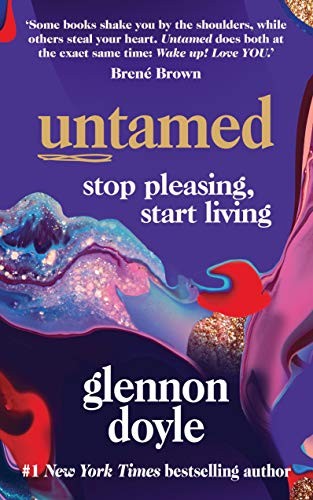
Doyle describes leaving behind the roles others expected and learning to trust her own inner knowing. Funny, raw and inspiring, with short chapters that you can read in small sittings.
Best for: women seeking authenticity.
2. Becoming by Michelle Obama
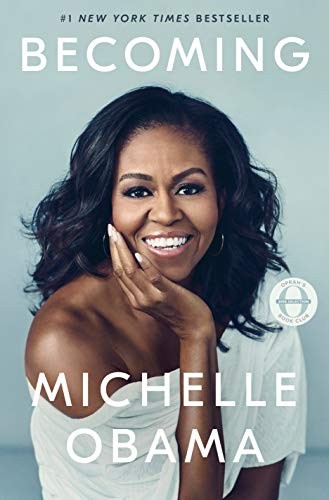
Obama traces her path from Chicago’s South Side to the White House with warmth, humor and honesty. A powerful example of growth through change.
Best for: readers who love life stories.
3. The Gifts of Imperfection by Brené Brown
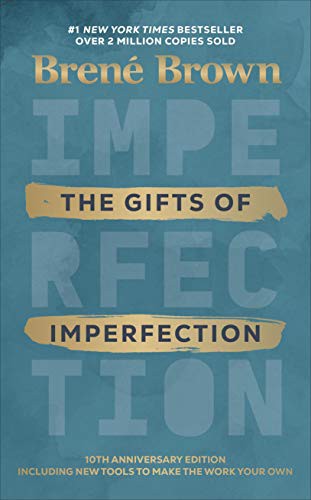
Brown offers ten guideposts for wholehearted living, built on her research about shame and vulnerability. Short and gentle, a good starting point.
Best for: perfectionists.
4. Big Magic by Elizabeth Gilbert
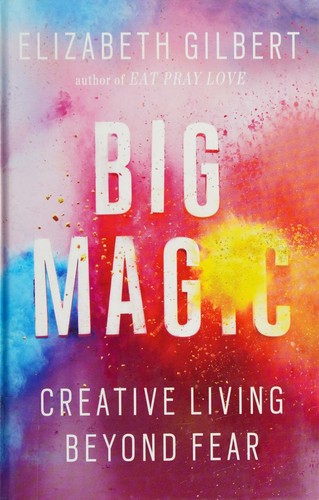
Gilbert encourages readers to live a creative life with curiosity instead of fear. Light, warm and full of anecdotes, it is a great pick for anyone postponing a project.
Best for: aspiring creatives.
5. Rising Strong by Brené Brown
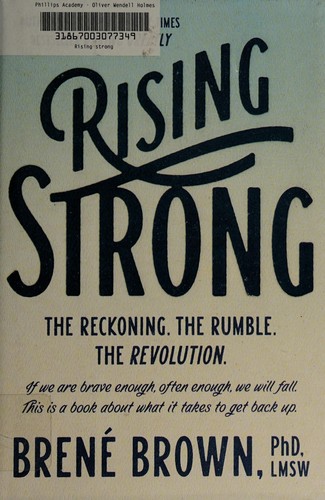
Brown explores how to get back up after failure, from owning your story to rumbling with it. Her stories are relatable and the framework is practical.
Best for: readers recovering from setbacks.
6. The Artist’s Way by Julia Cameron
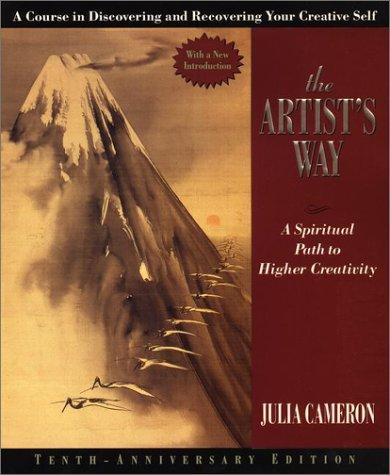
A twelve-week course with morning pages and artist dates for unblocking creativity. Some of its spiritual language may not suit everyone, but millions of readers have found it useful.
Best for: writers and artists.
7. Lean In by Sheryl Sandberg
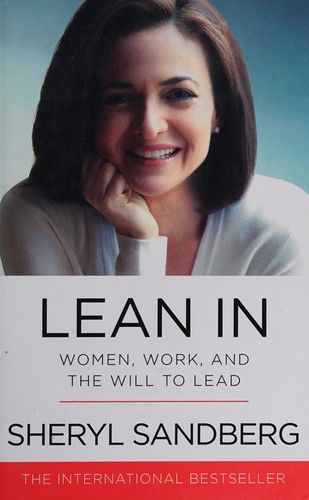
Sandberg argues that women face internal and external barriers to leadership and offers advice for navigating them. It has been criticized for ignoring structural issues but remains a useful discussion starter.
Best for: ambitious professionals.
8. You Are a Badass by Jen Sincero
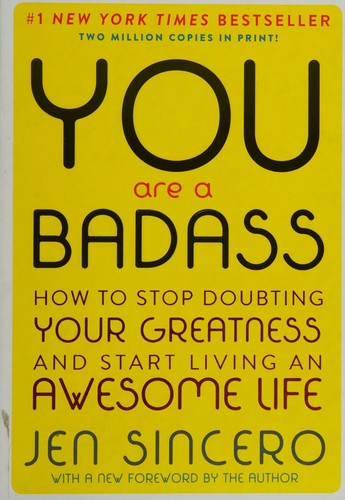
Sincero’s profane, funny and motivational guide to changing self-defeating habits and building confidence. Not for readers who dislike swearing. Content note: strong language.
Best for: readers who like a punchy voice.
9. Women Who Run with the Wolves by Clarissa Pinkola Estés

Estés uses folktales and stories to explore the wild woman archetype and women’s creative instincts. Poetic and long, it rewards slow reading.
Best for: readers who like myths.
10. The Confidence Code by Katty Kay and Claire Shipman
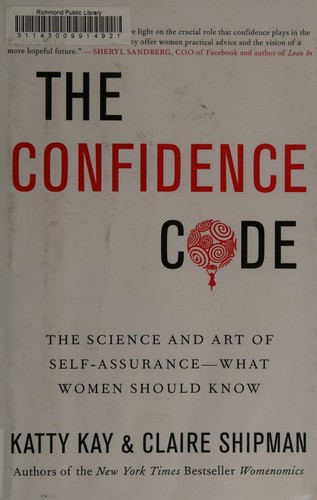
The authors explore the science of confidence and why women often lack it, with advice on building it through action. Combines research and interviews.
Best for: women in careers.
11. Mindset by Carol S. Dweck
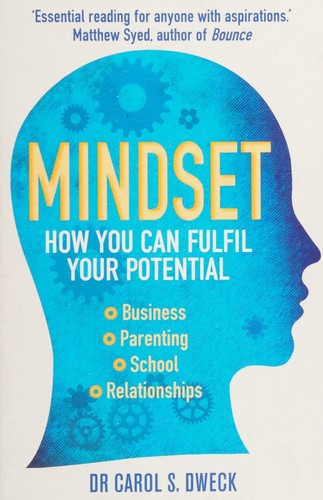
Dweck’s research on fixed and growth mindsets shows how beliefs about ability affect success. Clear and widely applicable.
Best for: students and professionals.
12. The Defining Decade by Meg Jay
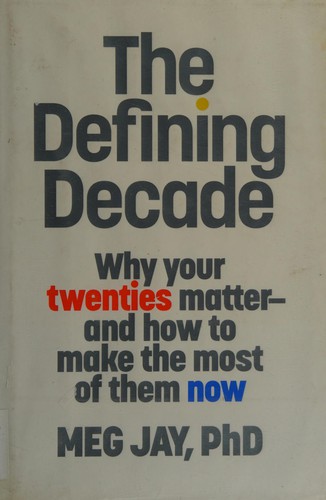
Psychologist Meg Jay argues that the twenties are crucial for building career, relationships and identity. Practical and encouraging.
Best for: women in their twenties.
13. Brave, Not Perfect by Reshma Saujani
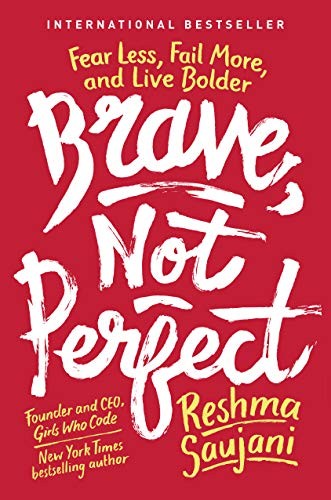
Saujani, founder of Girls Who Code, encourages women to take risks and let go of perfection. Short, energetic and motivating.
Best for: recovering perfectionists.
14. Burnout by Emily Nagoski and Amelia Nagoski
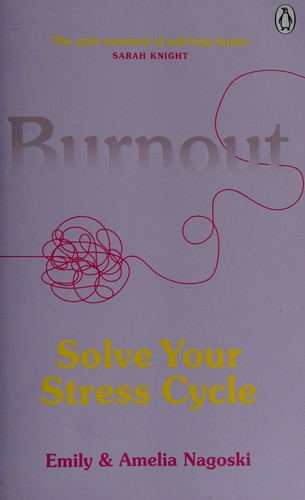
The authors explain the stress cycle and how women can complete it, with practical tips on movement, connection and rest. Warm, funny and science-based.
Best for: exhausted women.
15. Atomic Habits by James Clear
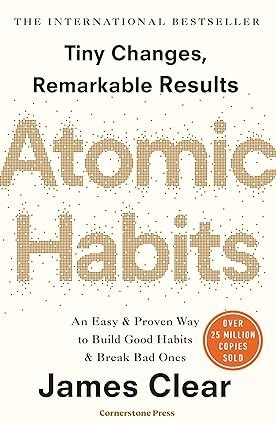
Clear shows how small changes compound into remarkable results and offers a clear framework for building habits. Useful for any area of growth.
Best for: readers who want systems.
How to Choose the Right Book on Personal Growth For Women
Choose by what you want to change. If you feel overextended and unseen, Untamed and Burnout speak directly to the pressures women face. If self-criticism is your challenge, The Gifts of Imperfection and Rising Strong offer compassion. If you want creative renewal, Big Magic and The Artist’s Way are classics. If you want confidence and career insight, The Confidence Code, Lean In and Brave, Not Perfect are good starting points. Read for ideas, but trust your own judgment, since no single book applies to every woman.
Making Personal Growth Fit a Busy Life
Many women who want to grow have almost no spare time, so a plan has to be realistic. Choose a ten-minute window, perhaps before the house wakes up or during a lunch break, and read a few pages. Listen to an audiobook during the commute or the dishes. Pick one idea per book, such as a boundary, a morning page or a conversation you have been avoiding, and test it for two weeks. Let go of the idea that growth requires retreats or hours of solitude. Small changes repeated week after week add up to a different life, and you do not need permission to start with something small.
Which Book Should You Start With? A Quick Guide
If you are not sure where to begin, match your situation to the list below.
- Women seeking authenticity: Untamed
- Readers who love life stories: Becoming
- Perfectionists: The Gifts of Imperfection
- Aspiring creatives: Big Magic
- Readers recovering from setbacks: Rising Strong
- Writers and artists: The Artist’s Way
- Ambitious professionals: Lean In
- Readers who like a punchy voice: You Are a Badass
- Readers who like myths: Women Who Run with the Wolves
- Women in careers: The Confidence Code
- Students and professionals: Mindset
- Women in their twenties: The Defining Decade
- Recovering perfectionists: Brave, Not Perfect
- Exhausted women: Burnout
- Readers who want systems: Atomic Habits
A Simple Reading Plan
A sensible order helps you build momentum. Open with Untamed, which is accessible and encouraging, and finish it before you buy anything else. Next, choose Becoming to deepen what you learned, then The Gifts of Imperfection when you are ready for a different voice or a more demanding read. Between books, take a few days to try something you learned, because personal growth for women is easier to understand once you have tested it in real life. Keep a simple note on your phone with the title, your rating and one takeaway for each book you complete.
Print, E-Book or Audiobook?
Print, e-book and audiobook each suit different readers. Print is best for books you want to mark up and return to, which is useful for practical guides on personal growth for women. E-books are cheap, portable and easy to search, and they make it simple to highlight a passage and find it again later. Audiobooks turn commutes, chores and walks into reading time, and a good narrator can make a heavy book on personal growth for women easier to take in. Your public library offers all three through apps like Libby, so you can try a title before buying it. Many readers use two formats for the same book, listening first and then skimming a print copy for notes.
How to Get More From What You Read
To get more from these books, read with a pen and a question. Decide before you start what you hope to learn about personal growth for women, and check at the end of each chapter whether you found it. Mark passages that feel true for you, and write down the ones you disagree with, since disagreement is also learning. Pick one practice from each book and try it for two weeks before judging it. Talking about the ideas with someone you trust, or writing a few lines in a journal, helps them move from your head into your life. Be patient with yourself; change comes in small steps.
Reading on a Budget
You do not need to buy all of these books. Your public library likely lends print, e-book and audiobook copies of many titles on personal growth for women for free, and the hold feature lets you queue for popular ones. Used paperbacks are usually a few dollars, and thrift stores, library sales and swap groups are good sources. If you want to own a book you will mark up, buy the print edition; if you want to try several, borrow first and buy only the ones you finish and love. Subscription audiobook services often offer a free trial that covers a first title, and some libraries partner with apps that need only a library card.
Talk About What You Read
Reading on your own is valuable, and reading with others adds accountability. Consider forming a small book club around personal growth for women, taking turns to choose a title from this list. Meet monthly, ask each person to share one idea and one action, and keep the tone supportive rather than competitive. If your friends are not interested, look for a local library group or an online community. A shared conversation helps you notice things you missed, and the encouragement of others makes it easier to keep going when progress feels slow.
Common Mistakes to Avoid
Three mistakes come up again and again. First, readers choose a book that is too advanced or too long and give up on the topic altogether, so start with an accessible title. Second, they read passively, without notes or a plan to use what they learn about personal growth for women. Third, they expect immediate results and quit when the change is slow. Avoid these by starting small, taking notes and giving each idea at least two weeks. If a book does not suit you, move on; the list above has plenty of other voices.
How to Judge a Book on Personal growth for women
A few quick checks can save you time when choosing a book on personal growth for women. Look at who wrote it and what qualifies them. See whether the author cites research or sources, and whether those sources are recent enough to matter. Notice the tone: honest authors admit limits and exceptions, while less reliable ones speak in absolutes. Skim the table of contents and a sample chapter, and read both enthusiastic and critical reviews. If a claim seems too good to be true, search for what other experts say. Reading widely across several authors is the best protection against any single voice.
When Reading Is Not Enough
Books are a good start, but they are not the whole answer to every situation involving personal growth for women. If your difficulties interfere with sleep, work, relationships or safety, talk with a doctor, counselor or other qualified professional. Support groups, whether in person or online, can give you something books cannot: people who understand and respond. Friends and family can help if you let them know what you need. Think of your reading as one part of a larger toolkit, and do not hesitate to add other tools. Asking for help is a sign of strength and often speeds progress.
Questions to Reflect On
Keep these in a notebook and return to them after each book:
- What do I most want to understand or change about {t}?
- Which idea from my reading feels true for me, and which do I doubt?
- What is one small action I can take this week?
- Who could I talk to about what I am learning?
- How will I know in a month that this reading helped?
Tips for Reading About Personal growth for women
- Pick one book at a time. Finish before starting another.
- Take notes. Underline lines that resonate.
- Try one practice. Apply a single idea before moving on.
- Find a book club. Discussing ideas deepens them.
- Be kind to yourself. Growth is slow and nonlinear.
Related: 15 Best Books on Marriage and the Gifts of Imperfection Summary and Key Takeaways.
Frequently Asked Questions
What is the best personal growth book for women?
Untamed, The Gifts of Imperfection and Burnout are often recommended for different needs.
Which personal growth book is best for confidence?
The Confidence Code and Brave, Not Perfect focus on building confidence through action.
Are personal growth books worth reading?
They can be, if you apply the ideas. Choose one strategy per book and test it for a few weeks.
How many books on personal growth for women should I read at once?
One or two at a time is plenty. Finish a book, try one idea from it and then move on, so what you read turns into something you do.
Are these books on personal growth for women available as audiobooks?
Most of them are. Check your library’s app, such as Libby, or an audiobook service, and listen to a sample to see whether the narrator suits you.