
Disclosure: As an Amazon Associate, Bookish Wisdom earns from qualifying purchases. This doesn’t change our picks or your price.
Quick answer: The best books on marriage include The Seven Principles for Making Marriage Work, Hold Me Tight, The 5 Love Languages, Mating in Captivity, Getting the Love You Want and Fighting for Your Marriage. For research-backed advice start with The Seven Principles for Making Marriage Work, and for emotional connection try Hold Me Tight.
Marriage is one of the most rewarding and demanding relationships we have. Couples who have been together for decades say the early excitement gives way to routines, stress, children, money worries and the quiet drift that comes from not having time to talk. The good news is that research on marriage has grown considerably, and many books turn that research into practical advice. This list gathers fifteen of the best, from Gottman’s studies of what makes couples last to books on attachment, communication, intimacy and keeping a marriage playful after kids. Whether your marriage is thriving or struggling, a good book can open a conversation that is hard to start without one.
Table of Contents
Quick Picks at a Glance
| Book | Author | Focus | Best For |
|---|---|---|---|
| The Seven Principles for Making Marriage Work | John M. Gottman and Nan Silver | Research-based | couples wanting practical steps |
| Hold Me Tight | Sue Johnson | Attachment | couples feeling disconnected |
| The 5 Love Languages | Gary Chapman | Communication | couples who talk past each other |
| Mating in Captivity | Esther Perel | Desire | long-term couples |
| Getting the Love You Want | Harville Hendrix | Imago therapy | couples who want structure |
| Fighting for Your Marriage | Howard J. Markman, Scott M. Stanley and Susan L. Blumberg | Conflict | couples who argue |
| Wired for Love | Stan Tatkin | Neuroscience | readers who like science |
| Attached | Amir Levine and Rachel Heller | Attachment styles | readers curious about patterns |
| Eight Dates | John Gottman, Julie Schwartz Gottman and Doug Abrams | Date nights | couples wanting new conversations |
| The Good Marriage | Judith S. Wallerstein and Sandra Blakeslee | Long-term marriages | readers wanting real-life examples |
| How Not to Hate Your Husband After Kids | Jancee Dunn | Parenting and marriage | new parents |
| Come as You Are | Emily Nagoski | Sexuality | readers wanting science |
| The Relationship Cure | John M. Gottman and Joan DeClaire | Connection | couples with busy lives |
| Men Are from Mars, Women Are from Venus | John Gray | Communication | readers who like pop psychology |
| Love Sense | Sue Johnson | Attachment | readers who like science and stories |
1. The Seven Principles for Making Marriage Work by John M. Gottman and Nan Silver
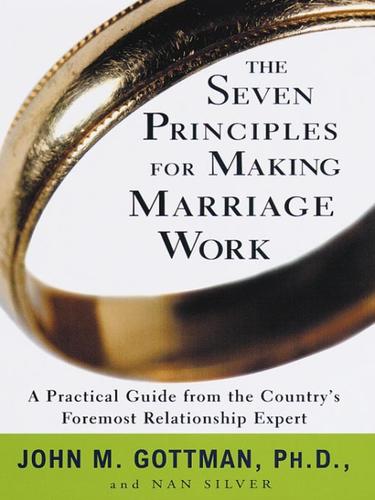
Gottman’s decades of research on couples led to seven principles, such as building love maps, nurturing fondness and turning toward each other. Exercises in each chapter make it a workbook as well as a read.
Best for: couples wanting practical steps.
2. Hold Me Tight by Sue Johnson
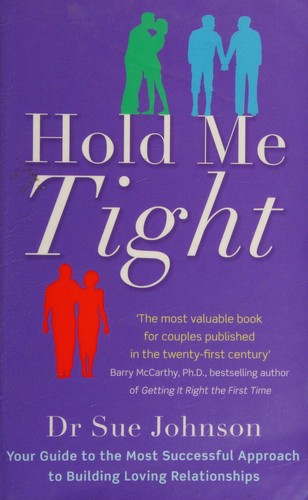
Johnson, creator of emotionally focused therapy, explains that arguments often reflect a need for closeness. She guides couples through seven conversations to rebuild safety and trust.
Best for: couples feeling disconnected.
3. The 5 Love Languages by Gary Chapman
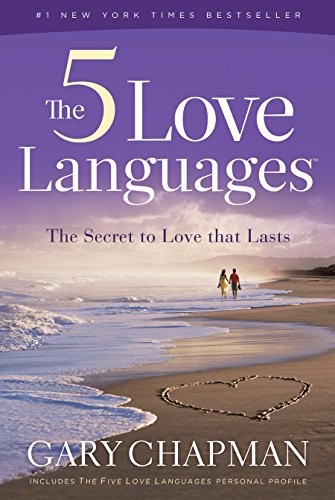
Chapman proposes five ways people give and receive love and helps couples learn each other’s language. Simple, memorable and popular, though research on the model is mixed.
Best for: couples who talk past each other.
4. Mating in Captivity by Esther Perel
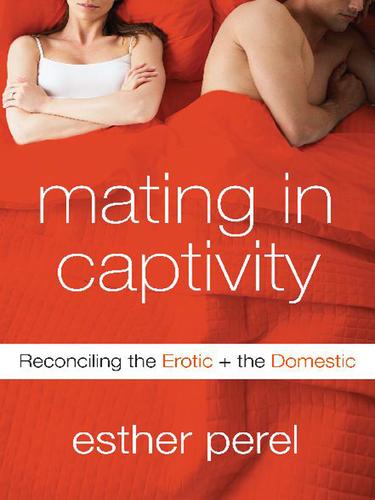
Perel explores why passion fades in committed relationships and how couples can rekindle it. Thoughtful and frank, it challenges conventional ideas about intimacy. Content note: frank discussion of sex.
Best for: long-term couples.
5. Getting the Love You Want by Harville Hendrix
Hendrix offers the Imago dialogue and exercises for couples to understand how childhood experiences shape their relationships. Practical, with a workbook companion.
Best for: couples who want structure.
6. Fighting for Your Marriage by Howard J. Markman, Scott M. Stanley and Susan L. Blumberg
Based on research from the PREP program, this book teaches communication and conflict skills such as the speaker-listener technique. Evidence-based and clear.
Best for: couples who argue.
7. Wired for Love by Stan Tatkin
Tatkin applies brain science and attachment theory to couples and explains how partners regulate each other. Includes tips for creating a secure partnership.
Best for: readers who like science.
8. Attached by Amir Levine and Rachel Heller
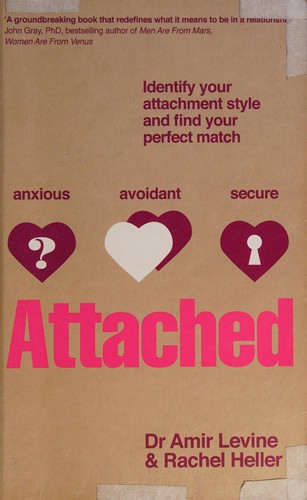
Introduces anxious, avoidant and secure attachment styles and how they play out in relationships. Written for dating and marriage, it explains why partners respond differently.
Best for: readers curious about patterns.
9. Eight Dates by John Gottman, Julie Schwartz Gottman and Doug Abrams
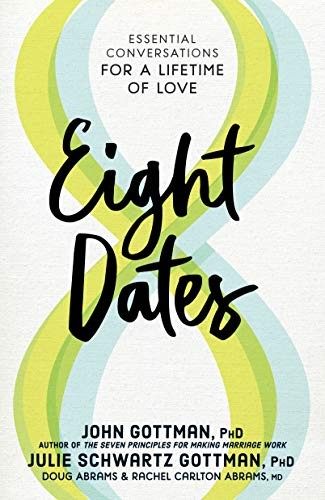
Eight structured date ideas cover topics like trust, sex, money and family. A fun way to talk about hard topics.
Best for: couples wanting new conversations.
10. The Good Marriage by Judith S. Wallerstein and Sandra Blakeslee
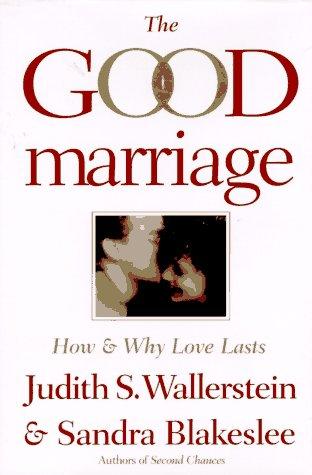
Based on interviews with fifty couples in lasting marriages, the book describes what makes them work. Rich in stories and insight.
Best for: readers wanting real-life examples.
11. How Not to Hate Your Husband After Kids by Jancee Dunn
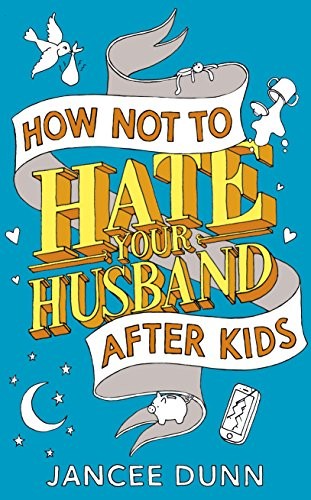
Dunn mixes humor with advice from experts on managing resentment, chores and communication after having children. Funny, relatable and practical.
Best for: new parents.
12. Come as You Are by Emily Nagoski
Nagoski explains the science of female sexuality and offers ways to understand desire. Helpful for couples who want to approach intimacy with curiosity. Content note: frank discussion of sex.
Best for: readers wanting science.
13. The Relationship Cure by John M. Gottman and Joan DeClaire
Gottman explains bids for connection and how small moments of attention build relationships. A short, accessible companion to his other work.
Best for: couples with busy lives.
14. Men Are from Mars, Women Are from Venus by John Gray
A bestselling book about gender differences in communication. Its generalizations are dated and criticized, but it remains a conversation starter.
Best for: readers who like pop psychology.
15. Love Sense by Sue Johnson
Johnson draws on research to argue that love is a deep bond, not a fleeting feeling. A readable overview with stories from her practice.
Best for: readers who like science and stories.
How to Choose the Right Book on Marriage
Start with your biggest need. If you want evidence-based tools for communication and conflict, choose John Gottman’s books. If you feel emotionally disconnected, Hold Me Tight and Wired for Love explain attachment and bonding. If desire has faded, Mating in Captivity and Come as You Are tackle intimacy with honesty and humor. If children have changed your marriage, try How Not to Hate Your Husband After Kids. Ideally, read the same book with your spouse and discuss one chapter a week. If your marriage is in serious distress, books work best alongside a licensed couples therapist.
What Research Says Makes Marriages Last
Across decades of studies, a few findings come up again and again. Couples who stay happy tend to respond to each other’s small bids for attention, such as a comment about the day or a shared joke, far more often than couples who drift apart. They handle conflict by starting gently, repairing quickly after a fight and avoiding contempt, which researchers consider one of the strongest predictors of divorce. They also keep up friendship, shared meaning and small rituals, from a morning coffee to a weekly walk. None of this requires grand gestures. The books in this list turn these findings into habits you can practice in ordinary weeks, which is where marriages are built or lost.
Which Book Should You Start With? A Quick Guide
If you are not sure where to begin, match your situation to the list below.
- Couples wanting practical steps: The Seven Principles for Making Marriage Work
- Couples feeling disconnected: Hold Me Tight
- Couples who talk past each other: The 5 Love Languages
- Long-term couples: Mating in Captivity
- Couples who want structure: Getting the Love You Want
- Couples who argue: Fighting for Your Marriage
- Readers who like science: Wired for Love
- Readers curious about patterns: Attached
- Couples wanting new conversations: Eight Dates
- Readers wanting real-life examples: The Good Marriage
- New parents: How Not to Hate Your Husband After Kids
- Readers wanting science: Come as You Are
- Couples with busy lives: The Relationship Cure
- Readers who like pop psychology: Men Are from Mars, Women Are from Venus
- Readers who like science and stories: Love Sense
A Simple Reading Plan
Treat this list as a menu, not an assignment. Start with The Seven Principles for Making Marriage Work, because it gives you a clear overview of marriage without demanding much from you. Read in short sessions and underline or note the passages that make you stop. After a week or two, move to Hold Me Tight for a different angle, then The 5 Love Languages when you want more depth. Spacing the books out gives the ideas time to settle, and applying one small idea per week is worth more than rushing through the whole shelf. Revisit your notes at the end of each month to see what has actually changed.
Print, E-Book or Audiobook?
Format matters more than people expect. If you tend to forget what you read, choose print or an e-book so you can underline and review. If your time is limited, audiobooks fit into the gaps of your day. For a topic like marriage, short chapters are an advantage, since you can finish one in a single sitting and think about it afterward. Libraries lend e-books and audiobooks free, and many offer print copies of new releases through holds. Try one format for a week and switch if it is not working.
How to Get More From What You Read
Reading about marriage only helps if something changes afterward, so build a small habit around it. Keep a notebook or a notes app, and after each chapter write one sentence about what stood out and one action you could take. Choose a single idea per week to test, such as a new routine, a conversation or a different way of thinking. Discuss what you are reading with a friend, a partner or an online group, since explaining an idea out loud makes it stick. Review your notes monthly and drop anything that did not help. The aim is progress you can notice, not a long reading list.
Reading on a Budget
Good books on marriage are easier to afford than most people think. Library cards open up print, e-book and audiobook borrowing, and interlibrary loan can find titles your branch does not own. Used copies cost a fraction of new ones, and many of the classics are inexpensive in paperback. Try a sample chapter online to see whether an author’s voice suits you before you commit. If you finish a book you love, consider passing it to a friend, which keeps the ideas moving and your shelf uncluttered.
Talk About What You Read
Ideas stick when you talk about them. Choose one book from this list and invite a friend, partner or colleague to read it with you, then meet for coffee to compare notes on marriage. Online communities and library groups also host discussions, and many of these books have free reading guides. If you prefer privacy, a journal works well: write a paragraph after each chapter on what you agree with, what you doubt and what you will try. Teaching an idea to someone else is one of the best ways to learn it, so explain what you read in your own words.
Common Mistakes to Avoid
A few pitfalls are worth avoiding. Do not buy a dozen books on marriage in one go; borrow one, finish it and then decide what to read next. Do not expect a single book to transform your life overnight, since the best ones work through small, repeated actions. Be cautious of any author who promises guaranteed results, and check an author’s credentials and sources. Finally, do not use reading as a way of avoiding action. If you notice yourself finishing book after book without changing anything, pick one idea and practice it this week.
How to Judge a Book on Marriage
Not every book on marriage is equally reliable. Before you trust one, check the author’s background: are they a researcher, clinician, journalist or someone writing from lived experience? Each can be valuable, but they offer different things. Look for notes and references at the back, which show the claims can be checked. Be wary of books that promise a quick fix, rely on a single story or dismiss all other views. Read a few reviews from people with different perspectives, and treat bold claims as hypotheses to test in your own life. A good book invites questions instead of demanding agreement.
When Reading Is Not Enough
Reading can illuminate and encourage, yet some situations need more than a book. If you notice that your struggles with marriage are getting worse, lasting a long time or affecting your health, reach out to a professional you trust. Local libraries, community centers and workplaces often offer free resources, classes or referrals. Sharing what you are reading with a friend can open the door to a supportive conversation. Use these books as companions on the journey, and let real people walk it with you.
Questions to Reflect On
Keep these in a notebook and return to them after each book:
- What do I most want to understand or change about {t}?
- Which idea from my reading feels true for me, and which do I doubt?
- What is one small action I can take this week?
- Who could I talk to about what I am learning?
- How will I know in a month that this reading helped?
Tips for Reading About Marriage
- Read together. Choose one book and discuss a chapter each week.
- Try one exercise at a time. Small changes accumulate.
- Schedule time. Put a regular date or check-in on the calendar.
- Be curious. Ask questions instead of assuming.
- Add professional help if needed. Couples therapy works well with these books.
Related: 15 Best Books on Anxiety and the Subtle Art of Not Giving a F*ck Summary and Key Takeaways.
Frequently Asked Questions
What is the best book for improving a marriage?
The Seven Principles for Making Marriage Work and Hold Me Tight are widely recommended for research-backed advice and emotional connection.
Should we read marriage books together?
Reading the same book and discussing it can help, but reading alone is fine too. Choose what feels comfortable.
Can books save a struggling marriage?
Books can help, but serious problems usually need professional support. Use books alongside counseling.
How many books on marriage should I read at once?
One or two at a time is plenty. Finish a book, try one idea from it and then move on, so what you read turns into something you do.
Are these books on marriage available as audiobooks?
Most of them are. Check your library’s app, such as Libby, or an audiobook service, and listen to a sample to see whether the narrator suits you.