
Disclosure: As an Amazon Associate, Bookish Wisdom earns from qualifying purchases. This doesn’t change our picks or your price.
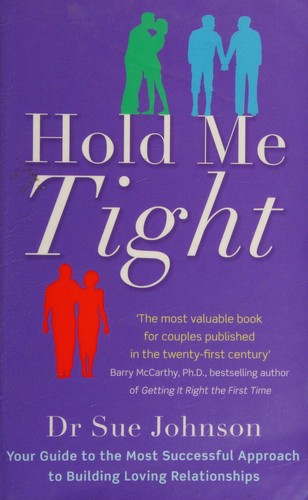
TL;DR: Hold Me Tight: Seven Conversations for a Lifetime of Love by Dr. Sue Johnson applies attachment science and emotionally focused therapy to adult relationships. Johnson argues that couples fight because of fear of losing connection, and she guides readers through seven conversations that replace destructive cycles with emotional closeness, trust and secure bonding.
Why do couples keep having the same argument about chores, money or time? According to psychologist Sue Johnson, the real issue is rarely the topic. It’s an alarm about safety and connection. In Hold Me Tight, published in 2008, Johnson explains how adults need emotional bonds as children do, and offers a path to restore closeness. She developed emotionally focused therapy, or EFT, with Les Greenberg, and her research has shown strong results for many couples. The book is accessible and full of examples and exercises. Here’s a summary of its main ideas.
Table of Contents
Hold Me Tight at a Glance
| Detail | Info |
|---|---|
| Author | Dr. Sue Johnson |
| Published | 2008 |
| Genre | Relationships, psychology |
| Core idea | Love is an attachment bond, and couples heal by sharing vulnerable feelings |
| Structure | Seven conversations with exercises |
| Best for | Couples who want to understand conflict and rebuild emotional connection |
What Is Hold Me Tight About?
Johnson draws on the work of John Bowlby, who showed that infants need a secure bond with caregivers. She says that adults also need a safe emotional haven, a person they can turn to for comfort. When that bond feels threatened, partners panic, and their reactions can push each other away.
The central question in a relationship, she says, is: Are you there for me? Are you accessible, responsive and engaged? When the answer feels like yes, couples feel secure, and when it feels like no, they fight, withdraw or shut down.
Key Ideas, Part by Part
Demon Dialogues: The Three Negative Cycles
Johnson describes three common patterns of conflict that she calls demon dialogues. Find the Bad Guy is a cycle of mutual blame. The Protest Polka occurs when one partner criticizes or demands, while the other defends or withdraws. Freeze and Flee is a pattern in which both partners withdraw and the relationship goes quiet.
She emphasizes that the cycle itself is the enemy, not either partner. Seeing the dance helps couples stop blaming each other and start working together against it.
Conversations One to Three: Recognizing and Reaching
The first conversation is about recognizing the demon dialogues. Partners learn to name the cycle when it begins. The second conversation focuses on finding the raw spots, the sensitive wounds from past experiences that make certain reactions stronger. The third is revisiting a rocky moment, where couples talk through a recent argument and share the feelings under the anger.
The point of these conversations is to shift from attacking to sharing vulnerability, by saying, for example, I felt scared you didn’t care, instead of you never listen.
Conversations Four to Six: Holding, Forgiving and Bonding
The fourth conversation, Hold Me Tight, is the core of the book. Partners practice asking for what they need and responding with care. Johnson says that these moments of emotional engagement create a secure bond. The fifth conversation is about forgiving injuries, where partners address hurts such as betrayal or neglect through acknowledgment, apology and repair.
The sixth conversation explores physical and sexual connection, which Johnson views as tied to emotional safety. She describes how secure bonding often leads to better intimacy, and how touch can be a form of reassurance.
Conversation Seven and Keeping Love Alive
The final conversation is about keeping your love alive. Johnson encourages rituals of connection, regular check-ins and a shared sense of purpose. She also discusses how couples can grow through stress, such as illness, parenting or loss, by turning toward each other.
Throughout, she cites research showing that couples who complete EFT often report lasting improvements, although results depend on many factors. She also notes that if there is abuse, safety comes first and professional guidance is needed.
6 Key Takeaways From Hold Me Tight
- Love is attachment. Adults need emotional safety with a partner.
- The cycle is the problem. Blame hides the real pattern.
- Share vulnerable feelings. Fear and hurt matter more than anger.
- Ask for closeness. Say what you need clearly and gently.
- Repair injuries. Acknowledge and apologize for hurts.
- Keep connecting. Rituals sustain bonds over time.
Ideas Worth Remembering
- Are you there for me? is the question underneath most fights. (paraphrased)
- Anger is often a protest against disconnection. (paraphrased)
- Vulnerability invites responsiveness. (paraphrased)
- You can feel safe again after a rupture. (paraphrased)
How to Apply Hold Me Tight in Real Life
- Name your cycle. Describe it together without blaming each other.
- Share the softer feeling. Say what you felt underneath the anger.
- Make a request. Ask for a specific kind of closeness.
- Respond with care. Listen and reflect before defending.
- Create a ritual. Plan a daily check-in or a weekly date.
Criticisms and Limits
Critics say that the book leans on a single model of relationships and may underplay factors such as differing values, finances, mental health and power imbalances. The language can sound idealized, and not every couple will find the conversations easy to do without help. Some of the cited success rates are based on studies of motivated couples in therapy, which may not apply to self-help use.
Even so, the attachment lens is widely respected and gives couples compassionate language for conflict. It works best as a guide to understanding, supported by professional help when needed.
Hold Me Tight in One Minute
Fights are usually about disconnection, not the topic. Learn to spot the demon dialogues, find your raw spots and share the softer feelings under anger. Practice asking for closeness and responding with care, repair injuries and keep rituals of connection. Seek professional help if there is abuse or if you are stuck.
A.R.E.: Accessible, Responsive, Engaged
Johnson uses this shorthand for emotional presence. Accessible means you are open and attentive, not distracted or defensive. Responsive means you respond to your partner’s needs and signals. Engaged means you show that they matter, by paying attention and giving emotional energy. In daily life, it can look like putting down your phone to listen or noticing that your partner has had a hard day.
Using the Book Without a Therapist
Many couples read the chapters together and try the exercises. Set aside a calm time, avoid doing it when tired or angry and agree on a pause signal. Take turns speaking and reflecting back what you heard. If the conversations bring up intense pain, trauma or fear, it’s wise to see a trained couples therapist, ideally one familiar with EFT, to guide the process.
Safety Note
The approach assumes that both partners are safe with each other. If there is physical, sexual or emotional abuse or controlling behavior, couples exercises can be risky. In the US, the National Domestic Violence Hotline is available at 1-800-799-7233, and many countries have similar services. Your safety comes before any therapy exercise.
Example of a Softer Start
Consider a couple who argue about a late dinner. The usual script is, you never help me, and the answer is, you are always nagging. In Johnson’s approach, one partner might say, when dinner is late I feel alone and unimportant, and I need to know you are thinking of me. The other may respond, I hear that you miss me, and I get overwhelmed and shut down. Moving from accusation to need changes the tone, making comfort possible instead of defensiveness.
Why Attachment Matters in Adult Life
Attachment theory suggests that secure connections give us a base from which to explore and handle stress. Adults who feel secure with a partner often cope better with work challenges, health problems and parenting. Johnson argues that wanting closeness isn’t weakness or neediness, but a basic human drive. Understanding this can reduce shame and help partners see each other’s protests and withdrawals as signals of fear, not attacks.
Who Should Read Hold Me Tight?
Read it if you and your partner keep repeating the same argument, feel distant or want to strengthen a good relationship. It suits readers who like psychology with real-life examples. If you want to understand your own attachment style first, read Attached.
What to Read Next
- Attached by Amir Levine and Rachel Heller the science of adult attachment styles
- The 5 Love Languages by Gary Chapman five ways people express and receive love
- Love Sense by Sue Johnson the revolutionary new science of romantic relationships
Related: Attached summary and key takeaways and The Let Them Theory summary and key takeaways.
Frequently Asked Questions
What is the main idea of Hold Me Tight?
That adult love is an attachment bond, and couples heal by sharing vulnerable feelings and responding with care.
What are the demon dialogues?
Three negative cycles: Find the Bad Guy, the Protest Polka and Freeze and Flee.
What is emotionally focused therapy?
A couples therapy developed by Sue Johnson and Les Greenberg that uses attachment science.
Can I do the exercises without a therapist?
Many couples do, but a trained therapist can help with deeper issues.
Is it only for couples in crisis?
No, it can also help happy couples deepen their bond.