

Disclosure: As an Amazon Associate, Bookish Wisdom earns from qualifying purchases. This doesn’t change our picks or your price.
Quick answer: These 12 books make strong February book club picks, from Their Eyes Were Watching God, The Color Purple, Beloved, The Vanishing Half, Homegoing and Between the World and Me to six more. Each has a short blurb, a reason it works for a group and a discussion prompt.
February is the shortest month, but it carries two big themes for book clubs: love, in all its forms, and Black History Month. The twelve books below honor both. You will find classic love stories, modern novels about family and romance, and essential works by Black authors that make for rich, serious conversation. Pick one for a cozy Valentine’s discussion or choose from the heavier titles for a more reflective month. Each entry includes why it works for a group and a question to start the conversation. Whatever your club chooses, these books reward careful reading and generous talk.
Table of Contents
Quick Picks at a Glance
| Book | Author | Genre | Best For |
|---|---|---|---|
| Their Eyes Were Watching God | Zora Neale Hurston | Classic | clubs who like Harlem Renaissance literature |
| The Color Purple | Alice Walker | Classic | clubs who want an intense, uplifting read |
| Beloved | Toni Morrison | Literary fiction | clubs who want a challenging read |
| The Vanishing Half | Brit Bennett | Fiction | clubs who like family sagas |
| Homegoing | Yaa Gyasi | Historical fiction | clubs who want a sweeping novel |
| Between the World and Me | Ta-Nehisi Coates | Nonfiction | clubs who want an essential nonfiction title |
| Such a Fun Age | Kiley Reid | Fiction | clubs who like contemporary novels |
| Pride and Prejudice | Jane Austen | Classic romance | clubs who like a love story |
| Normal People | Sally Rooney | Contemporary fiction | clubs who like literary romance |
| The Time Traveler’s Wife | Audrey Niffenegger | Romance fantasy | clubs who like speculative love stories |
| Like Water for Chocolate | Laura Esquivel | Magical realism | clubs who like food and passion |
| Love in the Time of Cholera | Gabriel García Márquez | Literary fiction | clubs who want a rich classic |
1. Their Eyes Were Watching God by Zora Neale Hurston
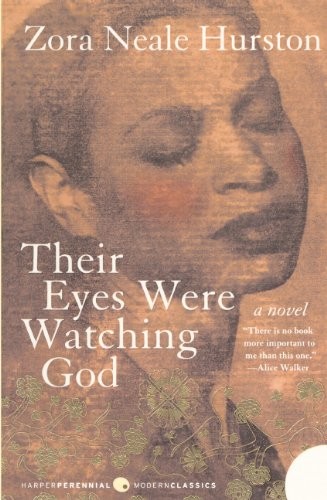
Janie Crawford’s search for love and selfhood in early twentieth-century Florida is told in rich dialect and lyrical prose. A cornerstone of American literature. Content note: domestic violence.
Best for: clubs who like Harlem Renaissance literature.
Talk about: What does Janie learn from each of her marriages?
2. The Color Purple by Alice Walker
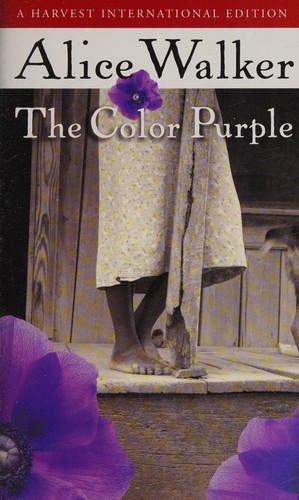
Celie, a poor Black girl in the South, writes letters to God and eventually finds her voice and love. A Pulitzer Prize winner about resilience and sisterhood. Content note: sexual and physical abuse.
Best for: clubs who want an intense, uplifting read.
Talk about: How do the letters shape Celie’s story?
3. Beloved by Toni Morrison
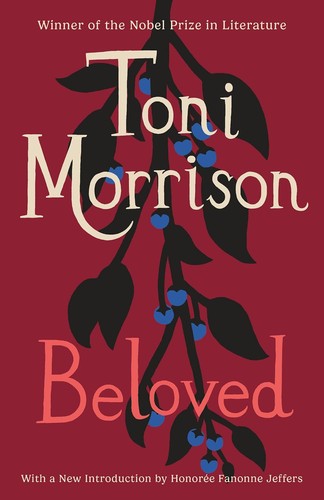
Sethe, a formerly enslaved woman, is haunted by the past in post-Civil War Ohio. A Pulitzer winner that confronts slavery’s legacy. Content note: slavery, violence and infanticide.
Best for: clubs who want a challenging read.
Talk about: How does the book treat memory and haunting?
4. The Vanishing Half by Brit Bennett
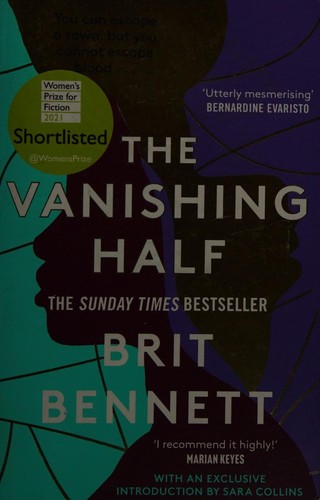
Twin sisters run away from a small Black community in Louisiana, and one passes as white. A novel about identity and family across generations.
Best for: clubs who like family sagas.
Talk about: How do the sisters’ choices shape their daughters?
5. Homegoing by Yaa Gyasi
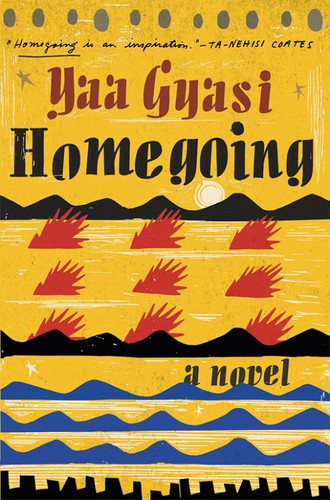
Two half-sisters in eighteenth-century Ghana take different paths, and their descendants live through slavery and its aftermath. Each chapter follows a new generation. Content note: slavery and violence.
Best for: clubs who want a sweeping novel.
Talk about: Which generation’s story moved you most?
6. Between the World and Me by Ta-Nehisi Coates
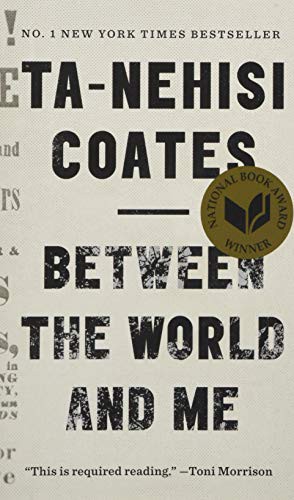
A letter from Coates to his teenage son about race in America. Powerful, poetic and a good spark for discussion.
Best for: clubs who want an essential nonfiction title.
Talk about: What did you take from the letter format?
7. Such a Fun Age by Kiley Reid
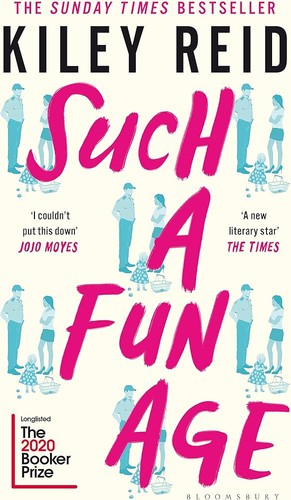
A young Black babysitter is accused of kidnapping the white child she cares for, and her employer tries to make things right. A sharp, funny novel about race and privilege.
Best for: clubs who like contemporary novels.
Talk about: Whose perspective did you trust most?
8. Pride and Prejudice by Jane Austen
Elizabeth Bennet and Mr. Darcy misjudge each other before finding love. Witty, sharp and ideal for Valentine’s season.
Best for: clubs who like a love story.
Talk about: Which prejudices does each character overcome?
9. Normal People by Sally Rooney
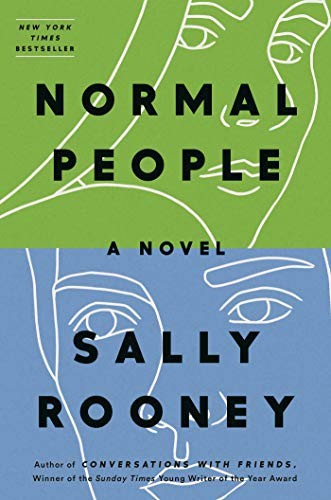
Marianne and Connell’s complicated relationship spans their school and university years in Ireland. A quiet, intense study of love and class. Content note: explicit scenes and depression.
Best for: clubs who like literary romance.
Talk about: Why do they keep returning to each other?
10. The Time Traveler’s Wife by Audrey Niffenegger
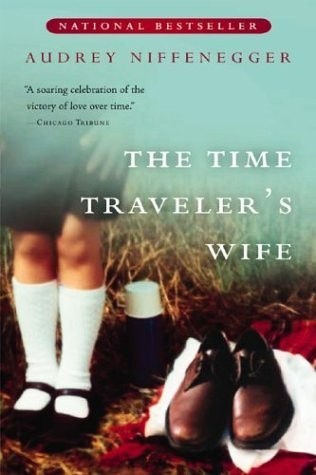
Henry, who time-travels involuntarily, and Clare, who has known him since childhood, build a life together. Emotional and inventive. Content note: some mature content.
Best for: clubs who like speculative love stories.
Talk about: How does time travel affect their idea of love?
11. Like Water for Chocolate by Laura Esquivel
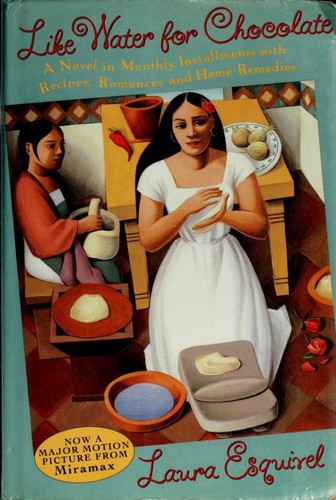
Tita, forbidden to marry, expresses her feelings through cooking in revolutionary Mexico. Sensual, magical and funny. Content note: some sexual content.
Best for: clubs who like food and passion.
Talk about: How does food carry emotion in the story?
12. Love in the Time of Cholera by Gabriel García Márquez

Florentino Ariza waits over fifty years for Fermina Daza. A sweeping meditation on love and aging. Content note: some mature content.
Best for: clubs who want a rich classic.
Talk about: Is Florentino’s devotion romantic or obsessive?
Why February Is a Good Month for a Theme
February invites both warmth and reflection. Valentine’s Day makes love a natural topic, and clubs often enjoy romance, friendship or family stories during the month. At the same time, Black History Month is an opportunity to read and discuss works by Black authors, which can be some of the most powerful and rewarding books a group will read. You might choose one of each and meet twice, or hold a single meeting on a book that is about love and history at once, such as Their Eyes Were Watching God. Because February is short, consider shorter books or begin reading early. Whichever you choose, make time for thoughtful conversation.
How to Choose Your February Pick
Choosing a book for your club is easier when you start with the group, not the book. Ask how many people usually come, how much time members have to read, and whether the group prefers fiction, nonfiction or a mix. A 300-page novel with short chapters suits a busy month, while a longer or denser title works better when members can start early. Rotate genres so no taste is ignored for long, and let a different member choose each month. Look at the date: a February pick has the advantage of a built-in theme, which gives the conversation a spark. Finally, check the library for copies and audiobooks before you commit, because access decides whether people actually finish.
Hosting Ideas for February
For a Valentine-themed meeting, serve chocolate, strawberries and a pink or red cocktail, mocktail or tea. Ask members to share the love story, in any sense, that moved them most. For a Black History Month discussion, create a table of books by Black authors that members can borrow, and play music from the Harlem Renaissance or jazz. Consider asking a local librarian or historian to share context. Keep the tone respectful, listen carefully and allow quiet moments after difficult scenes.
How to Run the Meeting
A good meeting has a simple shape. Start with ten minutes of casual chat and food, then ask each person for a quick, spoiler-free reaction in one sentence. Move into two or three open questions, not a quiz, and let the conversation wander. Reserve the last fifteen minutes for picking the next book and a date. Designate a gentle facilitator who keeps time and invites quieter members to speak. If your group meets online, ask people to keep cameras on and use the chat for side thoughts. End with a rating from one to five, which often sparks a lively comparison, and note the scores so you can see which genres your group enjoys most.
Eight Questions That Work for Almost Any Book
- What did you expect from the book before you started, and how did it compare?
- Which character did you understand best, and which frustrated you?
- Was there a moment you wanted to stop reading or one you read twice?
- How did the setting shape the story?
- What did the ending leave you thinking about?
- Did the book change your opinion about anything?
- Which line or scene would you quote to a friend?
- Would you recommend it, and to whom?
A Reading Pace Plan
Here is a simple pace for a February meeting held at the end of the month. In week one, borrow or buy the book and read the first fifth, enough to meet the characters or the argument. In week two, read another third and jot down two questions. In week three, finish the book and write a single sentence about how it made you feel. In week four, skim your notes and bring one passage you want to discuss. A 300-page book needs about 15 pages a day, or roughly 25 minutes for an average reader. If you prefer audiobooks, a 9-hour recording fits a daily walk or commute. Members who start late can read on a weekend, and the club can agree that it is fine to attend even if you have not finished.
Book Club Etiquette
Every book club runs better with a few shared habits. Agree on a spoiler policy, such as saving endings for the second half of the meeting. Give everyone a chance to speak before anyone speaks twice. Disagree with ideas, not people, and remember that a book someone loves may be one another hates. If a member did not finish, welcome them anyway; they can listen and join the next one. Rotate hosting and picking duties so that no one carries the work. If your group grows, split into two smaller ones instead of letting a conversation turn into a lecture. These simple norms create a friendly space where honest opinions can be shared.
Meeting Online
If your February club meets online, a few tweaks keep the conversation lively. Use a video platform with a reliable connection, start on time and keep the group small enough that everyone can speak, ideally under ten. Ask members to mute when not talking and to use hand-raise or chat to signal a comment. Share the discussion questions in the invitation so people can think ahead. Break into pairs for five minutes if the group is large, then return to share highlights. Plan a shorter meeting, around an hour, since screen fatigue sets in quickly. And leave a few minutes at the end for casual chat, which online meetings often miss.
Planning the Next Month
Ending a long meeting without a plan can leave the next month wide open. Before everyone leaves, vote on the next book from a short list of three, and agree on a date and location. Share the selection by email or group chat the same day, with links to the library hold list and the audiobook. Ask one member to bring a conversation starter next time. If your group struggles with attendance, try meeting at the same time each month so it becomes a habit. Keep notes on which books worked and which did not; after a year, you will have a record of your club’s taste and can plan with confidence.
Tips for a Great February Meeting
- Reflect and share. Allow time for personal stories.
- Choose with care. Several February picks deal with heavy history.
- Set the date early. Announce the pick at the end of the previous meeting so members have time to read.
- Offer formats. Remind members that library copies, e-books and audiobooks all count.
- Keep spoilers in check. Agree to talk about endings only after everyone has had a chance to share first impressions.
Related: 12 Best Book Club Picks for January and 15 Best Biographies of All Time.
Frequently Asked Questions
What are the best book club picks for February?
Strong February picks include Their Eyes Were Watching God, The Color Purple and Beloved. The list above gives twelve options with discussion prompts.
How long should a book club book be?
Most clubs do well with books between 250 and 400 pages. Choose shorter books for busy months and longer ones when members can start early.
Should a book club read fiction or nonfiction?
A mix works best. Rotate genres so every member gets a pick they enjoy, and use themed months like this one as a guide.