

Disclosure: As an Amazon Associate, Bookish Wisdom earns from qualifying purchases. This doesn’t change our picks or your price.
Quick answer: These 12 books make strong January book club picks, from Lessons in Chemistry, The Midnight Library, Eleanor Oliphant Is Completely Fine, A Man Called Ove, Atomic Habits and The Seven Husbands of Evelyn Hugo to six more. Each has a short blurb, a reason it works for a group and a discussion prompt.
January invites fresh starts, and a book club can set the tone for the year. The twelve books below balance warmth, humor and big ideas, with stories about reinvention, resilience and second chances. They run from page-turning fiction to practical nonfiction, so your group can choose what fits its mood. Each pick includes a short summary, a note on why it works for discussion and a question to start the conversation. Whether your club is resolution-minded or resolution-weary, there is something here to carry you through the cold weeks.
Table of Contents
Quick Picks at a Glance
| Book | Author | Genre | Best For |
|---|---|---|---|
| Lessons in Chemistry | Bonnie Garmus | Historical fiction | clubs who like humor and feminism |
| The Midnight Library | Matt Haig | Fiction | clubs who like big what-ifs |
| Eleanor Oliphant Is Completely Fine | Gail Honeyman | Contemporary fiction | clubs who like unusual narrators |
| A Man Called Ove | Fredrik Backman | Fiction | clubs who want warmth and humor |
| Atomic Habits | James Clear | Self-help | clubs who want a nonfiction pick |
| The Seven Husbands of Evelyn Hugo | Taylor Jenkins Reid | Historical fiction | clubs who like glamour and secrets |
| Remarkably Bright Creatures | Shelby Van Pelt | Fiction | clubs who like cozy mysteries |
| Tomorrow, and Tomorrow, and Tomorrow | Gabrielle Zevin | Fiction | clubs who like games and friendship |
| The House in the Cerulean Sea | TJ Klune | Fantasy | clubs who need comfort |
| Anxious People | Fredrik Backman | Fiction | clubs who like funny, tender stories |
| Educated | Tara Westover | Memoir | clubs who like memoir |
| Station Eleven | Emily St. John Mandel | Science fiction | clubs who like literary dystopia |
1. Lessons in Chemistry by Bonnie Garmus
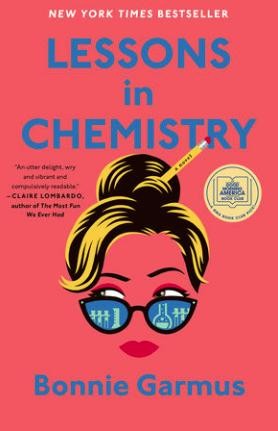
Elizabeth Zott, a brilliant chemist in 1960s America, becomes the host of a cooking show and teaches viewers more than recipes. Witty, sharp and surprisingly moving, it explores sexism in science and the power of a good meal.
Best for: clubs who like humor and feminism.
Talk about: How does Elizabeth’s refusal to conform change the people around her?
2. The Midnight Library by Matt Haig
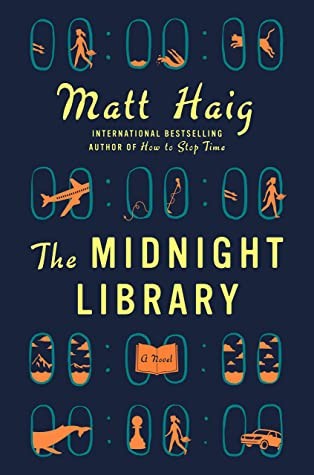
Nora Seed, feeling that her life has been a failure, enters a library where each book is a different version of her life. An uplifting, thought-provoking story about regret and choice. Content note: themes of suicidal feelings.
Best for: clubs who like big what-ifs.
Talk about: Which life would you choose to try, and why?
3. Eleanor Oliphant Is Completely Fine by Gail Honeyman
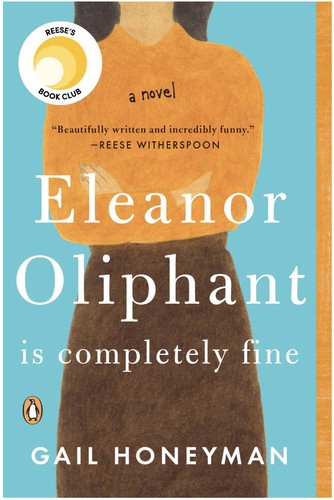
Eleanor lives a solitary, routine life until a small act of kindness begins to change it. Funny and heartbreaking, with a narrator whose voice you will not forget. Content note: themes of abuse and loneliness.
Best for: clubs who like unusual narrators.
Talk about: What does Eleanor’s story say about loneliness and kindness?
4. A Man Called Ove by Fredrik Backman
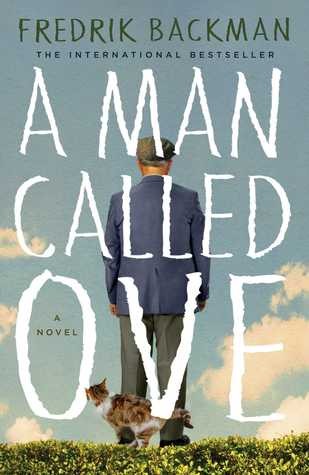
A grumpy widower’s attempts to keep to himself are disrupted by his new neighbors. A gentle novel about grief and connection that has delighted readers worldwide. Content note: grief and mentions of suicide.
Best for: clubs who want warmth and humor.
Talk about: How does Ove’s past explain his present?
5. Atomic Habits by James Clear
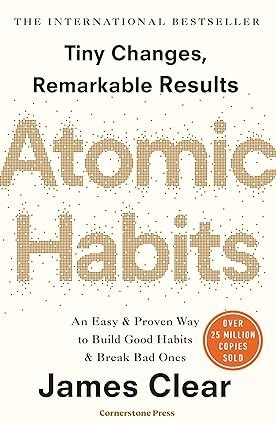
A practical guide to building good habits and breaking bad ones, with a clear four-step framework. Perfect for January and easy to discuss because everyone can share what they tried.
Best for: clubs who want a nonfiction pick.
Talk about: Which habit did you test, and what did you learn?
6. The Seven Husbands of Evelyn Hugo by Taylor Jenkins Reid
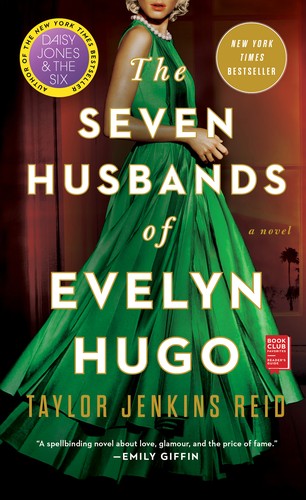
An aging Hollywood legend tells a young journalist the story of her life and seven marriages. Compelling, with a twist and plenty to say about ambition and love. Content note: some sexual content.
Best for: clubs who like glamour and secrets.
Talk about: Was Evelyn a hero, a villain or both?
7. Remarkably Bright Creatures by Shelby Van Pelt
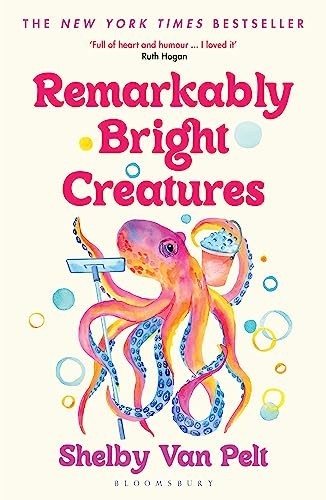
A widow working night shifts at an aquarium befriends a giant Pacific octopus who knows more than he lets on. Charming, funny and surprisingly emotional.
Best for: clubs who like cozy mysteries.
Talk about: What does the octopus see that the humans cannot?
8. Tomorrow, and Tomorrow, and Tomorrow by Gabrielle Zevin
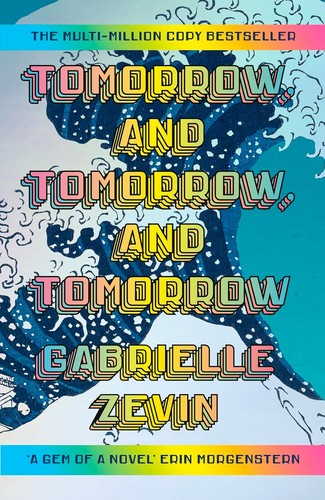
Two friends build a video game company across decades. A story about creativity, collaboration and the many forms of love. Content note: some mature themes.
Best for: clubs who like games and friendship.
Talk about: How does the book portray the line between friendship and love?
9. The House in the Cerulean Sea by TJ Klune
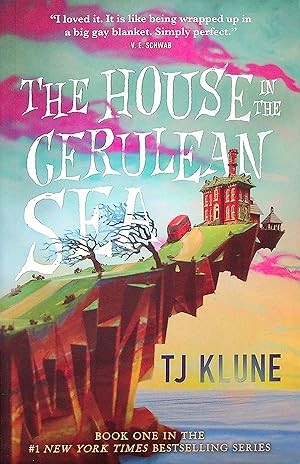
A by-the-book caseworker visits an orphanage for magical children and finds a home he never expected. Whimsical and heartwarming, with themes of acceptance.
Best for: clubs who need comfort.
Talk about: What does Linus learn about prejudice and family?
10. Anxious People by Fredrik Backman
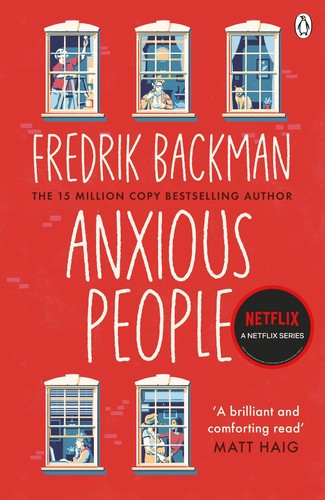
A failed bank robber takes a group of strangers hostage at an apartment viewing. A story about the flaws and hopes of ordinary people. Content note: mentions of suicide.
Best for: clubs who like funny, tender stories.
Talk about: Which character’s story surprised you most?
11. Educated by Tara Westover
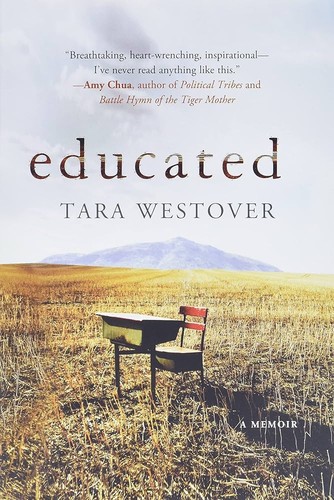
Westover grows up in a survivalist family in Idaho and teaches herself enough to reach Cambridge. A powerful book about education and family loyalty. Content note: abuse and violence.
Best for: clubs who like memoir.
Talk about: What does the book say about the cost of change?
12. Station Eleven by Emily St. John Mandel
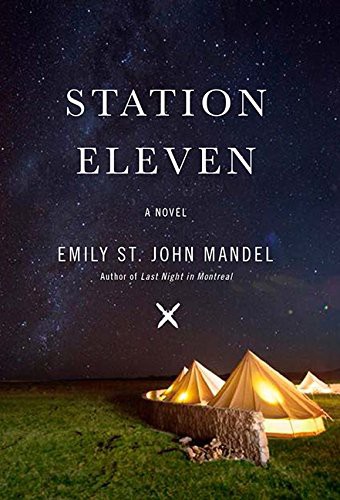
After a pandemic ends civilization, a traveling theater troupe performs Shakespeare. Beautiful and hopeful, it asks what is worth saving.
Best for: clubs who like literary dystopia.
Talk about: What do the characters carry with them, and why?
Why January Is a Good Month for a Theme
Many book clubs begin the year with a theme. January is a natural time for stories of change: people who start over, rewrite their lives or discover a new purpose. Reading about fresh starts can feel motivating without being preachy, and discussing them can help members share their hopes for the year. Others use January for comfort reads, since the holidays have ended and the weather is cold. A mix of both works well. Choosing a book early also gets the club off to a strong start, with high attendance because calendars are not yet full. If members have set reading goals, consider a short challenge, such as everyone reading one book outside their usual genre by March.
How to Choose Your January Pick
Choosing a book for your club is easier when you start with the group, not the book. Ask how many people usually come, how much time members have to read, and whether the group prefers fiction, nonfiction or a mix. A 300-page novel with short chapters suits a busy month, while a longer or denser title works better when members can start early. Rotate genres so no taste is ignored for long, and let a different member choose each month. Look at the date: a January pick has the advantage of a built-in theme, which gives the conversation a spark. Finally, check the library for copies and audiobooks before you commit, because access decides whether people actually finish.
Hosting Ideas for January
Create a fresh-start theme with simple touches. Ask each member to bring a resolution written on an index card to share or keep private. Serve hearty winter comfort food such as soup and bread, or a hot chocolate bar. Set out a calendar for the year and pick the next several books together. A vision-board table with magazines and scissors can be a fun activity before or after the discussion. If your group prefers a quieter evening, simply light candles, make tea and enjoy the conversation.
How to Run the Meeting
A good meeting has a simple shape. Start with ten minutes of casual chat and food, then ask each person for a quick, spoiler-free reaction in one sentence. Move into two or three open questions, not a quiz, and let the conversation wander. Reserve the last fifteen minutes for picking the next book and a date. Designate a gentle facilitator who keeps time and invites quieter members to speak. If your group meets online, ask people to keep cameras on and use the chat for side thoughts. End with a rating from one to five, which often sparks a lively comparison, and note the scores so you can see which genres your group enjoys most.
Eight Questions That Work for Almost Any Book
- What did you expect from the book before you started, and how did it compare?
- Which character did you understand best, and which frustrated you?
- Was there a moment you wanted to stop reading or one you read twice?
- How did the setting shape the story?
- What did the ending leave you thinking about?
- Did the book change your opinion about anything?
- Which line or scene would you quote to a friend?
- Would you recommend it, and to whom?
A Reading Pace Plan
Here is a simple pace for a January meeting held at the end of the month. In week one, borrow or buy the book and read the first fifth, enough to meet the characters or the argument. In week two, read another third and jot down two questions. In week three, finish the book and write a single sentence about how it made you feel. In week four, skim your notes and bring one passage you want to discuss. A 300-page book needs about 15 pages a day, or roughly 25 minutes for an average reader. If you prefer audiobooks, a 9-hour recording fits a daily walk or commute. Members who start late can read on a weekend, and the club can agree that it is fine to attend even if you have not finished.
Book Club Etiquette
Every book club runs better with a few shared habits. Agree on a spoiler policy, such as saving endings for the second half of the meeting. Give everyone a chance to speak before anyone speaks twice. Disagree with ideas, not people, and remember that a book someone loves may be one another hates. If a member did not finish, welcome them anyway; they can listen and join the next one. Rotate hosting and picking duties so that no one carries the work. If your group grows, split into two smaller ones instead of letting a conversation turn into a lecture. These simple norms create a friendly space where honest opinions can be shared.
Meeting Online
If your January club meets online, a few tweaks keep the conversation lively. Use a video platform with a reliable connection, start on time and keep the group small enough that everyone can speak, ideally under ten. Ask members to mute when not talking and to use hand-raise or chat to signal a comment. Share the discussion questions in the invitation so people can think ahead. Break into pairs for five minutes if the group is large, then return to share highlights. Plan a shorter meeting, around an hour, since screen fatigue sets in quickly. And leave a few minutes at the end for casual chat, which online meetings often miss.
Planning the Next Month
Ending a long meeting without a plan can leave the next month wide open. Before everyone leaves, vote on the next book from a short list of three, and agree on a date and location. Share the selection by email or group chat the same day, with links to the library hold list and the audiobook. Ask one member to bring a conversation starter next time. If your group struggles with attendance, try meeting at the same time each month so it becomes a habit. Keep notes on which books worked and which did not; after a year, you will have a record of your club’s taste and can plan with confidence.
Tips for a Great January Meeting
- What does a fresh start mean to you? Share one goal as a group.
- Choose short. January schedules are busy; a book under 350 pages helps.
- Set the date early. Announce the pick at the end of the previous meeting so members have time to read.
- Offer formats. Remind members that library copies, e-books and audiobooks all count.
- Keep spoilers in check. Agree to talk about endings only after everyone has had a chance to share first impressions.
Related: 15 Best Biographies of All Time and 15 Best Fantasy Books for Beginners.
Frequently Asked Questions
What are the best book club picks for January?
Strong January picks include Lessons in Chemistry, The Midnight Library and Eleanor Oliphant Is Completely Fine. The list above gives twelve options with discussion prompts.
How long should a book club book be?
Most clubs do well with books between 250 and 400 pages. Choose shorter books for busy months and longer ones when members can start early.
Should a book club read fiction or nonfiction?
A mix works best. Rotate genres so every member gets a pick they enjoy, and use themed months like this one as a guide.