
Disclosure: As an Amazon Associate, Bookish Wisdom earns from qualifying purchases. This doesn't change our picks or your price.
Quick answer: The best books for forensic science students include Criminalistics: An Introduction to Forensic Science by Richard Saferstein, Forensic Science: An Introduction to Scientific and Investigative Techniques by Stuart H. James, Jon J. Nordby and Suzanne Bell and Forensic DNA Typing by John M. Butler, plus twelve more strong picks. Each one below has a short description and who it suits best, with a quick table to compare them.
Forensic science students need strong textbooks plus real case stories that show how evidence solves crimes. These picks include core texts, memoirs by pathologists and anthropologists, and popular science about poisons, DNA and the history of forensics.
Table of Contents
Quick Picks at a Glance
| Book | Author | Best for |
|---|---|---|
| Criminalistics: An Introduction to Forensic Science | Richard Saferstein | core textbooks |
| Forensic Science: An Introduction to Scientific and Investigative Techniques | Stuart H. James, Jon J. Nordby and Suzanne Bell | broad coverage |
| Forensic DNA Typing | John M. Butler | DNA analysis |
| Practical Homicide Investigation | Vernon J. Geberth | crime scenes |
| The Poisoner's Handbook | Deborah Blum | toxicology history |
| Death's Acre | Bill Bass and Jon Jefferson | forensic anthropology |
| Written in Bone | Sue Black | skeletons |
| All That Remains | Sue Black | a career in death |
| Unnatural Causes | Richard Shepherd | pathology |
| Working Stiff | Judy Melinek and T.J. Mitchell | medical examiners |
| Stiff | Mary Roach | popular science |
| Forensics | Val McDermid | overview |
| Dead Men Do Tell Tales | William R. Maples and Michael Browning | historic cases |
| The Killer of Little Shepherds | Douglas Starr | history |
| Mindhunter | John E. Douglas and Mark Olshaker | profiling |
1. Criminalistics: An Introduction to Forensic Science by Richard Saferstein
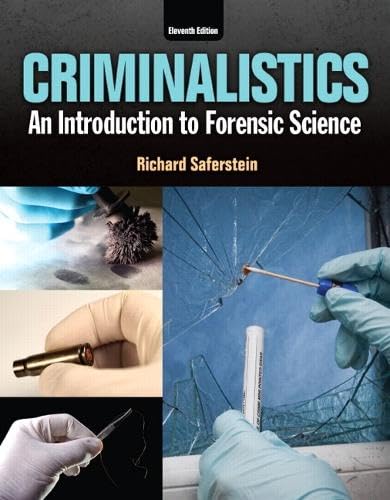
The standard introduction to evidence collection, analysis and the crime lab.
2. Forensic Science: An Introduction to Scientific and Investigative Techniques by Stuart H. James, Jon J. Nordby and Suzanne Bell
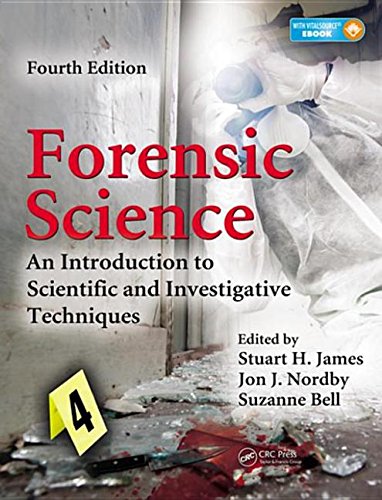
Chapters by experts across forensic disciplines.
3. Forensic DNA Typing by John M. Butler
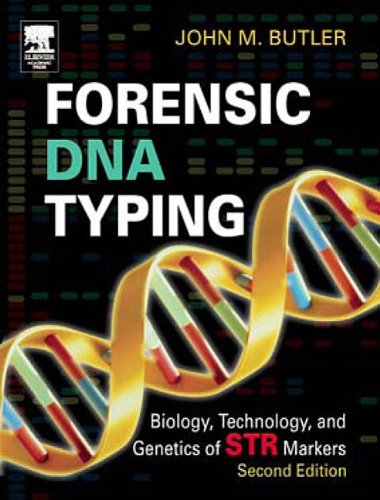
A detailed guide to DNA methods used in casework.
4. Practical Homicide Investigation by Vernon J. Geberth
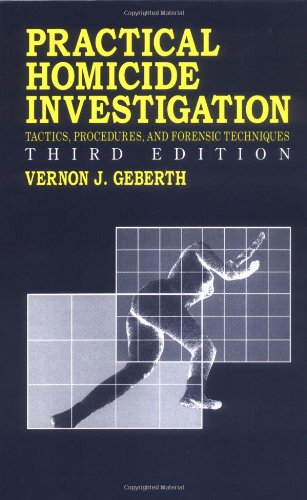
The classic manual for homicide investigators.
5. The Poisoner's Handbook by Deborah Blum
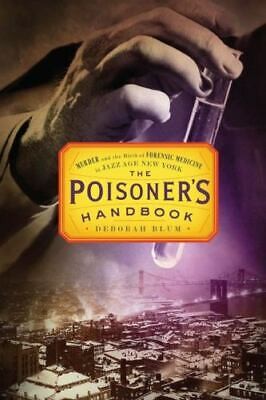
How New York's first medical examiners fought poisoners in the 1920s.
6. Death's Acre by Bill Bass and Jon Jefferson
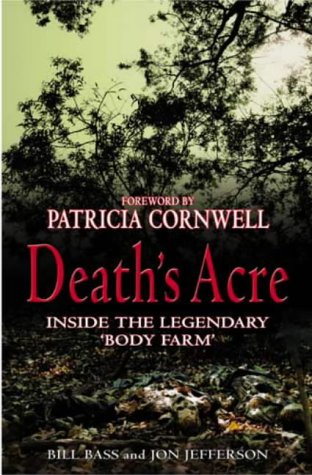
The founder of the Body Farm tells its story.
7. Written in Bone by Sue Black
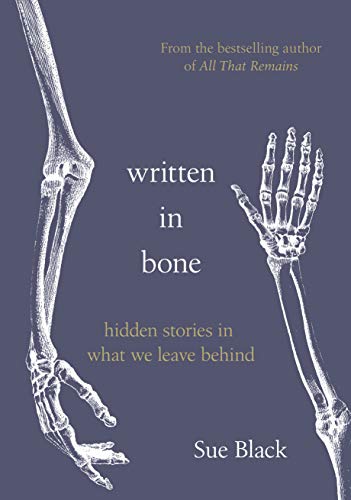
What bones reveal about our lives.
8. All That Remains by Sue Black
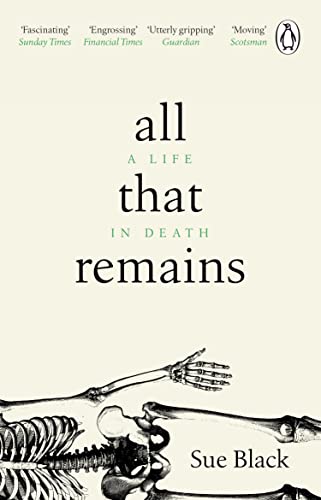
A forensic anthropologist's memoir.
9. Unnatural Causes by Richard Shepherd
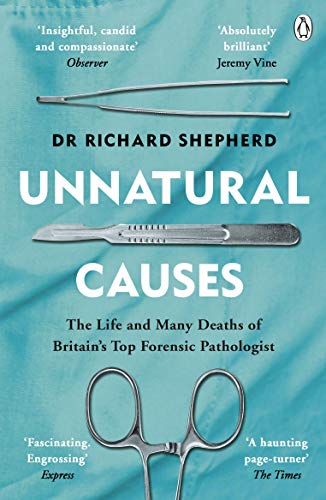
A British forensic pathologist's famous cases.
10. Working Stiff by Judy Melinek and T.J. Mitchell
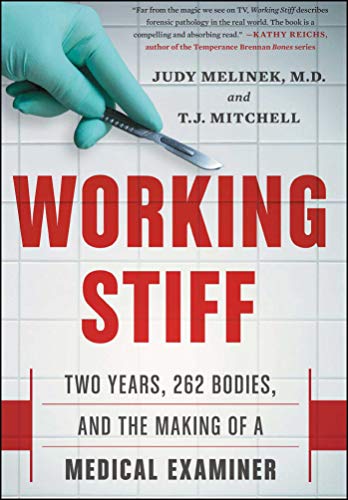
Two years as a New York medical examiner.
11. Stiff by Mary Roach
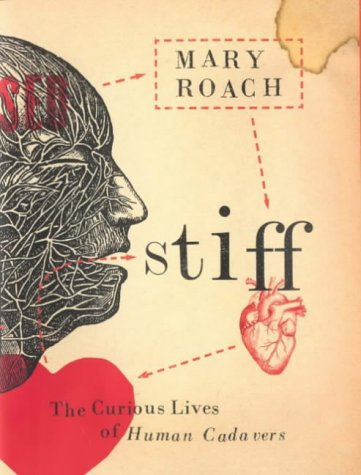
The curious lives of human cadavers.
12. Forensics by Val McDermid
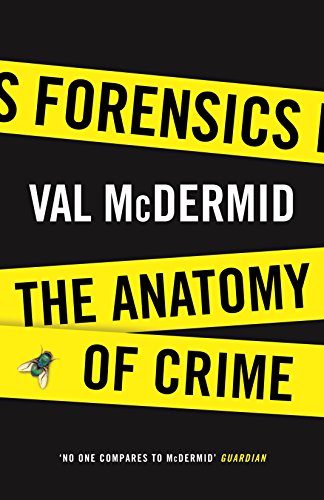
The anatomy of crime, from fire scenes to DNA.
13. Dead Men Do Tell Tales by William R. Maples and Michael Browning
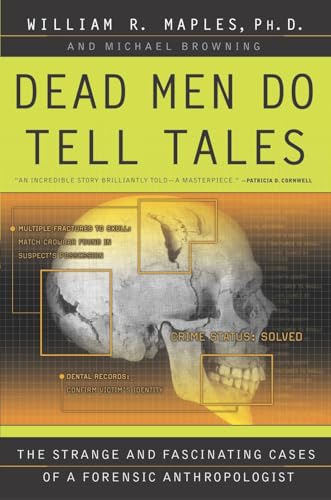
A forensic anthropologist's famous investigations.
14. The Killer of Little Shepherds by Douglas Starr
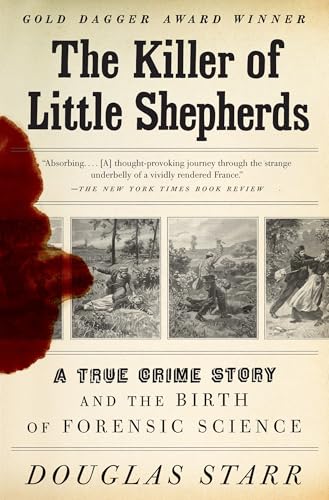
The birth of forensic science in France.
15. Mindhunter by John E. Douglas and Mark Olshaker
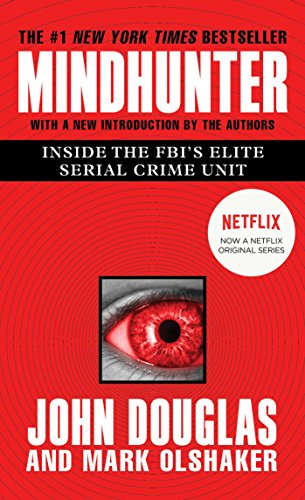
The FBI's criminal profiling unit.
How to Choose
For coursework, start with Criminalistics and Forensic Science: An Introduction. For inspiration, Death's Acre and Working Stiff show what the job is really like.
How We Chose These Books
Every pick is a real, widely available book with strong reviews from readers, teachers or librarians. We mixed well-known favourites with a few less obvious titles and noted who each one suits best. Check the description and the table before you buy, and borrow a copy from the library first if you are unsure.
Tips for Getting the Most From These Books
- Start with one. Pick the title that matches your goal today, not the longest one on the list.
- Sample first. Read the opening chapter in a library copy or ebook preview before you buy.
- Try audio. Many of these work well as audiobooks on a commute or walk.
- Mix formats. Try an audiobook or ebook version of one pick to see which format clicks.
- Keep a list. Jot down the titles you finish so you can look for more by the same authors.
Frequently Asked Questions
Which book should I start with?
Criminalistics: An Introduction to Forensic Science by Richard Saferstein is a strong first pick, and every book on this list is worth a look.
Where can I find these books?
Most of these titles are easy to find at public libraries and bookshops, and many are also available as ebooks or audiobooks.
Related: 15 Best Books on Sleep Science · 15 Best Science Books for Early Readers (Ages 5–7)