
Disclosure: As an Amazon Associate, Bookish Wisdom earns from qualifying purchases. This doesn't change our picks or your price.
Quick answer: The best books on how to control your mind include Thinking, Fast and Slow by Daniel Kahneman, Feeling Good by David D. Burns and Mindset by Carol S. Dweck, plus twelve more strong picks. Each one below has a short description and who it suits best, with a quick table to compare them.
Learning to control your mind means managing thoughts, emotions, focus and habits instead of being pushed around by them. These books draw on psychology and neuroscience to help you think more clearly, handle stress and build self-control. No book can make you calm overnight, but each of these teaches skills you can practise. Pick one, try one technique for a week and notice what changes. Many readers combine a mindset book with a practical workbook for the best results.
Each book below has a short description and a note on who it suits best. Use the quick table to compare the picks at a glance, then read the full entries for the titles that catch your eye.
Table of Contents
Quick Picks at a Glance
| Book | Author | Best for |
|---|---|---|
| Thinking, Fast and Slow | Daniel Kahneman | how the mind works |
| Feeling Good | David D. Burns | negative thoughts |
| Mindset | Carol S. Dweck | growth |
| The Chimp Paradox | Steve Peters | emotional control |
| Chatter | Ethan Kross | inner voice |
| Atomic Habits | James Clear | habits |
| The Willpower Instinct | Kelly McGonigal | self-control |
| Emotional Intelligence | Daniel Goleman | emotions |
| Deep Work | Cal Newport | focus |
| The Inner Game of Tennis | W. Timothy Gallwey | performance |
| Can't Hurt Me | David Goggins | mental toughness |
| Rewire Your Anxious Brain | Catherine M. Pittman and Elizabeth M. Karle | anxiety |
| Unwinding Anxiety | Judson Brewer | habit loops |
| The Courage to Be Disliked | Ichiro Kishimi and Fumitake Koga | Adlerian psychology |
| Think Again | Adam Grant | open thinking |
1. Thinking, Fast and Slow by Daniel Kahneman
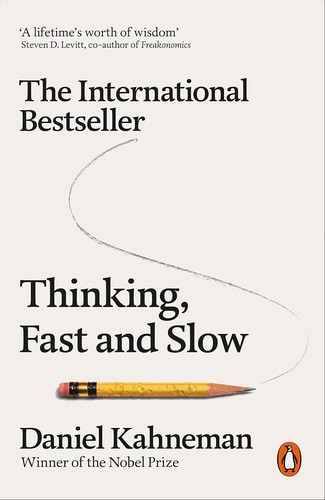
A Nobel winner explains the fast and slow systems behind every decision.
2. Feeling Good by David D. Burns
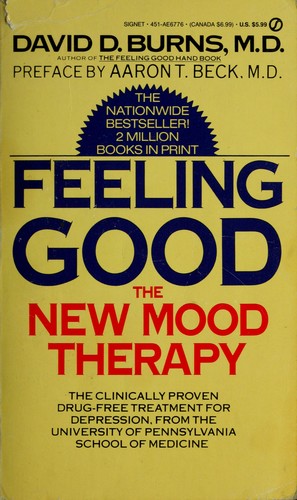
A psychiatrist's classic guide to cognitive behavioural therapy.
3. Mindset by Carol S. Dweck
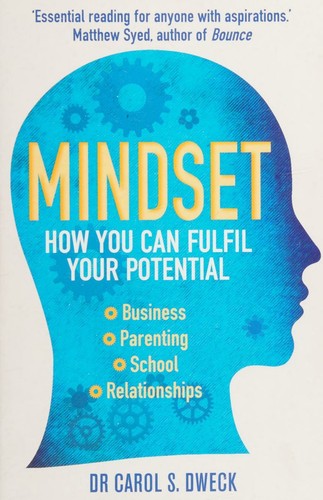
How beliefs about ability shape success.
4. The Chimp Paradox by Steve Peters
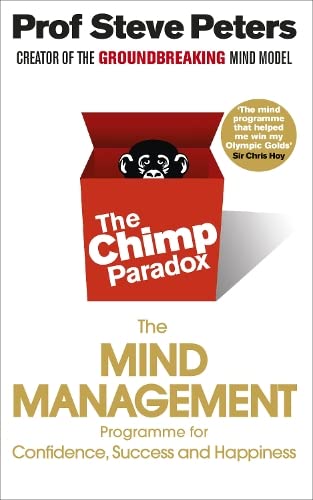
A psychiatrist's model for managing your emotional brain.
5. Chatter by Ethan Kross
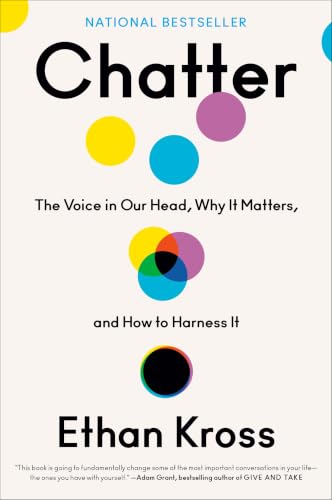
How to harness the voice in your head.
6. Atomic Habits by James Clear
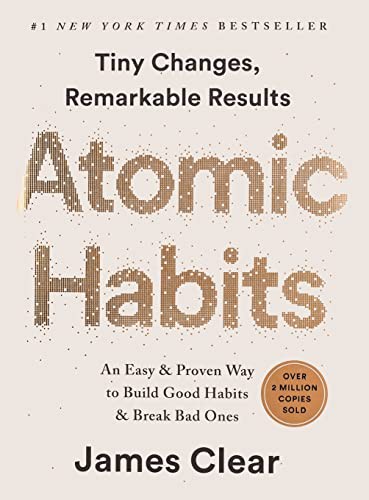
Systems that make good habits automatic.
7. The Willpower Instinct by Kelly McGonigal
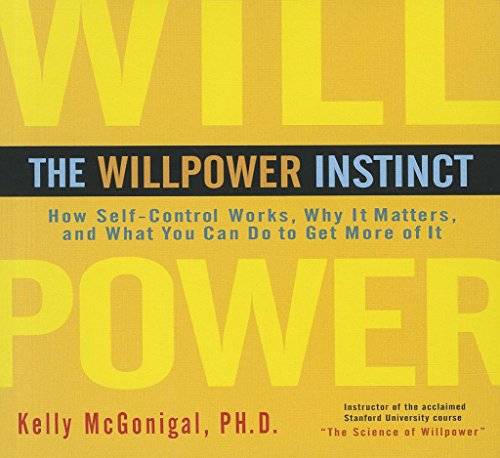
The science of willpower.
8. Emotional Intelligence by Daniel Goleman
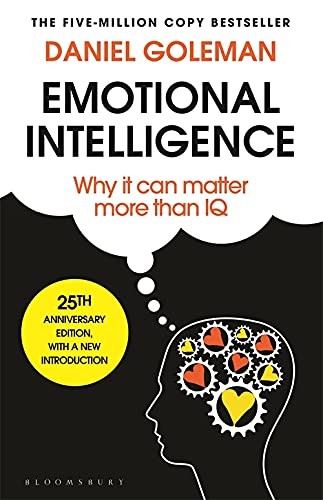
Why emotional skills matter.
9. Deep Work by Cal Newport
Training your attention.
10. The Inner Game of Tennis by W. Timothy Gallwey

Quieting the critical mind.
11. Can't Hurt Me by David Goggins
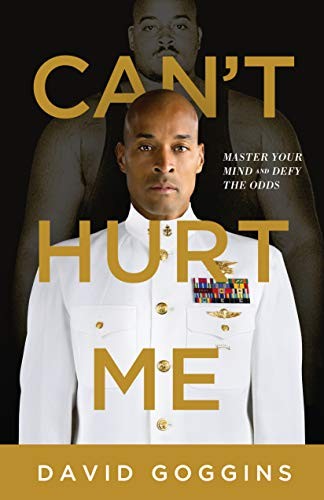
Pushing past limits.
12. Rewire Your Anxious Brain by Catherine M. Pittman and Elizabeth M. Karle
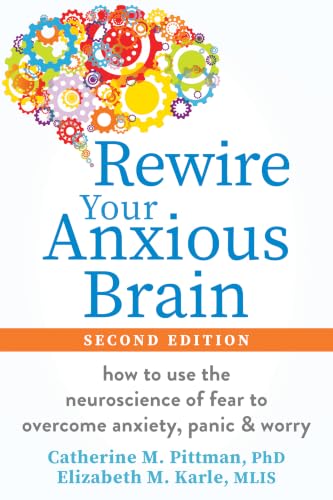
How the brain creates anxiety.
13. Unwinding Anxiety by Judson Brewer
Breaking the worry habit.
14. The Courage to Be Disliked by Ichiro Kishimi and Fumitake Koga
A dialogue about freedom and happiness.
15. Think Again by Adam Grant
The power of rethinking.
How to Choose
For practical techniques, start with Feeling Good or The Chimp Paradox. If focus is your problem, Deep Work and Atomic Habits are the most useful.
How We Chose These Books
Every pick is a real, widely available book with strong reviews from readers, teachers or librarians. We mixed well-known favourites with a few less obvious titles and noted who each one suits best. Check the description and the table before you buy, and borrow a copy from the library first if you are unsure.
Tips for Getting the Most From These Books
- Start with one. Pick the title that matches your goal today, not the longest one on the list.
- Sample first. Read the opening chapter in a library copy or ebook preview before you buy.
- Try audio. Many of these work well as audiobooks on a commute or walk.
- Mix formats. Try an audiobook or ebook version of one pick to see which format clicks.
- Keep a list. Jot down the titles you finish so you can look for more by the same authors.
Frequently Asked Questions
Which book should I start with?
Thinking, Fast and Slow by Daniel Kahneman is a strong first pick, and every book on this list is worth a look.
Where can I find these books?
Most of these titles are easy to find at public libraries and bookshops, and many are also available as ebooks or audiobooks.
Related: Thinking, Fast and Slow by Daniel Kahneman: Summary and Key Takeaways · Mindset by Carol Dweck: Summary and Key Takeaways