
Disclosure: As an Amazon Associate, Bookish Wisdom earns from qualifying purchases. This doesn't change our picks or your price.
Quick answer: The best books for psychology students beginners include Thinking, Fast and Slow by Daniel Kahneman, Psychology by David G. Myers and C. Nathan DeWall and Opening Skinner's Box by Lauren Slater, plus twelve more strong picks. Each one below has a short description and who it suits best, with a quick table to compare them.
Psychology students need a solid foundation in research, theory and real human behaviour. These beginner books include classic introductions, landmark studies and readable books that make psychology come alive outside the textbook. These books are a good mix of required-reading classics and popular science that professors often recommend for pleasure. Reading a few before or alongside your first courses makes lectures easier to follow and exam answers richer.
Each book below has a short description and a note on who it suits best. Use the quick table to compare the picks at a glance, then read the full entries for the titles that catch your eye.
Table of Contents
Quick Picks at a Glance
| Book | Author | Best for |
|---|---|---|
| Thinking, Fast and Slow | Daniel Kahneman | cognitive psychology |
| Psychology | David G. Myers and C. Nathan DeWall | introductory textbooks |
| Opening Skinner's Box | Lauren Slater | famous experiments |
| The Man Who Mistook His Wife for a Hat | Oliver Sacks | neurology |
| Influence | Robert B. Cialdini | social psychology |
| Quiet | Susan Cain | personality |
| Mindset | Carol S. Dweck | motivation |
| The Body Keeps the Score | Bessel van der Kolk | trauma |
| Obedience to Authority | Stanley Milgram | classic studies |
| Flow | Mihaly Csikszentmihalyi | positive psychology |
| Behave | Robert M. Sapolsky | biology of behaviour |
| Predictably Irrational | Dan Ariely | behavioural economics |
| The Psychopath Test | Jon Ronson | mental health |
| Maybe You Should Talk to Someone | Lori Gottlieb | clinical practice |
| Stumbling on Happiness | Daniel Gilbert | happiness |
1. Thinking, Fast and Slow by Daniel Kahneman
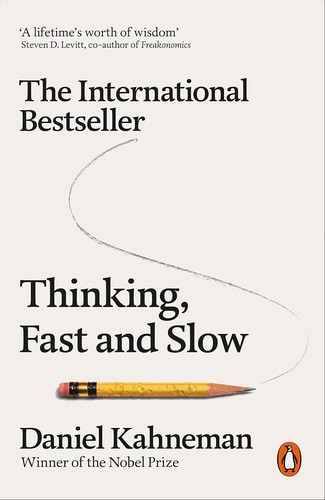
A Nobel winner's tour of biases, heuristics and decision-making.
2. Psychology by David G. Myers and C. Nathan DeWall
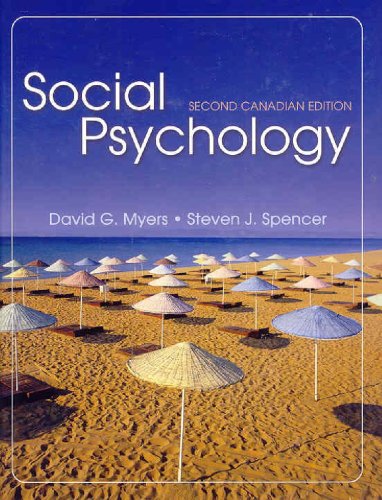
A widely used, readable intro textbook.
3. Opening Skinner's Box by Lauren Slater
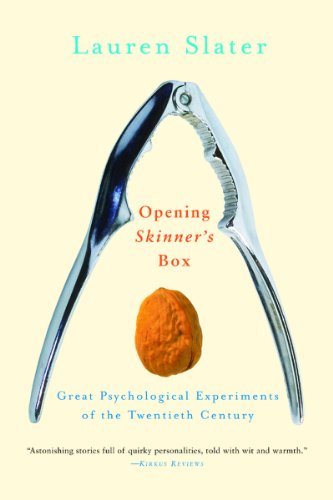
Ten great psychology experiments of the twentieth century.
4. The Man Who Mistook His Wife for a Hat by Oliver Sacks
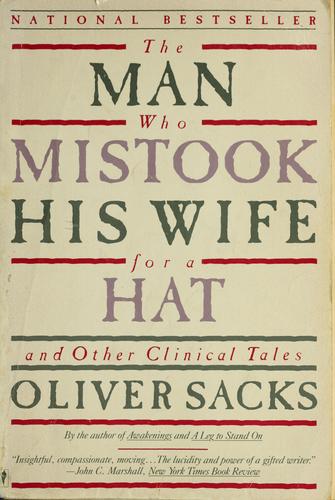
Remarkable case studies of the brain.
5. Influence by Robert B. Cialdini
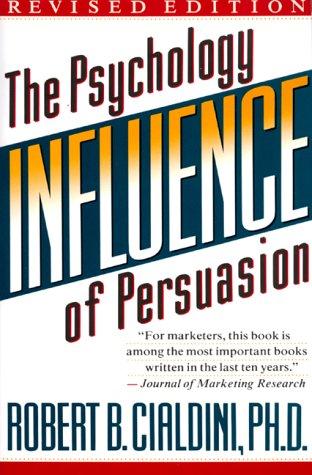
The six principles of persuasion.
6. Quiet by Susan Cain
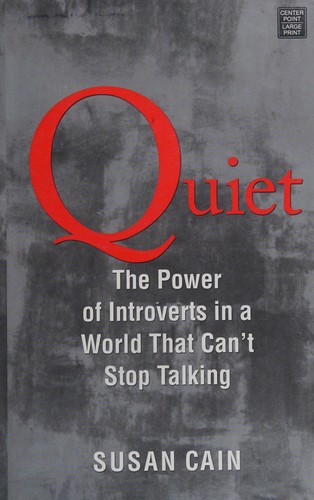
The power of introverts.
7. Mindset by Carol S. Dweck
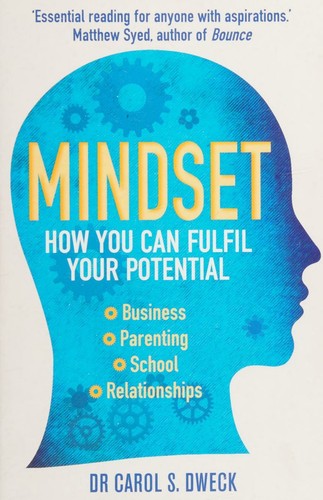
Fixed versus growth mindsets.
8. The Body Keeps the Score by Bessel van der Kolk
How trauma affects the body.
9. Obedience to Authority by Stanley Milgram
Milgram's famous obedience experiments.
10. Flow by Mihaly Csikszentmihalyi
The psychology of optimal experience.
11. Behave by Robert M. Sapolsky
Why we do what we do.
12. Predictably Irrational by Dan Ariely
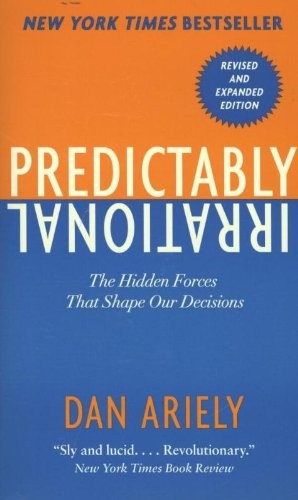
Hidden forces behind decisions.
13. The Psychopath Test by Jon Ronson
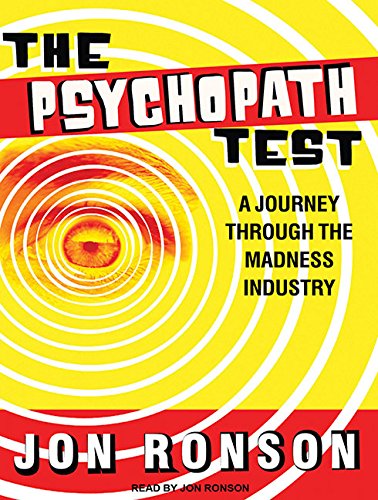
A journey through the madness industry.
14. Maybe You Should Talk to Someone by Lori Gottlieb
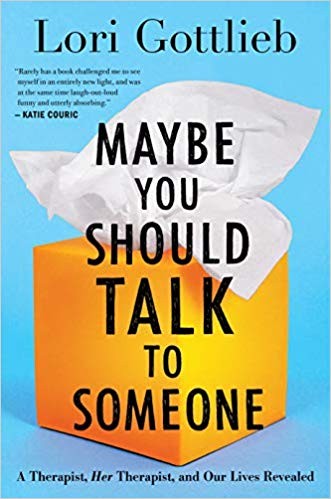
A therapist's view from both chairs.
15. Stumbling on Happiness by Daniel Gilbert
Why we misjudge what makes us happy.
How to Choose
Start with Opening Skinner's Box for famous studies, then Thinking, Fast and Slow. If you are considering clinical work, Maybe You Should Talk to Someone is eye-opening.
How We Chose These Books
Every pick is a real, widely available book with strong reviews from readers, teachers or librarians. We mixed well-known favourites with a few less obvious titles and noted who each one suits best. Check the description and the table before you buy, and borrow a copy from the library first if you are unsure.
Tips for Getting the Most From These Books
- Start with one. Pick the title that matches your goal today, not the longest one on the list.
- Sample first. Read the opening chapter in a library copy or ebook preview before you buy.
- Try audio. Many of these work well as audiobooks on a commute or walk.
- Mix formats. Try an audiobook or ebook version of one pick to see which format clicks.
- Keep a list. Jot down the titles you finish so you can look for more by the same authors.
Frequently Asked Questions
Which book should I start with?
Thinking, Fast and Slow by Daniel Kahneman is a strong first pick, and every book on this list is worth a look.
Where can I find these books?
Most of these titles are easy to find at public libraries and bookshops, and many are also available as ebooks or audiobooks.
Related: Thinking, Fast and Slow by Daniel Kahneman: Summary and Key Takeaways · Influence by Robert Cialdini: Summary and Key Takeaways