
Disclosure: As an Amazon Associate, Bookish Wisdom earns from qualifying purchases. This doesn’t change our picks or your price.
Quick answer: The best books on psychology for beginners include Thinking, Fast and Slow, The Man Who Mistook His Wife for a Hat, Influence, Predictably Irrational, Nudge and Blink. Start with Thinking, Fast and Slow for how minds work, The Man Who Mistook His Wife for a Hat for case stories and Influence for social psychology.
Psychology is the study of mind and behavior, and its best popular books turn experiments and case studies into stories you can use. For beginners, the challenge is choosing books that are readable, accurate and not outdated. Psychology has experienced a replication crisis, which means some classic findings have not held up, so a good reading list includes both landmark works and critical perspective. This list gathers fifteen books covering cognition, social behavior, personality, emotion, happiness and clinical case studies. Some are scientific, others narrative, and a few are famously controversial. Read them to understand yourself and others better, and treat dramatic claims with healthy skepticism.
Table of Contents
Quick Picks at a Glance
| Book | Author | Area | Best For |
|---|---|---|---|
| Thinking, Fast and Slow | Daniel Kahneman | Cognition | readers who want the foundation |
| The Man Who Mistook His Wife for a Hat | Oliver Sacks | Case stories | readers who love stories |
| Influence | Robert B. Cialdini | Social psychology | readers curious about persuasion |
| Predictably Irrational | Dan Ariely | Behavioral economics | readers who like experiments |
| Nudge | Richard H. Thaler and Cass R. Sunstein | Decision design | readers interested in policy |
| Blink | Malcolm Gladwell | Intuition | readers who like stories |
| Stumbling on Happiness | Daniel Gilbert | Happiness | readers who like humor |
| The Happiness Hypothesis | Jonathan Haidt | Well-being | readers who want wisdom plus science |
| Flow | Mihaly Csikszentmihalyi | Optimal experience | readers curious about engagement |
| Mindset | Carol S. Dweck | Beliefs | students and parents |
| Emotional Intelligence | Daniel Goleman | Emotion | readers wanting the classic |
| Man’s Search for Meaning | Viktor E. Frankl | Meaning | readers who want depth |
| The Psychopath Test | Jon Ronson | Journalism | readers who like humor and curiosity |
| Psychology 101 | Paul Kleinman | Overview | readers wanting a quick intro |
| The Lucifer Effect | Philip Zimbardo | Situations | readers who want to debate |
1. Thinking, Fast and Slow by Daniel Kahneman
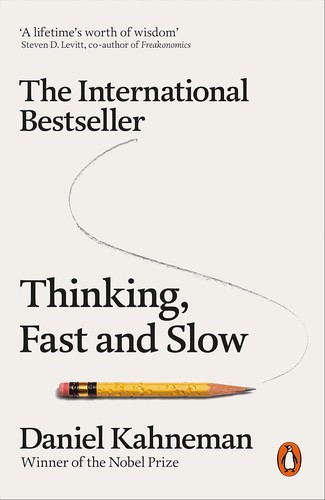
Nobel laureate Kahneman describes two systems of thought and the biases they produce. Dense but rewarding; some cited studies have not replicated.
Best for: readers who want the foundation.
2. The Man Who Mistook His Wife for a Hat by Oliver Sacks
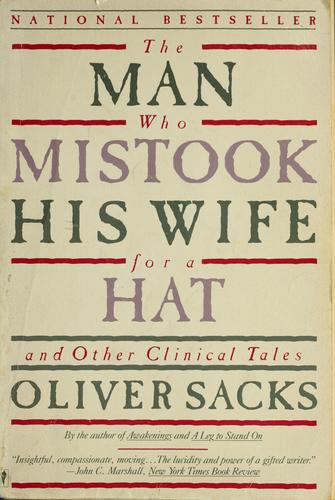
Neurologist Sacks tells compassionate stories of patients with unusual brain conditions. Humane and fascinating.
Best for: readers who love stories.
3. Influence by Robert B. Cialdini
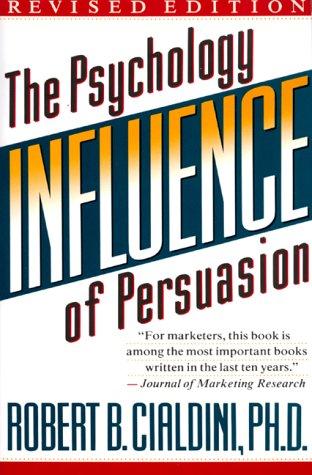
Explains six principles of persuasion with studies and examples.
Best for: readers curious about persuasion.
4. Predictably Irrational by Dan Ariely
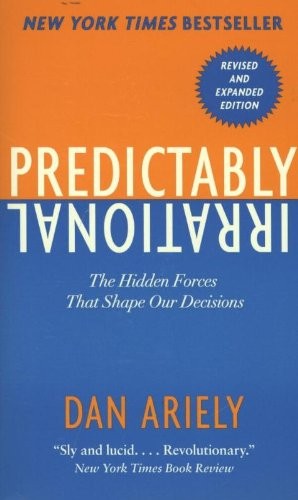
Describes experiments on irrational decisions. Entertaining, though some of Ariely’s work has been questioned.
Best for: readers who like experiments.
5. Nudge by Richard H. Thaler and Cass R. Sunstein

Shows how small changes in choice architecture can improve decisions.
Best for: readers interested in policy.
6. Blink by Malcolm Gladwell

Explores snap judgments. Engaging, though simplified.
Best for: readers who like stories.
7. Stumbling on Happiness by Daniel Gilbert
Argues that we are bad at predicting what will make us happy.
Best for: readers who like humor.
8. The Happiness Hypothesis by Jonathan Haidt
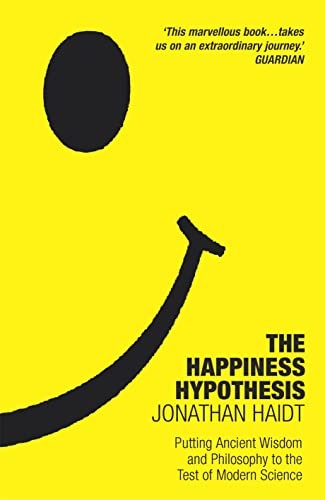
Compares ancient wisdom with modern findings on happiness and virtue.
Best for: readers who want wisdom plus science.
9. Flow by Mihaly Csikszentmihalyi
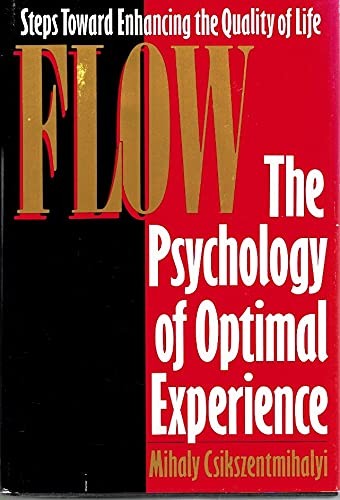
Describes the state of flow and how to find it.
Best for: readers curious about engagement.
10. Mindset by Carol S. Dweck
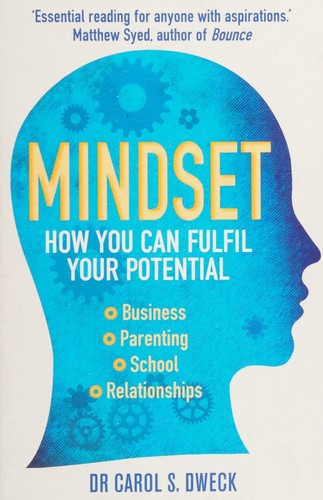
Explains fixed and growth mindsets.
Best for: students and parents.
11. Emotional Intelligence by Daniel Goleman
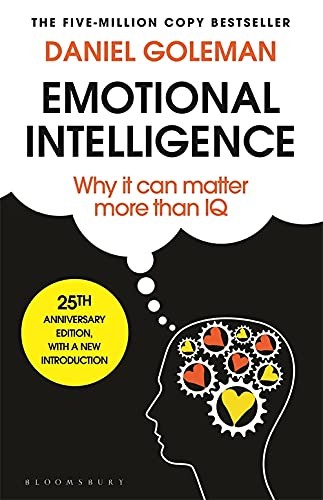
Popularized EQ and argued that emotional skills shape success.
Best for: readers wanting the classic.
12. Man’s Search for Meaning by Viktor E. Frankl
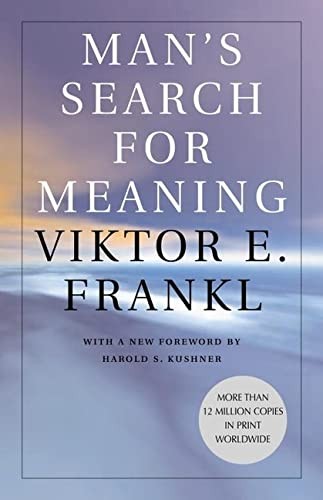
Frankl’s reflections on meaning and survival. Content note: descriptions of concentration camps.
Best for: readers who want depth.
13. The Psychopath Test by Jon Ronson
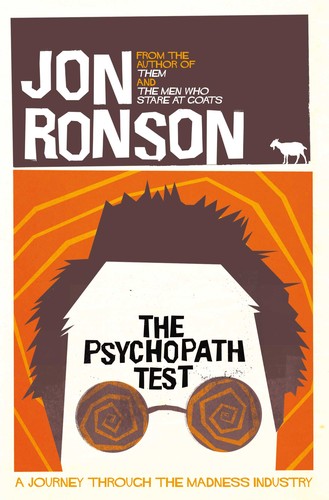
A journalist explores psychopathy and the mental health industry. Witty and thought-provoking.
Best for: readers who like humor and curiosity.
14. Psychology 101 by Paul Kleinman
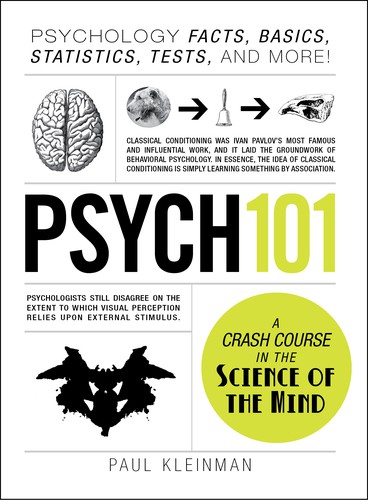
A concise overview of key concepts, from cognition to disorders.
Best for: readers wanting a quick intro.
15. The Lucifer Effect by Philip Zimbardo
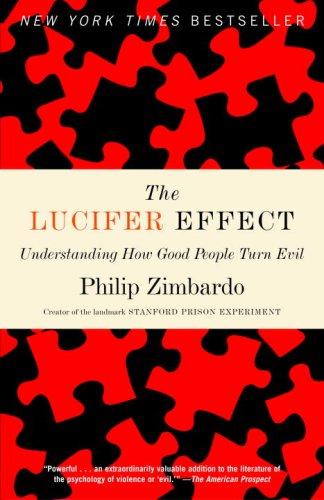
Zimbardo describes the Stanford Prison Experiment and the power of situations. The experiment has been heavily criticized, so read critically.
Best for: readers who want to debate.
How to Choose the Right Book on Psychology For Beginners
Choose by interest. For thinking and decision-making, Thinking, Fast and Slow, Predictably Irrational, Nudge and Blink are engaging. For social behavior, Influence and The Lucifer Effect examine persuasion and situations, though the latter is criticized. For clinical stories, The Man Who Mistook His Wife for a Hat and The Psychopath Test are vivid. For happiness and meaning, The Happiness Hypothesis, Flow, Stumbling on Happiness and Man’s Search for Meaning explore well-being. For emotions, Emotional Intelligence is a classic. For a textbook-style overview, Psychology 101 is concise.
Which Book Should You Start With? A Quick Guide
If you are not sure where to begin, match your situation to the list below.
- Readers who want the foundation: Thinking, Fast and Slow
- Readers who love stories: The Man Who Mistook His Wife for a Hat
- Readers curious about persuasion: Influence
- Readers who like experiments: Predictably Irrational
- Readers interested in policy: Nudge
- Readers who like stories: Blink
- Readers who like humor: Stumbling on Happiness
- Readers who want wisdom plus science: The Happiness Hypothesis
- Readers curious about engagement: Flow
- Students and parents: Mindset
- Readers wanting the classic: Emotional Intelligence
- Readers who want depth: Man’s Search for Meaning
- Readers who like humor and curiosity: The Psychopath Test
- Readers wanting a quick intro: Psychology 101
- Readers who want to debate: The Lucifer Effect
A Simple Reading Plan
A reading plan works better than a stack of good intentions. Begin with Thinking, Fast and Slow, which is the easiest way into psychology for beginners, and give it two weeks at ten to twenty pages a day. When you finish, spend five minutes writing down the one idea you want to try. Then move to The Man Who Mistook His Wife for a Hat, and only after that to Influence or a title that is denser. Mixing formats helps: read one book on paper, listen to another on a walk and keep a third on your phone for waiting rooms. If a book is not helping after fifty pages, put it down without guilt and try the next one, because the right book at the right time matters more than finishing every one.
Print, E-Book or Audiobook?
You do not have to pick one format. For a book on psychology for beginners, listen to the audiobook while walking or driving, and keep the paper or e-book handy for the chapters you want to study. Reading and listening together can improve retention, since you hear the author’s voice and see the structure on the page. Library apps lend all three formats free, and used paperbacks are inexpensive. If your attention drifts with long audio sessions, try 1.25x speed for an easy book and normal speed for a dense one. Choose whatever makes it easiest to read a little every day.
How to Get More From What You Read
Reading is the first step, and practice is the second. For each book on psychology for beginners, choose one idea that fits your life and schedule it, whether it is a ten-minute exercise, a conversation or a habit. Write it where you will see it, such as on a sticky note or in your calendar. After two weeks, ask what worked and what did not, and adjust. Sharing your progress with a friend adds accountability. If a book offers exercises, do them with a pencil instead of skipping to the next chapter, because the exercises are where most of the value lies.
Reading on a Budget
Reading about psychology for beginners does not have to be expensive. Start at the library, where print books, e-books and audiobooks are free with a card and a hold list, and ask the librarian for related titles. Secondhand bookstores and online used sellers keep prices low, and older editions are usually just as good as new ones. Watch for e-book sales, and borrow a title before buying it to be sure it suits you. When a book becomes a favorite, buy a copy for your shelf so you can reread and annotate it.
Talk About What You Read
Talking about what you read turns information into understanding. After each book on psychology for beginners, tell someone one thing you learned, even if it is just a five-minute chat over dinner. Post a short review for other readers, which forces you to organize your thoughts. If a book raises difficult feelings, share them with a trusted friend or counselor instead of carrying them alone. And if you disagree with an author, say so; thoughtful disagreement is part of learning, and it sharpens your own view.
Common Mistakes to Avoid
Readers often make a few predictable mistakes with books on psychology for beginners. The first is reading too many at once and finishing none, so stick with one or two at a time. The second is looking for a perfect answer, when most authors offer ideas to test, not rules to follow. The third is skipping the exercises or reflection questions, which are often the most useful parts. The fourth is comparing yourself with the author’s success story. Finally, do not treat a book as a substitute for support from people who know you. Use books as one tool among several, and be kind to yourself when progress is slow.
How to Judge a Book on Psychology for beginners
A few quick checks can save you time when choosing a book on psychology for beginners. Look at who wrote it and what qualifies them. See whether the author cites research or sources, and whether those sources are recent enough to matter. Notice the tone: honest authors admit limits and exceptions, while less reliable ones speak in absolutes. Skim the table of contents and a sample chapter, and read both enthusiastic and critical reviews. If a claim seems too good to be true, search for what other experts say. Reading widely across several authors is the best protection against any single voice.
When Reading Is Not Enough
Books are a good start, but they are not the whole answer to every situation involving psychology for beginners. If your difficulties interfere with sleep, work, relationships or safety, talk with a doctor, counselor or other qualified professional. Support groups, whether in person or online, can give you something books cannot: people who understand and respond. Friends and family can help if you let them know what you need. Think of your reading as one part of a larger toolkit, and do not hesitate to add other tools. Asking for help is a sign of strength and often speeds progress.
Questions to Reflect On
Keep these in a notebook and return to them after each book:
- What do I most want to understand or change about {t}?
- Which idea from my reading feels true for me, and which do I doubt?
- What is one small action I can take this week?
- Who could I talk to about what I am learning?
- How will I know in a month that this reading helped?
Tips for Reading About Psychology for beginners
- Question claims. Check whether findings have replicated.
- Mix stories and science. Narratives aid memory.
- Apply ideas. Notice biases in daily life.
- Read widely. Different subfields offer different insights.
- Be curious. Psychology rewards questions.
Related: 15 Best Books on Sobriety and Quitting Alcohol and mindset Summary and Key Takeaways.
Frequently Asked Questions
What is the best psychology book for beginners?
Thinking, Fast and Slow and The Man Who Mistook His Wife for a Hat are popular entry points.
Is popular psychology reliable?
Quality varies. The replication crisis means some famous studies are doubtful. Choose reputable authors and read critically.
Which book explains human behavior best?
Influence and Predictably Irrational explain common patterns in behavior.
How many books on psychology for beginners should I read at once?
One or two at a time is plenty. Finish a book, try one idea from it and then move on, so what you read turns into something you do.
Are these books on psychology for beginners available as audiobooks?
Most of them are. Check your library’s app, such as Libby, or an audiobook service, and listen to a sample to see whether the narrator suits you.