
Disclosure: As an Amazon Associate, Bookish Wisdom earns from qualifying purchases. This doesn’t change our picks or your price.
Quick answer: The best books on persuasion and influence include Influence, Pre-Suasion, Yes!, Made to Stick, Contagious and Never Split the Difference. Start with Influence and Pre-Suasion by Robert Cialdini, then apply the ideas with Made to Stick and Never Split the Difference.
Persuasion is the art of helping others see a point or take an action, and influence is its everyday cousin. Used well, it is a skill for leaders, teachers, parents and negotiators; used badly, it is manipulation. The best books on the subject explain the psychology behind why people say yes, from social proof to reciprocity, and encourage readers to use these principles ethically. This list gathers fifteen books on persuasion and influence, including scientific classics, practical communication guides and critical looks at how we are persuaded. Some focus on marketing, others on negotiation or messaging. Reading them also makes you a better consumer, because you will notice when you are being influenced and decide for yourself.
Table of Contents
Quick Picks at a Glance
| Book | Author | Focus | Best For |
|---|---|---|---|
| Influence | Robert B. Cialdini | Psychology | readers who want the science |
| Pre-Suasion | Robert B. Cialdini | Psychology | readers who want an advanced look |
| Yes! | Noah J. Goldstein, Steve J. Martin and Robert B. Cialdini | Short lessons | readers who like quick chapters |
| Made to Stick | Chip Heath and Dan Heath | Messaging | communicators |
| Contagious | Jonah Berger | Word of mouth | marketers |
| Never Split the Difference | Chris Voss | Negotiation | readers who negotiate |
| How to Win Friends and Influence People | Dale Carnegie | Classic | readers new to people skills |
| Crucial Conversations | Kerry Patterson, Joseph Grenny, Ron McMillan and Al Switzler | Communication | readers facing tense talks |
| Nudge | Richard H. Thaler and Cass R. Sunstein | Choice architecture | readers interested in design |
| Thinking, Fast and Slow | Daniel Kahneman | Cognition | readers who want depth |
| Thank You for Arguing | Jay Heinrichs | Rhetoric | readers who like language |
| Talk Like TED | Carmine Gallo | Public speaking | presenters |
| To Sell Is Human | Daniel H. Pink | Sales | readers who dislike selling |
| Predictably Irrational | Dan Ariely | Behavioral economics | readers who like experiments |
| Hooked | Nir Eyal | Habit-forming products | product designers |
1. Influence by Robert B. Cialdini
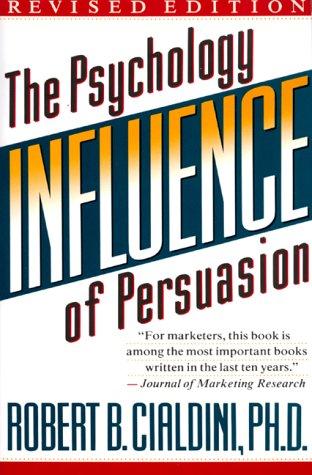
Cialdini presents six principles of persuasion: reciprocity, commitment, social proof, authority, liking and scarcity. A classic that helps you both persuade and resist.
Best for: readers who want the science.
2. Pre-Suasion by Robert B. Cialdini
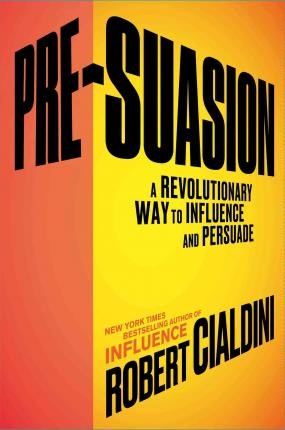
Explores how to prepare people before delivering your message.
Best for: readers who want an advanced look.
3. Yes! by Noah J. Goldstein, Steve J. Martin and Robert B. Cialdini
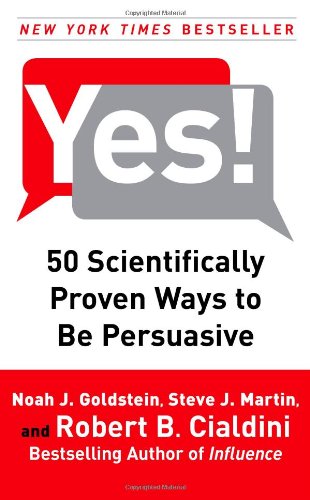
Fifty short chapters on small changes that make requests more effective.
Best for: readers who like quick chapters.
4. Made to Stick by Chip Heath and Dan Heath
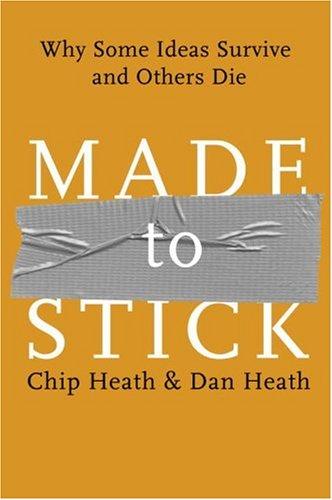
Six principles that make ideas memorable.
Best for: communicators.
5. Contagious by Jonah Berger

Explains why things catch on and offers six principles.
Best for: marketers.
6. Never Split the Difference by Chris Voss
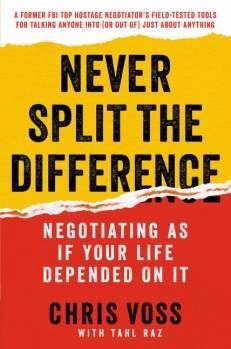
A former FBI negotiator teaches tactical empathy.
Best for: readers who negotiate.
7. How to Win Friends and Influence People by Dale Carnegie
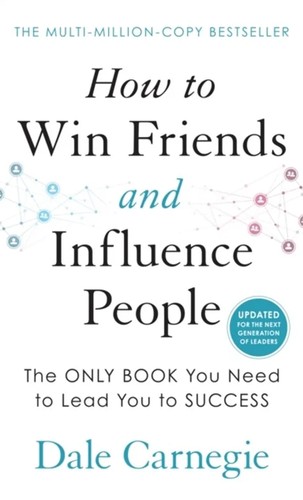
Timeless advice on listening and appreciation.
Best for: readers new to people skills.
8. Crucial Conversations by Kerry Patterson, Joseph Grenny, Ron McMillan and Al Switzler
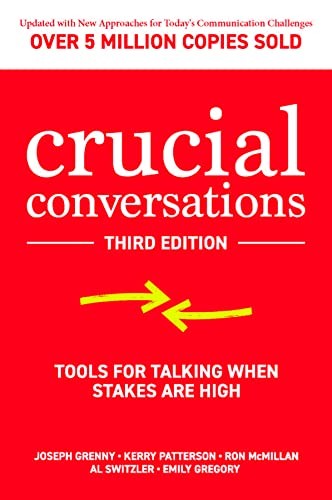
Tools for speaking up when stakes are high.
Best for: readers facing tense talks.
9. Nudge by Richard H. Thaler and Cass R. Sunstein

Shows how small changes to choices can influence behavior.
Best for: readers interested in design.
10. Thinking, Fast and Slow by Daniel Kahneman
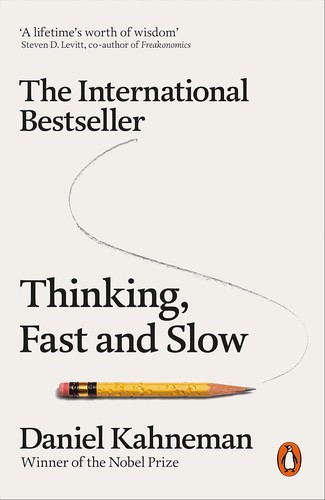
Explains biases that influence decisions.
Best for: readers who want depth.
11. Thank You for Arguing by Jay Heinrichs
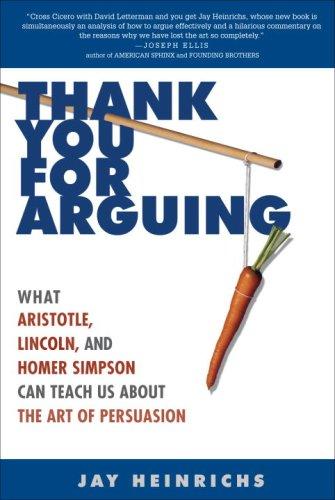
Teaches classical rhetorical techniques with wit.
Best for: readers who like language.
12. Talk Like TED by Carmine Gallo
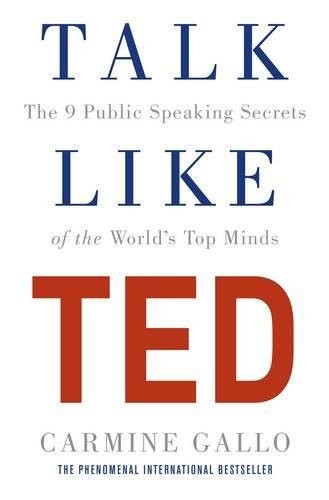
Analyzes what makes talks persuasive.
Best for: presenters.
13. To Sell Is Human by Daniel H. Pink
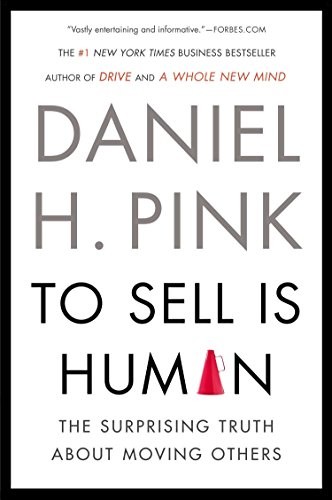
Argues that most work involves moving others.
Best for: readers who dislike selling.
14. Predictably Irrational by Dan Ariely
Describes predictable irrational decisions.
Best for: readers who like experiments.
15. Hooked by Nir Eyal
Explains how products create habits. Raises ethical questions.
Best for: product designers.
How to Choose the Right Book on Persuasion And Influence
Choose by use. For the science, Influence, Pre-Suasion and Yes! are foundational. For messaging, Made to Stick and Contagious explain why ideas spread. For conversations, Never Split the Difference, Crucial Conversations and How to Win Friends and Influence People teach practical skills. For decisions, Nudge and Thinking, Fast and Slow explain choice architecture and biases. For speaking and writing, Thank You for Arguing and Talk Like TED apply rhetoric. For sales, To Sell Is Human is a good bridge. Use persuasion ethically.
Which Book Should You Start With? A Quick Guide
If you are not sure where to begin, match your situation to the list below.
- Readers who want the science: Influence
- Readers who want an advanced look: Pre-Suasion
- Readers who like quick chapters: Yes!
- Communicators: Made to Stick
- Marketers: Contagious
- Readers who negotiate: Never Split the Difference
- Readers new to people skills: How to Win Friends and Influence People
- Readers facing tense talks: Crucial Conversations
- Readers interested in design: Nudge
- Readers who want depth: Thinking, Fast and Slow
- Readers who like language: Thank You for Arguing
- Presenters: Talk Like TED
- Readers who dislike selling: To Sell Is Human
- Readers who like experiments: Predictably Irrational
- Product designers: Hooked
A Simple Reading Plan
Treat this list as a menu, not an assignment. Start with Influence, because it gives you a clear overview of persuasion and influence without demanding much from you. Read in short sessions and underline or note the passages that make you stop. After a week or two, move to Pre-Suasion for a different angle, then Yes! when you want more depth. Spacing the books out gives the ideas time to settle, and applying one small idea per week is worth more than rushing through the whole shelf. Revisit your notes at the end of each month to see what has actually changed.
Print, E-Book or Audiobook?
Format matters more than people expect. If you tend to forget what you read, choose print or an e-book so you can underline and review. If your time is limited, audiobooks fit into the gaps of your day. For a topic like persuasion and influence, short chapters are an advantage, since you can finish one in a single sitting and think about it afterward. Libraries lend e-books and audiobooks free, and many offer print copies of new releases through holds. Try one format for a week and switch if it is not working.
How to Get More From What You Read
Reading about persuasion and influence only helps if something changes afterward, so build a small habit around it. Keep a notebook or a notes app, and after each chapter write one sentence about what stood out and one action you could take. Choose a single idea per week to test, such as a new routine, a conversation or a different way of thinking. Discuss what you are reading with a friend, a partner or an online group, since explaining an idea out loud makes it stick. Review your notes monthly and drop anything that did not help. The aim is progress you can notice, not a long reading list.
Reading on a Budget
Good books on persuasion and influence are easier to afford than most people think. Library cards open up print, e-book and audiobook borrowing, and interlibrary loan can find titles your branch does not own. Used copies cost a fraction of new ones, and many of the classics are inexpensive in paperback. Try a sample chapter online to see whether an author’s voice suits you before you commit. If you finish a book you love, consider passing it to a friend, which keeps the ideas moving and your shelf uncluttered.
Talk About What You Read
Ideas stick when you talk about them. Choose one book from this list and invite a friend, partner or colleague to read it with you, then meet for coffee to compare notes on persuasion and influence. Online communities and library groups also host discussions, and many of these books have free reading guides. If you prefer privacy, a journal works well: write a paragraph after each chapter on what you agree with, what you doubt and what you will try. Teaching an idea to someone else is one of the best ways to learn it, so explain what you read in your own words.
Common Mistakes to Avoid
A few pitfalls are worth avoiding. Do not buy a dozen books on persuasion and influence in one go; borrow one, finish it and then decide what to read next. Do not expect a single book to transform your life overnight, since the best ones work through small, repeated actions. Be cautious of any author who promises guaranteed results, and check an author’s credentials and sources. Finally, do not use reading as a way of avoiding action. If you notice yourself finishing book after book without changing anything, pick one idea and practice it this week.
How to Judge a Book on Persuasion and influence
Not every book on persuasion and influence is equally reliable. Before you trust one, check the author’s background: are they a researcher, clinician, journalist or someone writing from lived experience? Each can be valuable, but they offer different things. Look for notes and references at the back, which show the claims can be checked. Be wary of books that promise a quick fix, rely on a single story or dismiss all other views. Read a few reviews from people with different perspectives, and treat bold claims as hypotheses to test in your own life. A good book invites questions instead of demanding agreement.
When Reading Is Not Enough
Reading can illuminate and encourage, yet some situations need more than a book. If you notice that your struggles with persuasion and influence are getting worse, lasting a long time or affecting your health, reach out to a professional you trust. Local libraries, community centers and workplaces often offer free resources, classes or referrals. Sharing what you are reading with a friend can open the door to a supportive conversation. Use these books as companions on the journey, and let real people walk it with you.
Questions to Reflect On
Keep these in a notebook and return to them after each book:
- What do I most want to understand or change about {t}?
- Which idea from my reading feels true for me, and which do I doubt?
- What is one small action I can take this week?
- Who could I talk to about what I am learning?
- How will I know in a month that this reading helped?
Tips for Reading About Persuasion and influence
- Be ethical. Persuade, do not manipulate.
- Know your audience. Understand their needs.
- Use stories. Concrete examples persuade.
- Ask questions. People believe what they conclude.
- Resist influence too. Notice when tactics are used on you.
Related: 15 Best Books on Psychology for Beginners and mindset Summary and Key Takeaways.
Frequently Asked Questions
What is the best book on persuasion?
Influence by Robert Cialdini is the classic.
Is persuasion the same as manipulation?
No. Persuasion respects the other person’s interests and freedom, while manipulation hides or distorts.
How can I become more persuasive?
Listen well, understand needs, use clear stories and apply principles like social proof honestly.
How many books on persuasion and influence should I read at once?
One or two at a time is plenty. Finish a book, try one idea from it and then move on, so what you read turns into something you do.
Are these books on persuasion and influence available as audiobooks?
Most of them are. Check your library’s app, such as Libby, or an audiobook service, and listen to a sample to see whether the narrator suits you.