
Disclosure: As an Amazon Associate, Bookish Wisdom earns from qualifying purchases. This doesn’t change our picks or your price.
Quick answer: The best books for men to read in their 20s include Man’s Search for Meaning, Meditations, The Psychology of Money, Atomic Habits, The Defining Decade and Deep Work. Start with Man’s Search for Meaning, The Psychology of Money and Atomic Habits, then add a novel such as Siddhartha or The Great Gatsby.
Your twenties are a decade of beginnings: first jobs, first apartments, new friends and the first real decisions about who you want to be. It is also a time of uncertainty, when mistakes feel big and the future feels foggy. Books cannot make choices for you, but they can give you perspective, tools and company. This list gathers fifteen books for young men in their twenties, mixing practical nonfiction on habits, money and work with philosophy, memoir and classic novels that deepen how you see the world. Some are short, others long, and all are worth reading at a time when your habits are still forming. Pick one, finish it and talk about it with a friend.
Table of Contents
Quick Picks at a Glance
| Book | Author | Type | Best For |
|---|---|---|---|
| Man’s Search for Meaning | Viktor E. Frankl | Meaning | young men looking for direction |
| Meditations | Marcus Aurelius | Stoicism | men who want calm |
| The Psychology of Money | Morgan Housel | Money | men starting careers |
| Atomic Habits | James Clear | Habits | men building routines |
| The Defining Decade | Meg Jay | Twenties | men worried about wasting time |
| Deep Work | Cal Newport | Focus | men building careers |
| How to Win Friends and Influence People | Dale Carnegie | Social skills | men learning to connect |
| Sapiens | Yuval Noah Harari | History | men who like big ideas |
| Shoe Dog | Phil Knight | Memoir | men interested in business |
| Born a Crime | Trevor Noah | Memoir | men who like humor and heart |
| Siddhartha | Hermann Hesse | Novel | men seeking meaning |
| 1984 | George Orwell | Dystopia | men who want to think about power |
| The Great Gatsby | F. Scott Fitzgerald | Novel | men who love American classics |
| The Old Man and the Sea | Ernest Hemingway | Novella | men who like short books |
| Of Mice and Men | John Steinbeck | Novella | men who want a quick, powerful read |
1. Man’s Search for Meaning by Viktor E. Frankl
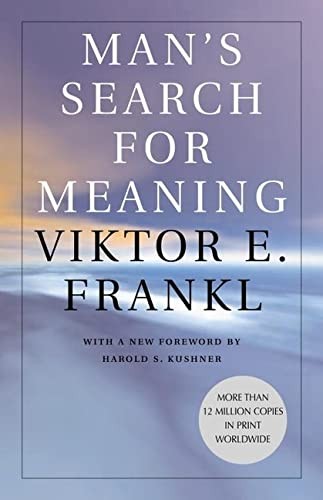
A psychiatrist who survived Nazi camps argues that meaning sustains us. Short, profound and humbling. Content note: descriptions of concentration camps.
Best for: young men looking for direction.
2. Meditations by Marcus Aurelius
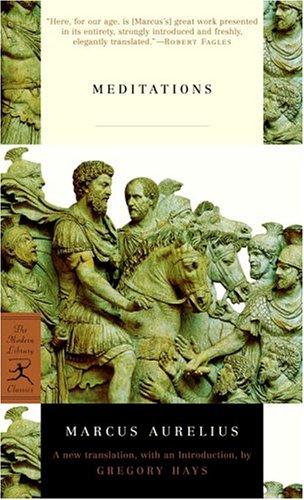
A Roman emperor’s private notes on duty and perspective. Read in a modern translation, a page at a time.
Best for: men who want calm.
3. The Psychology of Money by Morgan Housel
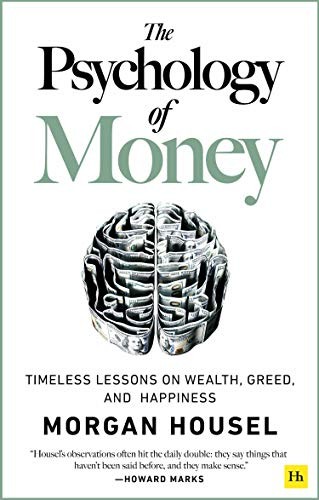
Explains how behavior shapes financial outcomes with short stories. Clear and practical.
Best for: men starting careers.
4. Atomic Habits by James Clear
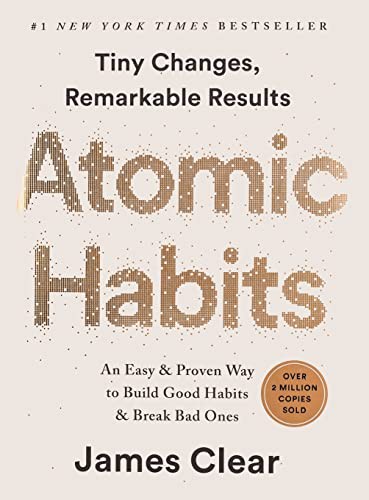
Shows how small habits compound. A practical blueprint for your twenties.
Best for: men building routines.
5. The Defining Decade by Meg Jay
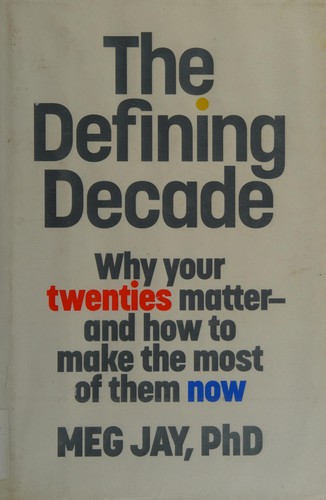
A clinical psychologist argues that your twenties matter for work, love and identity and gives advice.
Best for: men worried about wasting time.
6. Deep Work by Cal Newport
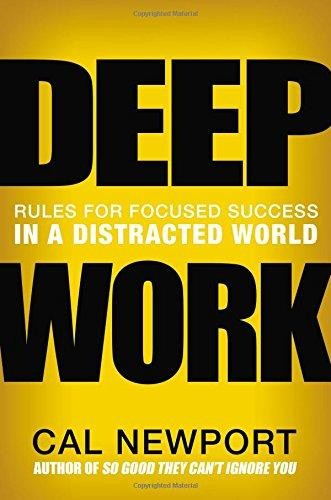
Teaches how to focus and produce valuable work.
Best for: men building careers.
7. How to Win Friends and Influence People by Dale Carnegie
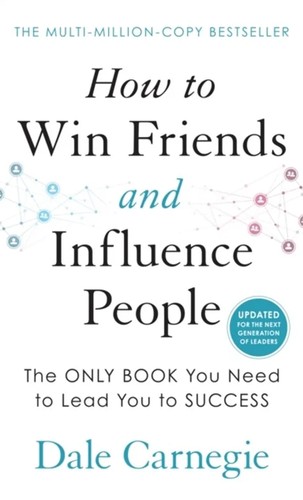
Timeless advice on listening and showing interest.
Best for: men learning to connect.
8. Sapiens by Yuval Noah Harari
A sweeping history of humankind that reframes how you see society. Debated but stimulating.
Best for: men who like big ideas.
9. Shoe Dog by Phil Knight
The Nike founder tells the story of his early struggles with candor and humor.
Best for: men interested in business.
10. Born a Crime by Trevor Noah
Noah’s story of growing up in apartheid South Africa. Content note: violence and abuse.
Best for: men who like humor and heart.
11. Siddhartha by Hermann Hesse
A young man searches for enlightenment through many ways of life. Short and poetic.
Best for: men seeking meaning.
12. 1984 by George Orwell
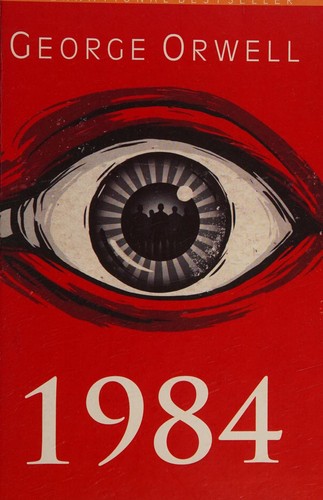
A classic about surveillance and truth. Content note: torture and political violence.
Best for: men who want to think about power.
13. The Great Gatsby by F. Scott Fitzgerald
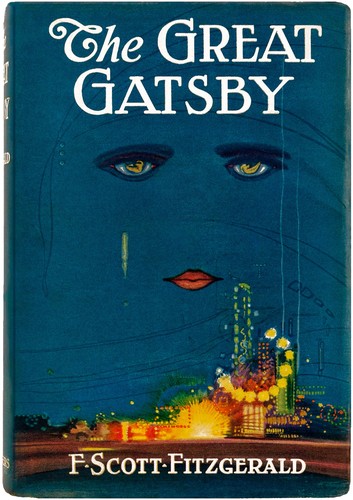
Jay Gatsby chases a dream of love and wealth. Short and endlessly rereadable.
Best for: men who love American classics.
14. The Old Man and the Sea by Ernest Hemingway
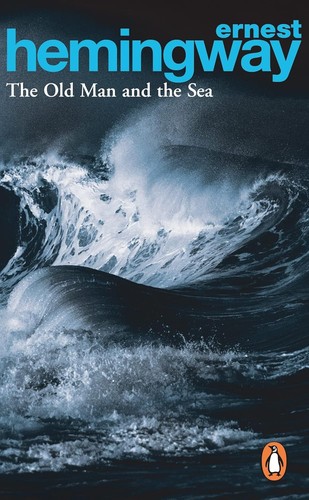
An old fisherman battles a giant marlin. A story of endurance in clean prose.
Best for: men who like short books.
15. Of Mice and Men by John Steinbeck
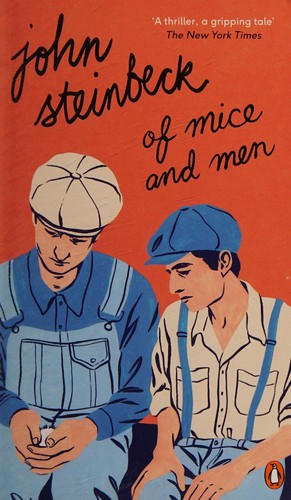
Two migrant workers dream of a farm. A moving story of friendship and loss. Content note: violence and strong language.
Best for: men who want a quick, powerful read.
How to Choose the Right Book on Your 20S
Think about what you need most. For direction and habits, read Atomic Habits, Deep Work and The Defining Decade. For money, The Psychology of Money is a smart start. For purpose and perspective, Man’s Search for Meaning, Meditations and Siddhartha are timeless. For social skills, How to Win Friends and Influence People still works. For stories of grit and ambition, Shoe Dog and Born a Crime inspire. And for the pleasure of literature, 1984, The Great Gatsby, Of Mice and Men and The Old Man and the Sea are short classics. Read widely, and let one book change your mind.
Which Book Should You Start With? A Quick Guide
If you are not sure where to begin, match your situation to the list below.
- Young men looking for direction: Man’s Search for Meaning
- Men who want calm: Meditations
- Men starting careers: The Psychology of Money
- Men building routines: Atomic Habits
- Men worried about wasting time: The Defining Decade
- Men building careers: Deep Work
- Men learning to connect: How to Win Friends and Influence People
- Men who like big ideas: Sapiens
- Men interested in business: Shoe Dog
- Men who like humor and heart: Born a Crime
- Men seeking meaning: Siddhartha
- Men who want to think about power: 1984
- Men who love American classics: The Great Gatsby
- Men who like short books: The Old Man and the Sea
- Men who want a quick, powerful read: Of Mice and Men
A Simple Reading Plan
A sensible order helps you build momentum. Open with Man’s Search for Meaning, which is accessible and encouraging, and finish it before you buy anything else. Next, choose Meditations to deepen what you learned, then The Psychology of Money when you are ready for a different voice or a more demanding read. Between books, take a few days to try something you learned, because your 20s is easier to understand once you have tested it in real life. Keep a simple note on your phone with the title, your rating and one takeaway for each book you complete.
Print, E-Book or Audiobook?
Print, e-book and audiobook each suit different readers. Print is best for books you want to mark up and return to, which is useful for practical guides on your 20s. E-books are cheap, portable and easy to search, and they make it simple to highlight a passage and find it again later. Audiobooks turn commutes, chores and walks into reading time, and a good narrator can make a heavy book on your 20s easier to take in. Your public library offers all three through apps like Libby, so you can try a title before buying it. Many readers use two formats for the same book, listening first and then skimming a print copy for notes.
How to Get More From What You Read
To get more from these books, read with a pen and a question. Decide before you start what you hope to learn about your 20s, and check at the end of each chapter whether you found it. Mark passages that feel true for you, and write down the ones you disagree with, since disagreement is also learning. Pick one practice from each book and try it for two weeks before judging it. Talking about the ideas with someone you trust, or writing a few lines in a journal, helps them move from your head into your life. Be patient with yourself; change comes in small steps.
Reading on a Budget
You do not need to buy all of these books. Your public library likely lends print, e-book and audiobook copies of many titles on your 20s for free, and the hold feature lets you queue for popular ones. Used paperbacks are usually a few dollars, and thrift stores, library sales and swap groups are good sources. If you want to own a book you will mark up, buy the print edition; if you want to try several, borrow first and buy only the ones you finish and love. Subscription audiobook services often offer a free trial that covers a first title, and some libraries partner with apps that need only a library card.
Talk About What You Read
Reading on your own is valuable, and reading with others adds accountability. Consider forming a small book club around your 20s, taking turns to choose a title from this list. Meet monthly, ask each person to share one idea and one action, and keep the tone supportive rather than competitive. If your friends are not interested, look for a local library group or an online community. A shared conversation helps you notice things you missed, and the encouragement of others makes it easier to keep going when progress feels slow.
Common Mistakes to Avoid
Three mistakes come up again and again. First, readers choose a book that is too advanced or too long and give up on the topic altogether, so start with an accessible title. Second, they read passively, without notes or a plan to use what they learn about your 20s. Third, they expect immediate results and quit when the change is slow. Avoid these by starting small, taking notes and giving each idea at least two weeks. If a book does not suit you, move on; the list above has plenty of other voices.
How to Judge a Book on Your 20s
A few quick checks can save you time when choosing a book on your 20s. Look at who wrote it and what qualifies them. See whether the author cites research or sources, and whether those sources are recent enough to matter. Notice the tone: honest authors admit limits and exceptions, while less reliable ones speak in absolutes. Skim the table of contents and a sample chapter, and read both enthusiastic and critical reviews. If a claim seems too good to be true, search for what other experts say. Reading widely across several authors is the best protection against any single voice.
When Reading Is Not Enough
Books are a good start, but they are not the whole answer to every situation involving your 20s. If your difficulties interfere with sleep, work, relationships or safety, talk with a doctor, counselor or other qualified professional. Support groups, whether in person or online, can give you something books cannot: people who understand and respond. Friends and family can help if you let them know what you need. Think of your reading as one part of a larger toolkit, and do not hesitate to add other tools. Asking for help is a sign of strength and often speeds progress.
Questions to Reflect On
Keep these in a notebook and return to them after each book:
- What do I most want to understand or change about {t}?
- Which idea from my reading feels true for me, and which do I doubt?
- What is one small action I can take this week?
- Who could I talk to about what I am learning?
- How will I know in a month that this reading helped?
Tips for Reading About Your 20s
- Read a variety. Mix nonfiction and fiction.
- Finish one. Pick a book and complete it.
- Discuss it. Start a book club with friends.
- Mark pages. Note ideas to try.
- Reread favorites. They say new things at new ages.
Related: 15 Best Books on Persuasion and Influence and atomic Habits Summary and Key Takeaways.
Frequently Asked Questions
What are the best books for men in their 20s?
Man’s Search for Meaning, The Psychology of Money, Atomic Habits and Meditations are popular choices.
Should I read fiction or nonfiction?
Both. Nonfiction gives tools, and fiction builds empathy and imagination.
How much should I read?
Even 15 to 20 minutes a day adds up to many books a year.
How many books on your 20s should I read at once?
One or two at a time is plenty. Finish a book, try one idea from it and then move on, so what you read turns into something you do.
Are these books on your 20s available as audiobooks?
Most of them are. Check your library’s app, such as Libby, or an audiobook service, and listen to a sample to see whether the narrator suits you.