
Disclosure: As an Amazon Associate, Bookish Wisdom earns from qualifying purchases. This doesn’t change our picks or your price.
Quick answer: The best books for women to read in their 30s include Untamed, Burnout, Big Magic, Becoming, The Gifts of Imperfection and Maybe You Should Talk to Someone. Start with Untamed or Burnout, add Big Magic for creativity, and pick a novel like Lessons in Chemistry for pleasure.
The thirties are a decade of juggling: careers deepen, relationships change, children may arrive, parents age and friends drift. Many women find they are more confident than in their twenties but also more stretched. Books can offer companionship and perspective in a busy time. This list gathers fifteen books for women in their thirties, mixing memoir, self-help and fiction. You will find books about burnout, boundaries, creativity, identity and money, along with novels that capture the era’s questions. Some are short enough for a lunch break, others for a long weekend. Read what resonates, skip what does not and use the list as permission to carve out time for yourself.
Table of Contents
Quick Picks at a Glance
| Book | Author | Type | Best For |
|---|---|---|---|
| Untamed | Glennon Doyle | Memoir | women rethinking expectations |
| Burnout | Emily Nagoski and Amelia Nagoski | Stress | exhausted women |
| Big Magic | Elizabeth Gilbert | Creativity | women with creative dreams |
| Becoming | Michelle Obama | Memoir | women who love life stories |
| The Gifts of Imperfection | Brené Brown | Self-acceptance | perfectionists |
| Maybe You Should Talk to Someone | Lori Gottlieb | Memoir | women curious about therapy |
| Set Boundaries, Find Peace | Nedra Glover Tawwab | Boundaries | women who say yes too often |
| Four Thousand Weeks | Oliver Burkeman | Time | women feeling overwhelmed |
| Come as You Are | Emily Nagoski | Sexuality | women wanting to understand desire |
| The Psychology of Money | Morgan Housel | Money | women building financial confidence |
| Lessons in Chemistry | Bonnie Garmus | Novel | women who like witty fiction |
| Normal People | Sally Rooney | Novel | women who like literary romance |
| Circe | Madeline Miller | Novel | women who love myth |
| Eat Pray Love | Elizabeth Gilbert | Memoir | women at a crossroads |
| Where the Crawdads Sing | Delia Owens | Novel | women who like atmospheric stories |
1. Untamed by Glennon Doyle
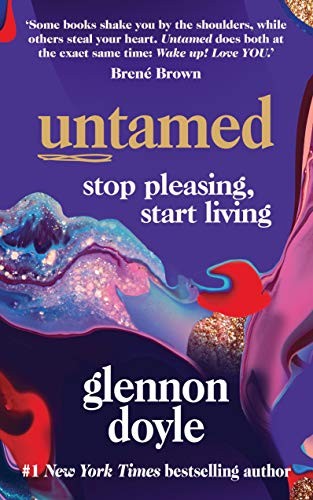
Doyle writes about trusting her inner knowing and changing her life. Funny, raw and inspiring.
Best for: women rethinking expectations.
2. Burnout by Emily Nagoski and Amelia Nagoski
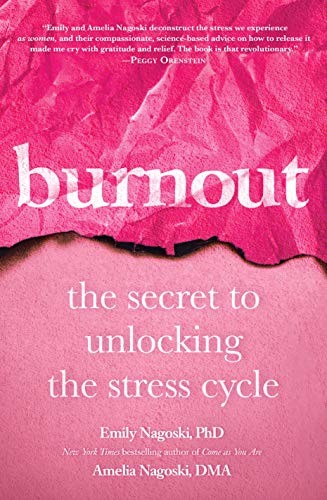
Explains the stress cycle and how to recover. Warm and science-based.
Best for: exhausted women.
3. Big Magic by Elizabeth Gilbert
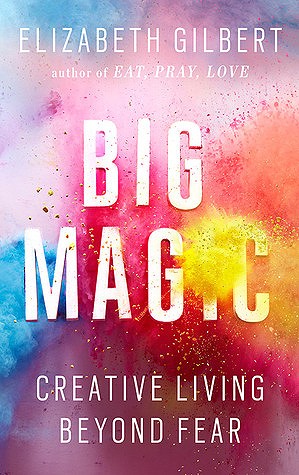
Encourages living a creative life with curiosity, not fear.
Best for: women with creative dreams.
4. Becoming by Michelle Obama
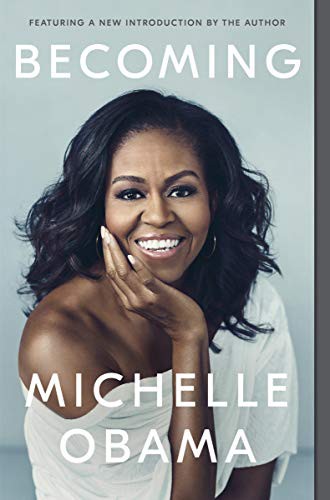
Obama traces her path with honesty and humor.
Best for: women who love life stories.
5. The Gifts of Imperfection by Brené Brown
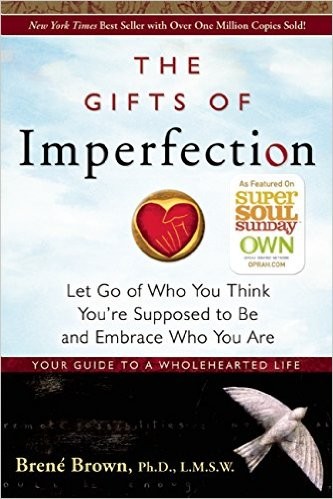
Offers guideposts for living wholeheartedly.
Best for: perfectionists.
6. Maybe You Should Talk to Someone by Lori Gottlieb
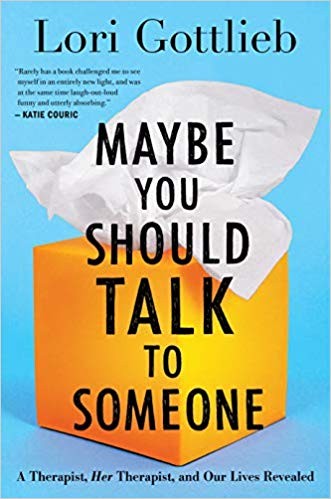
A therapist describes her own therapy and her patients. Funny, moving and wise.
Best for: women curious about therapy.
7. Set Boundaries, Find Peace by Nedra Glover Tawwab
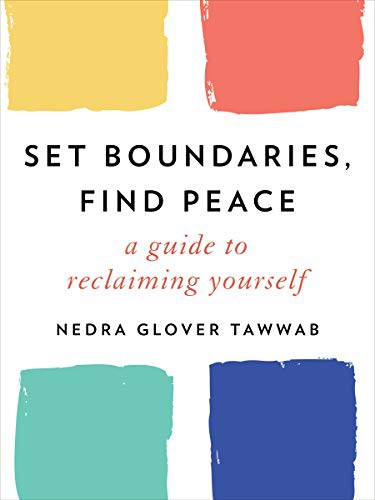
A practical guide to setting limits.
Best for: women who say yes too often.
8. Four Thousand Weeks by Oliver Burkeman
Accepting limits can help us do what matters.
Best for: women feeling overwhelmed.
9. Come as You Are by Emily Nagoski
Explains sexual response with science and compassion. Content note: frank discussion of sex.
Best for: women wanting to understand desire.
10. The Psychology of Money by Morgan Housel
Explains how behavior shapes financial outcomes.
Best for: women building financial confidence.
11. Lessons in Chemistry by Bonnie Garmus
Elizabeth Zott, a chemist in the 1960s, becomes a cooking-show host. Funny and sharp.
Best for: women who like witty fiction.
12. Normal People by Sally Rooney
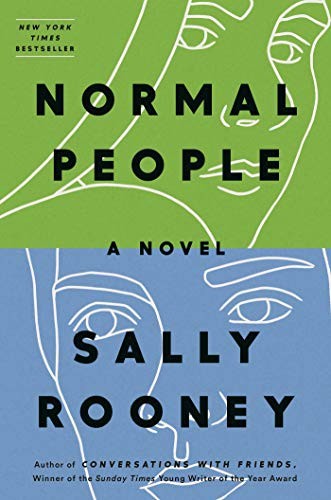
Two Irish teens’ relationship spans years. Intense and quiet. Content note: explicit scenes and depression.
Best for: women who like literary romance.
13. Circe by Madeline Miller
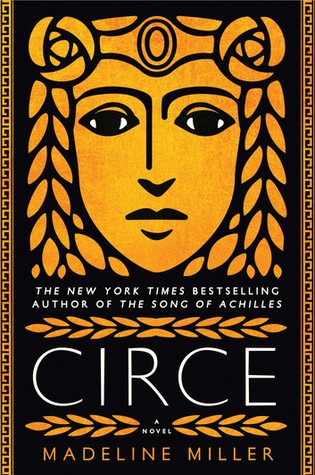
A witch tells her own story. Lyrical and powerful. Content note: some violence.
Best for: women who love myth.
14. Eat Pray Love by Elizabeth Gilbert
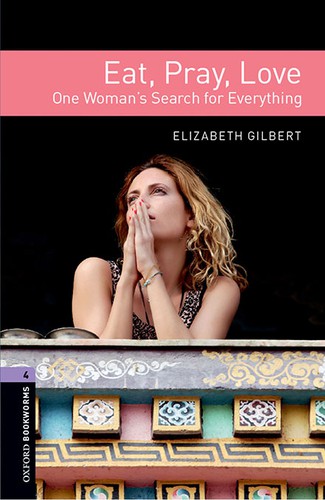
After divorce, Gilbert travels to find herself. Popular and divisive.
Best for: women at a crossroads.
15. Where the Crawdads Sing by Delia Owens
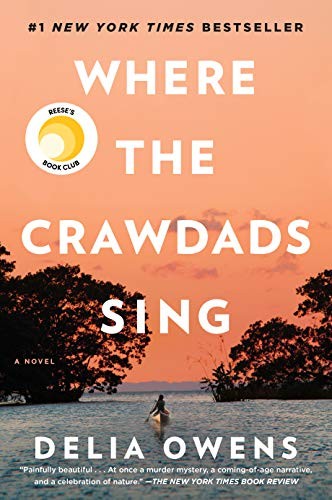
Kya grows up alone in the marsh. A mystery with nature. Content note: abuse and sexual assault.
Best for: women who like atmospheric stories.
How to Choose the Right Book on Your 30S
Choose by what you are juggling. If you are exhausted, Burnout, Set Boundaries, Find Peace and Four Thousand Weeks help. If you want inspiration, Untamed, Becoming and Big Magic are energizing. If you want self-understanding, The Gifts of Imperfection and Maybe You Should Talk to Someone are comforting. If you want intimacy and relationships, Come as You Are explains desire. If you want to escape into fiction, Lessons in Chemistry, Normal People and Circe offer rich stories. Read at your own pace.
Which Book Should You Start With? A Quick Guide
If you are not sure where to begin, match your situation to the list below.
- Women rethinking expectations: Untamed
- Exhausted women: Burnout
- Women with creative dreams: Big Magic
- Women who love life stories: Becoming
- Perfectionists: The Gifts of Imperfection
- Women curious about therapy: Maybe You Should Talk to Someone
- Women who say yes too often: Set Boundaries, Find Peace
- Women feeling overwhelmed: Four Thousand Weeks
- Women wanting to understand desire: Come as You Are
- Women building financial confidence: The Psychology of Money
- Women who like witty fiction: Lessons in Chemistry
- Women who like literary romance: Normal People
- Women who love myth: Circe
- Women at a crossroads: Eat Pray Love
- Women who like atmospheric stories: Where the Crawdads Sing
A Simple Reading Plan
A reading plan works better than a stack of good intentions. Begin with Untamed, which is the easiest way into your 30s, and give it two weeks at ten to twenty pages a day. When you finish, spend five minutes writing down the one idea you want to try. Then move to Burnout, and only after that to Big Magic or a title that is denser. Mixing formats helps: read one book on paper, listen to another on a walk and keep a third on your phone for waiting rooms. If a book is not helping after fifty pages, put it down without guilt and try the next one, because the right book at the right time matters more than finishing every one.
Print, E-Book or Audiobook?
You do not have to pick one format. For a book on your 30s, listen to the audiobook while walking or driving, and keep the paper or e-book handy for the chapters you want to study. Reading and listening together can improve retention, since you hear the author’s voice and see the structure on the page. Library apps lend all three formats free, and used paperbacks are inexpensive. If your attention drifts with long audio sessions, try 1.25x speed for an easy book and normal speed for a dense one. Choose whatever makes it easiest to read a little every day.
How to Get More From What You Read
Reading is the first step, and practice is the second. For each book on your 30s, choose one idea that fits your life and schedule it, whether it is a ten-minute exercise, a conversation or a habit. Write it where you will see it, such as on a sticky note or in your calendar. After two weeks, ask what worked and what did not, and adjust. Sharing your progress with a friend adds accountability. If a book offers exercises, do them with a pencil instead of skipping to the next chapter, because the exercises are where most of the value lies.
Reading on a Budget
Reading about your 30s does not have to be expensive. Start at the library, where print books, e-books and audiobooks are free with a card and a hold list, and ask the librarian for related titles. Secondhand bookstores and online used sellers keep prices low, and older editions are usually just as good as new ones. Watch for e-book sales, and borrow a title before buying it to be sure it suits you. When a book becomes a favorite, buy a copy for your shelf so you can reread and annotate it.
Talk About What You Read
Talking about what you read turns information into understanding. After each book on your 30s, tell someone one thing you learned, even if it is just a five-minute chat over dinner. Post a short review for other readers, which forces you to organize your thoughts. If a book raises difficult feelings, share them with a trusted friend or counselor instead of carrying them alone. And if you disagree with an author, say so; thoughtful disagreement is part of learning, and it sharpens your own view.
Common Mistakes to Avoid
Readers often make a few predictable mistakes with books on your 30s. The first is reading too many at once and finishing none, so stick with one or two at a time. The second is looking for a perfect answer, when most authors offer ideas to test, not rules to follow. The third is skipping the exercises or reflection questions, which are often the most useful parts. The fourth is comparing yourself with the author’s success story. Finally, do not treat a book as a substitute for support from people who know you. Use books as one tool among several, and be kind to yourself when progress is slow.
How to Judge a Book on Your 30s
Not every book on your 30s is equally reliable. Before you trust one, check the author’s background: are they a researcher, clinician, journalist or someone writing from lived experience? Each can be valuable, but they offer different things. Look for notes and references at the back, which show the claims can be checked. Be wary of books that promise a quick fix, rely on a single story or dismiss all other views. Read a few reviews from people with different perspectives, and treat bold claims as hypotheses to test in your own life. A good book invites questions instead of demanding agreement.
When Reading Is Not Enough
Reading can illuminate and encourage, yet some situations need more than a book. If you notice that your struggles with your 30s are getting worse, lasting a long time or affecting your health, reach out to a professional you trust. Local libraries, community centers and workplaces often offer free resources, classes or referrals. Sharing what you are reading with a friend can open the door to a supportive conversation. Use these books as companions on the journey, and let real people walk it with you.
Questions to Reflect On
Keep these in a notebook and return to them after each book:
- What do I most want to understand or change about {t}?
- Which idea from my reading feels true for me, and which do I doubt?
- What is one small action I can take this week?
- Who could I talk to about what I am learning?
- How will I know in a month that this reading helped?
Tips for Reading About Your 30s
- Schedule reading. Put it on your calendar.
- Use audiobooks. Listen during commutes.
- Share with friends. Start a mini book club.
- Pick joy. Not every book must be self-improvement.
- Rest. Reading is self-care.
Related: 15 Best Books to Read in Your 20s for Men and the Gifts of Imperfection Summary and Key Takeaways.
Frequently Asked Questions
What are the best books for women in their 30s?
Untamed, Burnout, Big Magic and Becoming are popular.
Should I read self-help or fiction?
A mix works well. Fiction gives rest and empathy, while self-help gives tools.
How can I find time to read?
Use short pockets of time, audiobooks and a regular evening ritual.
How many books on your 30s should I read at once?
One or two at a time is plenty. Finish a book, try one idea from it and then move on, so what you read turns into something you do.
Are these books on your 30s available as audiobooks?
Most of them are. Check your library’s app, such as Libby, or an audiobook service, and listen to a sample to see whether the narrator suits you.