
Disclosure: As an Amazon Associate, Bookish Wisdom earns from qualifying purchases. This doesn’t change our picks or your price.
Quick answer: The best books for men to read in their 30s include Four Thousand Weeks, The Psychology of Money, Man’s Search for Meaning, The Obstacle Is the Way, Atomic Habits and Deep Work. Start with Four Thousand Weeks, The Psychology of Money and Man’s Search for Meaning, then enjoy a novel like A Man Called Ove.
The thirties bring a mix of responsibility and reflection for many men: careers, relationships, fatherhood and the realization that time is finite. It is also when habits harden, for better or worse. Books can offer perspective, practical tools and the comfort of knowing others have wrestled with the same questions. This list gathers fifteen books for men in their thirties, balancing self-improvement with stories that move you. You will find titles on time, money, work, focus, relationships and meaning, plus memoirs and novels. Some are short and punchy, others long and rewarding. Choose a few that match your current season, and make reading a regular appointment with yourself.
Table of Contents
Quick Picks at a Glance
| Book | Author | Type | Best For |
|---|---|---|---|
| Four Thousand Weeks | Oliver Burkeman | Time | men feeling pressed |
| The Psychology of Money | Morgan Housel | Money | men building wealth |
| Man’s Search for Meaning | Viktor E. Frankl | Meaning | men facing big questions |
| The Obstacle Is the Way | Ryan Holiday | Stoicism | men facing setbacks |
| Atomic Habits | James Clear | Habits | men building routines |
| Deep Work | Cal Newport | Focus | men with demanding jobs |
| Essentialism | Greg McKeown | Prioritizing | busy men |
| Never Split the Difference | Chris Voss | Negotiation | men negotiating at work and home |
| Wired for Love | Stan Tatkin | Relationships | men in partnerships |
| Hold Me Tight | Sue Johnson | Relationships | men wanting closeness |
| Born to Run | Christopher McDougall | Adventure | men who like movement |
| Shoe Dog | Phil Knight | Memoir | men interested in building things |
| Educated | Tara Westover | Memoir | men who like resilience stories |
| A Man Called Ove | Fredrik Backman | Novel | men who want a heartfelt read |
| The Road | Cormac McCarthy | Novel | men who want a stark, powerful read |
1. Four Thousand Weeks by Oliver Burkeman
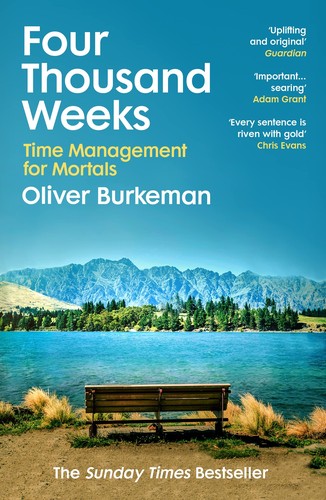
Burkeman argues that accepting our limits helps us choose what matters. Funny and humane.
Best for: men feeling pressed.
2. The Psychology of Money by Morgan Housel
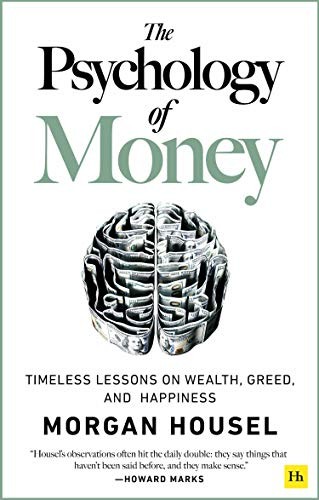
Explains how behavior shapes financial outcomes.
Best for: men building wealth.
3. Man’s Search for Meaning by Viktor E. Frankl
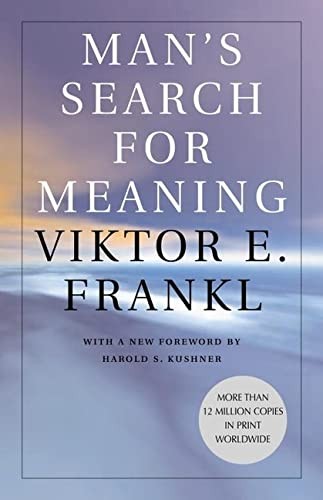
Frankl’s reflections on purpose. Content note: descriptions of concentration camps.
Best for: men facing big questions.
4. The Obstacle Is the Way by Ryan Holiday
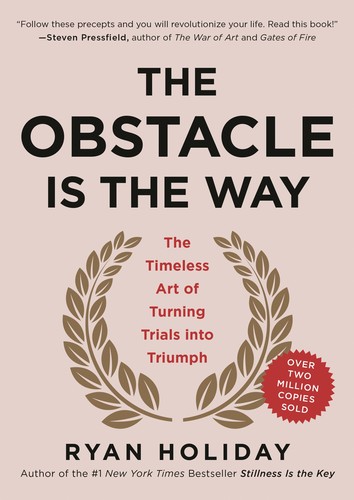
Applies Stoic ideas to turn obstacles into advantages.
Best for: men facing setbacks.
5. Atomic Habits by James Clear
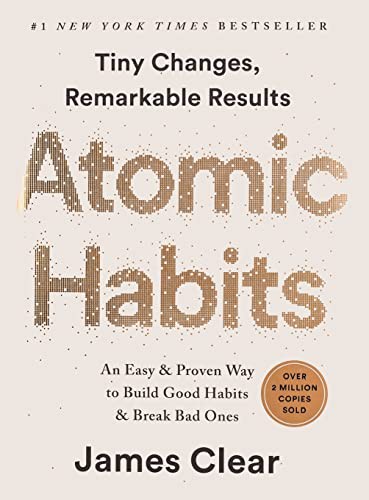
Shows how small habits compound.
Best for: men building routines.
6. Deep Work by Cal Newport
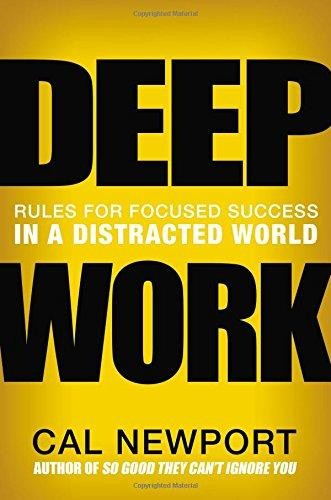
Teaches how to focus.
Best for: men with demanding jobs.
7. Essentialism by Greg McKeown
Teaches how to do less but better.
Best for: busy men.
8. Never Split the Difference by Chris Voss
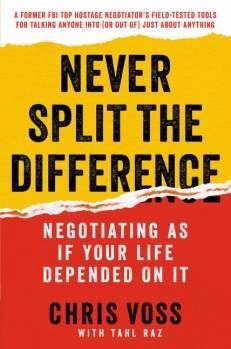
A former FBI negotiator teaches tactical empathy.
Best for: men negotiating at work and home.
9. Wired for Love by Stan Tatkin
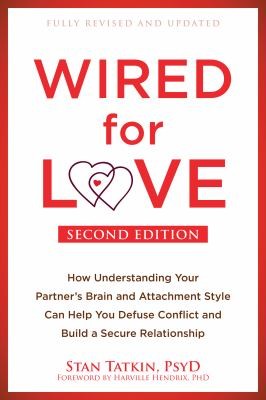
Explains how partners regulate each other.
Best for: men in partnerships.
10. Hold Me Tight by Sue Johnson
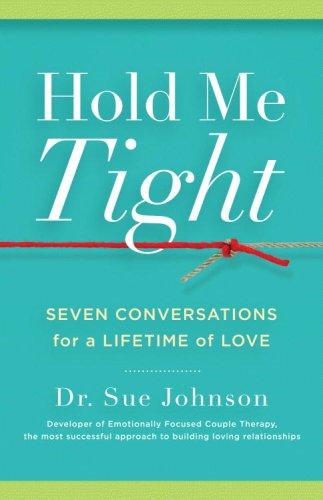
Seven conversations to deepen connection.
Best for: men wanting closeness.
11. Born to Run by Christopher McDougall
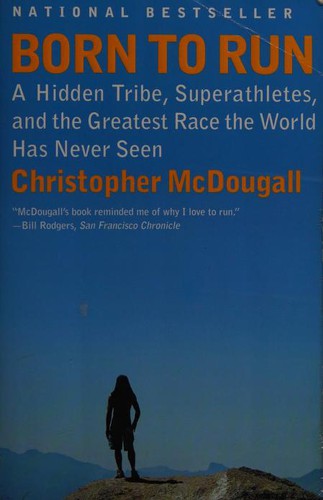
The story of the Tarahumara runners. Entertaining and inspiring.
Best for: men who like movement.
12. Shoe Dog by Phil Knight
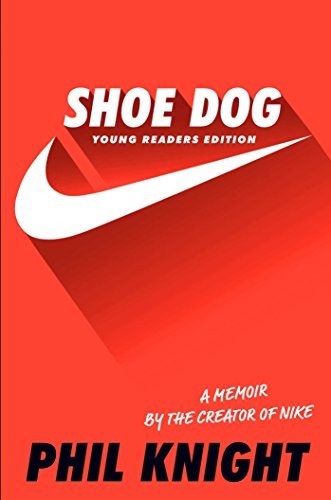
The Nike founder’s candid account of early struggles.
Best for: men interested in building things.
13. Educated by Tara Westover
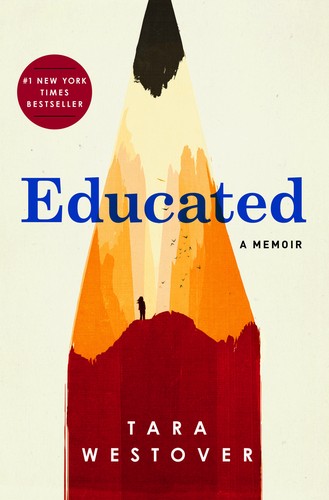
A woman raised in a survivalist family teaches herself enough to attend Cambridge. Content note: abuse and violence.
Best for: men who like resilience stories.
14. A Man Called Ove by Fredrik Backman
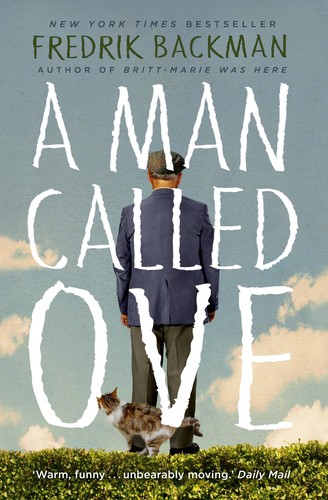
A grumpy widower finds connection with neighbors. Content note: grief and mentions of suicide.
Best for: men who want a heartfelt read.
15. The Road by Cormac McCarthy
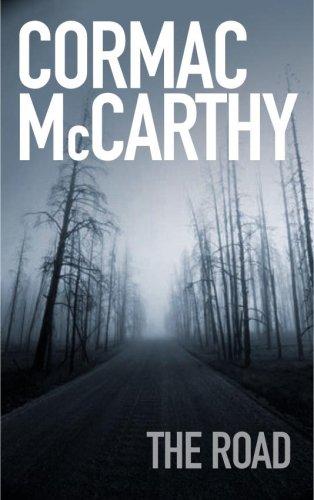
A father and son walk through a ruined America. Spare and devastating. Content note: violence and bleak themes.
Best for: men who want a stark, powerful read.
How to Choose the Right Book on Your 30S
Choose by the question you carry. If you feel time pressure, Four Thousand Weeks and Essentialism help. If you want to build wealth, The Psychology of Money is a smart start. If you need focus, Deep Work and Atomic Habits give systems. If you seek meaning, Man’s Search for Meaning and The Obstacle Is the Way offer guidance. If you want to understand relationships, Wired for Love and Hold Me Tight illuminate. For stories, Shoe Dog, Educated, A Man Called Ove and The Road leave a mark.
Which Book Should You Start With? A Quick Guide
If you are not sure where to begin, match your situation to the list below.
- Men feeling pressed: Four Thousand Weeks
- Men building wealth: The Psychology of Money
- Men facing big questions: Man’s Search for Meaning
- Men facing setbacks: The Obstacle Is the Way
- Men building routines: Atomic Habits
- Men with demanding jobs: Deep Work
- Busy men: Essentialism
- Men negotiating at work and home: Never Split the Difference
- Men in partnerships: Wired for Love
- Men wanting closeness: Hold Me Tight
- Men who like movement: Born to Run
- Men interested in building things: Shoe Dog
- Men who like resilience stories: Educated
- Men who want a heartfelt read: A Man Called Ove
- Men who want a stark, powerful read: The Road
A Simple Reading Plan
Treat this list as a menu, not an assignment. Start with Four Thousand Weeks, because it gives you a clear overview of your 30s without demanding much from you. Read in short sessions and underline or note the passages that make you stop. After a week or two, move to The Psychology of Money for a different angle, then Man’s Search for Meaning when you want more depth. Spacing the books out gives the ideas time to settle, and applying one small idea per week is worth more than rushing through the whole shelf. Revisit your notes at the end of each month to see what has actually changed.
Print, E-Book or Audiobook?
Format matters more than people expect. If you tend to forget what you read, choose print or an e-book so you can underline and review. If your time is limited, audiobooks fit into the gaps of your day. For a topic like your 30s, short chapters are an advantage, since you can finish one in a single sitting and think about it afterward. Libraries lend e-books and audiobooks free, and many offer print copies of new releases through holds. Try one format for a week and switch if it is not working.
How to Get More From What You Read
Reading about your 30s only helps if something changes afterward, so build a small habit around it. Keep a notebook or a notes app, and after each chapter write one sentence about what stood out and one action you could take. Choose a single idea per week to test, such as a new routine, a conversation or a different way of thinking. Discuss what you are reading with a friend, a partner or an online group, since explaining an idea out loud makes it stick. Review your notes monthly and drop anything that did not help. The aim is progress you can notice, not a long reading list.
Reading on a Budget
Good books on your 30s are easier to afford than most people think. Library cards open up print, e-book and audiobook borrowing, and interlibrary loan can find titles your branch does not own. Used copies cost a fraction of new ones, and many of the classics are inexpensive in paperback. Try a sample chapter online to see whether an author’s voice suits you before you commit. If you finish a book you love, consider passing it to a friend, which keeps the ideas moving and your shelf uncluttered.
Talk About What You Read
Ideas stick when you talk about them. Choose one book from this list and invite a friend, partner or colleague to read it with you, then meet for coffee to compare notes on your 30s. Online communities and library groups also host discussions, and many of these books have free reading guides. If you prefer privacy, a journal works well: write a paragraph after each chapter on what you agree with, what you doubt and what you will try. Teaching an idea to someone else is one of the best ways to learn it, so explain what you read in your own words.
Common Mistakes to Avoid
A few pitfalls are worth avoiding. Do not buy a dozen books on your 30s in one go; borrow one, finish it and then decide what to read next. Do not expect a single book to transform your life overnight, since the best ones work through small, repeated actions. Be cautious of any author who promises guaranteed results, and check an author’s credentials and sources. Finally, do not use reading as a way of avoiding action. If you notice yourself finishing book after book without changing anything, pick one idea and practice it this week.
How to Judge a Book on Your 30s
A few quick checks can save you time when choosing a book on your 30s. Look at who wrote it and what qualifies them. See whether the author cites research or sources, and whether those sources are recent enough to matter. Notice the tone: honest authors admit limits and exceptions, while less reliable ones speak in absolutes. Skim the table of contents and a sample chapter, and read both enthusiastic and critical reviews. If a claim seems too good to be true, search for what other experts say. Reading widely across several authors is the best protection against any single voice.
When Reading Is Not Enough
Books are a good start, but they are not the whole answer to every situation involving your 30s. If your difficulties interfere with sleep, work, relationships or safety, talk with a doctor, counselor or other qualified professional. Support groups, whether in person or online, can give you something books cannot: people who understand and respond. Friends and family can help if you let them know what you need. Think of your reading as one part of a larger toolkit, and do not hesitate to add other tools. Asking for help is a sign of strength and often speeds progress.
Questions to Reflect On
Keep these in a notebook and return to them after each book:
- What do I most want to understand or change about {t}?
- Which idea from my reading feels true for me, and which do I doubt?
- What is one small action I can take this week?
- Who could I talk to about what I am learning?
- How will I know in a month that this reading helped?
Tips for Reading About Your 30s
- Block time. Treat reading as an appointment.
- Mix formats. Use audiobooks for commutes.
- Read with a purpose. Pick a question you want answered.
- Share. Swap books with a friend.
- Sleep. Reading before bed beats scrolling.
Related: 15 Best Books to Read in Your 30s for Women and atomic Habits Summary and Key Takeaways.
Frequently Asked Questions
What are the best books for men in their 30s?
Four Thousand Weeks, The Psychology of Money and Man’s Search for Meaning are popular.
Is it too late to build a reading habit at 30?
No. Starting with 15 minutes a day builds momentum.
Which novel should I start with?
A Man Called Ove is warm and accessible, while The Road is powerful but bleak.
How many books on your 30s should I read at once?
One or two at a time is plenty. Finish a book, try one idea from it and then move on, so what you read turns into something you do.
Are these books on your 30s available as audiobooks?
Most of them are. Check your library’s app, such as Libby, or an audiobook service, and listen to a sample to see whether the narrator suits you.