
Disclosure: As an Amazon Associate, Bookish Wisdom earns from qualifying purchases. This doesn’t change our picks or your price.
Quick answer: The best books to read before visiting Ireland include Angela’s Ashes, Brooklyn, Small Things Like These, Foster, The Spinning Heart and Dubliners. Combine Angela’s Ashes, Brooklyn and Small Things Like These for a sense of Ireland’s past, then add Say Nothing for Northern Ireland.
Travel conditions, entry rules and safety advice change. Check your government’s official travel advisory before you go.
Ireland’s reputation as a land of storytellers is well earned. Its small size holds a vast literature: epic poems, sharp-tongued novels, memoirs of hardship and humor, and tales of emigration and return. A trip is deeper when you know the stories behind the green hills, the Dublin pubs and the ruined abbeys. The fifteen books below cover Irish history and character, from the poverty of mid-century Limerick to the Troubles in Belfast and the quiet cruelty and kindness of small-town life. Some are brief and luminous, others long and demanding. Read one or two before your trip, and consider buying another in a local bookshop, because Irish booksellers are generous with recommendations.
Table of Contents
Quick Picks at a Glance
| Book | Author | Type | Best For |
|---|---|---|---|
| Angela’s Ashes | Frank McCourt | Memoir | readers who want a classic memoir |
| Brooklyn | Colm Tóibín | Novel | readers who like quiet fiction |
| Small Things Like These | Claire Keegan | Novella | readers who want a short, powerful read |
| Foster | Claire Keegan | Novella | readers who like spare prose |
| The Spinning Heart | Donal Ryan | Novel | readers interested in post-crash Ireland |
| Dubliners | James Joyce | Short stories | readers who love short fiction |
| Ulysses | James Joyce | Classic | ambitious readers |
| Normal People | Sally Rooney | Contemporary fiction | readers who like modern Ireland |
| Circle of Friends | Maeve Binchy | Popular fiction | readers who want comfort |
| Say Nothing | Patrick Radden Keefe | Nonfiction | readers interested in the Troubles |
| Milkman | Anna Burns | Novel | readers who like experimental fiction |
| Trinity | Leon Uris | Historical novel | readers who like sagas |
| The Gathering | Anne Enright | Novel | readers who like literary fiction |
| The Heart’s Invisible Furies | John Boyne | Novel | readers who like long novels |
| The Guest List | Lucy Foley | Thriller | readers who like twisty plots |
1. Angela’s Ashes by Frank McCourt
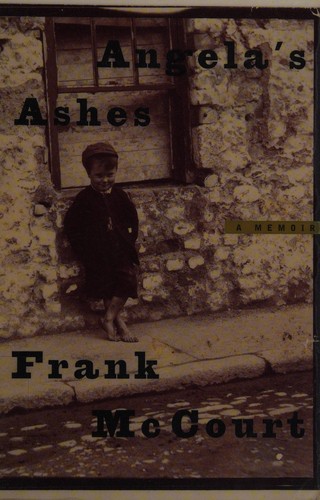
McCourt recalls a childhood of poverty in Limerick, with humor and sorrow. A Pulitzer Prize winner, though some Limerick residents dispute its tone. Content note: poverty, illness and child death.
Best for: readers who want a classic memoir.
2. Brooklyn by Colm Tóibín
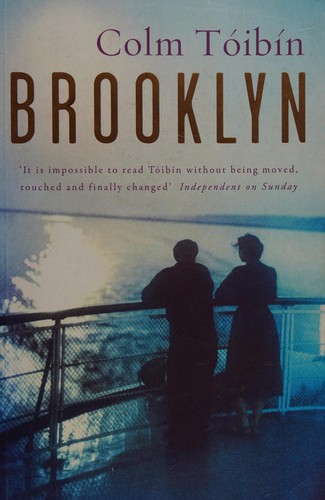
A young woman leaves Ireland for New York in the 1950s and must choose between two lives. Understated and moving.
Best for: readers who like quiet fiction.
3. Small Things Like These by Claire Keegan
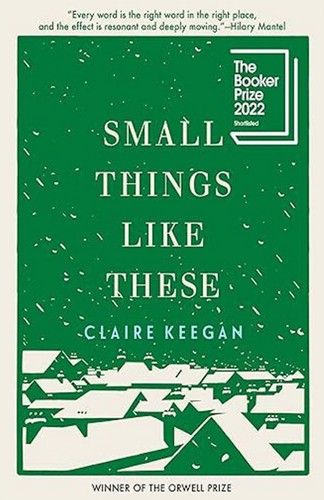
A coal merchant in 1985 discovers the harsh treatment of girls at a convent laundry. Brief and devastating. Content note: institutional abuse.
Best for: readers who want a short, powerful read.
4. Foster by Claire Keegan
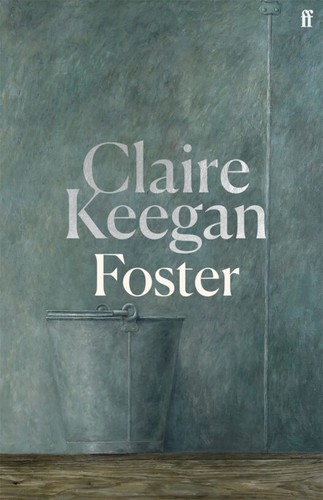
A neglected girl spends a summer with relatives in rural Ireland. Tender and short.
Best for: readers who like spare prose.
5. The Spinning Heart by Donal Ryan
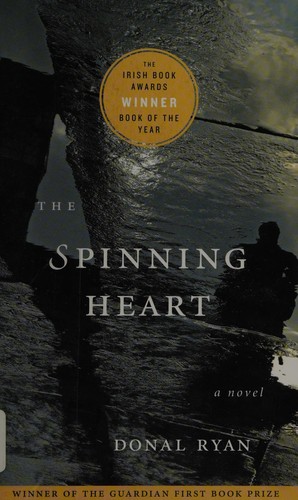
Voices of a small town after the financial crash. Short and sharp, with distinct narrators.
Best for: readers interested in post-crash Ireland.
6. Dubliners by James Joyce
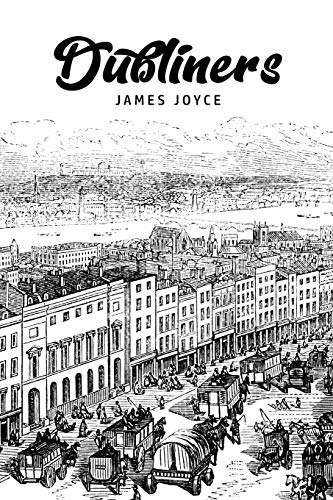
Fifteen stories of Dublin life in the early twentieth century, ending with ‘The Dead.’ Elegant and accessible.
Best for: readers who love short fiction.
7. Ulysses by James Joyce
A day in Dublin in 1904, famous for its experimental style. Challenging, best with a guide.
Best for: ambitious readers.
8. Normal People by Sally Rooney
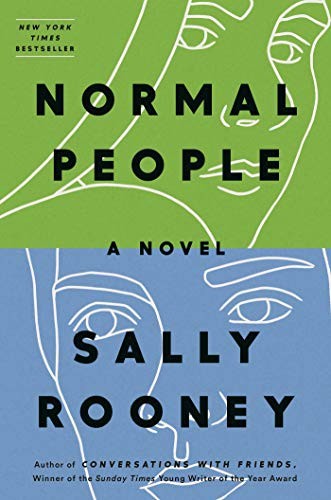
Two Irish young people’s on-again, off-again love, from small town to Trinity College. Content note: explicit scenes and depression.
Best for: readers who like modern Ireland.
9. Circle of Friends by Maeve Binchy
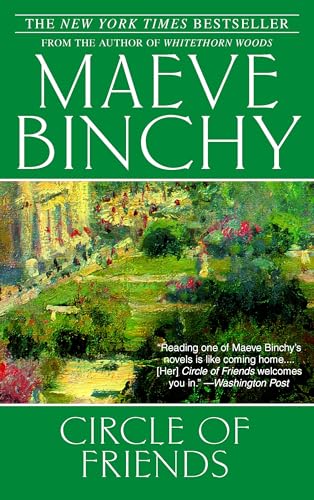
Friends from a small Irish town navigate Dublin university life in the 1950s. Warm and readable.
Best for: readers who want comfort.
10. Say Nothing by Patrick Radden Keefe
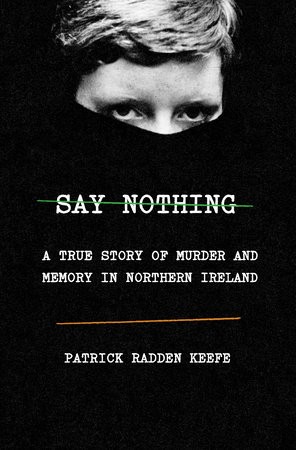
An investigation of a 1972 disappearance and the conflict in Northern Ireland. Gripping and well reported. Content note: violence and murder.
Best for: readers interested in the Troubles.
11. Milkman by Anna Burns
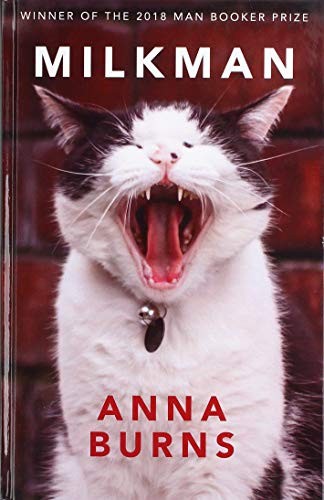
A young woman in a Belfast district during the Troubles is harassed by an older man. Dense and inventive. Content note: harassment and political violence.
Best for: readers who like experimental fiction.
12. Trinity by Leon Uris
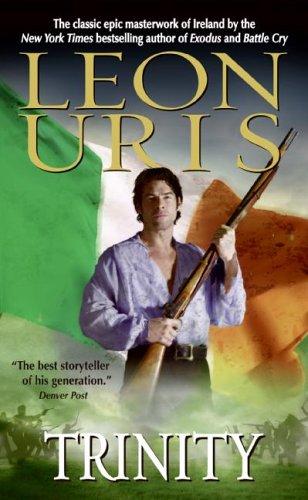
A sweeping novel about Irish history from the famine to the early twentieth century. Long and partisan.
Best for: readers who like sagas.
13. The Gathering by Anne Enright
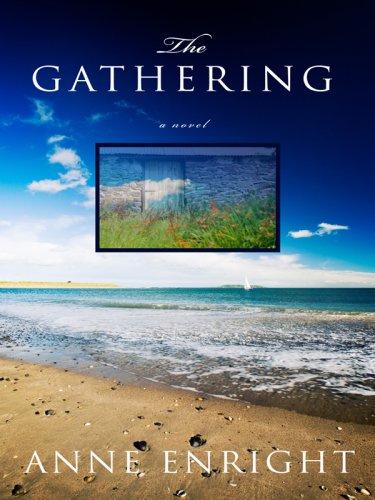
A woman reflects on family secrets after her brother’s death. Dark and lyrical, a Booker Prize winner. Content note: abuse and grief.
Best for: readers who like literary fiction.
14. The Heart’s Invisible Furies by John Boyne
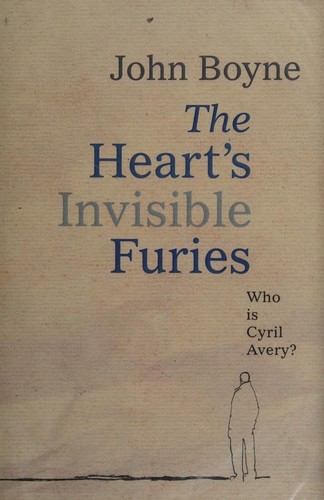
A man’s life from 1945 to the present traces Ireland’s changing attitudes. Funny and heartbreaking. Content note: some mature content.
Best for: readers who like long novels.
15. The Guest List by Lucy Foley
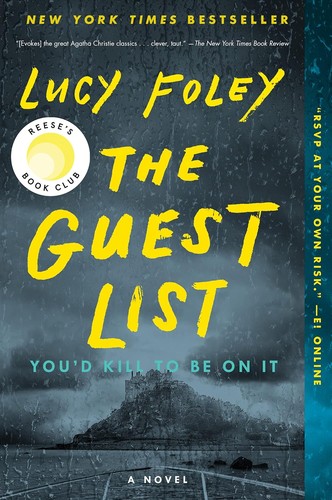
A wedding on an island off Ireland ends in murder. Atmospheric.
Best for: readers who like twisty plots.
How to Choose the Right Book on Ireland
Choose by theme. For social history and memoir, Angela’s Ashes and Trinity show hardship and conflict. For quiet modern fiction, Brooklyn, Small Things Like These, Foster and The Spinning Heart are spare and moving. For city and literature, Dubliners and Ulysses celebrate Dublin, with Ulysses being a challenge. For Northern Ireland, Say Nothing and Milkman illuminate the Troubles. For a lighter read, Circle of Friends and Normal People are accessible. Read widely, and note the places you want to visit.
Which Book Should You Start With? A Quick Guide
If you are not sure where to begin, match your situation to the list below.
- Readers who want a classic memoir: Angela’s Ashes
- Readers who like quiet fiction: Brooklyn
- Readers who want a short, powerful read: Small Things Like These
- Readers who like spare prose: Foster
- Readers interested in post-crash Ireland: The Spinning Heart
- Readers who love short fiction: Dubliners
- Ambitious readers: Ulysses
- Readers who like modern Ireland: Normal People
- Readers who want comfort: Circle of Friends
- Readers interested in the Troubles: Say Nothing
- Readers who like experimental fiction: Milkman
- Readers who like sagas: Trinity
- Readers who like literary fiction: The Gathering
- Readers who like long novels: The Heart’s Invisible Furies
- Readers who like twisty plots: The Guest List
A Simple Reading Plan
Start about two months before you go. Begin with Angela’s Ashes, an approachable way into Ireland, then add a novel set there for atmosphere. In the last weeks, read something on history or culture and finish with a memoir or travel account so the place feels personal. Keep a notebook of places, dishes, phrases and questions you meet on the page. If you only have a week, read Angela’s Ashes and one novel, and listen to an audiobook on the plane. The aim is not to master Ireland but to arrive curious and informed enough to notice more.
Print, E-Book or Audiobook?
Format matters more than people expect. If you tend to forget what you read, choose print or an e-book so you can underline and review. If your time is limited, audiobooks fit into the gaps of your day. For a topic like Ireland, short chapters are an advantage, since you can finish one in a single sitting and think about it afterward. Libraries lend e-books and audiobooks free, and many offer print copies of new releases through holds. Try one format for a week and switch if it is not working.
How to Get More From What You Read
Reading before a trip works best when you turn it into planning. Note every place, food and festival that catches your attention, and put them on a map. Look up the neighborhoods in the novels you read and see which ones you can visit. Learn ten words of the local language, watch a film set in Ireland and ask friends who have been there for tips. Share favorite passages with your travel companions so everyone arrives with the same excitement. After the trip, reread a favorite book; it will read differently once you have walked the streets.
Reading on a Budget
Good books on Ireland are easier to afford than most people think. Library cards open up print, e-book and audiobook borrowing, and interlibrary loan can find titles your branch does not own. Used copies cost a fraction of new ones, and many of the classics are inexpensive in paperback. Try a sample chapter online to see whether an author’s voice suits you before you commit. If you finish a book you love, consider passing it to a friend, which keeps the ideas moving and your shelf uncluttered.
Talk About What You Read
Ideas stick when you talk about them. Choose one book from this list and invite a friend, partner or colleague to read it with you, then meet for coffee to compare notes on Ireland. Online communities and library groups also host discussions, and many of these books have free reading guides. If you prefer privacy, a journal works well: write a paragraph after each chapter on what you agree with, what you doubt and what you will try. Teaching an idea to someone else is one of the best ways to learn it, so explain what you read in your own words.
Common Mistakes to Avoid
A few mistakes are common. Do not treat novels as guidebooks; fiction can romanticize, exaggerate or simplify a place. Do not rely only on outsiders’ accounts, and seek voices from the country itself. Check publication dates, since places change quickly and a book from decades ago may describe a very different reality. Avoid reading only dark or only glamorous stories, which gives a lopsided picture of Ireland. And do not let reading replace current, practical research on visas, health, safety and local customs. Balanced reading prepares you to see people as individuals, not stereotypes.
How to Judge a Book on Ireland
Not every book about Ireland is equally reliable or fair. Check who is speaking: a native writer, a long-term resident, a journalist, a historian or a short-term visitor. Each offers something different. Look at the publication date, since politics, prices and customs change. For history, prefer authors with notes and sources. For fiction, remember that vivid does not mean accurate. Read at least one book by an author from Ireland, and if possible one translated work, to hear voices from inside the culture. A mix of insider and outsider perspectives gives the fairest picture.
Reading Is Not Planning
Books can inspire and inform, but they are not travel advice. Before you go, check your government’s official travel advisories, entry and visa requirements, health recommendations and local laws, and consider travel insurance. Customs around dress, behavior, tipping and photography vary, and a recent guidebook or the embassy website can help. If you travel to a region with political tension or natural hazards, follow current local guidance. Treat the books in this guide as a way to understand and enjoy Ireland, and use official sources for rules and safety.
Questions to Reflect On
Keep these in a notebook as you read:
- Which places in these books do I most want to see?
- Whose voice am I hearing: a local, a visitor or a historian?
- What do these books leave out?
- How might the place look different today?
- What would I like to ask a local when I arrive?
Tips for Reading About Ireland
- Visit literary sites. Dublin Writers Museum, Limerick.
- Read quiet books. Irish fiction rewards slowness.
- Learn pub etiquette. Rounds and conversation matter.
- Check the weather. Pack a raincoat.
- Buy local. Irish booksellers know their stuff.
Related: 15 Best Books to Read Before Visiting Italy and 15 Best Books to Read Before Visiting Japan.
Frequently Asked Questions
What are the best books to read before visiting Ireland?
Angela’s Ashes, Brooklyn, Small Things Like These and Say Nothing are widely read.
Is Ulysses worth reading?
It is a landmark, but difficult. Dubliners is a better start.
Any books about Northern Ireland?
Say Nothing and Milkman illuminate the Troubles.
How many books on Ireland should I read at once?
One or two at a time is plenty. Finish a book, try one idea from it and then move on, so what you read turns into something you do.
Are these books on Ireland available as audiobooks?
Most of them are. Check your library’s app, such as Libby, or an audiobook service, and listen to a sample to see whether the narrator suits you.