
Disclosure: As an Amazon Associate, Bookish Wisdom earns from qualifying purchases. This doesn’t change our picks or your price.
Quick answer: The best books to read before visiting South Korea include Pachinko, Please Look After Mom, The Vegetarian, Human Acts, Kim Jiyoung, Born 1982 and Almond. Start with Pachinko for history, Please Look After Mom for family and Almond for modern fiction.
Travel conditions, entry rules and safety advice change. Check your government’s official travel advisory before you go.
South Korea has moved in a few decades from poverty and war to global influence in music, film and technology, and its literature reflects the speed and cost of that change. A trip to Seoul, Busan or Jeju is richer if you know the history behind the neon: Japanese colonization, the Korean War, division, military rule and an economic miracle. The fifteen books below include novels, essays, memoirs and histories, many of them recent translations that have won international prizes. Some are quiet, others unsettling. You will meet mothers and daughters, office workers, exiles and teenagers. Read two or three before you go, and notice how often family, shame and resilience appear.
Table of Contents
Quick Picks at a Glance
| Book | Author | Type | Best For |
|---|---|---|---|
| Pachinko | Min Jin Lee | Historical fiction | readers who love family sagas |
| Please Look After Mom | Shin Kyung-sook | Novel | readers who like family stories |
| The Vegetarian | Han Kang | Novel | readers who like challenging fiction |
| Human Acts | Han Kang | Novel | readers who want history |
| Kim Jiyoung, Born 1982 | Cho Nam-joo | Novel | readers interested in gender issues |
| Almond | Won-pyung Sohn | Young adult novel | readers who like short, heartfelt stories |
| I Want to Die but I Want to Eat Tteokbokki | Baek Sehee | Memoir | readers who want honest mental health writing |
| The Plotters | Un-su Kim | Thriller | readers who like noir |
| The Hole | Hye-young Pyun | Thriller | readers who like psychological suspense |
| Crying in H Mart | Michelle Zauner | Memoir | readers who like food and family |
| Korea: The Impossible Country | Daniel Tudor | Modern history | first-time visitors |
| The Korean War | Max Hastings | History | readers who love military history |
| Nothing to Envy | Barbara Demick | Reportage | readers curious about North Korea |
| The Girl with Seven Names | Hyeonseo Lee | Memoir | readers who like survival stories |
| The Cabinet | Un-su Kim | Fantasy fiction | readers who like absurd humor |
1. Pachinko by Min Jin Lee
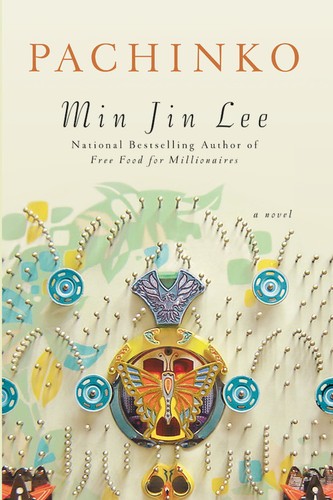
Four generations of a Korean family in Japan face discrimination and survive. Sweeping and moving. Content note: some violence and sexual content.
Best for: readers who love family sagas.
2. Please Look After Mom by Shin Kyung-sook
A mother disappears in the Seoul subway, and her family reckons with their neglect. Sad and tender.
Best for: readers who like family stories.
3. The Vegetarian by Han Kang
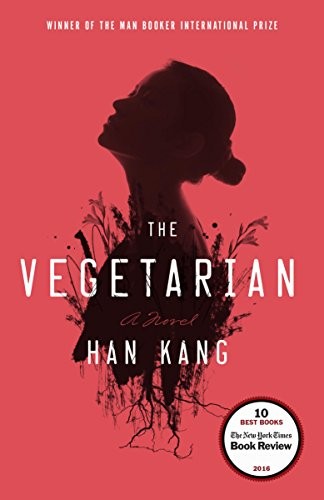
After a dream, a woman refuses to eat meat, with disturbing consequences. Winner of the International Booker Prize. Content note: violence and sexual content.
Best for: readers who like challenging fiction.
4. Human Acts by Han Kang
Follows people affected by the 1980 Gwangju uprising. Powerful and harrowing. Content note: violence.
Best for: readers who want history.
5. Kim Jiyoung, Born 1982 by Cho Nam-joo
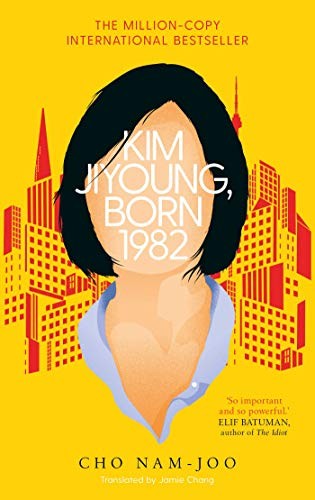
A woman’s life reveals everyday sexism in Korean society. Short and influential.
Best for: readers interested in gender issues.
6. Almond by Won-pyung Sohn
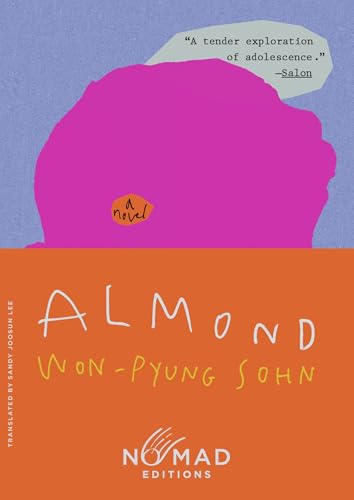
A teen who cannot feel fear or anger befriends a troubled boy. Moving and quick. Content note: violence.
Best for: readers who like short, heartfelt stories.
7. I Want to Die but I Want to Eat Tteokbokki by Baek Sehee
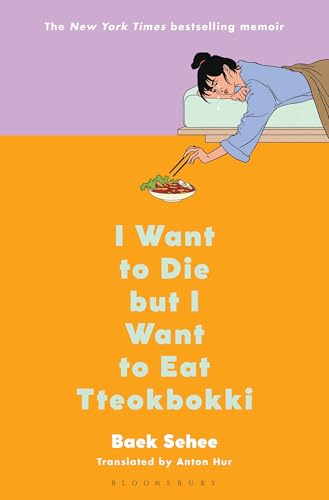
A woman records conversations with her therapist about depression. Candid and relatable. Content note: discussion of suicidal thoughts.
Best for: readers who want honest mental health writing.
8. The Plotters by Un-su Kim
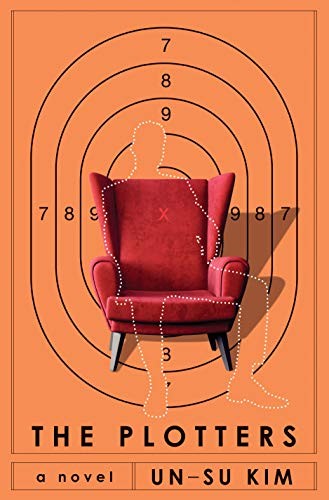
A hit man in a world of assassins and plotters. Dark and funny. Content note: violence.
Best for: readers who like noir.
9. The Hole by Hye-young Pyun
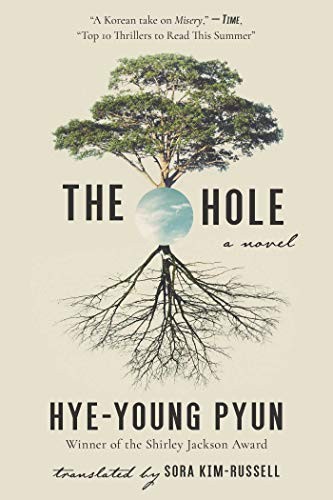
A man wakes up paralyzed after a car crash and is cared for by his wife’s mother. Chilling. Content note: disturbing content.
Best for: readers who like psychological suspense.
10. Crying in H Mart by Michelle Zauner
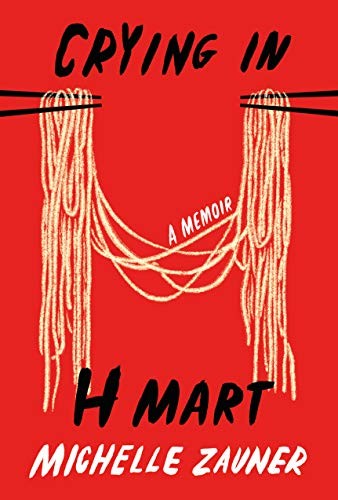
Zauner writes about losing her mother and reconnecting with her Korean identity. Content note: cancer and grief.
Best for: readers who like food and family.
11. Korea: The Impossible Country by Daniel Tudor
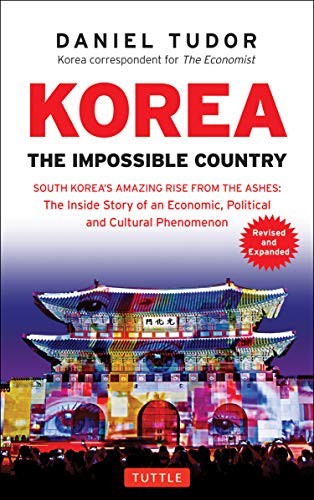
A British journalist explains how Korea transformed itself and what it is like today.
Best for: first-time visitors.
12. The Korean War by Max Hastings
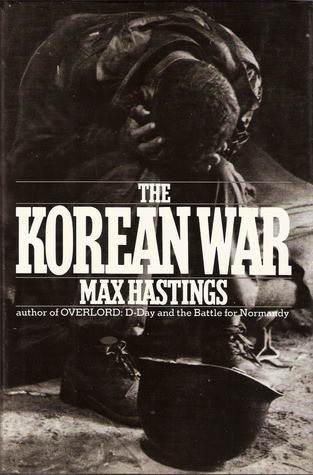
A comprehensive narrative of the war. Content note: war violence.
Best for: readers who love military history.
13. Nothing to Envy by Barbara Demick
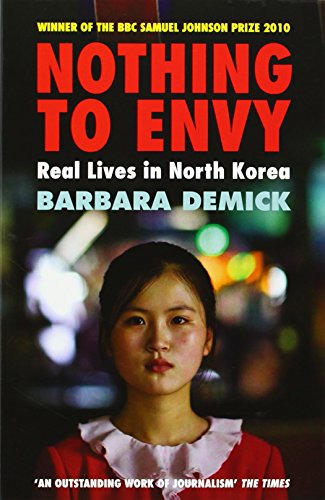
Follows six North Koreans in Chongjin. Moving and well reported. Content note: starvation and repression.
Best for: readers curious about North Korea.
14. The Girl with Seven Names by Hyeonseo Lee
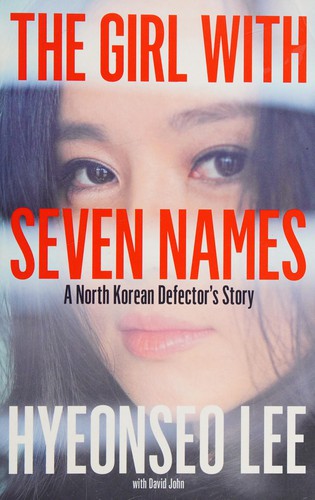
A North Korean defector tells her story of escape. Gripping. Content note: hardship and trafficking.
Best for: readers who like survival stories.
15. The Cabinet by Un-su Kim
Employees at a strange government office study unusual people. Quirky and inventive.
Best for: readers who like absurd humor.
How to Choose the Right Book on South Korea
Choose by mood. For epic history, Pachinko follows a Korean family in Japan. For family, Please Look After Mom and Crying in H Mart are tender. For modern society, Kim Jiyoung, Born 1982, Almond and I Want to Die but I Want to Eat Tteokbokki show pressures. For literary fiction, The Vegetarian, Human Acts, The Plotters and The Hole are bold. For history and North Korea, The Korean War, Nothing to Envy and The Girl with Seven Names are important. For orientation, Korea: The Impossible Country is helpful.
Which Book Should You Start With? A Quick Guide
If you are not sure where to begin, match your situation to the list below.
- Readers who love family sagas: Pachinko
- Readers who like family stories: Please Look After Mom
- Readers who like challenging fiction: The Vegetarian
- Readers who want history: Human Acts
- Readers interested in gender issues: Kim Jiyoung, Born 1982
- Readers who like short, heartfelt stories: Almond
- Readers who want honest mental health writing: I Want to Die but I Want to Eat Tteokbokki
- Readers who like noir: The Plotters
- Readers who like psychological suspense: The Hole
- Readers who like food and family: Crying in H Mart
- First-time visitors: Korea: The Impossible Country
- Readers who love military history: The Korean War
- Readers curious about North Korea: Nothing to Envy
- Readers who like survival stories: The Girl with Seven Names
- Readers who like absurd humor: The Cabinet
A Simple Reading Plan
Start about two months before you go. Begin with Pachinko, an approachable way into South Korea, then add a novel set there for atmosphere. In the last weeks, read something on history or culture and finish with a memoir or travel account so the place feels personal. Keep a notebook of places, dishes, phrases and questions you meet on the page. If you only have a week, read Pachinko and one novel, and listen to an audiobook on the plane. The aim is not to master South Korea but to arrive curious and informed enough to notice more.
Print, E-Book or Audiobook?
Format matters more than people expect. If you tend to forget what you read, choose print or an e-book so you can underline and review. If your time is limited, audiobooks fit into the gaps of your day. For a topic like South Korea, short chapters are an advantage, since you can finish one in a single sitting and think about it afterward. Libraries lend e-books and audiobooks free, and many offer print copies of new releases through holds. Try one format for a week and switch if it is not working.
How to Get More From What You Read
Reading before a trip works best when you turn it into planning. Note every place, food and festival that catches your attention, and put them on a map. Look up the neighborhoods in the novels you read and see which ones you can visit. Learn ten words of the local language, watch a film set in South Korea and ask friends who have been there for tips. Share favorite passages with your travel companions so everyone arrives with the same excitement. After the trip, reread a favorite book; it will read differently once you have walked the streets.
Reading on a Budget
Good books on South Korea are easier to afford than most people think. Library cards open up print, e-book and audiobook borrowing, and interlibrary loan can find titles your branch does not own. Used copies cost a fraction of new ones, and many of the classics are inexpensive in paperback. Try a sample chapter online to see whether an author’s voice suits you before you commit. If you finish a book you love, consider passing it to a friend, which keeps the ideas moving and your shelf uncluttered.
Talk About What You Read
Ideas stick when you talk about them. Choose one book from this list and invite a friend, partner or colleague to read it with you, then meet for coffee to compare notes on South Korea. Online communities and library groups also host discussions, and many of these books have free reading guides. If you prefer privacy, a journal works well: write a paragraph after each chapter on what you agree with, what you doubt and what you will try. Teaching an idea to someone else is one of the best ways to learn it, so explain what you read in your own words.
Common Mistakes to Avoid
A few mistakes are common. Do not treat novels as guidebooks; fiction can romanticize, exaggerate or simplify a place. Do not rely only on outsiders’ accounts, and seek voices from the country itself. Check publication dates, since places change quickly and a book from decades ago may describe a very different reality. Avoid reading only dark or only glamorous stories, which gives a lopsided picture of South Korea. And do not let reading replace current, practical research on visas, health, safety and local customs. Balanced reading prepares you to see people as individuals, not stereotypes.
How to Judge a Book on South Korea
Not every book about South Korea is equally reliable or fair. Check who is speaking: a native writer, a long-term resident, a journalist, a historian or a short-term visitor. Each offers something different. Look at the publication date, since politics, prices and customs change. For history, prefer authors with notes and sources. For fiction, remember that vivid does not mean accurate. Read at least one book by an author from South Korea, and if possible one translated work, to hear voices from inside the culture. A mix of insider and outsider perspectives gives the fairest picture.
Reading Is Not Planning
Books can inspire and inform, but they are not travel advice. Before you go, check your government’s official travel advisories, entry and visa requirements, health recommendations and local laws, and consider travel insurance. Customs around dress, behavior, tipping and photography vary, and a recent guidebook or the embassy website can help. If you travel to a region with political tension or natural hazards, follow current local guidance. Treat the books in this guide as a way to understand and enjoy South Korea, and use official sources for rules and safety.
Questions to Reflect On
Keep these in a notebook as you read:
- Which places in these books do I most want to see?
- Whose voice am I hearing: a local, a visitor or a historian?
- What do these books leave out?
- How might the place look different today?
- What would I like to ask a local when I arrive?
Tips for Reading About South Korea
- Read Korean authors. Many are translated.
- Learn hangul basics. Easy to read signs.
- Respect elders. Bow and use both hands.
- Try Korean food. Kimchi, bibimbap.
- Visit bookstores. Seoul has many.
Related: 15 Best Books to Read Before Visiting Vietnam and 15 Best Books to Read Before Visiting Thailand.
Frequently Asked Questions
What are the best books to read before visiting South Korea?
Pachinko, Please Look After Mom, Kim Jiyoung, Born 1982 and Korea: The Impossible Country are popular.
Which book is best for history?
The Korean War and Human Acts.
Any short reads?
Almond and Kim Jiyoung, Born 1982.
How many books on South Korea should I read at once?
One or two at a time is plenty. Finish a book, try one idea from it and then move on, so what you read turns into something you do.
Are these books on South Korea available as audiobooks?
Most of them are. Check your library’s app, such as Libby, or an audiobook service, and listen to a sample to see whether the narrator suits you.