
Disclosure: As an Amazon Associate, Bookish Wisdom earns from qualifying purchases. This doesn’t change our picks or your price.
Quick answer: The best books to read before visiting Vietnam include The Sympathizer, The Sorrow of War, The Mountains Sing, Dust Child, Where the Ashes Are and Catfish and Mandala. Start with The Sympathizer for the war’s long shadow, Catfish and Mandala for a return journey and Vietnam: A History for context.
Travel conditions, entry rules and safety advice change. Check your government’s official travel advisory before you go.
Vietnam is a country shaped by mountains, rivers and a long history of resisting outside powers, from Chinese rule to French colonialism to the American war. Today it is a fast-changing nation of motorbikes, street food, limestone bays and quietly proud people. Reading before a trip helps you understand both the beauty and the weight of history, and to hear Vietnamese voices alongside American ones. The fifteen books below include novels by Vietnamese and Vietnamese American writers, histories, memoirs, war literature and colonial-era classics. Some are painful, particularly those about war. Read a few before you go, and listen to local stories on arrival, since the best education often comes from conversation.
Table of Contents
Quick Picks at a Glance
| Book | Author | Type | Best For |
|---|---|---|---|
| The Sympathizer | Viet Thanh Nguyen | Novel | readers who like spy fiction |
| The Sorrow of War | Bảo Ninh | Novel | readers who want a North Vietnamese soldier’s view |
| The Mountains Sing | Nguyen Phan Que Mai | Novel | readers who like family sagas |
| Dust Child | Nguyen Phan Que Mai | Novel | readers interested in postwar stories |
| Where the Ashes Are | Nguyen Qui Duc | Memoir | readers who like memoir |
| Catfish and Mandala | Andrew X. Pham | Memoir | readers who like travel memoir |
| The Things They Carried | Tim O’Brien | Short stories | readers who like literature |
| Dispatches | Michael Herr | Journalism | readers who want raw reportage |
| A Bright Shining Lie | Neil Sheehan | History and biography | readers who want a major account |
| The Quiet American | Graham Greene | Novel | readers who like classic fiction |
| The Lover | Marguerite Duras | Novel | readers who like lyrical writing |
| Vietnam: A History | Stanley Karnow | History | readers who want a comprehensive history |
| Fire in the Lake | Frances FitzGerald | History | readers who want Vietnamese perspective |
| Embers of War | Fredrik Logevall | History | readers who want the origin |
| Vietnam: Rising Dragon | Bill Hayton | Modern history | readers who want to understand today |
1. The Sympathizer by Viet Thanh Nguyen
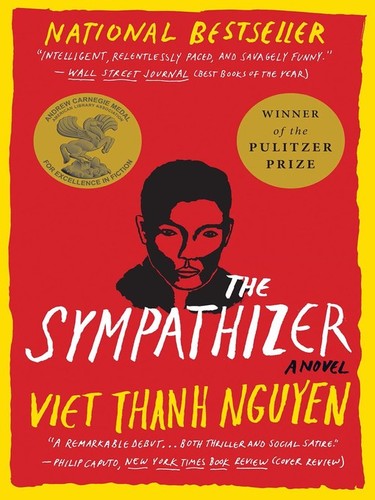
A communist spy in the South Vietnamese army escapes to America. Pulitzer Prize winner, darkly funny and challenging. Content note: torture and violence.
Best for: readers who like spy fiction.
2. The Sorrow of War by Bảo Ninh
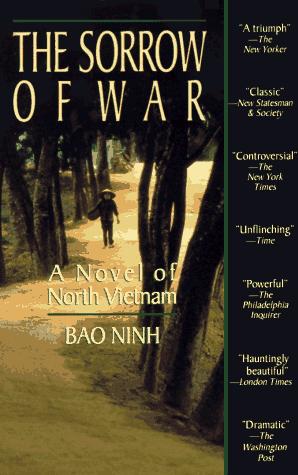
A veteran remembers the war in fragments. Haunting and humane. Content note: war violence.
Best for: readers who want a North Vietnamese soldier’s view.
3. The Mountains Sing by Nguyen Phan Que Mai
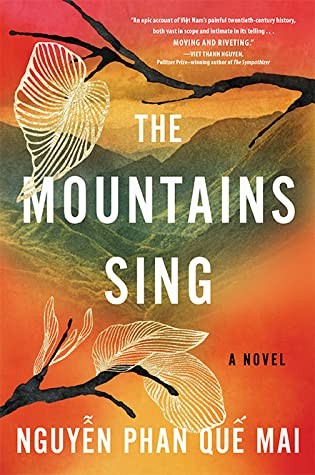
A grandmother and granddaughter in Hanoi live through war and famine across generations. Content note: war violence.
Best for: readers who like family sagas.
4. Dust Child by Nguyen Phan Que Mai
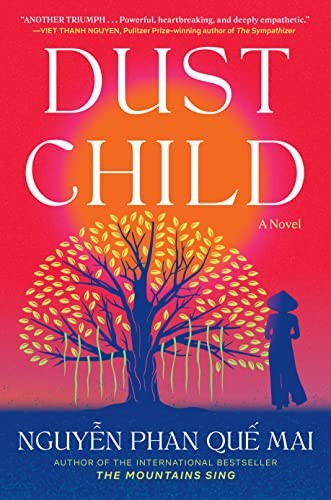
Characters search for lost family and truth in Vietnam after the war, including the children of American soldiers. Content note: war trauma.
Best for: readers interested in postwar stories.
5. Where the Ashes Are by Nguyen Qui Duc
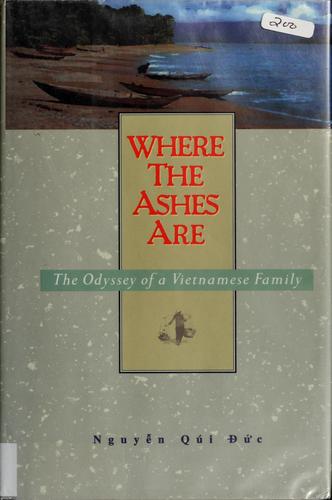
A man recounts his family’s story across wartime and exile. Tender and personal.
Best for: readers who like memoir.
6. Catfish and Mandala by Andrew X. Pham
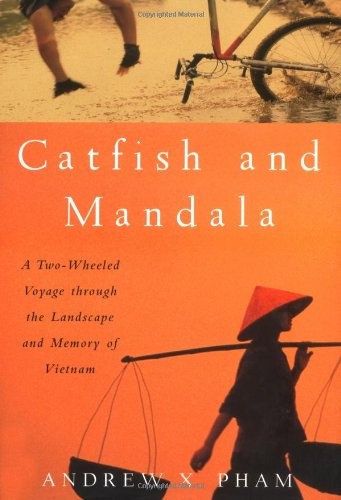
A Vietnamese American bicycles across the Pacific and Vietnam, confronting family history. Honest and funny.
Best for: readers who like travel memoir.
7. The Things They Carried by Tim O’Brien
Linked stories about American soldiers in Vietnam. A classic. Content note: war violence.
Best for: readers who like literature.
8. Dispatches by Michael Herr
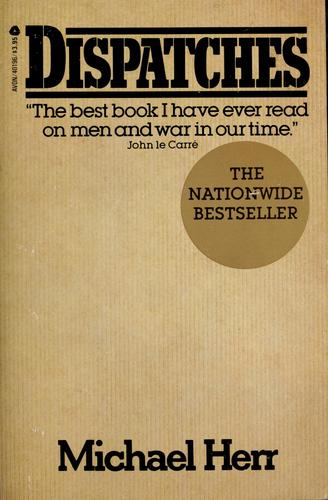
Herr’s vivid account of the Vietnam War. Hallucinatory and powerful. Content note: war violence and strong language.
Best for: readers who want raw reportage.
9. A Bright Shining Lie by Neil Sheehan
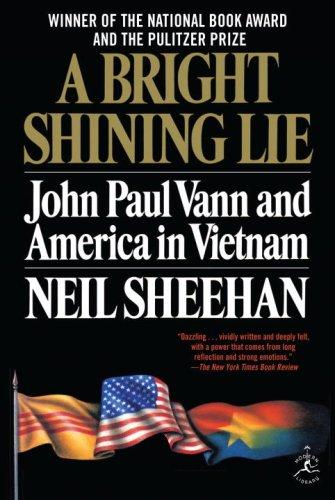
The story of John Paul Vann and the American war in Vietnam. A Pulitzer winner. Content note: war violence.
Best for: readers who want a major account.
10. The Quiet American by Graham Greene
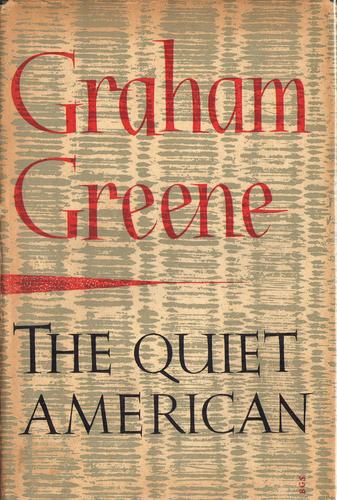
A British journalist and an American agent clash in 1950s Saigon. Short and prescient.
Best for: readers who like classic fiction.
11. The Lover by Marguerite Duras
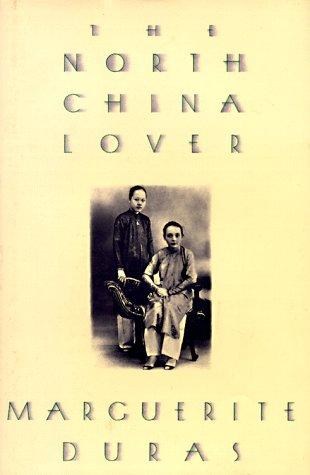
A French girl in colonial Indochina has an affair with a wealthy Chinese man. Spare and sensual. Content note: sexual content.
Best for: readers who like lyrical writing.
12. Vietnam: A History by Stanley Karnow
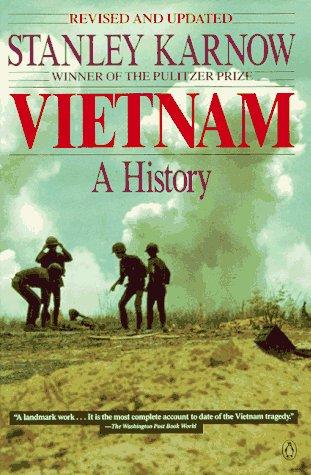
A thorough account of the Vietnam War and its background.
Best for: readers who want a comprehensive history.
13. Fire in the Lake by Frances FitzGerald
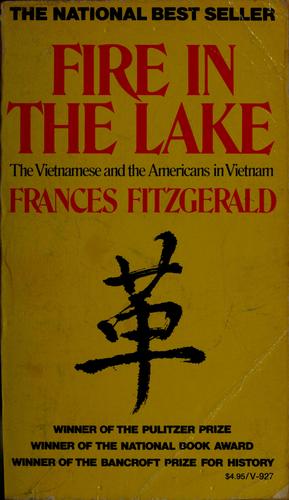
A Pulitzer-winning study of Vietnamese society and the American failure to understand it.
Best for: readers who want Vietnamese perspective.
14. Embers of War by Fredrik Logevall
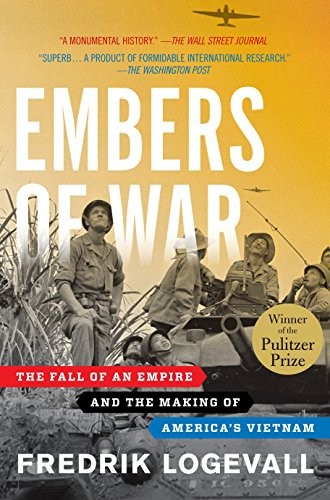
How French colonialism and the First Indochina War led to American involvement.
Best for: readers who want the origin.
15. Vietnam: Rising Dragon by Bill Hayton
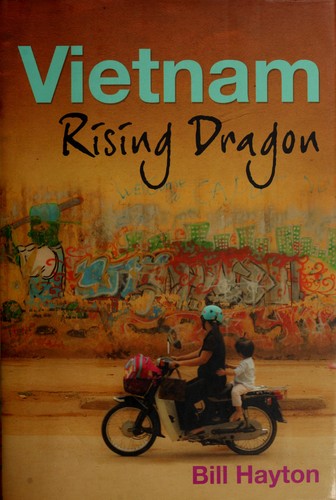
Explains Vietnam’s politics and economy since the war.
Best for: readers who want to understand today.
How to Choose the Right Book on Vietnam
Choose by perspective. For Vietnamese voices, The Sorrow of War, The Mountains Sing, Dust Child and Where the Ashes Are are essential. For American views, The Things They Carried, Dispatches and A Bright Shining Lie are classics. For a return story, Catfish and Mandala explores identity. For the spy novel that rethinks the war, The Sympathizer is brilliant. For colonial context, The Quiet American and The Lover are atmospheric. For history, Vietnam: A History, Fire in the Lake and Embers of War provide depth. For modern Vietnam, Vietnam: Rising Dragon is informative.
Which Book Should You Start With? A Quick Guide
If you are not sure where to begin, match your situation to the list below.
- Readers who like spy fiction: The Sympathizer
- Readers who want a North Vietnamese soldier’s view: The Sorrow of War
- Readers who like family sagas: The Mountains Sing
- Readers interested in postwar stories: Dust Child
- Readers who like memoir: Where the Ashes Are
- Readers who like travel memoir: Catfish and Mandala
- Readers who like literature: The Things They Carried
- Readers who want raw reportage: Dispatches
- Readers who want a major account: A Bright Shining Lie
- Readers who like classic fiction: The Quiet American
- Readers who like lyrical writing: The Lover
- Readers who want a comprehensive history: Vietnam: A History
- Readers who want Vietnamese perspective: Fire in the Lake
- Readers who want the origin: Embers of War
- Readers who want to understand today: Vietnam: Rising Dragon
A Simple Reading Plan
Treat the reading as a warm-up. Read The Sympathizer first for orientation, then The Sorrow of War for a human voice, and use The Mountains Sing or another title when you want depth. Alternate between fiction and nonfiction so your imagination and your knowledge grow together. Mark places you want to see, and map them. Reading on the plane is a pleasure, but reading in the weeks before gives you time to plan. If a book is too heavy, listen to it as an audiobook while packing, walking or cooking.
Print, E-Book or Audiobook?
You do not have to pick one format. For a book on Vietnam, listen to the audiobook while walking or driving, and keep the paper or e-book handy for the chapters you want to study. Reading and listening together can improve retention, since you hear the author’s voice and see the structure on the page. Library apps lend all three formats free, and used paperbacks are inexpensive. If your attention drifts with long audio sessions, try 1.25x speed for an easy book and normal speed for a dense one. Choose whatever makes it easiest to read a little every day.
How to Get More From What You Read
To get the most from your reading, connect it to the real world. Highlight passages that describe places you will see, and look up photos and maps. Cook a dish from Vietnam to taste what you read about, and listen to music from the region. Talk about what you are reading with someone who has visited or lives there, because their stories add texture. Keep a small notebook for questions to ask locals. Reading is the first step; curiosity on the ground is the second, and the two feed each other.
Reading on a Budget
Reading about Vietnam does not have to be expensive. Start at the library, where print books, e-books and audiobooks are free with a card and a hold list, and ask the librarian for related titles. Secondhand bookstores and online used sellers keep prices low, and older editions are usually just as good as new ones. Watch for e-book sales, and borrow a title before buying it to be sure it suits you. When a book becomes a favorite, buy a copy for your shelf so you can reread and annotate it.
Talk About What You Read
Talking about what you read turns information into understanding. After each book on Vietnam, tell someone one thing you learned, even if it is just a five-minute chat over dinner. Post a short review for other readers, which forces you to organize your thoughts. If a book raises difficult feelings, share them with a trusted friend or counselor instead of carrying them alone. And if you disagree with an author, say so; thoughtful disagreement is part of learning, and it sharpens your own view.
Common Mistakes to Avoid
Watch for these traps. First, assuming one author speaks for a whole country; Vietnam is far more varied than any book. Second, reading only historical books and missing present-day life. Third, relying on exotic or nostalgic portraits that locals may not recognize. Fourth, forgetting that some famous books are by visitors, with a visitor’s blind spots. Finally, skipping practical sources: official travel advisories, embassy sites and recent guidebooks matter for safety and logistics. Use these books to deepen your trip, not to replace planning.
How to Judge a Book on Vietnam
When choosing among books on Vietnam, ask who wrote it and why. Authors from the country often capture details outsiders miss, while visitors may explain things locals take for granted. Check the date, and look for reviews from readers who know the place. Be cautious with books that lean on stereotypes or promise to reveal the true spirit of a country in a single volume. Translations can vary in quality, so read a sample. Combining a classic with something recent helps you see both the history and the present.
Reading Is Not Planning
Reading prepares your mind, but practical planning prepares your trip. Use official sources for visas, vaccines, safety, currency and local rules, and look at recent traveler reports for current conditions. Books may describe places that have changed or closed. Be respectful of local customs, learn basic greetings and keep your plans flexible. If you are unsure about something, ask your hotel, a local guide or the embassy. With a little preparation, the stories you read will sit alongside real experiences.
Questions to Reflect On
Keep these in a notebook as you read:
- Which places in these books do I most want to see?
- Whose voice am I hearing: a local, a visitor or a historian?
- What do these books leave out?
- How might the place look different today?
- What would I like to ask a local when I arrive?
Tips for Reading About Vietnam
- Read Vietnamese voices. Include local authors.
- Visit war sites with care. They are memorials.
- Try the food. Pho, banh mi.
- Learn a few words. Xin chào.
- Pack for weather. It varies by region.
Related: 15 Best Books to Read Before Visiting Thailand and 15 Best Books to Read Before Visiting Peru.
Frequently Asked Questions
What are the best books to read before visiting Vietnam?
The Sympathizer, The Sorrow of War, Catfish and Mandala and Vietnam: A History are popular.
Are there books from Vietnamese perspectives?
Yes, The Sorrow of War, The Mountains Sing and Where the Ashes Are.
Any books on food?
Consider cookbooks and food memoirs once you are there; many bookshops sell them.
How many books on Vietnam should I read at once?
One or two at a time is plenty. Finish a book, try one idea from it and then move on, so what you read turns into something you do.
Are these books on Vietnam available as audiobooks?
Most of them are. Check your library’s app, such as Libby, or an audiobook service, and listen to a sample to see whether the narrator suits you.