

Disclosure: As an Amazon Associate, Bookish Wisdom earns from qualifying purchases. This doesn't change our picks or your price.
Quick answer: The best books to read if you want to be smart include Thinking, Fast and Slow by Daniel Kahneman, Sapiens by Yuval Noah Harari and Guns, Germs, and Steel by Jared Diamond, plus twelve more strong picks. Each one below has a short description and who it suits best, with a quick table to compare them.
Want to become smarter? Reading widely is one of the best ways to sharpen your thinking. These books cover how the mind works, history, science, economics and decision-making, giving you big ideas you will use for years. Each book is readable without a background in the subject, and many have short chapters you can finish in a lunch break.
Each book below has a short description and a note on who it suits best. Use the quick table to compare the picks at a glance, then read the full entries for the titles that catch your eye.
Table of Contents
Quick Picks at a Glance
| Book | Author | Best for |
|---|---|---|
| Thinking, Fast and Slow | Daniel Kahneman | decision making |
| Sapiens | Yuval Noah Harari | big history |
| Guns, Germs, and Steel | Jared Diamond | world history |
| A Short History of Nearly Everything | Bill Bryson | science |
| Freakonomics | Steven D. Levitt and Stephen J. Dubner | economics |
| The Selfish Gene | Richard Dawkins | evolution |
| Factfulness | Hans Rosling | data thinking |
| The Black Swan | Nassim Nicholas Taleb | uncertainty |
| Influence | Robert B. Cialdini | persuasion |
| Superforecasting | Philip E. Tetlock and Dan Gardner | prediction |
| The Gene | Siddhartha Mukherjee | genetics |
| Cosmos | Carl Sagan | the universe |
| Think Again | Adam Grant | rethinking |
| Range | David Epstein | learning |
| The Art of Thinking Clearly | Rolf Dobelli | biases |
1. Thinking, Fast and Slow by Daniel Kahneman
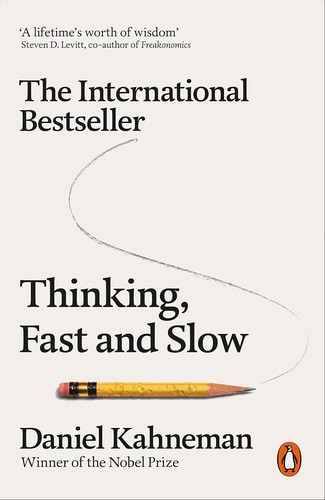
A Nobel winner explains the two systems behind how we think and where they go wrong.
2. Sapiens by Yuval Noah Harari
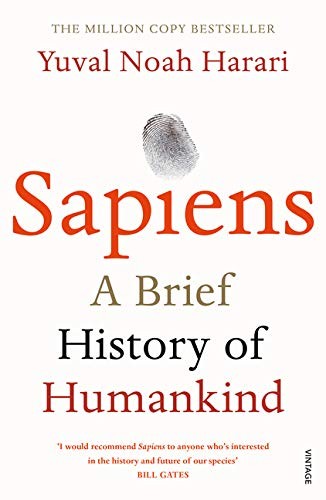
How Homo sapiens came to dominate the planet.
3. Guns, Germs, and Steel by Jared Diamond
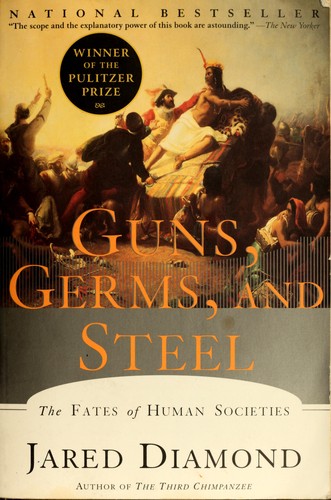
Why some societies conquered others. Pulitzer Prize winner.
4. A Short History of Nearly Everything by Bill Bryson
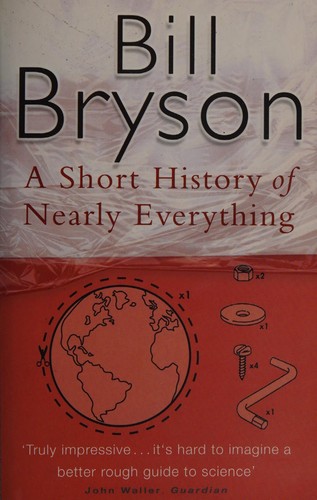
A funny tour of science, from the Big Bang to us.
5. Freakonomics by Steven D. Levitt and Stephen J. Dubner
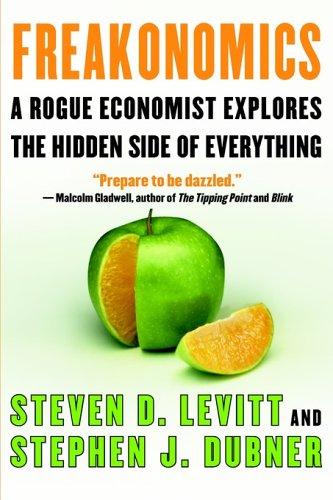
Surprising answers to everyday questions.
6. The Selfish Gene by Richard Dawkins
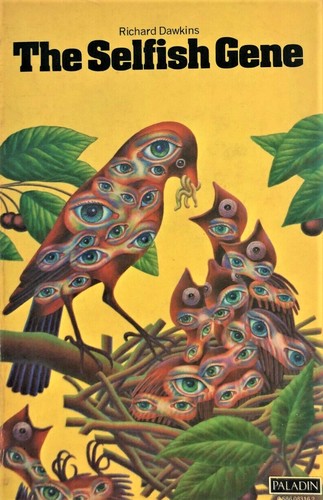
How genes shape life.
7. Factfulness by Hans Rosling
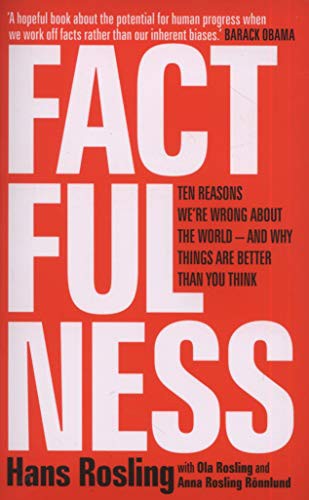
Why the world is better than we think.
8. The Black Swan by Nassim Nicholas Taleb
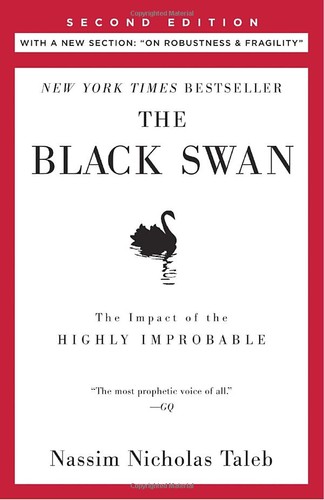
The impact of rare, unpredictable events.
9. Influence by Robert B. Cialdini
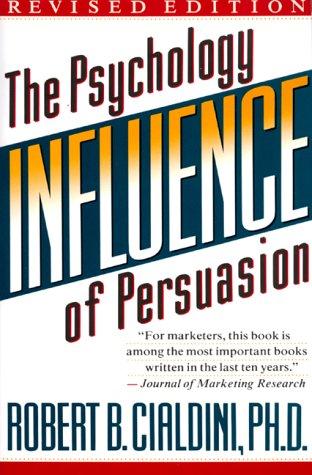
Six principles of persuasion.
10. Superforecasting by Philip E. Tetlock and Dan Gardner
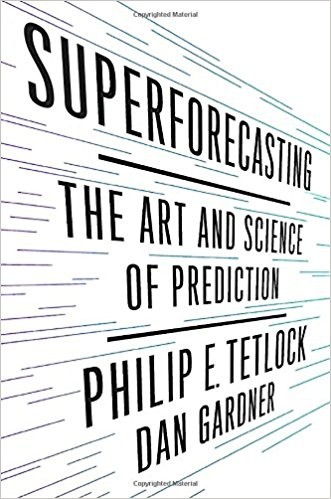
How to make better forecasts.
11. The Gene by Siddhartha Mukherjee
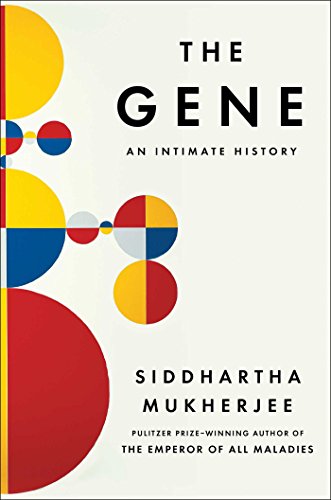
An intimate history of the gene.
12. Cosmos by Carl Sagan

Our place in the cosmos.
13. Think Again by Adam Grant
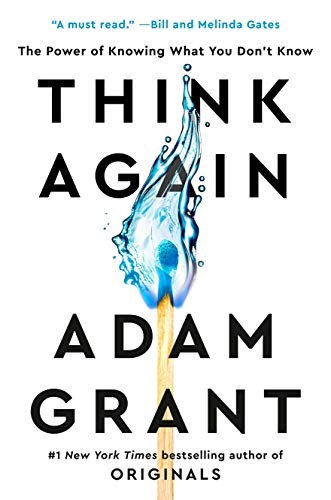
The power of knowing what you don't know.
14. Range by David Epstein
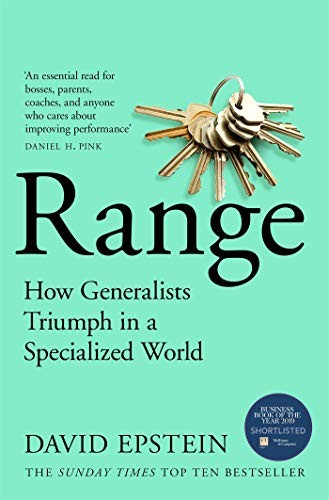
Why generalists triumph.
15. The Art of Thinking Clearly by Rolf Dobelli
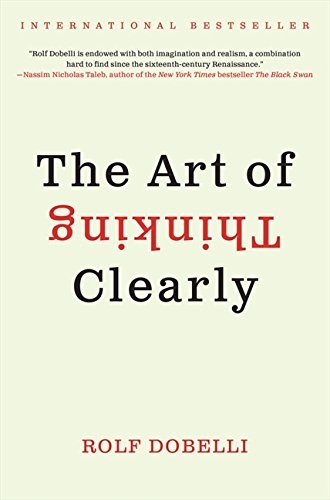
Ninety-nine thinking errors in short chapters.
How to Choose
Start with A Short History of Nearly Everything for fun or Thinking, Fast and Slow for depth. Short chapters in The Art of Thinking Clearly make it easy to read daily.
How We Chose These Books
Every pick is a real, widely available book with strong reviews from readers, teachers or librarians. We mixed well-known favourites with a few less obvious titles and noted who each one suits best. Check the description and the table before you buy, and borrow a copy from the library first if you are unsure.
Tips for Getting the Most From These Books
- Start with one. Pick the title that matches your goal today, not the longest one on the list.
- Sample first. Read the opening chapter in a library copy or ebook preview before you buy.
- Try audio. Many of these work well as audiobooks on a commute or walk.
- Mix formats. Try an audiobook or ebook version of one pick to see which format clicks.
- Keep a list. Jot down the titles you finish so you can look for more by the same authors.
Frequently Asked Questions
Which book should I start with?
Thinking, Fast and Slow by Daniel Kahneman is a strong first pick, and every book on this list is worth a look.
Where can I find these books?
Most of these titles are easy to find at public libraries and bookshops, and many are also available as ebooks or audiobooks.
Related: Thinking, Fast and Slow by Daniel Kahneman: Summary and Key Takeaways · Sapiens by Yuval Noah Harari: Summary and Key Takeaways