
Disclosure: As an Amazon Associate, Bookish Wisdom earns from qualifying purchases. This doesn’t change our picks or your price.
Quick answer: The best children’s books about autism acceptance help kids understand how autistic people experience the world and encourage friendship instead of judgment. Top picks include A Friend for Henry, My Brother Charlie, All My Stripes, Since We’re Friends, The Girl Who Thought in Pictures and Rules.
About 1 in 36 children in the United States is diagnosed with autism, so almost every child will have an autistic classmate, cousin or friend. Yet many kids don’t understand why a peer covers their ears, avoids eye contact or talks a lot about one favorite topic. Without explanation, differences can lead to teasing or exclusion. Books help close that gap. Stories told from an autistic child’s point of view build empathy, while books about siblings and friends show how to connect. For autistic kids themselves, seeing a character like them is powerful and affirming. Here are 15 books we recommend, from picture books for preschoolers to award-winning novels for older readers.
Table of Contents
Quick Picks at a Glance
| Book | Author | Ages | Best For |
|---|---|---|---|
| A Friend for Henry | Jenn Bailey | 4–8 | Making friends |
| My Brother Charlie | Holly Robinson Peete and Ryan Elizabeth Peete | 4–8 | Siblings |
| All My Stripes | Shaina Rudolph and Danielle Royer | 4–8 | Feeling different |
| Uniquely Wired | Julia Cook | 5–10 | Strengths and gifts |
| Since We’re Friends | Celeste Shally | 4–8 | Being a good friend |
| Ian’s Walk | Laurie Lears | 4–8 | Sensory differences |
| Too Sticky! | Jen Malia | 4–8 | Sensory issues |
| Benji, the Bad Day, and Me | Sally J. Pla | 4–8 | Bad days and empathy |
| I See Things Differently | Pat Thomas | 4–8 | First introduction |
| The Girl Who Thought in Pictures | Julia Finley Mosca | 5–9 | Autistic role models |
| Wonderfully Wired Brains | Louise Gooding | 8–12 | Neurodiversity |
| Different Like Me | Jennifer Elder | 8–12 | Autism heroes |
| A Boy Called Bat | Elana K. Arnold | 7–10 | Early chapter book |
| Rules | Cynthia Lord | 9–12 | Sibling feelings |
| Al Capone Does My Shirts | Gennifer Choldenko | 10–14 | Historical fiction |
1. A Friend for Henry by Jenn Bailey
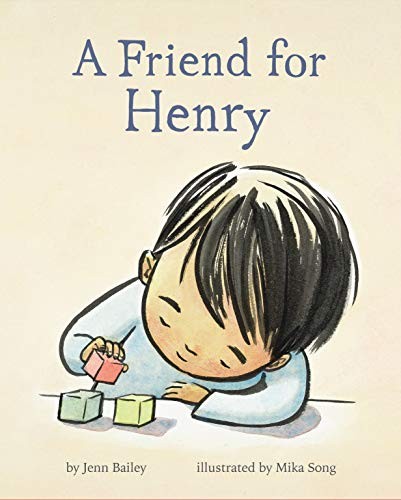
Henry, an autistic boy in Classroom Six, wants a friend who listens, shares and doesn’t make too much noise. After a few tries that go wrong, he finds Katie, who likes quiet too. This Schneider Family Book Award winner shows friendship from an autistic child’s point of view.
2. My Brother Charlie by Holly Robinson Peete and Ryan Elizabeth Peete
Written by actress Holly Robinson Peete and her daughter, this story is based on Ryan’s twin brother, who is autistic. Callie explains that Charlie doesn’t always talk much, but he loves music, swimming and their dog. It’s honest, loving and great for siblings.
3. All My Stripes by Shaina Rudolph and Danielle Royer
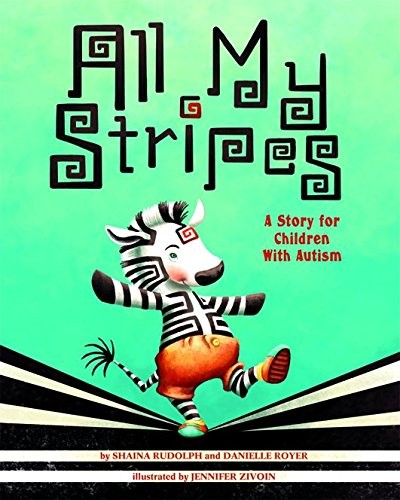
Zane the zebra worries that his classmates only see his autism stripe. His mom helps him see that he has many stripes, like honesty, curiosity and kindness, and autism is just one of them. Published by the American Psychological Association’s Magination Press.
4. Uniquely Wired by Julia Cook
Zak is obsessed with watches and knows everything about them. He explains in his own words why loud noises bother him and why he likes routines. Julia Cook focuses on the gifts that come with autism, making it a positive choice for classrooms.
5. Since We’re Friends by Celeste Shally
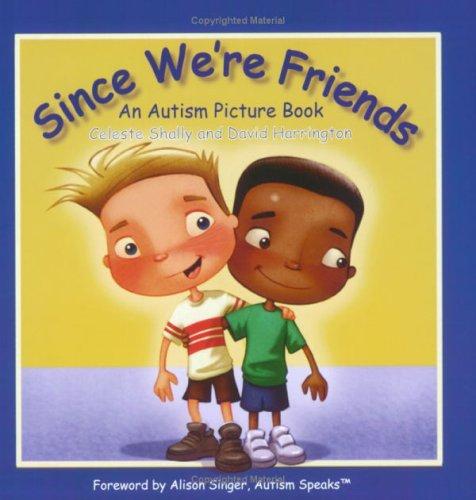
A boy describes how he helps his autistic friend Matt at the playground, at parties and during sports, and how Matt helps him too, especially with his amazing knowledge of animals. It’s a simple, practical model of friendship for young kids.
6. Ian’s Walk by Laurie Lears
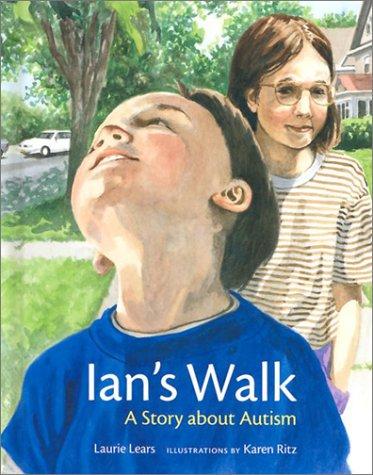
Julie is embarrassed by her autistic brother Ian, who experiences the world differently, like smelling bricks instead of flowers. When Ian gets lost at the park, Julie has to think the way he does to find him. It’s a moving story about seeing through someone else’s senses.
7. Too Sticky! by Jen Malia
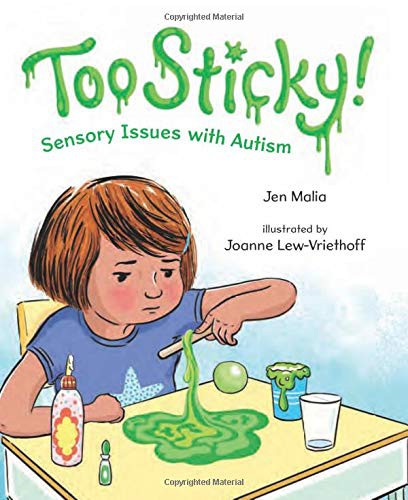
Holly loves science but hates sticky hands. When her class plans a slime experiment, she has to find a way to join in. Written by an autistic author, it shows sensory challenges with humor and helps kids understand why some textures feel unbearable.
8. Benji, the Bad Day, and Me by Sally J. Pla
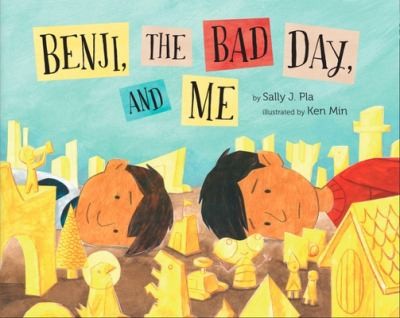
Sammy has a terrible day and nobody notices, because everyone is focused on his autistic little brother, Benji. But Benji notices, and he comforts Sammy in his own way. This tender book shows siblings that empathy can look different for everyone.
9. I See Things Differently by Pat Thomas
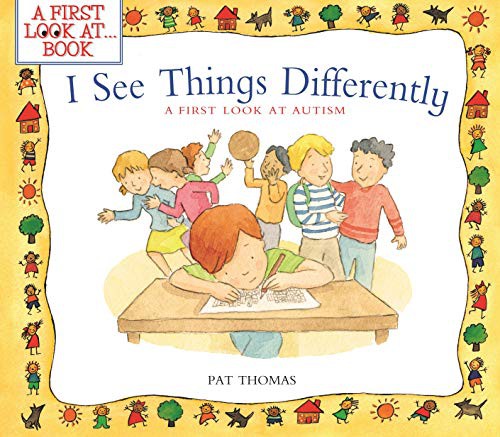
Part of the A First Look At series, this book explains autism in simple, neutral language with discussion questions on every spread. It’s a clear starting point for preschool and early elementary kids who are meeting an autistic classmate for the first time.
10. The Girl Who Thought in Pictures by Julia Finley Mosca
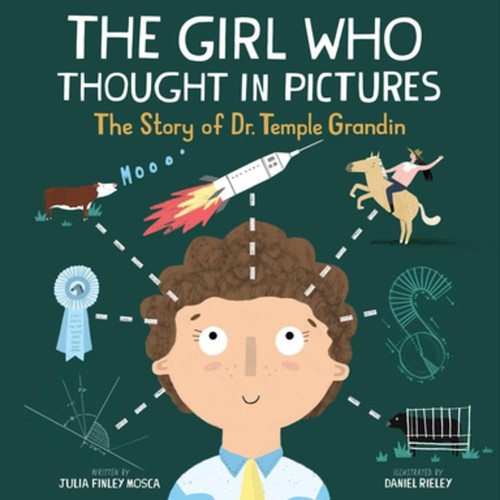
This rhyming biography tells the story of Temple Grandin, who didn’t speak until age four and went on to change the livestock industry with her visual thinking. Part of the Amazing Scientists series, it shows autistic kids what’s possible.
11. Wonderfully Wired Brains by Louise Gooding
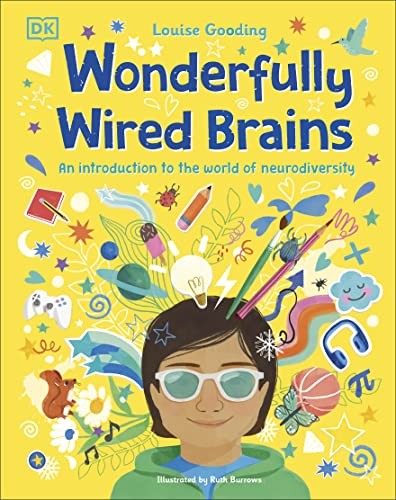
Written by a neurodivergent author, this colorful guide explains autism, ADHD, dyslexia and more. It features real stories from neurodivergent people and celebrates different ways of thinking. Kids ages 8 to 12 will find it engaging and affirming.
12. Different Like Me by Jennifer Elder
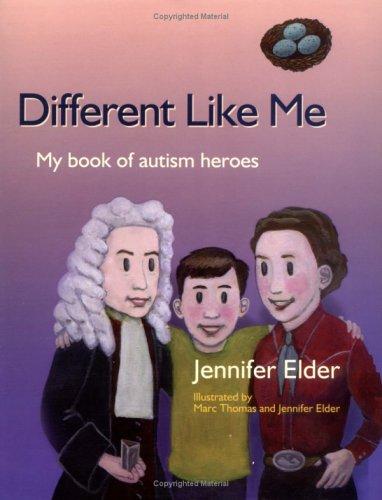
Quinn, an autistic boy, introduces readers to famous people from history who may have been autistic, including scientists, artists and mathematicians. Each profile is short and fun, and it helps kids see autism as part of a long line of brilliant minds.
13. A Boy Called Bat by Elana K. Arnold
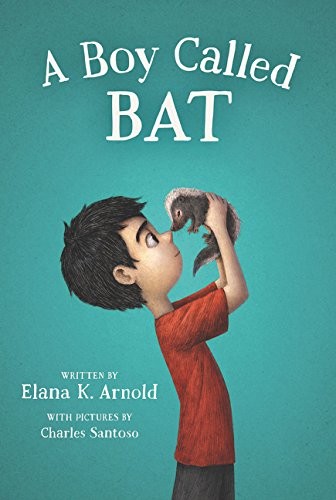
Bixby Alexander Tam, called Bat, is an autistic third grader who is determined to care for a baby skunk his veterinarian mom brings home. This warm, funny early chapter book shows Bat’s thinking from the inside and is the first in a trilogy.
14. Rules by Cynthia Lord
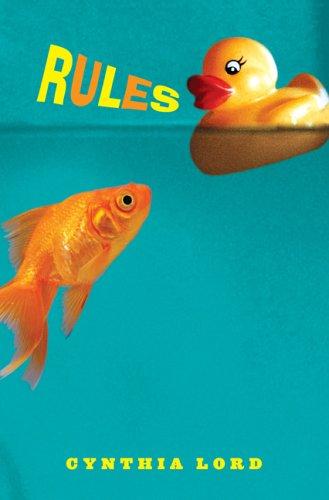
Twelve-year-old Catherine loves her autistic brother David but wishes for a normal life. She writes him rules to help him fit in, then befriends a boy who uses a wheelchair and communication cards. This Newbery Honor book honestly explores sibling feelings.
15. Al Capone Does My Shirts by Gennifer Choldenko
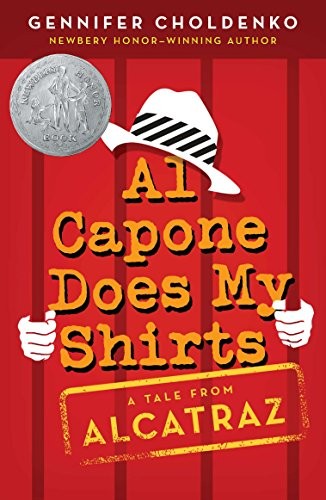
In 1935, Moose Flanagan moves to Alcatraz Island, where his father is a guard. His older sister Natalie is autistic, though no one has that word yet. This funny, heartfelt Newbery Honor novel shows a family’s love long before autism was understood.
Tips for Teaching Kids About Autism Acceptance
- Explain differences simply. Some brains notice sounds, lights and textures more strongly than others.
- Focus on what kids share. Autistic kids want friends, fun and kindness too.
- Teach different ways to connect. Playing side by side or sharing a favorite topic is real friendship.
- Respect sensory needs. Headphones, flapping or needing a quiet space aren’t rude; they help.
- Listen to autistic voices. Choose books by autistic authors when you can.
- Model acceptance. Kids notice how adults talk about people who are different.
Related: children’s books about having ADHD and children’s books about diversity and inclusion.
Frequently Asked Questions
What is the best children’s book about autism?
A Friend for Henry by Jenn Bailey is a top pick for ages 4 to 8. For older kids, Rules by Cynthia Lord and A Boy Called Bat by Elana K. Arnold are excellent.
How do I explain autism to a 5 year old?
Say that everyone’s brain works a little differently, and autistic people may feel sounds or textures more strongly or play in their own way. Books like I See Things Differently and Since We’re Friends help.
What book helps siblings of autistic children?
My Brother Charlie, Benji, the Bad Day, and Me, and Rules are all written from a sibling’s point of view and validate the love and frustration siblings may feel.