
Disclosure: As an Amazon Associate, Bookish Wisdom earns from qualifying purchases. This doesn’t change our picks or your price.
Quick answer: These 15 graphic novel books suit middle schoolers (ages 10–13). Start with Smile, New Kid, Amulet: The Stonekeeper, El Deafo, Bone: Out from Boneville or Hilo: The Boy Who Crashed to Earth. Each pick below has a short blurb, an age range and a content note where it matters.
Graphic novels are real reading. They train kids to follow plot, infer emotion from faces and connect words with images, and they are often the books that turn a hesitant reader into a regular one. Today’s graphic novels cover every genre, from true-life memoirs and school stories to epic fantasy and history. This list collects fifteen of the best for ages 10 to 13, with some for younger middle graders and others for those ready for more serious subjects. We note where books touch on heavy topics. If your child groans at long chapters, try one of these, and you may not see them again until it is finished.
Table of Contents
Quick Picks at a Glance
| Book | Author | Ages | Best For |
|---|---|---|---|
| Smile | Raina Telgemeier | 8–12 | real-life story fans |
| New Kid | Jerry Craft | 8–12 | school-story fans |
| Amulet: The Stonekeeper | Kazu Kibuishi | 8–13 | epic fantasy fans |
| El Deafo | Cece Bell | 7–12 | memoir fans |
| Bone: Out from Boneville | Jeff Smith | 8–13 | adventure and humor fans |
| Hilo: The Boy Who Crashed to Earth | Judd Winick | 7–11 | action-comedy fans |
| Real Friends | Shannon Hale and LeUyen Pham | 8–12 | friendship-story readers |
| Dog Man | Dav Pilkey | 6–10 | humor fans |
| Pashmina | Nidhi Chanani | 9–13 | family-story fans |
| Roller Girl | Victoria Jamieson | 8–12 | sports and friendship fans |
| Wings of Fire: The Dragonet Prophecy (Graphic Novel) | Tui T. Sutherland | 8–12 | dragon fans |
| Nathan Hale’s Hazardous Tales: One Dead Spy | Nathan Hale | 8–12 | history fans |
| Brave | Svetlana Chmakova | 8–12 | school-story readers |
| Mighty Jack | Ben Hatke | 8–12 | magic-beans fans |
| Zita the Spacegirl | Ben Hatke | 7–12 | space adventure fans |
1. Smile by Raina Telgemeier
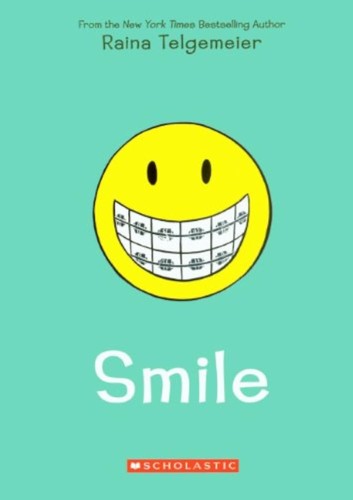
Raina’s dental accident leads to years of braces, awkward friendships and growing up. This memoir graphic novel is funny and honest. It’s a favorite for kids who love relatable stories, and has sequels like Sisters.
Best for: real-life story fans. Ages: 8–12.
2. New Kid by Jerry Craft
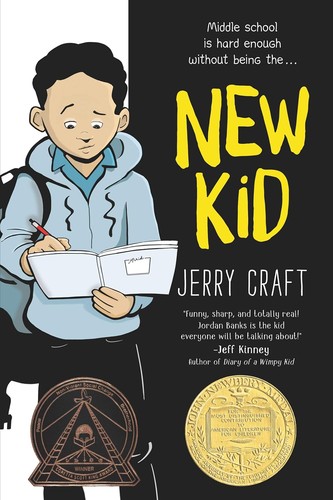
Jordan Banks, a Black seventh grader, starts at an elite private school and navigates microaggressions and friendship. Humor and heart make it a strong conversation starter. It won the Newbery Medal and Kirkus Prize.
Best for: school-story fans. Ages: 8–12.
3. Amulet: The Stonekeeper by Kazu Kibuishi
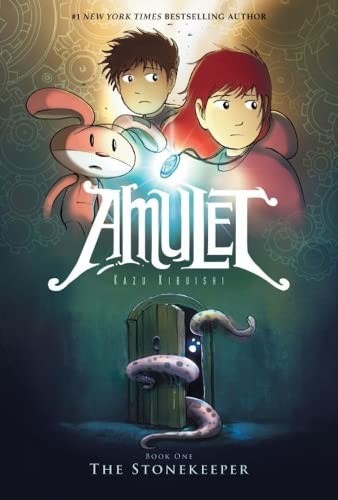
After a family tragedy, Emily and Navin follow a magic amulet into a strange world. Beautiful artwork and a fast quest. It’s the first book in a long series. Content note: family peril.
Best for: epic fantasy fans. Ages: 8–13.
4. El Deafo by Cece Bell
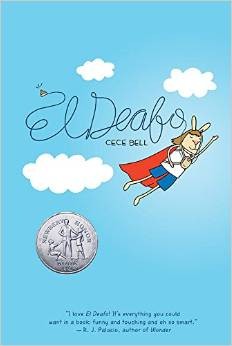
Cece loses her hearing as a child and gets a bulky hearing aid, which also gives her a secret superpower. It’s a funny, tender memoir about deaf identity. It’s an inspiring read.
Best for: memoir fans. Ages: 7–12.
5. Bone: Out from Boneville by Jeff Smith
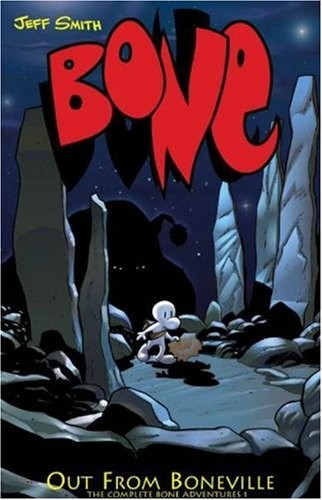
Three cousins are lost in a valley full of strange creatures and a looming evil. It blends comedy with epic fantasy. A modern classic with a large, loyal fan base.
Best for: adventure and humor fans. Ages: 8–13.
6. Hilo: The Boy Who Crashed to Earth by Judd Winick
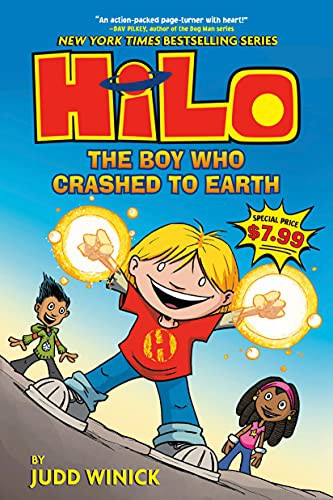
A boy falls from the sky with no memory and befriends two kids, DJ and Gina. Robots, jokes and mysteries abound. It’s lively and warm. Content note: cartoon peril.
Best for: action-comedy fans. Ages: 7–11.
7. Real Friends by Shannon Hale and LeUyen Pham
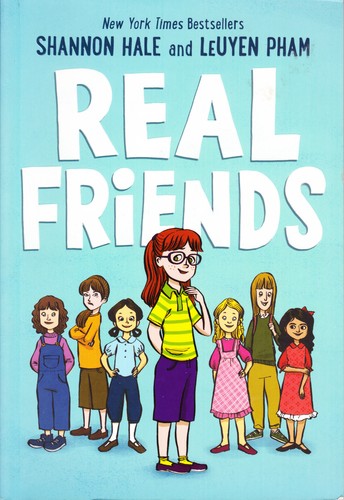
Shannon recalls the ups and downs of friendship in her elementary years. The story is sensitive and relatable. It deals with feeling left out.
Best for: friendship-story readers. Ages: 8–12.
8. Dog Man by Dav Pilkey
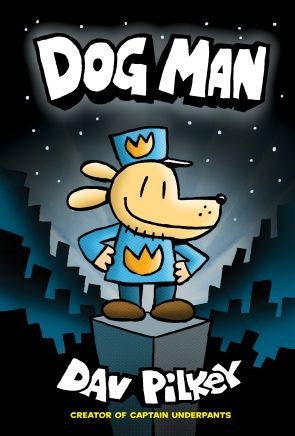
A half-dog, half-cop hero fights crime in this silly spin-off of Captain Underpants. Short, funny and endlessly rereadable. Best for younger or reluctant readers. Content note: cartoon silliness.
Best for: humor fans. Ages: 6–10.
9. Pashmina by Nidhi Chanani
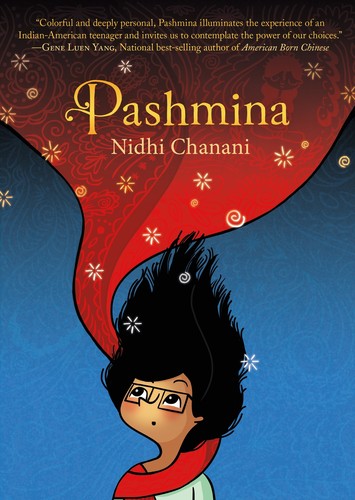
Priyanka finds a magical pashmina that transports her to an imagined India and unravels her family’s secrets. Vivid art and an engaging story about heritage. A thoughtful pick.
Best for: family-story fans. Ages: 9–13.
10. Roller Girl by Victoria Jamieson
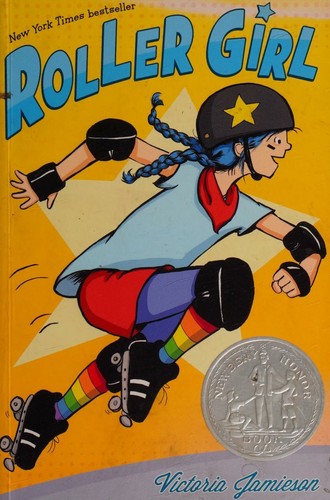
Astrid falls in love with roller derby while her best friend drifts. It’s a funny, tough story about growing apart. The art is lively and energetic.
Best for: sports and friendship fans. Ages: 8–12.
11. Wings of Fire: The Dragonet Prophecy (Graphic Novel) by Tui T. Sutherland
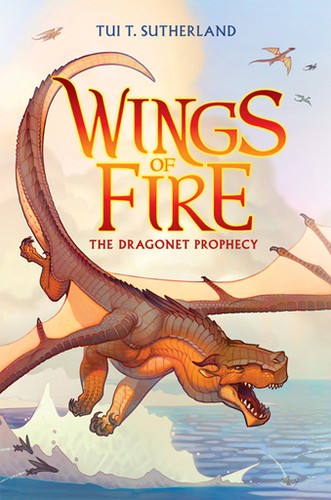
The popular dragon novel is adapted into a graphic novel with Mike Holmes’ illustrations. It’s a good way to meet the series. Perfect for visual readers. Content note: fantasy violence.
Best for: dragon fans. Ages: 8–12.
12. Nathan Hale’s Hazardous Tales: One Dead Spy by Nathan Hale
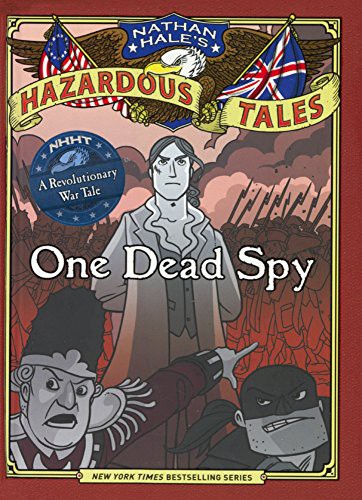
Nathan Hale, the Revolutionary War spy, narrates his story to a hangman and a British officer. History is told with humor and drawings. The series covers many historical events. Content note: war peril.
Best for: history fans. Ages: 8–12.
13. Brave by Svetlana Chmakova
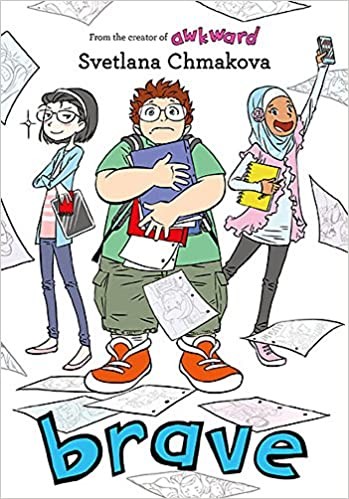
Jensen, a middle schooler, daydreams about adventures but must stand up for himself. It’s part of the Berrybrook Middle School series. Anime-style art and warm characters make it a hit.
Best for: school-story readers. Ages: 8–12.
14. Mighty Jack by Ben Hatke
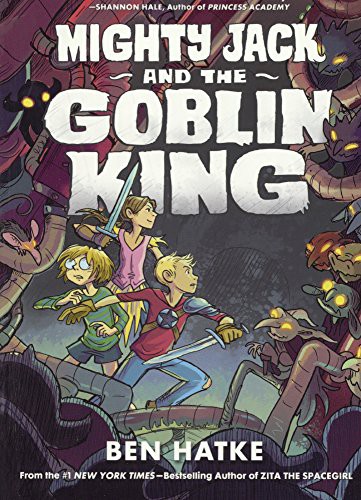
A boy trades a game console for magic seeds and finds a garden full of danger. It’s a clever Jack and the Beanstalk spin-off. Ben Hatke’s art is charming and imaginative. Content note: monster peril.
Best for: magic-beans fans. Ages: 8–12.
15. Zita the Spacegirl by Ben Hatke
Zita travels to another planet to rescue her friend from aliens. It’s a lively sci-fi adventure with a plucky heroine. The first of a trilogy.
Best for: space adventure fans. Ages: 7–12.
How to Match a Graphic Novel Book to Your Middle School
Middle school readers range widely. One eleven-year-old may still love illustrated chapter books, while another is ready for novels with darker themes. Start with the reader’s current favorites, then pick a graphic novel title with a similar length and pace. Look at the first page together: if your middle school can read it smoothly and wants to continue, it is a good fit. Short chapters and strong openings help hesitant readers, while avid readers can handle longer books and series. Pay attention to content notes in this list, and preview a book if your child is sensitive to a particular topic. When in doubt, offer two or three choices and let your child decide, because a book they choose is a book they are more likely to finish.
A Simple Reading Plan for Graphic Novel Books
Choose one book from the list to start this week and set a modest goal, such as twenty minutes a day. Keep a library card in use, since borrowing lets your child try several graphic novel books without cost. Read the same book yourself, or listen to it as an audiobook in the car, so you can chat about it at dinner. When your middle school finishes, ask which part they liked best and whether they want to try the next book in a series or a similar title from this list. A simple chart on the fridge can track finished books. Celebrate progress with a trip to the library or bookstore rather than with screen time or a prize.
Why Graphic Novel Books Matter for Middle Schoolers
Reading graphic novel books during the middle school years does more than fill free time. Children this age are building stamina for longer texts, growing their vocabulary and learning to follow complex plots, and they do those things best when they enjoy what they read. A book that fits their interests teaches them that reading is a source of pleasure, not only an assignment. It also gives you a way to talk about hard subjects, friendships and choices through characters, which can be easier than talking about their own lives. Research on reading habits repeatedly finds that children who read for fun do better in school, so a good graphic novel book is worth far more than its price.
Where to Find and How to Read These Books
Buying every book on this list is not necessary. Start at your public library, where you can borrow print copies, e-books and audiobooks with a free card, and use the holds feature for popular titles. Paperbacks are usually the best value for books your child will reread, and hardcovers hold up better for favorites that will be passed down. Used copies are often cheap, and a classroom or neighborhood swap can add variety. Large-print or dyslexia-friendly editions help some readers, and audiobooks are a good support for children who are building stamina. Whatever format you choose, keep a few graphic novel books visible on a shelf or by the bed so reading is the easy choice.
After the Last Page: What to Read Next
The last page of a book is a good moment to keep the momentum going. Ask your child what they liked, then look for the sequel, another book by the same author or a similar title from this list. Many children enjoy a small ritual, such as choosing the next graphic novel book at the library every week. If a book did not work, treat that as information, not failure; it simply tells you what to try next. Notice patterns, such as whether your child prefers short chapters, humor or fast plots, and use them to guide future picks. Over a few months, those small choices add up to a real reading habit.
A Quick Checklist Before You Pick a Graphic Novel Book
Ask these questions before you borrow or buy:
- Is the length right? A 150-page book is a confident win, while a 400-page book is a project.
- Does the first chapter hook your child within a few pages?
- Is the content right for their age and sensitivity?
- Is there a sequel or companion book waiting if they love it?
- Can you find it at your library so there is no risk?
Questions to Talk About After Reading
These work for almost any book on this list:
- What was your favorite part, and why?
- Which character would you want as a friend?
- What would you have done differently in the main character’s place?
- Did the ending surprise you?
- Which book from this list do you want to read next?
Tips for Choosing Graphic Novel Books for Middle Schoolers
- Treat graphic novels as books. Reading them counts, and they build vocabulary and visual literacy.
- Start with a favorite genre. Memoir, fantasy, history and humor are all available in graphic form.
- Check for heavier topics. Some books explore bullying or family problems. Preview as needed.
- Use the library. Libraries have large graphic-novel collections and let kids sample widely.
- Read together. Discuss the art and what faces reveal about characters.
Related: 15 best book club books for middle schoolers and 15 best books for reluctant readers in middle school.
Frequently Asked Questions
Are graphic novels good for middle schoolers?
Yes. They support reading skills, motivate reluctant readers and cover rich topics.
What are the best graphic novels for 11-year-olds?
Smile, New Kid, Amulet and Bone are popular for this age.
Do graphic novels count as reading?
Yes. They require following words and pictures and understanding story structure.