
Disclosure: As an Amazon Associate, Bookish Wisdom earns from qualifying purchases. This doesn’t change our picks or your price.
Quick answer: These 15 graphic novel books suit teens (ages 13 and up). Start with Persepolis, Maus, March: Book One, American Born Chinese, Heartstopper, Volume 1 or Nimona. Each pick below has a short blurb, an age range and a content note where it matters.
Graphic novels give teens an entry point into history, identity and storytelling that feels fresh. From memoirs of life under revolution to superhero reinventions and tender romances, the best titles show what comics can do. This list collects fifteen outstanding books for ages 13 and up. Some address heavy topics such as war, racism and sexuality, and we label those clearly. Teens can read quickly and still grapple with big ideas, and many classrooms and libraries now stock these titles. Whether your teen is a lifelong comics fan or has never tried one, there is a book here.
Table of Contents
Quick Picks at a Glance
| Book | Author | Ages | Best For |
|---|---|---|---|
| Persepolis | Marjane Satrapi | 14+ | memoir readers |
| Maus | Art Spiegelman | 14+ | history readers |
| March: Book One | John Lewis, Andrew Aydin and Nate Powell | 13+ | civil rights history fans |
| American Born Chinese | Gene Luen Yang | 13+ | identity-story readers |
| Heartstopper, Volume 1 | Alice Oseman | 13+ | sweet romance fans |
| Nimona | N.D. Stevenson | 13+ | fantasy and humor fans |
| Scott Pilgrim’s Precious Little Life | Bryan Lee O’Malley | 15+ | video-game fans |
| Ms. Marvel, Vol. 1: No Normal | G. Willow Wilson and Adrian Alphona | 12+ | superhero fans |
| Spinning | Tillie Walden | 14+ | memoir readers |
| This One Summer | Mariko Tamaki and Jillian Tamaki | 14+ | coming-of-age readers |
| Hey, Kiddo | Jarrett J. Krosoczka | 14+ | memoir readers |
| Check, Please! Book 1: Hockey | Ngozi Ukazu | 14+ | sports and humor fans |
| Lumberjanes, Vol. 1: Beware the Kitten Holy | Noelle Stevenson, Grace Ellis and Brooke Allen | 11+ | friendship-and-adventure fans |
| Fullmetal Alchemist, Vol. 1 | Hiromu Arakawa | 12+ | manga fans |
| Watchmen | Alan Moore and Dave Gibbons | 16+ | superhero-deconstruction fans |
1. Persepolis by Marjane Satrapi
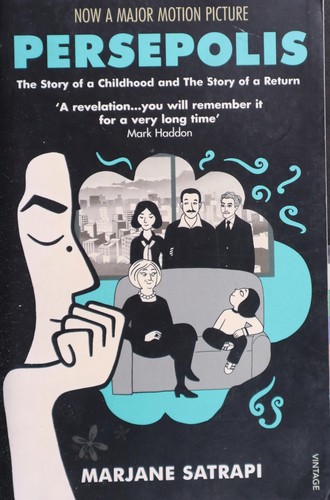
Satrapi recalls growing up in Iran during and after the Islamic Revolution. The simple black-and-white art delivers a powerful, personal story. It’s a landmark graphic memoir. Content note: war, violence and political oppression.
Best for: memoir readers. Ages: 14+.
2. Maus by Art Spiegelman
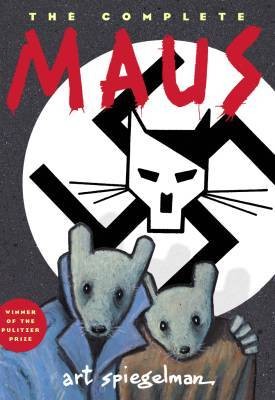
Spiegelman tells his father’s Holocaust survival story with mice and cats. It’s the only graphic novel to win a Pulitzer Prize. Intense and unforgettable, it deserves discussion. Content note: Holocaust violence and trauma.
Best for: history readers. Ages: 14+.
3. March: Book One by John Lewis, Andrew Aydin and Nate Powell
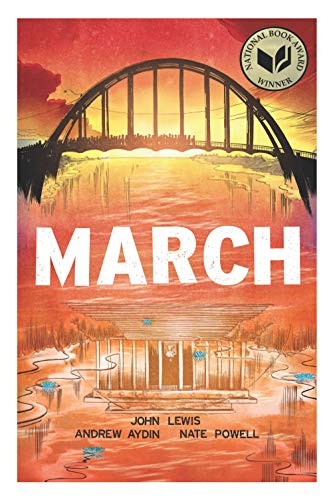
Congressman John Lewis recalls his early life and the beginning of the civil rights movement. The art is evocative and the story inspiring. It’s the first of a trilogy. Content note: racism and violence.
Best for: civil rights history fans. Ages: 13+.
4. American Born Chinese by Gene Luen Yang
Three storylines, including a Monkey King tale, a boy at a new school and a sitcom-like cousin, converge. It explores identity and stereotypes cleverly. A landmark graphic novel for young adults. Content note: racial stereotyping.
Best for: identity-story readers. Ages: 13+.
5. Heartstopper, Volume 1 by Alice Oseman
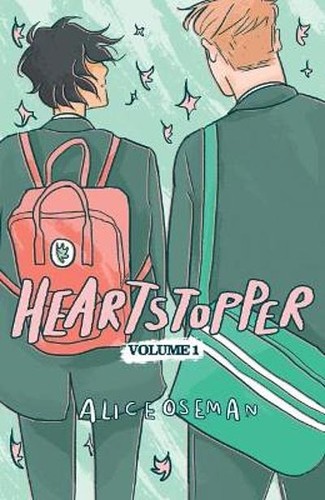
Charlie and Nick, two boys at an English school, become friends and then something more. The story is gentle and hopeful. It inspired a popular TV series. Content note: bullying and coming-out themes.
Best for: sweet romance fans. Ages: 13+.
6. Nimona by N.D. Stevenson
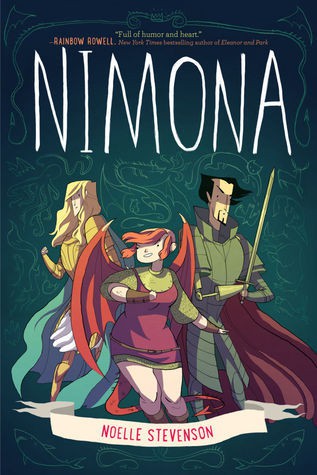
A shapeshifting teen becomes a villain’s sidekick in a world mixing medieval and sci-fi elements. It’s witty, heartfelt and bold. The book started as a webcomic.
Best for: fantasy and humor fans. Ages: 13+.
7. Scott Pilgrim’s Precious Little Life by Bryan Lee O’Malley
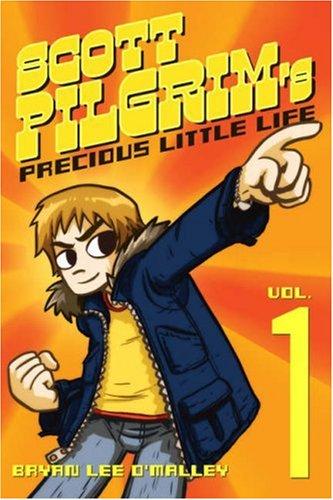
Scott must defeat his new girlfriend’s seven evil exes. It’s a fast, funny book full of gaming references. It contains cartoon violence and drinking. Content note: violence, drinking and language.
Best for: video-game fans. Ages: 15+.
8. Ms. Marvel, Vol. 1: No Normal by G. Willow Wilson and Adrian Alphona
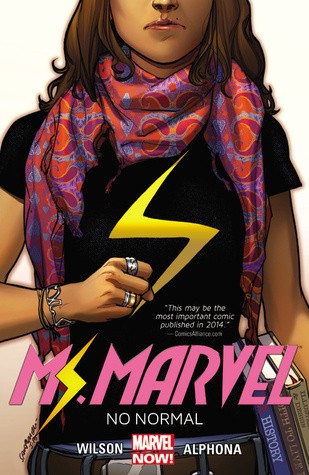
Kamala Khan, a Muslim teen in New Jersey, gains shape-shifting powers. The story blends humor, family and identity. A fresh take on superheroes.
Best for: superhero fans. Ages: 12+.
9. Spinning by Tillie Walden
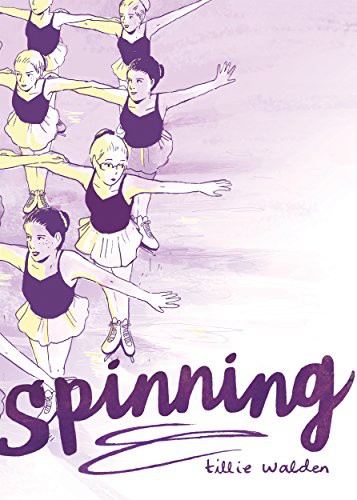
Walden recounts her years as a competitive figure skater while questioning her identity. The art is spare and powerful. It addresses a sexual assault and coming out. Content note: sexual assault and coming-out themes.
Best for: memoir readers. Ages: 14+.
10. This One Summer by Mariko Tamaki and Jillian Tamaki
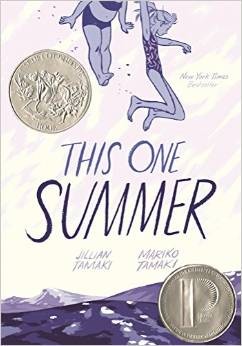
Rose and Windy spend a summer at a beach town, observing the adult world. The art is lyrical, and the story is moody. It has mature themes and has been challenged in some schools. Content note: mature themes.
Best for: coming-of-age readers. Ages: 14+.
11. Hey, Kiddo by Jarrett J. Krosoczka
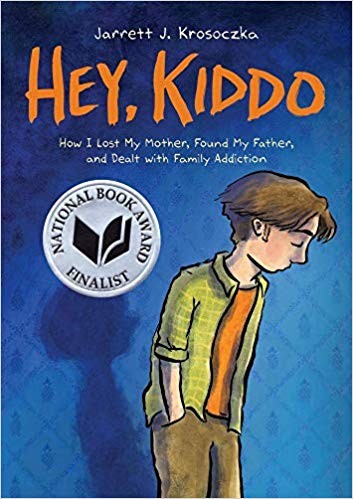
Krosoczka grew up with his grandparents while his mother struggled with addiction. It’s a moving memoir about family and art. It contains addiction themes. Content note: addiction and family trauma.
Best for: memoir readers. Ages: 14+.
12. Check, Please! Book 1: Hockey by Ngozi Ukazu
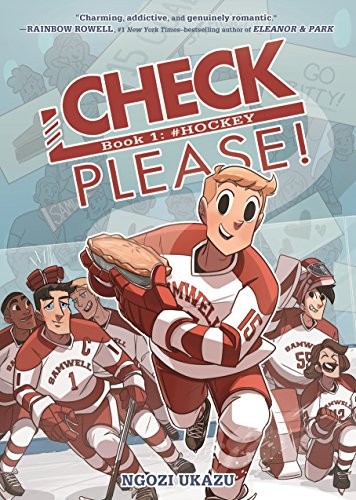
Bitty, a former figure skater, joins a college hockey team and finds family. Funny and warm, it began as a webcomic. It includes some language. Content note: language.
Best for: sports and humor fans. Ages: 14+.
13. Lumberjanes, Vol. 1: Beware the Kitten Holy by Noelle Stevenson, Grace Ellis and Brooke Allen
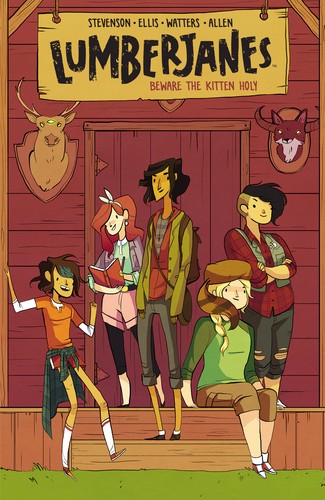
Five friends at a summer camp face monsters and mysteries. It’s funny and inclusive. Teens who like Gravity Falls will enjoy it.
Best for: friendship-and-adventure fans. Ages: 11+.
14. Fullmetal Alchemist, Vol. 1 by Hiromu Arakawa
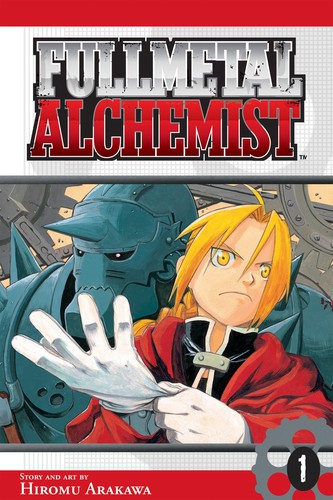
Brothers Edward and Alphonse Elric use alchemy to try to restore their bodies after a tragic mistake. This acclaimed manga mixes action, humor and moral questions. It’s the start of a long, popular series. Content note: violence and loss.
Best for: manga fans. Ages: 12+.
15. Watchmen by Alan Moore and Dave Gibbons
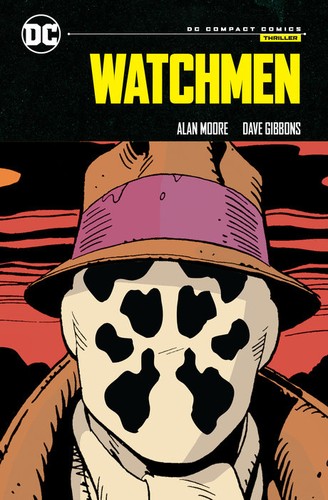
In an alternate 1985, retired masked heroes investigate a murder. It’s a dark, complex classic that reshaped comics. Best for mature teens. Content note: graphic violence and sexual content.
Best for: superhero-deconstruction fans. Ages: 16+.
How to Match a Graphic Novel Book to Your Teen
Teen readers want books that respect their intelligence and reflect real feelings. Begin with what your teen already enjoys, whether that is a show, a game or a favorite author, and choose a graphic novel title that echoes it. Teens often prefer to pick for themselves, so offer a short stack instead of one assigned book. Read the content notes in this list, since some books cover mature themes, and talk openly about them. A short, fast-paced novel is a good way back into reading for someone who has drifted away, while avid readers may enjoy long series. Libraries, e-books and audiobooks all count as reading, and a teen who listens on a commute is still building vocabulary.
A Simple Reading Plan for Graphic Novel Books
Pick one title to try this month and set a small target, such as ten to twenty pages a day or one chapter before bed. Library apps and e-readers make graphic novel books easy to carry, and audiobooks fill commutes and chores. If a book does not hook your teen within the first fifty pages, switching is fine. Not every book suits every reader. Encourage your teen to share what they are reading with friends, in a club or online, since talking about books keeps the habit alive. A short list of next reads on a phone note can help them keep going without searching each time.
Why Graphic Novel Books Matter for Teens
Reading graphic novel books as a teen does more than pass time. Fiction and narrative nonfiction build empathy by letting readers live inside other people’s choices, and they strengthen the focus and vocabulary that school, college and work reward. Teens who read for pleasure tend to do better academically, and they often say books helped them feel less alone. A graphic novel book can also be a bridge for conversation, giving parents and teens a safe way to talk about difficult subjects through characters instead of directly. Because teens are busy, the best strategy is to make reading easy and rewarding, which is exactly what a well-chosen book does.
Where to Find and How to Read These Books
You do not need to buy every title. A library card gives your teen free access to print books, e-books and audiobooks through apps such as Libby, and holds let you queue popular graphic novel titles. Paperbacks are the best value, and used copies are plentiful for older bestsellers. E-readers and phones make books easy to carry, and audiobooks turn commutes, workouts and chores into reading time. Many schools also run reading lists and book clubs that use these titles. If your teen likes a book, check whether it has a sequel or a companion book, because finishing a series is often what turns a casual reader into a committed one.
After the Last Page: What to Read Next
When your teen finishes a book, the best next step is usually a short conversation, not a quiz. Ask what they thought of the ending, whether they would recommend it and what they want to read next. Then look for a sequel, another book by the same author or a similar graphic novel title from this list. A shared reading list on a phone, a library hold queue or a school or online book club can keep the momentum going. If a book did not work, that is useful information about taste. Trying a few different books is how teens find what they love.
A Quick Checklist Before You Pick a Graphic Novel Book
Ask these questions before you borrow or buy:
- Does the opening grab your teen within the first chapter or two?
- Is the content, including violence, language and romance, right for their maturity?
- Is it standalone, or the start of a series they can binge?
- Does a library, e-book or audiobook copy exist so they can start immediately?
- Does it connect to something they already love, such as a show, game or hobby?
Questions to Talk About After Reading
These work for almost any book on this list:
- What do you think the author was really trying to say?
- Which character did you understand best, and which frustrated you?
- Did the ending feel earned?
- How does this book compare with others in the genre?
- Would you recommend it to a friend, and what would you say?
Tips for Choosing Graphic Novel Books for Teens
- Start with memoirs or history. Persepolis, Maus and March offer deep stories in a quick format.
- Check maturity. Several books address violence, abuse or sexuality. Preview them.
- Try manga. Series such as Fullmetal Alchemist read right to left, which is part of the fun.
- Use the library. Libraries have extensive graphic-novel collections for free.
- Discuss together. Graphic novels often provoke good conversations about history and identity.
Related: 15 best graphic novel books for middle schoolers and 15 best book club books for teens.
Frequently Asked Questions
What are the best graphic novels for 14-year-olds?
Persepolis, March, American Born Chinese and Heartstopper are popular and highly regarded.
Are graphic novels appropriate for school?
Many are used in classrooms. Some, like Maus and Persepolis, are taught widely. Others are more mature, so check content.
What graphic novels are best for reluctant readers?
Nimona, Heartstopper and Lumberjanes are friendly, fast and funny.