
Disclosure: As an Amazon Associate, Bookish Wisdom earns from qualifying purchases. This doesn't change our picks or your price.
Quick answer: The best nonfiction Books for Law Students include One L by Scott Turow, Getting to Maybe by Richard Michael Fischl and Jeremy Paul and The Bramble Bush by Karl Llewellyn, plus twelve more strong picks. Each one below has a short description and who it suits best, with a quick table to compare them.
The right nonfiction can help law students see how cases, courts and lawyers work in real life. These books cover legal reasoning, landmark cases, the US Supreme Court and the skills of persuasion and negotiation. Many professors recommend them before or during the first year.
Table of Contents
Quick Picks at a Glance
| Book | Author | Best for |
|---|---|---|
| One L | Scott Turow | first-year preparation |
| Getting to Maybe | Richard Michael Fischl and Jeremy Paul | exam technique |
| The Bramble Bush | Karl Llewellyn | classic lectures |
| Thinking Like a Lawyer | Frederick Schauer | legal reasoning |
| Gideon's Trumpet | Anthony Lewis | landmark cases |
| A Civil Action | Jonathan Harr | real litigation |
| Simple Justice | Richard Kluger | civil rights law |
| The Brethren | Bob Woodward and Scott Armstrong | inside the Supreme Court |
| The Nine | Jeffrey Toobin | the modern Court |
| Make Your Case | Antonin Scalia and Bryan A. Garner | persuasive writing |
| The Rule of Law | Tom Bingham | big-picture principles |
| Getting to Yes | Roger Fisher and William Ury | negotiation |
| Never Split the Difference | Chris Voss | practical bargaining |
| Thinking, Fast and Slow | Daniel Kahneman | how judgment works |
| The Common Law | Oliver Wendell Holmes Jr. | legal history |
1. One L by Scott Turow
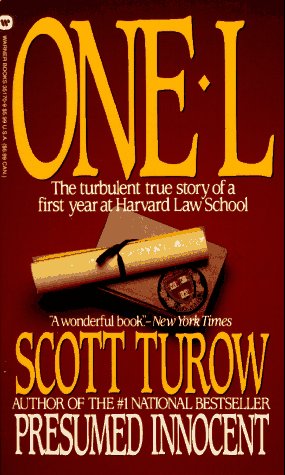
Turow's account of his first year at Harvard Law School, still read by incoming students.
2. Getting to Maybe by Richard Michael Fischl and Jeremy Paul
A guide to handling law school exams and the gray areas they test.
3. The Bramble Bush by Karl Llewellyn
Lectures to first-year students about how to study law and read cases.
4. Thinking Like a Lawyer by Frederick Schauer
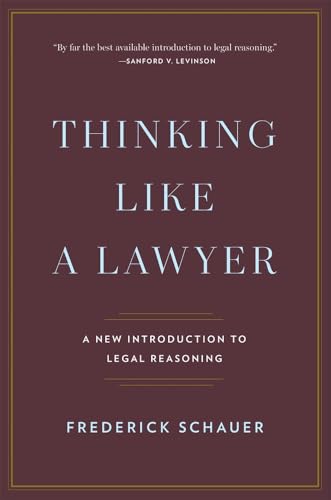
A clear introduction to precedent, analogy and how judges interpret rules.
5. Gideon's Trumpet by Anthony Lewis
How one prisoner's handwritten petition led to the right to a lawyer.
6. A Civil Action by Jonathan Harr
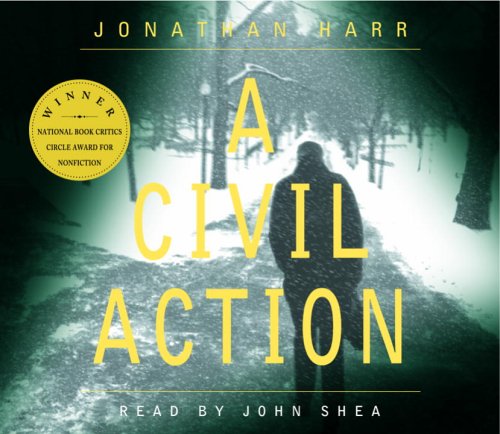
A lawyer takes on two big companies over contaminated water in Woburn, Massachusetts.
7. Simple Justice by Richard Kluger
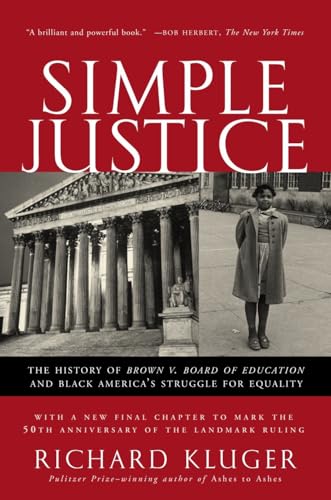
The full history of Brown v. Board of Education and the lawyers behind it.
8. The Brethren by Bob Woodward and Scott Armstrong
A behind-the-scenes look at the Burger Court in the 1970s.
9. The Nine by Jeffrey Toobin
Portraits of the justices and the battles that shaped the Supreme Court.
10. Make Your Case by Antonin Scalia and Bryan A. Garner
Short, practical advice on persuading judges in briefs and arguments.
11. The Rule of Law by Tom Bingham
A former senior British judge explains what the rule of law means and why it matters.
12. Getting to Yes by Roger Fisher and William Ury
The Harvard Negotiation Project's method for reaching agreements.
13. Never Split the Difference by Chris Voss
A former FBI hostage negotiator shares tactics that work in everyday talks.
14. Thinking, Fast and Slow by Daniel Kahneman
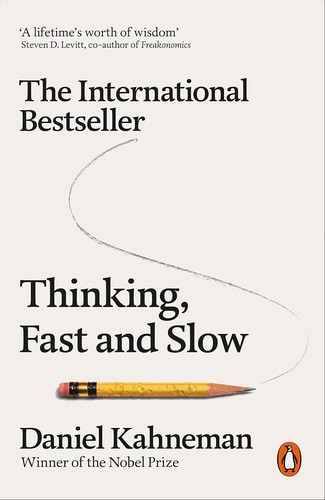
A Nobel-winning psychologist explains the two systems that drive our decisions.
15. The Common Law by Oliver Wendell Holmes Jr.
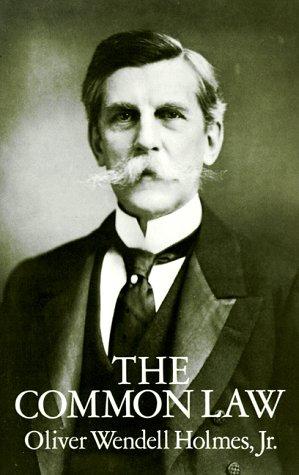
Holmes's 1881 lectures on how the common law grew from experience.
How to Choose
Incoming students should start with One L and Getting to Maybe. If you love constitutional law, read Gideon's Trumpet or Simple Justice, and if you want practical skills, pick Make Your Case or Getting to Yes.
How We Chose These Books
Every pick is a real, widely available book with strong reviews from readers, teachers or librarians. We mixed well-known favourites with a few less obvious titles and noted who each one suits best. Check the description and the table before you buy, and borrow a copy from the library first if you are unsure.
Tips for Getting the Most From These Books
- Start with one. Pick the title that matches your goal today, not the longest one on the list.
- Sample first. Read the opening chapter in a library copy or ebook preview before you buy.
- Try audio. Many of these work well as audiobooks on a commute or walk.
Frequently Asked Questions
Which book should I start with?
One L by Scott Turow is a strong first pick, and every book on this list is worth a look.
Where can I find these books?
Most of these titles are easy to find at public libraries and bookshops, and many are also available as ebooks or audiobooks.
Related: Getting to Yes by Roger Fisher and William Ury: Summary and Key Takeaways · Never Split the Difference by Chris Voss and Tahl Raz: Summary and Key Takeaways