

Disclosure: As an Amazon Associate, Bookish Wisdom earns from qualifying purchases. This doesn't change our picks or your price.
Quick answer: The best nonfiction Books of the 21st Century include Sapiens by Yuval Noah Harari, Thinking, Fast and Slow by Daniel Kahneman and The Sixth Extinction by Elizabeth Kolbert, plus twelve more strong picks. Each one below has a short description and who it suits best, with a quick table to compare them.
The best nonfiction of the 21st century has explained our minds, our money and our history in fresh ways. These books were all published since 2000, and each became a bestseller or award winner. They cover science, true crime, business and society.
Each book below has a short description and a note on who it suits best. Use the quick table to compare the picks at a glance, then read the full entries for the titles that catch your eye.
Table of Contents
Quick Picks at a Glance
| Book | Author | Best for |
|---|---|---|
| Sapiens | Yuval Noah Harari | big questions |
| Thinking, Fast and Slow | Daniel Kahneman | psychology |
| The Sixth Extinction | Elizabeth Kolbert | science and nature |
| Bad Blood | John Carreyrou | business scandals |
| Killers of the Flower Moon | David Grann | true crime history |
| The Warmth of Other Suns | Isabel Wilkerson | American history |
| Freakonomics | Steven D. Levitt and Stephen J. Dubner | fun economics |
| The Omnivore's Dilemma | Michael Pollan | food |
| Moneyball | Michael Lewis | sports and data |
| Say Nothing | Patrick Radden Keefe | the Troubles |
| Empire of Pain | Patrick Radden Keefe | corporate wrongdoing |
| Outliers | Malcolm Gladwell | success stories |
| Seabiscuit | Laura Hillenbrand | sports history |
| The Big Short | Michael Lewis | finance |
| Atomic Habits | James Clear | self-improvement |
1. Sapiens by Yuval Noah Harari
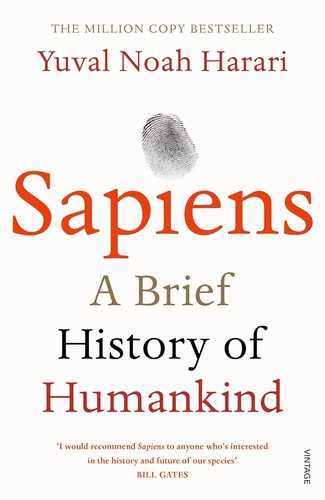
How Homo sapiens came to dominate the planet.
2. Thinking, Fast and Slow by Daniel Kahneman
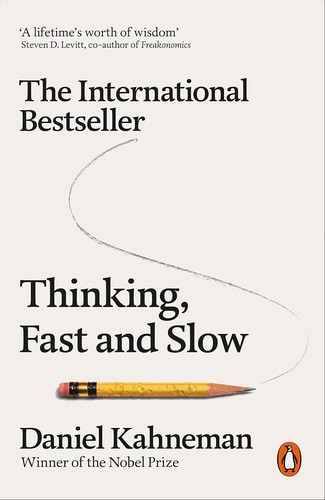
The two ways our brains make decisions, and why they go wrong.
3. The Sixth Extinction by Elizabeth Kolbert
How humans are causing a mass extinction. Pulitzer winner.
4. Bad Blood by John Carreyrou
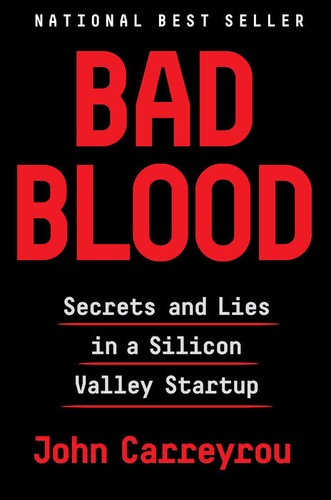
The rise and fall of the blood-testing startup Theranos.
5. Killers of the Flower Moon by David Grann
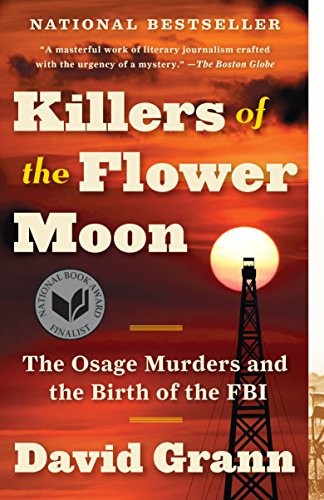
The 1920s murders of Osage people for their oil wealth.
6. The Warmth of Other Suns by Isabel Wilkerson
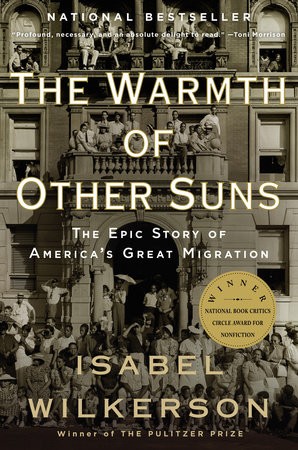
The Great Migration, told through three people who moved north.
7. Freakonomics by Steven D. Levitt and Stephen J. Dubner
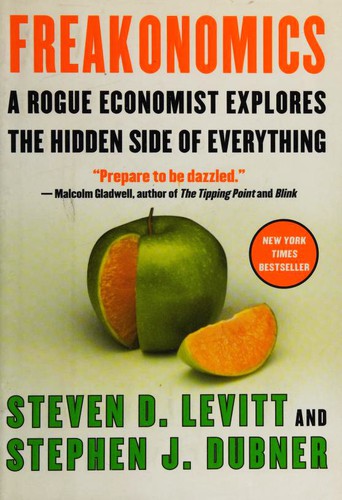
Surprising answers to everyday questions.
8. The Omnivore's Dilemma by Michael Pollan
Where our meals really come from.
9. Moneyball by Michael Lewis
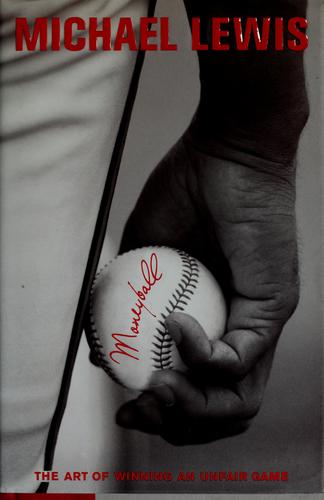
How the Oakland A's used statistics to win on a small budget.
10. Say Nothing by Patrick Radden Keefe
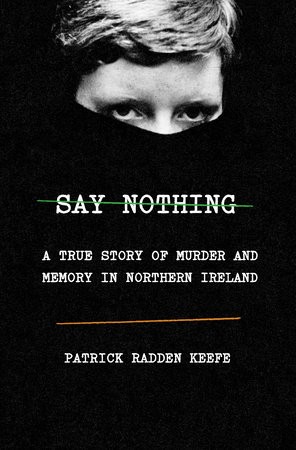
A murder in Belfast and the history of Northern Ireland's conflict.
11. Empire of Pain by Patrick Radden Keefe
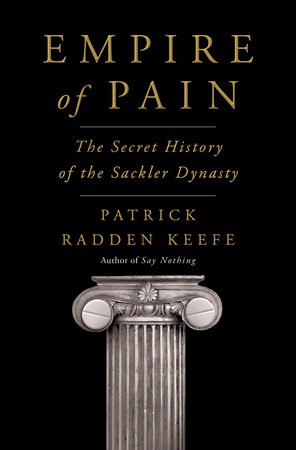
The Sackler family and the opioid crisis.
12. Outliers by Malcolm Gladwell
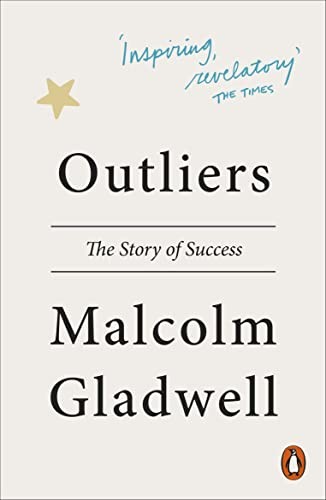
The hidden factors behind exceptional achievement.
13. Seabiscuit by Laura Hillenbrand
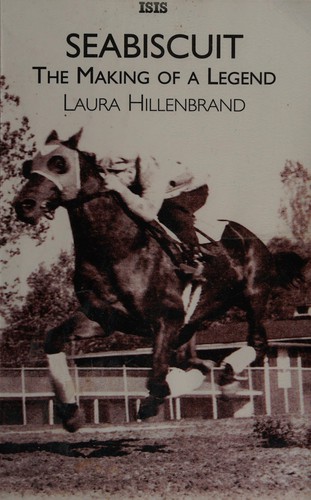
An unlikely racehorse captures Depression-era America.
14. The Big Short by Michael Lewis
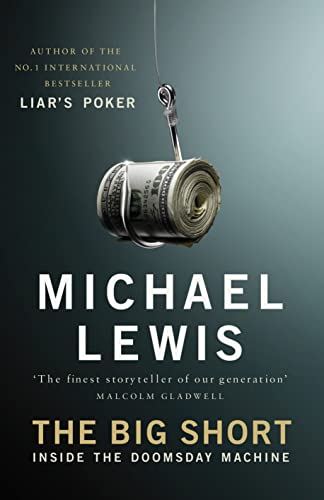
The few investors who saw the 2008 crash coming.
15. Atomic Habits by James Clear
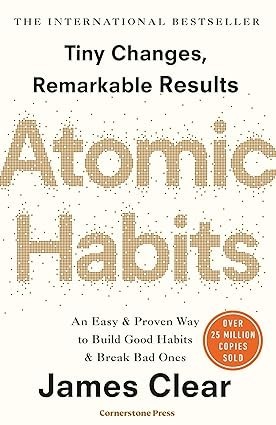
Tiny habits that add up to big changes.
How to Choose
For gripping true stories, start with Bad Blood or Killers of the Flower Moon. For big ideas, choose Sapiens or Thinking, Fast and Slow, and for something fun, pick Freakonomics.
How We Chose These Books
Every pick is a real, widely available book with strong reviews from readers, teachers or librarians. We mixed well-known favourites with a few less obvious titles and noted who each one suits best. Check the description and the table before you buy, and borrow a copy from the library first if you are unsure.
Tips for Getting the Most From These Books
- Start with one. Pick the title that matches your goal today, not the longest one on the list.
- Sample first. Read the opening chapter in a library copy or ebook preview before you buy.
- Try audio. Many of these work well as audiobooks on a commute or walk.
- Mix formats. Try an audiobook or ebook version of one pick to see which format clicks.
- Keep a list. Jot down the titles you finish so you can look for more by the same authors.
Frequently Asked Questions
Which book should I start with?
Sapiens by Yuval Noah Harari is a strong first pick, and every book on this list is worth a look.
Where can I find these books?
Most of these titles are easy to find at public libraries and bookshops, and many are also available as ebooks or audiobooks.
Related: Sapiens by Yuval Noah Harari: Summary and Key Takeaways · Thinking, Fast and Slow by Daniel Kahneman: Summary and Key Takeaways