
Disclosure: As an Amazon Associate, Bookish Wisdom earns from qualifying purchases. This doesn’t change our picks or your price.
Quick answer: These 15 Thanksgiving books suit elementary kids (ages 6–9). Start with Thank You, Sarah: The Woman Who Saved Thanksgiving, Sarah Gives Thanks, Balloons Over Broadway, If You Were at the First Thanksgiving, Squanto’s Journey or Molly’s Pilgrim. Each pick below has a short blurb, an age range and a content note where it matters.
Elementary-age children are ready for the deeper stories behind Thanksgiving, from the real history of the Pilgrims and the Wampanoag people to the woman who campaigned to make it a national holiday. They also love funny turkeys and heartwarming stories about family. This list collects fifteen picture books and early chapter books for ages 6 to 9, balancing history, Native voices, humor and gratitude. The books give children facts they can use for school projects and conversation at the table, and they help them understand that Thanksgiving means different things to different people. Read a few before the holiday and invite your child to share what they learned over dinner.
Table of Contents
Quick Picks at a Glance
| Book | Author | Ages | Best For |
|---|---|---|---|
| Thank You, Sarah: The Woman Who Saved Thanksgiving | Laurie Halse Anderson | 6–9 | history and humor fans |
| Sarah Gives Thanks | Mike Allegra | 6–9 | biography fans |
| Balloons Over Broadway | Melissa Sweet | 5–9 | creative kids |
| If You Were at the First Thanksgiving | Anne Kamma | 6–9 | question-driven readers |
| Squanto’s Journey | Joseph Bruchac | 7–10 | history readers |
| Molly’s Pilgrim | Barbara Cohen | 6–9 | school-story readers |
| We Are Grateful: Otsaliheliga | Traci Sorell | 5–9 | Native-voices readers |
| Giving Thanks: A Native American Good Morning Message | Chief Jake Swamp | 5–9 | gratitude readers |
| Fry Bread: A Native American Family Story | Kevin Noble Maillard | 5–9 | family-story readers |
| Sarah Morton’s Day | Kate Waters | 6–9 | photo-history fans |
| The Thanksgiving Story | Alice Dalgliesh | 6–9 | classic history readers |
| Arthur’s Thanksgiving | Marc Brown | 5–8 | show fans |
| Thanks a Million | Nikki Grimes | 6–10 | poetry fans |
| Thank You, Omu! | Oge Mora | 4–8 | picture-book fans |
| Turkey Trouble | Wendi Silvano | 4–8 | funny-story fans |
1. Thank You, Sarah: The Woman Who Saved Thanksgiving by Laurie Halse Anderson
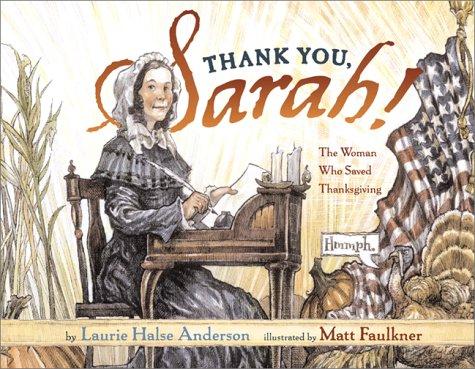
A funny account of Sarah Josepha Hale, who wrote letters to presidents for decades until Lincoln declared Thanksgiving a national holiday. Playful art and a lively voice make the history stick.
Best for: history and humor fans. Ages: 6–9.
2. Sarah Gives Thanks by Mike Allegra
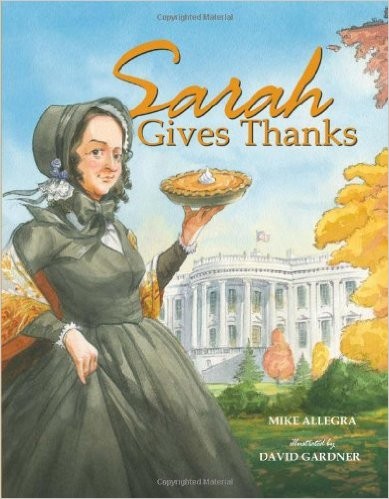
Another take on Sarah Hale’s long campaign, with a focus on her determination as a widow and writer. A good companion to the previous book.
Best for: biography fans. Ages: 6–9.
3. Balloons Over Broadway by Melissa Sweet
The story of Tony Sarg, a puppeteer who invented the floating balloons for the Macy’s parade. Fascinating facts and gorgeous collage art.
Best for: creative kids. Ages: 5–9.
4. If You Were at the First Thanksgiving by Anne Kamma
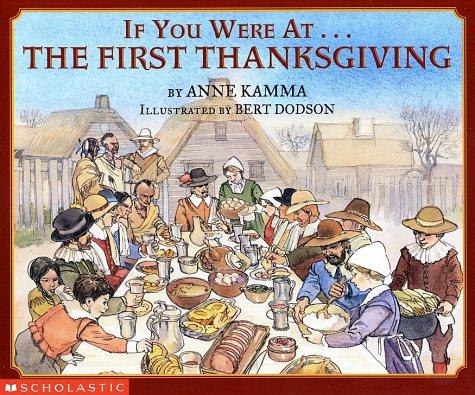
A question-and-answer format explains what life was like for the Pilgrims and the Wampanoag, covering food, clothing and daily life. Good for school projects.
Best for: question-driven readers. Ages: 6–9.
5. Squanto’s Journey by Joseph Bruchac
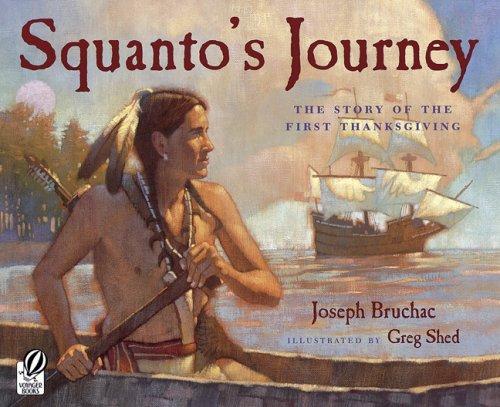
The story of Squanto told from a Native perspective by an Abenaki author, including his capture and return home. Thoughtful and vivid. Content note: references to enslavement and loss.
Best for: history readers. Ages: 7–10.
6. Molly’s Pilgrim by Barbara Cohen
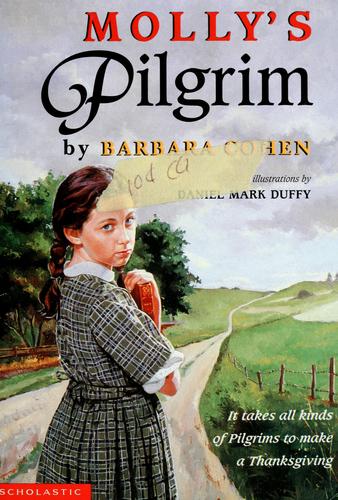
Molly, a Russian-Jewish immigrant, is embarrassed by the Pilgrim doll her mother makes for a class project, until the teacher explains that Pilgrims were also seeking a home. A touching story about belonging.
Best for: school-story readers. Ages: 6–9.
7. We Are Grateful: Otsaliheliga by Traci Sorell
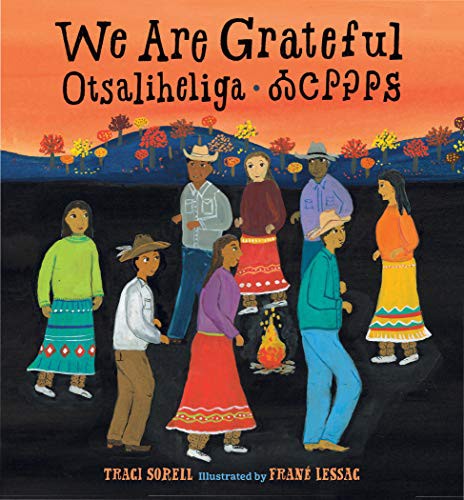
A Cherokee community expresses gratitude through the seasons. Clear text, beautiful art and a glossary make it a strong choice for classrooms.
Best for: Native-voices readers. Ages: 5–9.
8. Giving Thanks: A Native American Good Morning Message by Chief Jake Swamp
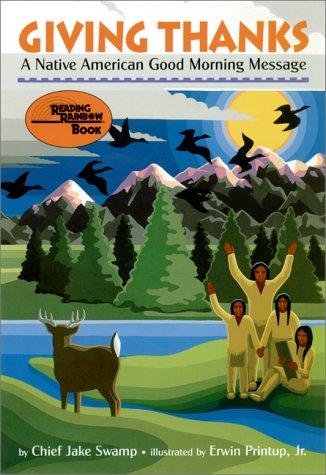
Based on the Haudenosaunee Thanksgiving Address, this book greets the earth, the waters, plants, animals and sky with thanks. Peaceful and powerful.
Best for: gratitude readers. Ages: 5–9.
9. Fry Bread: A Native American Family Story by Kevin Noble Maillard
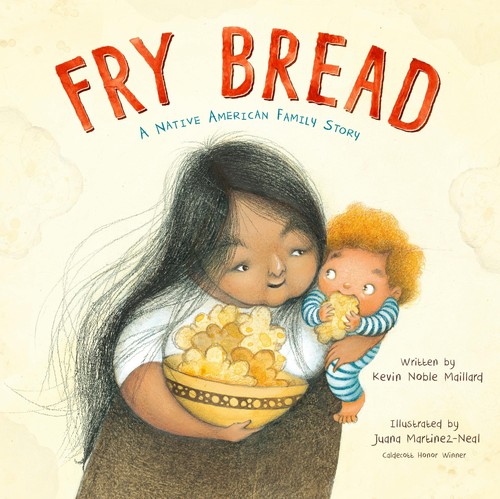
A poetic tour of fry bread and the people who make it, with Caldecott Honor art. It shows how food connects families to history.
Best for: family-story readers. Ages: 5–9.
10. Sarah Morton’s Day by Kate Waters
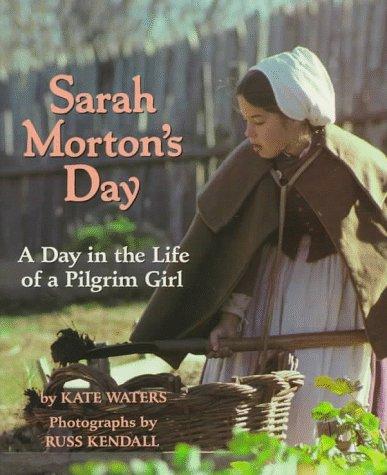
Photographs of living-history actors show a day in the life of a Pilgrim girl. Good for learning about daily life, though children should know it is a reenactment.
Best for: photo-history fans. Ages: 6–9.
11. The Thanksgiving Story by Alice Dalgliesh
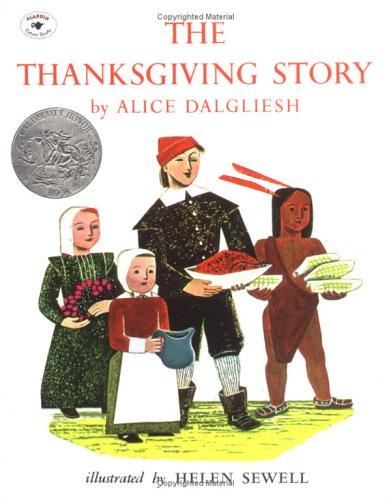
A classic picture-book account of the Pilgrim voyage and first harvest, told with simple text. Pair with newer books that include Native perspectives.
Best for: classic history readers. Ages: 6–9.
12. Arthur’s Thanksgiving by Marc Brown
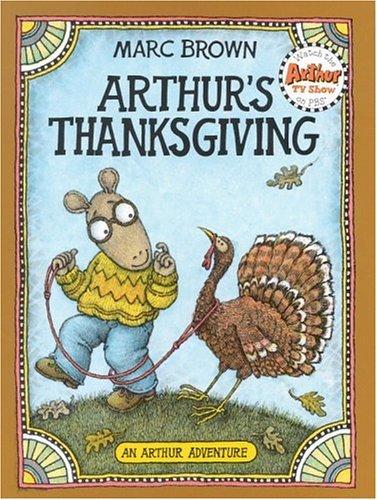
Arthur tries to direct the class play while friends bicker. A funny story about teamwork.
Best for: show fans. Ages: 5–8.
13. Thanks a Million by Nikki Grimes
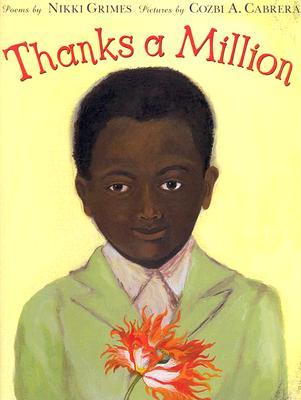
Twenty poems on gratitude by Nikki Grimes, in different forms. Short and thoughtful, ideal for sharing at the table.
Best for: poetry fans. Ages: 6–10.
14. Thank You, Omu! by Oge Mora
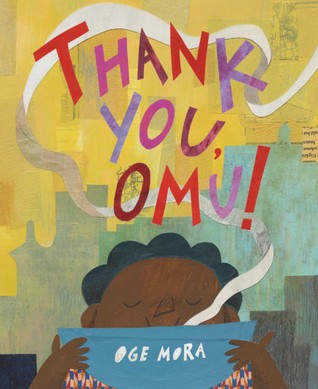
Omu’s pot of stew is shared with neighbors, and she receives a surprise. A short story about generosity.
Best for: picture-book fans. Ages: 4–8.
15. Turkey Trouble by Wendi Silvano
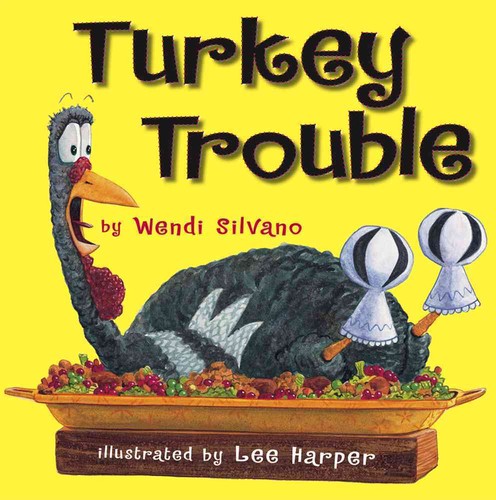
A turkey in disguise avoids Thanksgiving dinner in this funny rhyming tale. Great for a lighter read.
Best for: funny-story fans. Ages: 4–8.
A Thanksgiving Reading and Writing Project
Turn the holiday into a mini project. Read two or three books from this list, then ask your child to write a short paragraph on what they learned or what they are thankful for. Younger children can draw and dictate. Create a Thanksgiving book basket on the coffee table for guests to browse, and invite your child to read a favorite page aloud before dinner. Add a family tradition: each person writes one thank-you note to someone not at the table. These small activities connect reading, writing and gratitude, and they make Thanksgiving more than a day of food.
Questions to Spark Conversation at the Table
Elementary-age kids love to contribute at dinner when they have something interesting to say. Ask: What did the Pilgrims and Wampanoag each bring to the meal? Why did Sarah Hale write so many letters? What does gratitude mean in your life? Which book changed what you thought about the holiday? Encourage your child to share a fact they learned from a book, and let relatives respond. These conversations build speaking skills and make a family gathering more thoughtful, and they show children that books lead to real discussions.
How to Match a Thanksgiving Book to Your Elementary Student
Elementary-age readers range from kids who are sounding out words to kids who read chapter books independently, so check the level before you choose. A good Thanksgiving book for this age has a story that grabs attention, language that is slightly challenging and pictures that support the text. If your elementary student stumbles on more than a few words per page, read it aloud together; if they breeze through, move on to a longer title. Offer two or three choices rather than one assigned book, and let your child abandon a book that is not working. Books they pick themselves are the ones they finish, and finishing builds confidence.
A Simple Reading Plan for Thanksgiving Books
Choose one book from the list and set a small daily goal, such as one chapter or ten pages. Take turns reading aloud when the text is challenging, and let your elementary student read alone when it is easy. Ask a question or two during the story, such as what a character might do next. When the book is finished, talk about the favorite part and look for another Thanksgiving title from this list. A simple reading chart on the fridge makes progress visible, and a library visit makes a good reward.
Why Thanksgiving Books Matter for Elementary Kids
Reading Thanksgiving books during the elementary years builds fluency, vocabulary and the stamina needed for longer books. Children this age are also learning empathy and how the world works, and stories are a safe way to explore them. A Thanksgiving book can spark questions, writing, drawing and projects at home or school. Children who read for fun do better in school, so every enjoyable book is an investment. The best strategy is to keep reading pleasant and let your child’s interests lead.
Where to Find and How to Read These Books
You do not need to buy every book. Public libraries lend print books, e-books and audiobooks free, and school libraries add more variety. Paperbacks are great value for books your child will reread, and used copies are plentiful. Audiobooks are a good support for children who are still building reading stamina, and they let the whole family enjoy a Thanksgiving story in the car. Check whether a book has a sequel or companion, because finishing a series is often what turns an elementary reader into a lifelong one.
Building a Daily Routine Around Thanksgiving Books
Children in the elementary years do best when reading has a regular place in the day. Choose a twenty-minute window after dinner or before bed, and let your child read alone while you read your own book nearby. Take turns reading pages aloud when the text is challenging. Keep Thanksgiving books in a basket by the couch or bed so they are easy to grab, and let your child decide which one to read first. Track finished books on a simple chart and celebrate when it fills up. If your child resists, shorten the session and keep it pleasant rather than turning it into a battle.
Sharing Thanksgiving Books With Family and Friends
Reading is even better when it is shared. Start a family reading hour once a week, where everyone reads their own book in the same room. Invite a friend over for a book swap of Thanksgiving favorites, or form a mini book club with two or three classmates who read the same title. Encourage your child to recommend a book to a friend or to write a short review for the class or the family fridge. Teachers and librarians are happy to hear what students enjoy and can recommend similar titles. Sharing turns reading from a solo task into a social activity, which keeps kids interested as they grow.
After the Last Page: What to Read Next
After your child finishes a book, ask what they liked and whether they want the sequel. Look for other books by the same author or another Thanksgiving title from this list. A small ritual, such as choosing a new book at the library every week, keeps momentum going. If a book did not work, treat it as information about your child’s taste and try something different. Over time, those choices add up to a reading habit that lasts.
A Quick Checklist Before You Pick a Thanksgiving Book
Ask these questions before you borrow or buy:
- Is the reading level right for your child, easy enough to enjoy but with a few new words?
- Does the story hook your child within the first few pages?
- Are there enough pictures to support the text?
- Is there a sequel or companion book waiting?
- Is the content appropriate for your child’s sensitivity?
Questions to Talk About After Reading
These work for almost any book on this list:
- What was the best part of the story?
- Which character would you like to be, and why?
- What would you do if you were in the story?
- Did anything surprise you?
- Which book from this list do you want to read next?
How to Tell a Thanksgiving Book Is the Right Fit
You can tell a book is a good fit when your child keeps reading past bedtime, shares funny lines, asks for the next one or retells the story. A poor fit looks like groaning, skipping pages or finding other things to do. If a book is too easy, your child may breeze through it, which is fine for confidence. If it is too hard, read aloud together. Try the five-finger test: if your child misses five or more words on a page, the book is probably a challenge. Let your child abandon books that aren’t working and try another.
Tips for Choosing Thanksgiving Books for Elementary Kids
- Pair old and new. Read one classic history book and one by a Native author.
- Make a timeline. Draw the story from the 1620s to today.
- Talk about sources. Ask how we know what happened and whose voices were missing.
- Cook a recipe. Try fry bread or pumpkin pie as a project.
- Write a thank-you. Have your child write a letter to someone they appreciate.
Related: 15 Best Thanksgiving Books for Preschoolers and 15 Best Thanksgiving Books for Toddlers.
Frequently Asked Questions
What are the best Thanksgiving books for elementary kids?
Thank You, Sarah, If You Were at the First Thanksgiving, We Are Grateful and Balloons Over Broadway are popular and informative.
How can I teach the true history of Thanksgiving?
Read books that include Native voices and the Wampanoag view, and avoid costume activities that stereotype. Add detail as your child grows.
Are there funny Thanksgiving books for this age?
Yes. Turkey Trouble, Arthur’s Thanksgiving and Thank You, Sarah use humor to carry real ideas.