
Disclosure: As an Amazon Associate, Bookish Wisdom earns from qualifying purchases. This doesn’t change our picks or your price.
Quick answer: These 15 Thanksgiving books suit preschoolers (ages 3–5). Start with A Turkey for Thanksgiving, Turkey Trouble, Duck for Turkey Day, The Perfect Thanksgiving, We Are Grateful: Otsaliheliga or Fry Bread: A Native American Family Story. Each pick below has a short blurb, an age range and a content note where it matters.
Preschoolers are old enough to enjoy real stories about Thanksgiving, with funny turkeys, big family dinners and the idea of saying thank you. They also ask lots of questions: why do we eat turkey, who came before us, what are we grateful for? This list brings together fifteen picture books for ages 3 to 5 that answer gently and truthfully, including stories about different families, humorous turkeys and books that include Native American voices. Reading them in the weeks before the holiday gives your child a richer picture of what Thanksgiving means and prepares them for gatherings with relatives and friends.
Table of Contents
Quick Picks at a Glance
| Book | Author | Ages | Best For |
|---|---|---|---|
| A Turkey for Thanksgiving | Eve Bunting | 3–7 | sweet-story readers |
| Turkey Trouble | Wendi Silvano | 3–7 | humor lovers |
| Duck for Turkey Day | Jacqueline Jules | 3–7 | diverse-traditions fans |
| The Perfect Thanksgiving | Eileen Spinelli | 3–7 | family-story fans |
| We Are Grateful: Otsaliheliga | Traci Sorell | 3–8 | Native-voices readers |
| Fry Bread: A Native American Family Story | Kevin Noble Maillard | 3–8 | cultural-awareness readers |
| Thank You, Omu! | Oge Mora | 3–7 | community-story fans |
| Bear Says Thanks | Karma Wilson | 2–5 | rhyme lovers |
| Arthur’s Thanksgiving | Marc Brown | 4–8 | show-loving kids |
| Balloons Over Broadway | Melissa Sweet | 4–8 | curious kids |
| Pie Is for Sharing | Stephanie Parsley Ledyard | 3–7 | poetry fans |
| Thankful | Eileen Spinelli | 2–5 | gratitude learners |
| ‘Twas the Night Before Thanksgiving | Dav Pilkey | 3–7 | funny-story fans |
| Gracias • Thanks | Pat Mora | 2–7 | bilingual families |
| Thanksgiving in the Woods | Phyllis Alsdurf | 3–7 | gentle readers |
1. A Turkey for Thanksgiving by Eve Bunting
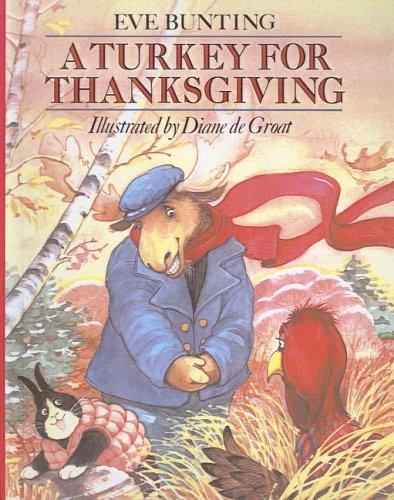
Mr. and Mrs. Moose want to invite a guest to dinner, so they invite Turkey as a friend. Sweet, funny and kind, it shows that Thanksgiving is about sharing the table.
Best for: sweet-story readers. Ages: 3–7.
2. Turkey Trouble by Wendi Silvano
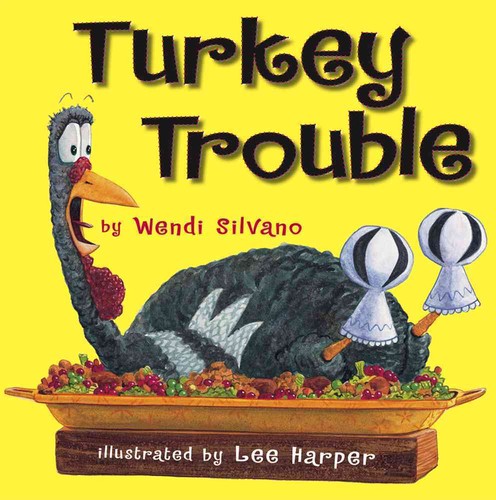
A turkey tries on disguises as other farm animals to avoid being dinner. Lively art and a clever ending make it a favorite for read-aloud time.
Best for: humor lovers. Ages: 3–7.
3. Duck for Turkey Day by Jacqueline Jules
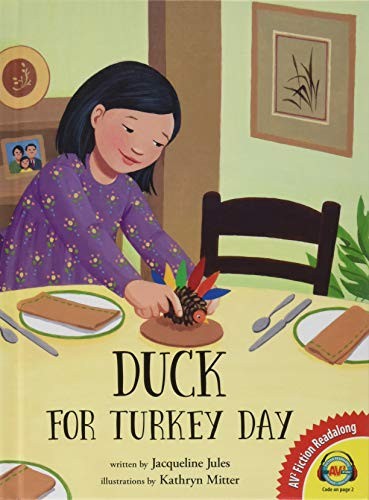
Tuyet worries because her family eats a duck for Thanksgiving, but classmates teach her that many families celebrate differently.
Best for: diverse-traditions fans. Ages: 3–7.
4. The Perfect Thanksgiving by Eileen Spinelli
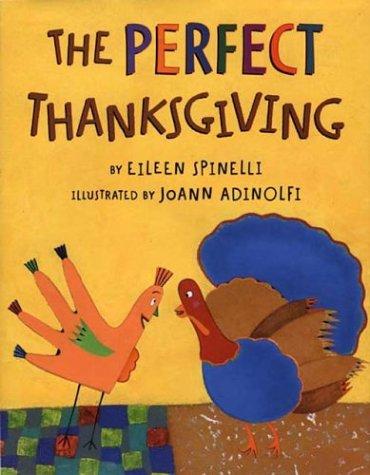
Two families celebrate in very different ways, one neat and elegant, the other loud and messy, but both enjoy love at the table. A funny look at family traditions.
Best for: family-story fans. Ages: 3–7.
5. We Are Grateful: Otsaliheliga by Traci Sorell
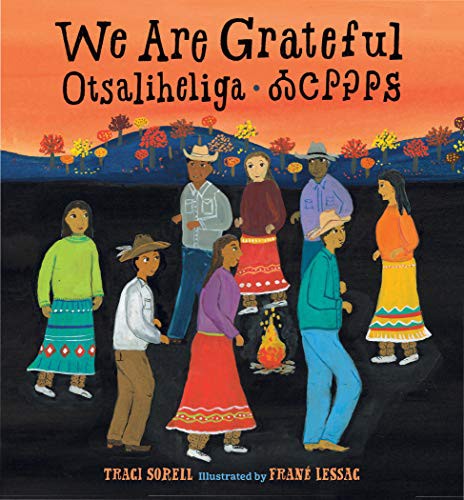
This book follows a Cherokee community through the year, using the word otsaliheliga for gratitude. Gentle text and colorful art offer a Native perspective on thanks.
Best for: Native-voices readers. Ages: 3–8.
6. Fry Bread: A Native American Family Story by Kevin Noble Maillard
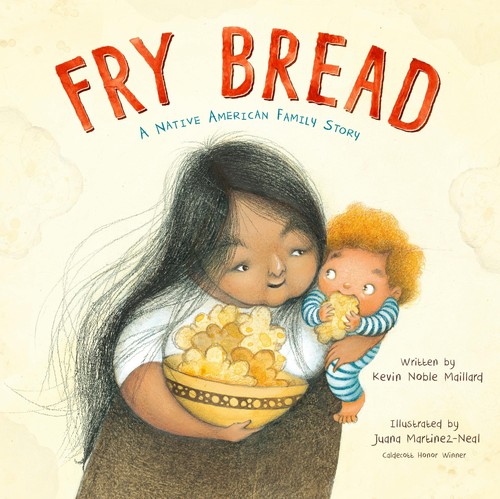
A rhythmic celebration of fry bread and the family and history behind it. Caldecott Honor art by Juana Martinez-Neal brings it to life.
Best for: cultural-awareness readers. Ages: 3–8.
7. Thank You, Omu! by Oge Mora
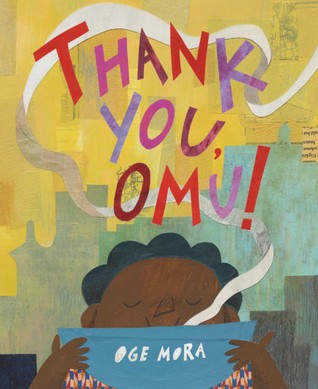
Omu shares her red stew with the neighbors, and in the end her kindness is returned. A Caldecott Honor book with striking collage.
Best for: community-story fans. Ages: 3–7.
8. Bear Says Thanks by Karma Wilson
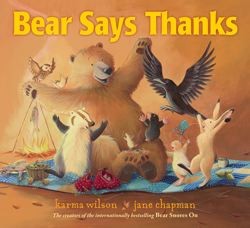
Bear throws a feast but has little to share, until friends bring food and he offers stories. A sweet, rhyming tale about giving.
Best for: rhyme lovers. Ages: 2–5.
9. Arthur’s Thanksgiving by Marc Brown
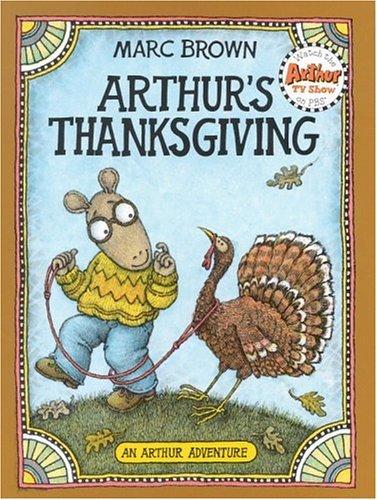
Arthur is chosen to direct the class play, but the Pilgrims and Native Americans keep fighting, and Arthur has to cope. Fun for kids who love a school story.
Best for: show-loving kids. Ages: 4–8.
10. Balloons Over Broadway by Melissa Sweet
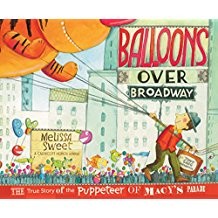
The true story of Tony Sarg, the puppeteer who invented the giant balloons of the Macy’s Thanksgiving Day Parade. Collage art and kid-friendly facts.
Best for: curious kids. Ages: 4–8.
11. Pie Is for Sharing by Stephanie Parsley Ledyard
A lyrical celebration of sharing, from sharing a pie to sharing a park. Jason Chin’s illustrations show many kinds of togetherness.
Best for: poetry fans. Ages: 3–7.
12. Thankful by Eileen Spinelli
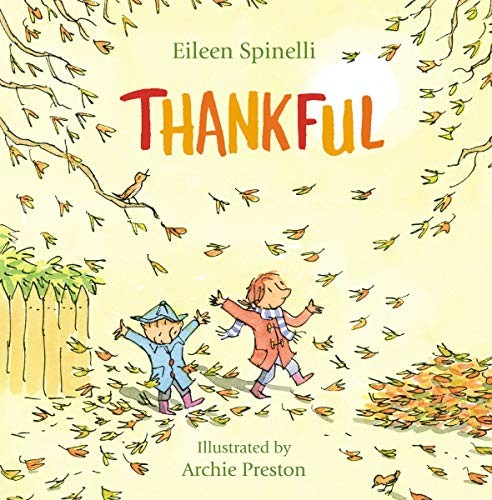
A rhyming list of things that people and animals are thankful for. Simple and warm, with soft pictures.
Best for: gratitude learners. Ages: 2–5.
13. ‘Twas the Night Before Thanksgiving by Dav Pilkey
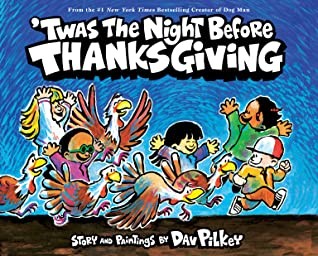
Children on a field trip rescue turkeys from a farm in this silly rhyming tale. The ending delights young listeners.
Best for: funny-story fans. Ages: 3–7.
14. Gracias • Thanks by Pat Mora
A bilingual thank-you from a boy for the simple things in life. Short, warm and easy to read aloud.
Best for: bilingual families. Ages: 2–7.
15. Thanksgiving in the Woods by Phyllis Alsdurf
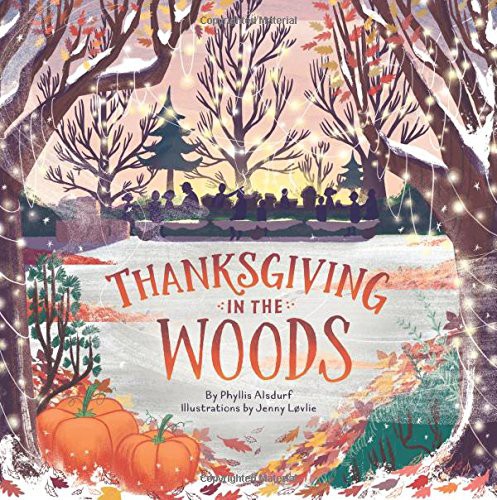
A family gathers in the woods for a holiday meal with friends and neighbors, a warm look at how people have gathered at harvest time.
Best for: gentle readers. Ages: 3–7.
Talking About the History of Thanksgiving With Young Children
Preschoolers do not need the whole story, but they deserve a truthful, gentle start. You can say that many years ago people from different places met and shared food, and that Native peoples have always had their own harvest traditions and still do today. Picture books by Native authors like We Are Grateful and Fry Bread offer a living perspective, not just a historical one. Avoid costumes or games that stereotype Native people, and focus on gratitude and family. If your child asks a hard question, it is fine to say you will find out together. Over the years, you can add details as your child is ready for them.
Hosting a Preschool Story Hour at Home
Invite a few friends or cousins for a tiny story hour before the holiday meal. Read two short books, such as Turkey Trouble and Thank You, Omu!, and follow with a simple craft: paper-bag turkeys, handprint feathers or a thankful chain. Serve apple slices and cider. Preschoolers enjoy the sense of occasion, and the activity keeps little hands busy while adults finish cooking. Afterward, children can show their crafts at the table, which gives everyone something to talk about and makes the youngest feel included.
How to Match a Thanksgiving Book to Your Preschooler
Preschoolers love stories with characters they recognize, funny moments and pictures worth studying. Choose Thanksgiving books that match your preschooler’s interests and attention span, usually a story you can finish in five to ten minutes. Read with expression, use different voices and stop to ask what might happen next. Look for rhyme, repetition and a gentle problem that gets solved, because these help preschoolers learn how stories work. Let your child choose some of the books, even if they pick the same one repeatedly, and keep a few new titles in the mix so there is always something fresh. Following the words with your finger shows them how print works.
A Simple Reading Plan for Thanksgiving Books
Pick one book to read this week and set aside ten minutes at the same time each day. Read it through once for the story, then again slowly so your preschooler can look at the pictures and ask questions. Let your child turn the pages, guess what comes next and chime in on repeated phrases. Visit the library often so new Thanksgiving books keep arriving, and keep favorites within easy reach. A cozy spot, such as a pile of pillows, makes reading feel special. Short, happy sessions matter more than long ones.
Why Thanksgiving Books Matter for Preschoolers
Reading Thanksgiving books with preschoolers builds the skills they need for school: vocabulary, listening, understanding how stories begin and end, and recognizing letters and sounds. It also helps children make sense of big feelings and new situations, since a story can show how a character handles worry, excitement or change. Sharing a Thanksgiving book makes ordinary days feel special and gives you something to talk about at dinner and bedtime. Children who enjoy books at this age are more likely to become confident readers later.
Where to Find and How to Read These Books
You do not need to buy every book. Your library has picture books, storytimes and read-along audiobooks, and children’s librarians love helping families find Thanksgiving titles. Paperbacks are good value for books your child will ask for repeatedly, while hardcovers last longer for favorites. Library sales, thrift stores and book swaps are inexpensive sources. Many libraries also offer e-books, which are handy for travel. Keep a basket near your child’s bed so there is always something to pick.
Building a Daily Routine Around Thanksgiving Books
Preschoolers love routines, and a reliable reading time gives them something to look forward to. Choose a regular slot, such as right after dinner or just before lights out, and protect it from screens and interruptions. Allow your child to choose one of the books each night while you choose the other, which teaches that reading is both a choice and a shared activity. Keep a basket of Thanksgiving books close by and rotate a few titles every week so they stay fresh. Ask one question per book, such as what a character might be feeling, and leave time for your child to answer. A simple routine like this builds listening skills, vocabulary and a love of books.
Sharing Thanksgiving Books With Family and Friends
Preschoolers love an audience, so share these books beyond bedtime. Invite a grandparent to read by video call, let an older cousin take a turn or visit the library for storytime where your child can listen with other kids. Swap Thanksgiving books with friends to keep your shelf fresh without spending money. Encourage your child to read to a stuffed animal or the family pet, even if they are only telling the story from the pictures. This pretend reading builds confidence and shows that your child understands how books work. When they see you reading for fun, too, they learn that books are for everyone.
After the Last Page: What to Read Next
After the last page, ask your preschooler what they liked best, and let them retell the story in their own words. Many children enjoy acting it out, drawing a picture or finding the book on the shelf again. Look for other books by the same author or illustrator, or another Thanksgiving title from this list. Visiting the library every week to choose one new book gives your child a sense of ownership. If a book was not a hit, put it away for a few months and try again; tastes change quickly at this age.
A Quick Checklist Before You Pick a Thanksgiving Book
Ask these questions before you borrow or buy:
- Is the story short enough to finish in one sitting?
- Do the pictures add humor or details to talk about?
- Does it include rhyme or repetition your child can join in on?
- Is the topic one your child is curious about?
- Is the tone gentle enough for bedtime if you read it at night?
Questions to Talk About After Reading
These work for almost any book on this list:
- What was your favorite part?
- How do you think the character felt?
- What do you think will happen next?
- Has anything like this happened to you?
- Which book should we read tomorrow?
How to Tell a Thanksgiving Book Is the Right Fit
A good fit shows up in small ways: your preschooler asks questions, chimes in on the repeated lines, laughs at the pictures or asks for the book again tomorrow. A book that is a miss may bring fidgeting, interruptions about something else or a request for a different story. That’s fine. If the book is too long, read half and finish the next day. If it is too scary, skip ahead or set it aside. Pay attention to the themes your child returns to, such as animals, families or feelings, and use them to guide the next choice.
Tips for Choosing Thanksgiving Books for Preschoolers
- Include different voices. Pair stories about Pilgrims with books by Native authors for a fuller picture.
- Ask ‘what are you thankful for?’ Let your child answer in words or pictures.
- Act it out. Preschoolers love pretending to be turkeys or cooks.
- Cook together. Mix a simple pumpkin muffin to link the story to the kitchen.
- Be honest and gentle. Keep history simple, and answer questions truthfully.
Related: 15 Best Thanksgiving Books for Toddlers and 15 Best Halloween Books for Teens.
Frequently Asked Questions
What are the best Thanksgiving books for preschoolers?
Turkey Trouble, A Turkey for Thanksgiving, The Perfect Thanksgiving and Thank You, Omu! are fun and warm.
How do I explain Thanksgiving to a preschooler?
Keep it simple: families gather to share food and say thank you. Add truthful, age-appropriate details as your child grows.
Are there Thanksgiving books by Native American authors?
Yes. We Are Grateful: Otsaliheliga and Fry Bread are written by Native authors and are good for this age.