
Disclosure: As an Amazon Associate, Bookish Wisdom earns from qualifying purchases. This doesn’t change our picks or your price.
Quick answer: These 15 Thanksgiving books suit toddlers (ages 1–3). Start with Bear Says Thanks, Thankful, The Thankful Book, Thanks for Thanksgiving, Llama Llama Gives Thanks or Clifford’s Thanksgiving Visit. Each pick below has a short blurb, an age range and a content note where it matters.
Thanksgiving is a perfect time to introduce toddlers to the idea of gratitude, and books are the gentlest way to do it. At this age, children cannot yet follow long stories about history, but they can understand ‘thank you,’ love turkeys, leaves and pie, and enjoy rhymes about family and food. This list gathers fifteen toddler-friendly books for November, mixing gratitude stories, silly turkeys and autumn leaf adventures. The focus is on warmth and simple ideas, not on the history of the holiday. Read one a night in the week before Thanksgiving, and you will give your toddler words for feelings they are just beginning to understand.
Table of Contents
Quick Picks at a Glance
| Book | Author | Ages | Best For |
|---|---|---|---|
| Bear Says Thanks | Karma Wilson | 2–5 | rhyme fans |
| Thankful | Eileen Spinelli | 2–5 | gratitude learners |
| The Thankful Book | Todd Parr | 1–5 | bright-art lovers |
| Thanks for Thanksgiving | Julie Markes | 1–5 | bedtime readers |
| Llama Llama Gives Thanks | Anna Dewdney | 2–5 | Llama Llama fans |
| Clifford’s Thanksgiving Visit | Norman Bridwell | 2–6 | dog lovers |
| Turkey Trouble | Wendi Silvano | 3–7 | humor fans |
| Gracias • Thanks | Pat Mora | 2–7 | bilingual families |
| Thank You, Omu! | Oge Mora | 2–7 | sharing-story fans |
| Leaf Man | Lois Ehlert | 2–7 | art and nature lovers |
| Fletcher and the Falling Leaves | Julia Rawlinson | 2–6 | autumn-story fans |
| We’re Going on a Leaf Hunt | Steve Metzger | 2–6 | participation readers |
| Over the River and Through the Wood | Lydia Maria Child | 1–6 | singalong families |
| ‘Twas the Night Before Thanksgiving | Dav Pilkey | 3–7 | silly-story fans |
| Duck for Turkey Day | Jacqueline Jules | 3–7 | family-tradition fans |
1. Bear Says Thanks by Karma Wilson
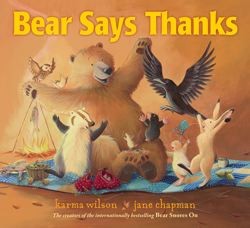
Bear wants to host a feast, but his cupboard is empty, so each friend arrives with food. In the end, Bear shares stories as his contribution. Soft rhymes and warm pictures teach that everyone has something to give.
Best for: rhyme fans. Ages: 2–5.
2. Thankful by Eileen Spinelli
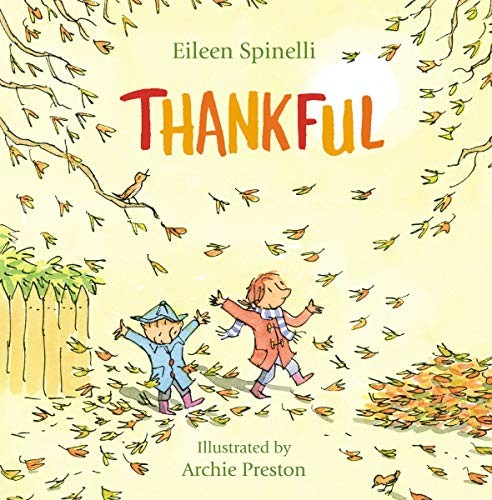
Each page shows a person or animal giving thanks in a way that fits who they are. The text is simple, and the idea that everyone can be thankful in their own way is easy for toddlers to grasp.
Best for: gratitude learners. Ages: 2–5.
3. The Thankful Book by Todd Parr
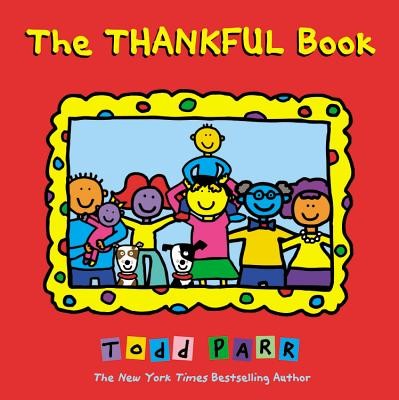
With bold colors and silly drawings, Parr lists things to be thankful for, from bath time to birthdays. The text is short and relatable, so toddlers can name their own favorites.
Best for: bright-art lovers. Ages: 1–5.
4. Thanks for Thanksgiving by Julie Markes
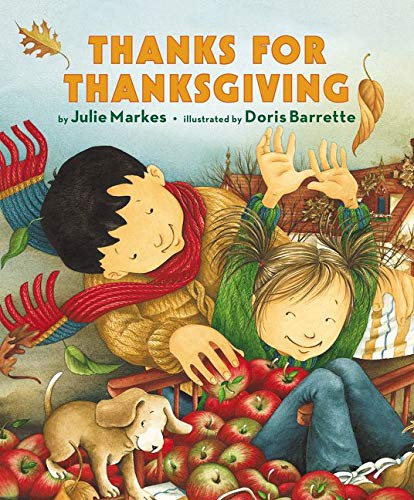
A rhyming thank-you to the world: thank you for the food, the leaves and the people we love. Gentle and calm, it works as a bedtime book.
Best for: bedtime readers. Ages: 1–5.
5. Llama Llama Gives Thanks by Anna Dewdney
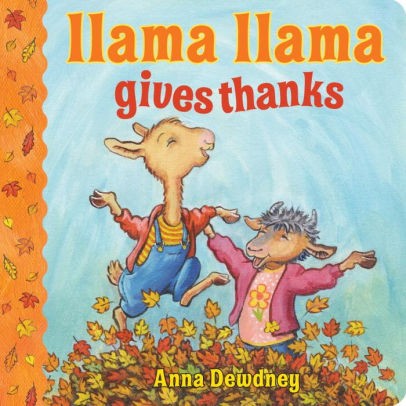
Llama Llama and his friends think about what they are thankful for during the holiday. Familiar characters and rhyme make the idea of gratitude approachable.
Best for: Llama Llama fans. Ages: 2–5.
6. Clifford’s Thanksgiving Visit by Norman Bridwell
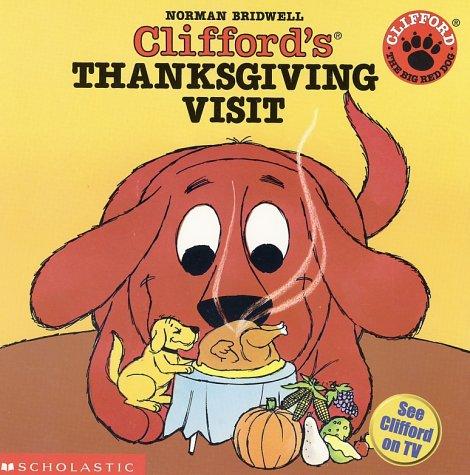
The big red dog joins the holiday gathering and, as usual, his size causes funny trouble. Simple words and cheerful pictures make it a good first holiday story.
Best for: dog lovers. Ages: 2–6.
7. Turkey Trouble by Wendi Silvano
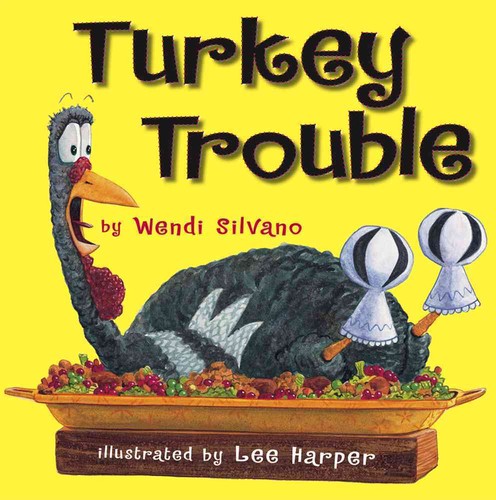
Turkey disguises himself as a cow, a horse and other animals to avoid becoming dinner. Funny and lively, with a sweet twist at the end for animal lovers.
Best for: humor fans. Ages: 3–7.
8. Gracias • Thanks by Pat Mora
A boy gives thanks for family, friends and everyday joys in both English and Spanish. Short lines and warm art make it a good read-aloud for bilingual homes.
Best for: bilingual families. Ages: 2–7.
9. Thank You, Omu! by Oge Mora
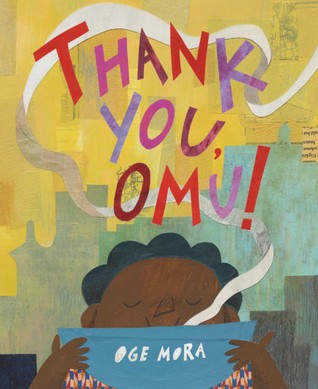
Omu cooks a big pot of red stew, and neighbors keep stopping by until nothing is left, but she receives a surprise. A Caldecott Honor book with collage pictures.
Best for: sharing-story fans. Ages: 2–7.
10. Leaf Man by Lois Ehlert
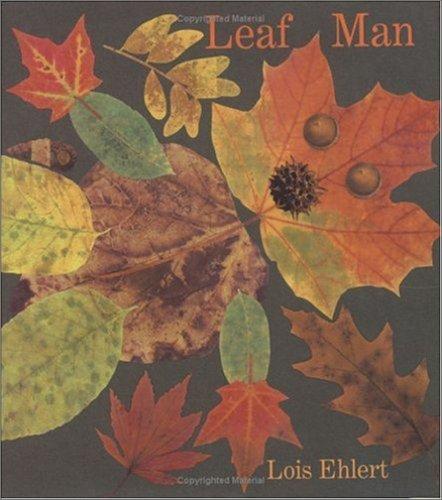
A man made of leaves blows across the land in the wind, and every page shows people and animals made from real leaves. A beautiful book for fall walks.
Best for: art and nature lovers. Ages: 2–7.
11. Fletcher and the Falling Leaves by Julia Rawlinson
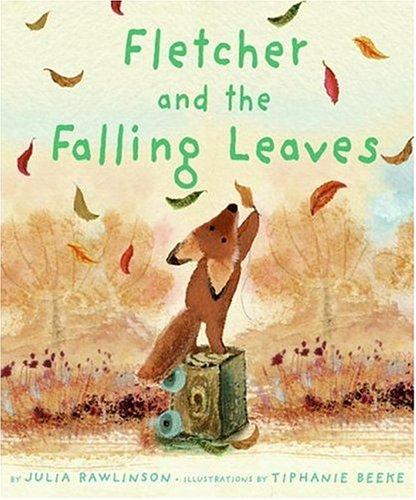
Fletcher the fox worries that his favorite tree is sick when the leaves fall, until he learns about the seasons. Gentle and comforting.
Best for: autumn-story fans. Ages: 2–6.
12. We’re Going on a Leaf Hunt by Steve Metzger
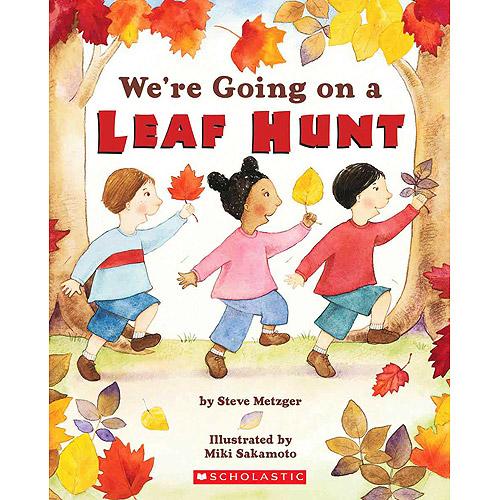
Inspired by the classic bear-hunt chant, this story invites children to act out collecting leaves. A fun way to start an autumn walk.
Best for: participation readers. Ages: 2–6.
13. Over the River and Through the Wood by Lydia Maria Child
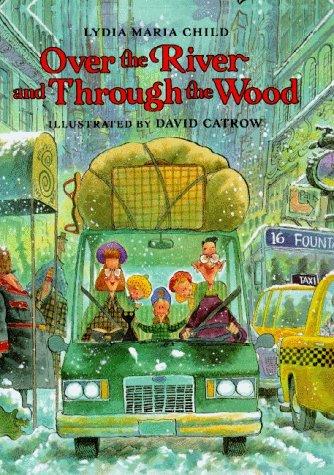
The traditional song about traveling to grandmother’s house. Choose an illustrated edition with sheet music so you can sing it together.
Best for: singalong families. Ages: 1–6.
14. ‘Twas the Night Before Thanksgiving by Dav Pilkey
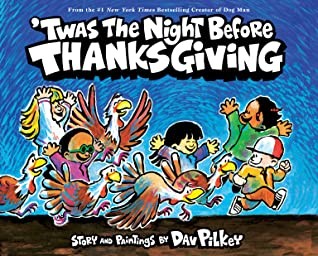
A class of children visits a turkey farm and rescues the birds in this parody of the famous Christmas poem. Funny, with a rhyme that reads aloud easily.
Best for: silly-story fans. Ages: 3–7.
15. Duck for Turkey Day by Jacqueline Jules
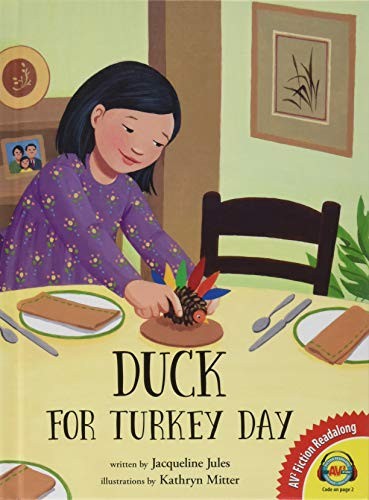
Tuyet worries that her family is serving duck instead of turkey, until she discovers that different families celebrate in different ways. A warm introduction to diversity.
Best for: family-tradition fans. Ages: 3–7.
A Gratitude Game to Play After Reading
After a book like The Thankful Book, play a simple thankful game at the dinner table. Go around and have each person name one thing they are thankful for, and let your toddler point to a picture or toy to join in. You can make a thankful tree by cutting out paper leaves, writing or drawing one thing on each and taping them to a branch or the wall. Toddlers cannot write, but they can scribble and tell you what the leaf means. Over a week, the tree fills with words and pictures, giving your child a visual reminder that gratitude is a daily habit and not just a holiday idea.
Gratitude Habits That Start Small
You do not need a big ceremony to teach thankfulness. Begin with a daily ‘thank you’ ritual at bedtime: each person names one thing from the day that made them happy. Use the books in this list as conversation starters, asking which character your toddler would thank and why. Say thank you out loud to your child, to a cashier and to the family pet, because toddlers copy what they hear. Over time, these tiny habits give children the words and feelings for gratitude, and they make Thanksgiving a natural extension of everyday life.
How to Match a Thanksgiving Book to Your Toddler
Toddlers learn through repetition, rhythm and touch, so choose sturdy board books with big, clear pictures and very few words per page. Watch how your toddler reacts: a book that gets giggles, pointing or a demand to ‘read it again’ is a keeper. Pick Thanksgiving books with a simple story or a pattern the child can anticipate, and look for rhymes, flaps, textures or sounds that keep small hands busy. Short is good; a book that takes two minutes is a success at this age. Do not worry if your toddler skips pages, chews the corner or wants one favorite forever. That is how the youngest readers explore books, and every one of those moments builds language.
A Simple Reading Plan for Thanksgiving Books
Choose one book from the list and read it at the same time every day, such as after the bath or before a nap. Let your toddler hold the book, turn the pages and point at the pictures. Name what you see, make the animal sounds and pause so your child can fill in a word. Keep sessions short and stop when attention fades. Over a week, you will notice your toddler anticipating favorite parts, which is an early sign of memory and comprehension. Keep a small basket of Thanksgiving books where your child can reach them, so choosing a book becomes a daily habit.
Why Thanksgiving Books Matter for Toddlers
Reading Thanksgiving books to toddlers does far more than entertain. Hearing stories builds vocabulary, listening skills and attention, and it strengthens the bond between you and your child. Toddlers who are read to every day tend to start school with more words and more curiosity. A Thanksgiving book also gives you ready-made words for what your child sees and feels, from the first snowflake to the first pumpkin. Pointing, naming and talking about pictures is early literacy at its simplest, and it takes only a few minutes a day.
Where to Find and How to Read These Books
You do not need to buy every book. Public libraries have board books, storytimes and free card sign-ups for the whole family, and librarians can suggest Thanksgiving titles that suit your child. Board books are the best buy for toddlers because they survive chewing, dropping and car seats. Used copies from thrift stores, library sales and swaps are cheap, and many families pass favorites down. Keep a few books in the car, the diaper bag and the play area, since toddlers enjoy a story wherever they are.
Building a Daily Routine Around Thanksgiving Books
Toddlers thrive on routine, so attach reading to something that already happens every day. A book before the nap, a book after the bath and a book while waiting for dinner add up to three short sessions without any extra effort. Keep the books in baskets in the places you actually sit, such as the living room, the car and the bedroom. Let your toddler carry a favorite book around the house, which is a sign that reading is becoming part of their world. Do not worry about reading every word; describing the pictures in your own words is just as valuable. When your child brings you a book, say yes whenever you can.
Sharing Thanksgiving Books With Family and Friends
Toddlers learn from the people around them, so share these books widely. Ask grandparents to record themselves reading a favorite, so your child can hear a familiar voice even when they are far away. Swap a few books with friends who have little ones, which brings new stories into your house for free. Take a Thanksgiving book to the pediatrician’s waiting room, the park bench or the supermarket line, and a short read will turn waiting into a happy moment. If you have an older sibling, invite them to read to the toddler; both children benefit. Toddlers love to see their families enjoy books, so let them catch you reading your own book too.
After the Last Page: What to Read Next
When the last page turns, there is usually a request to read it again, and that is a good thing. Repetition helps toddlers learn new words and predict what comes next. After a few days, offer a similar Thanksgiving book or another by the same author or illustrator. Notice what your toddler loves, whether it is animals, trucks, rhymes or flaps, and use it to guide your next choice. Keep favorites in a basket and rotate a few new books each week so the collection stays fresh.
A Quick Checklist Before You Pick a Thanksgiving Book
Ask these questions before you borrow or buy:
- Is it a sturdy board book that can survive chewing and dropping?
- Are the pictures large, clear and engaging?
- Are there only a few words per page, or a pattern your child can learn?
- Does it include rhyme, repetition, textures or flaps?
- Can you read it in two or three minutes?
Questions to Talk About After Reading
These work for almost any book on this list:
- Can you point to the animals, people or objects on this page?
- What sound does this one make?
- What do you see here?
- Do you want to read it again?
- Which book should we read next?
How to Tell a Thanksgiving Book Is the Right Fit
You will know a book is working when your toddler laughs, points, brings it to you again or says a word from the page. Wiggling away after a page or two is normal and is not a sign of disinterest; try again later, or read while moving. Chewing, throwing and flipping to the end are all ways of exploring. If a book is not a hit, set it aside for a month, because toddlers change quickly. Pay attention to what your child returns to, whether animals, vehicles or rhymes, and look for more of that. Trust your child’s interest as your guide.
Tips for Choosing Thanksgiving Books for Toddlers
- Keep it short. Read a page or two if your toddler is wiggly.
- Say thanks aloud. Use the books to practice ‘thank you’ in everyday moments.
- Include the family. Ask relatives to read a page by video call.
- Bring in autumn. Collect real leaves to match the pictures.
- Reread often. Toddlers learn from repetition.
Related: 15 Best Halloween Books for Teens and 15 Best Halloween Books for Middle Schoolers.
Frequently Asked Questions
What are good Thanksgiving books for a toddler?
Try Bear Says Thanks, The Thankful Book, Thank You, Omu! and Leaf Man. They are short, warm and full of pictures.
How do I teach a toddler gratitude?
Model it, name things you are thankful for each day and read books that show thanks in simple ways.
Are these books about the historical Thanksgiving?
No. They focus on gratitude, family and autumn, which suits toddlers better than history.