

Disclosure: As an Amazon Associate, Bookish Wisdom earns from qualifying purchases. This doesn't change our picks or your price.
Quick answer: If you loved A Short History of Nearly Everything, try The Body, At Home, A Walk in the Woods, Cosmos, A Brief History of Time and Astrophysics for People in a Hurry. Each one makes science or history funny, clear and impossible to put down.
Bill Bryson's beloved book began when he realized that he knew almost nothing about the planet he lived on. He spent three years finding out, and he reports back on atoms, geology, dinosaurs and the odd personalities who discovered them. Readers love its humor, its strange stories and the way it makes big science easy to grasp. These books share its curiosity, its clear explanations and its sense of wonder.
Table of Contents
Quick Picks at a Glance
| Book | Author | Subject | Best For |
|---|---|---|---|
| The Body | Bill Bryson | The human body | readers who want more Bryson on science |
| At Home | Bill Bryson | Everyday history | readers who like domestic history |
| A Walk in the Woods | Bill Bryson | Hiking | readers who want Bryson's funniest book |
| Cosmos | Carl Sagan | Space | readers who want the classic |
| A Brief History of Time | Stephen Hawking | Physics | readers who want big questions |
| Astrophysics for People in a Hurry | Neil deGrasse Tyson | Space | readers who want something short |
| What If? | Randall Munroe | Physics | readers who love silly science |
| Sapiens | Yuval Noah Harari | Human history | readers who like big ideas |
| Guns, Germs, and Steel | Jared Diamond | Human history | readers who want a big explanation |
| The Sixth Extinction | Elizabeth Kolbert | Nature | readers who care about the planet |
| The Gene | Siddhartha Mukherjee | Genetics | readers who want family and science |
| The Emperor of All Maladies | Siddhartha Mukherjee | Medicine | readers who want a Pulitzer-winning science book |
| The Immortal Life of Henrietta Lacks | Rebecca Skloot | Medicine | readers who want human stories |
| Stiff | Mary Roach | The human body | readers who like odd humor |
| The Selfish Gene | Richard Dawkins | Evolution | readers who want a classic |
1. The Body by Bill Bryson
Bryson explores how our bodies work and sometimes fail.
Best for: readers who want more Bryson on science.
2. At Home by Bill Bryson
Bryson walks through his old house to tell the history of daily life.
Best for: readers who like domestic history.
3. A Walk in the Woods by Bill Bryson
Bryson tries to hike the Appalachian Trail with an unfit friend.
Best for: readers who want Bryson's funniest book.
4. Cosmos by Carl Sagan
Sagan explains the universe and our place in it.
Best for: readers who want the classic.
5. A Brief History of Time by Stephen Hawking
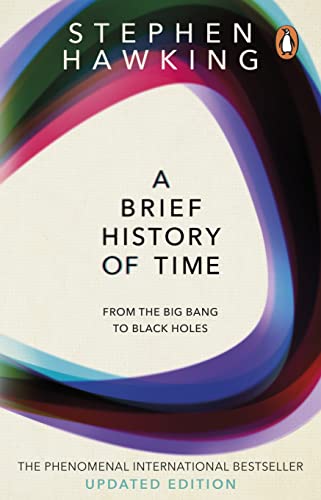
The physicist explains black holes, time and the universe.
Best for: readers who want big questions.
6. Astrophysics for People in a Hurry by Neil deGrasse Tyson
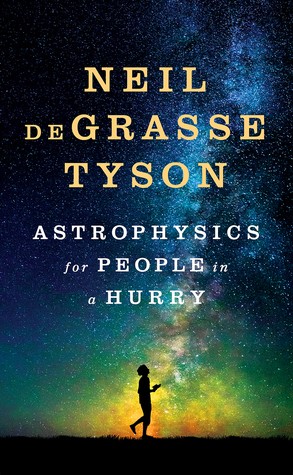
Tyson gives a quick tour of the universe.
Best for: readers who want something short.
7. What If? by Randall Munroe
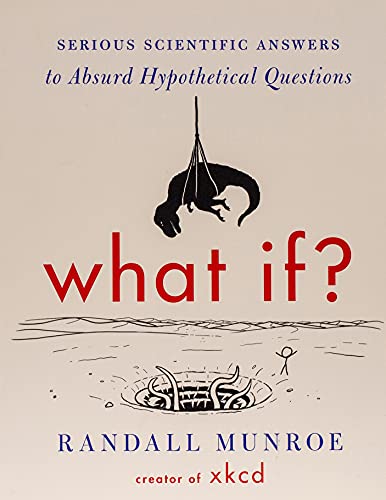
The xkcd creator gives serious answers to absurd questions.
Best for: readers who love silly science.
8. Sapiens by Yuval Noah Harari
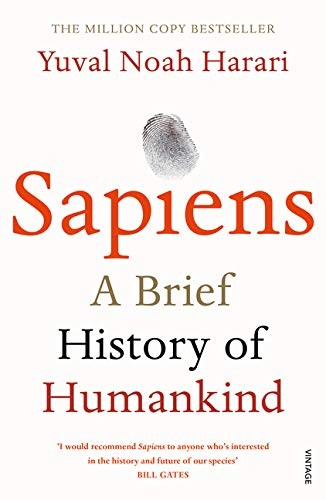
Harari tells the story of how humans came to rule the world.
Best for: readers who like big ideas.
9. Guns, Germs, and Steel by Jared Diamond
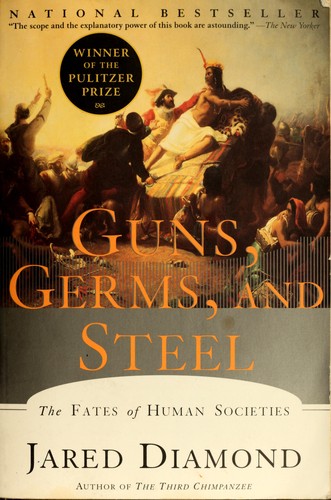
Diamond asks why some societies conquered others.
Best for: readers who want a big explanation.
10. The Sixth Extinction by Elizabeth Kolbert
A journalist explores the mass extinction now under way.
Best for: readers who care about the planet.
11. The Gene by Siddhartha Mukherjee
A doctor tells the history of genetics alongside his family story.
Best for: readers who want family and science.
12. The Emperor of All Maladies by Siddhartha Mukherjee
A cancer doctor writes the history of the disease.
Best for: readers who want a Pulitzer-winning science book.
13. The Immortal Life of Henrietta Lacks by Rebecca Skloot

A Black woman's cells changed medicine without her family's knowledge.
Best for: readers who want human stories.
14. Stiff by Mary Roach
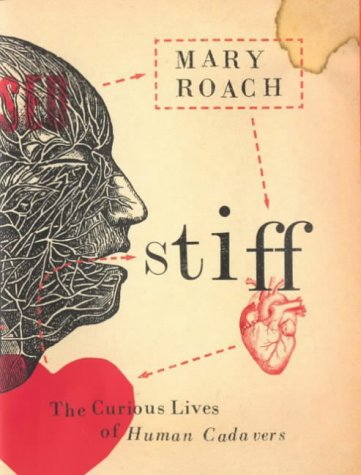
Roach explores what happens to human cadavers.
Best for: readers who like odd humor.
15. The Selfish Gene by Richard Dawkins

Dawkins explains evolution from the gene's point of view.
Best for: readers who want a classic.
How to Choose
Stay with Bryson and read The Body, which uses the same recipe, or At Home if you liked the historical side. A Walk in the Woods is a great choice when you want his humor with no science at all. If you want more cosmic wonder, go with Cosmos or Astrophysics for People in a Hurry. If you want a laugh along with your learning, What If? and Stiff are real treats. For a serious big-picture history, Sapiens and Guns, Germs, and Steel are widely discussed, though some of their claims are debated by experts. The Gene and The Immortal Life of Henrietta Lacks combine science with moving human stories.
Related: 15 Books Like The Secret History You’ll Love: Dark Academia, Obsession and Elite Secrets · Don’t Believe Everything You Think by Joseph Nguyen: Summary and Key Takeaways
Frequently Asked Questions
What is A Short History of Nearly Everything about?
Bryson explains how scientists figured out what we know about the universe, Earth and life.
Is the book hard to understand?
No. It is written for general readers, with lots of humor and stories.
Did it win an award?
Yes. It won the Aventis Prize for Science Books in 2004 and the Descartes Prize.
Is the book out of date?
Parts of it are, since it came out in 2003, but its stories and core science hold up very well.
Is there an edition for younger readers?
Yes. A Really Short History of Nearly Everything is an illustrated version for children.