
Disclosure: As an Amazon Associate, Bookish Wisdom earns from qualifying purchases. This doesn't change our picks or your price.
Quick answer: If you read Cultish, read Amanda Montell's Wordslut and The Age of Magical Overthinking, then Influence, The Righteous Mind and Bad Blood. All explore persuasion, belief and the ways groups pull people in.
Amanda Montell's 2021 book looks at the language that cults and cult-like groups use, from fitness brands to multi-level marketing companies, and asks why it works so well. It is witty, researched and conversational. The books below offer related looks at influence, language and the psychology of belonging.
Table of Contents
Quick Picks at a Glance
| Book | Author | Ages | Best For |
|---|---|---|---|
| Wordslut | Amanda Montell | Adult | more Montell |
| The Age of Magical Overthinking | Amanda Montell | Adult | modern cognitive biases |
| Influence | Robert B. Cialdini | Adult | psychology of persuasion |
| The Righteous Mind | Jonathan Haidt | Adult | why we divide |
| Bad Blood | John Carreyrou | Adult | corporate cult |
| Empire of Pain | Patrick Radden Keefe | Adult | family and opioids |
| Say Nothing | Patrick Radden Keefe | Adult | secrecy and violence |
| Educated | Tara Westover | Adult | leaving a world |
| Dopamine Nation | Anna Lembke | Adult | pleasure and addiction |
| Stolen Focus | Johann Hari | Adult | attention and technology |
| Thinking, Fast and Slow | Daniel Kahneman | Adult | how we think |
| Tribe | Sebastian Junger | Adult | belonging |
| Talking to Strangers | Malcolm Gladwell | Adult | misreading others |
| The Gift of Fear | Gavin de Becker | Adult | intuition and safety |
| The Power of Habit | Charles Duhigg | Adult | science of routines |
1. Wordslut by Amanda Montell
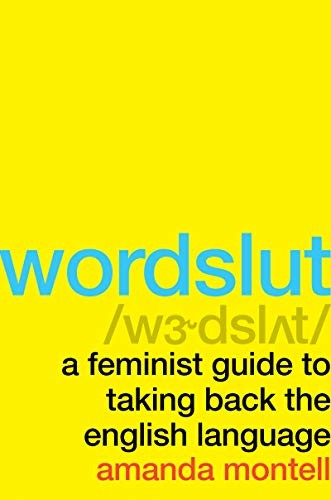
Montell explores how language shapes gender and power. Smart, funny and accessible.
Best for: more Montell.
2. The Age of Magical Overthinking by Amanda Montell
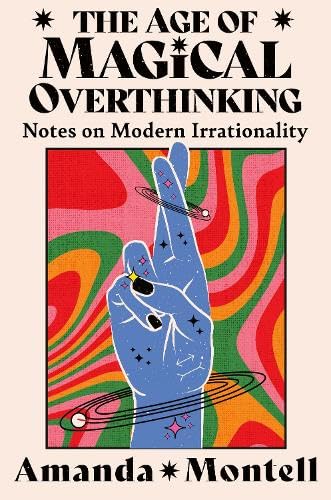
Montell looks at how our minds mislead us in the information age. Witty and timely.
Best for: modern cognitive biases.
3. Influence by Robert B. Cialdini
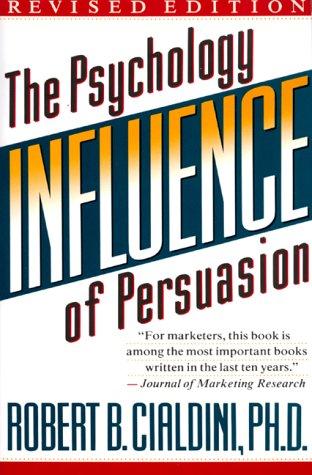
Cialdini explains the principles behind compliance and persuasion. A classic of social psychology.
Best for: psychology of persuasion.
4. The Righteous Mind by Jonathan Haidt

Haidt explores moral psychology and political tribes. Thoughtful and clear.
Best for: why we divide.
5. Bad Blood by John Carreyrou
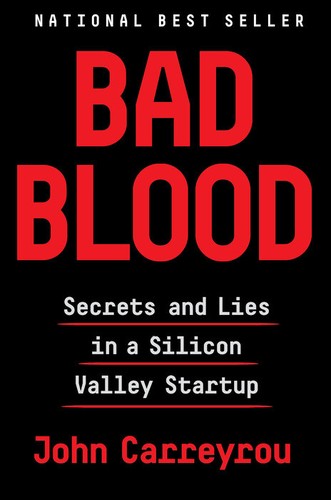
The rise and fall of Theranos. Fast, compelling and a case study in belief.
Best for: corporate cult.
6. Empire of Pain by Patrick Radden Keefe
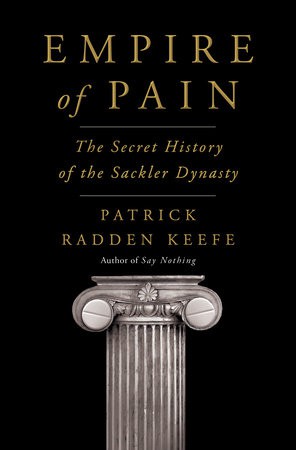
The Sackler family and the opioid crisis. Compelling and meticulous.
Best for: family and opioids.
7. Say Nothing by Patrick Radden Keefe
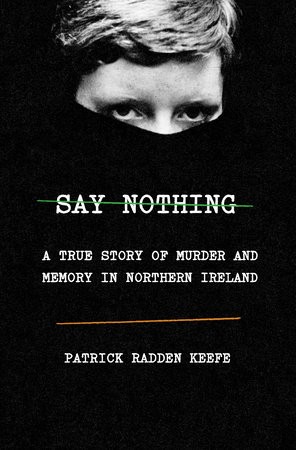
A disappearance in Northern Ireland opens a story of silence. Gripping and humane.
Best for: secrecy and violence.
8. Educated by Tara Westover
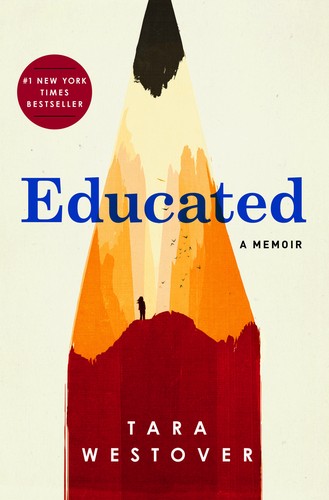
A woman raised off the grid teaches herself and goes to university. Powerful and moving.
Best for: leaving a world.
9. Dopamine Nation by Anna Lembke
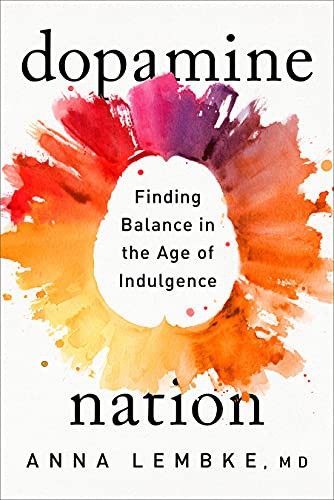
A psychiatrist explains why we overindulge and how to find balance. Clear and practical.
Best for: pleasure and addiction.
10. Stolen Focus by Johann Hari
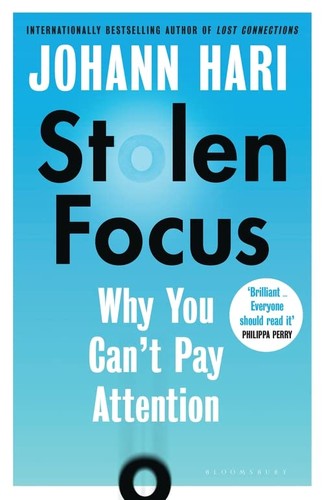
Hari investigates why we cannot concentrate. Provocative and wide-ranging.
Best for: attention and technology.
11. Thinking, Fast and Slow by Daniel Kahneman
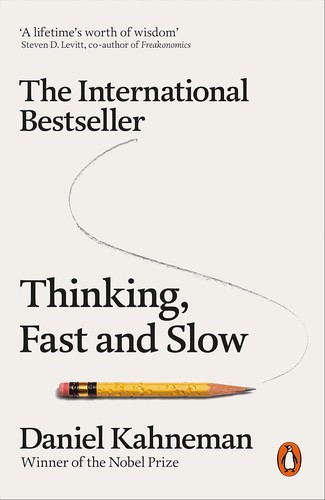
Kahneman explains two systems of thought and our biases. Dense, famous and rewarding.
Best for: how we think.
12. Tribe by Sebastian Junger
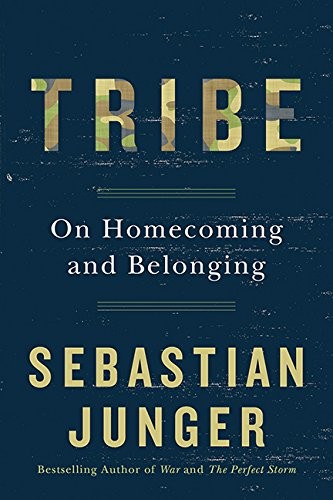
Junger explores why people long for community and meaning. Short and thoughtful.
Best for: belonging.
13. Talking to Strangers by Malcolm Gladwell
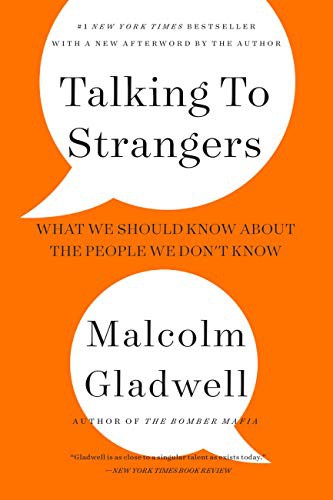
Gladwell explores why we misjudge people we don't know. Engaging and debated.
Best for: misreading others.
14. The Gift of Fear by Gavin de Becker
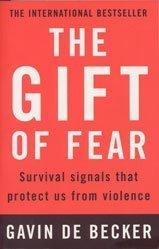
De Becker explains how to trust instincts about danger. Practical and gripping.
Best for: intuition and safety.
15. The Power of Habit by Charles Duhigg
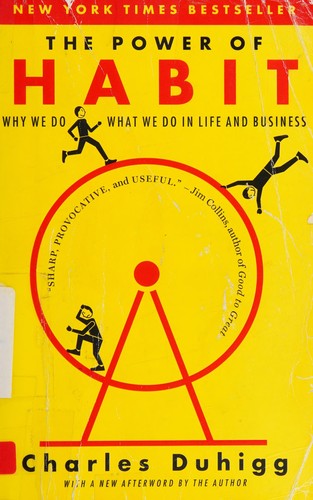
Duhigg explains how habits form and how to change them. Story-driven and clear.
Best for: science of routines.
How to Choose
For more Montell choose Wordslut or The Age of Magical Overthinking. For psychology of influence pick Influence, The Righteous Mind or Thinking, Fast and Slow. For stories of belief and fraud read Bad Blood, Empire of Pain or Say Nothing. For personal memoir try Educated. Cultish is conversational, so audiobooks (read by the author) are a good choice. Montell's focus is language and branding, not religion, so these books suit readers who are curious about influence in everyday life, from fitness studios to social media. Cultish is conversational and funny, so readers who like it may enjoy podcasts about cults and influence as well, though be aware these cover difficult subjects. The books above lean towards psychology and investigation, so pick based on whether you want theory or story. Audiobooks suit commutes and walks. If a particular chapter interests you, such as the language of fitness or multi-level marketing, it is worth following up with articles on the same subject.
Related: 15 Books Like Wings of Fire Kids Will Love: Dragons, Quests and Animal Adventures · 12 Dystopian Books Like the Hunger Games | Best Books to Read Like Hunger Games
Frequently Asked Questions
What is Cultish about?
The language used by cults and cult-like groups, and why it persuades.
Who wrote it?
Amanda Montell.
When was it published?
2021.
Is it about religious cults?
It covers some, but also fitness brands, multi-level marketing and wellness trends.
Is it academic?
No, it is written for general readers with humour.
Is it a quick read?
Yes, about 300 pages.
Is there an audiobook?
Yes, read by the author.
What should I read next?
Try Influence or Bad Blood.
Does Cultish say all groups are cults?
No. It argues that cult-like language appears in many groups, and the difference lies in power and harm.
Who is the book for?
Anyone curious about persuasion, brand culture or wellness trends.
Does Cultish include fitness brands?
Yes, it looks at groups such as workout communities and wellness brands.
Is Cultish a good audiobook?
Yes, the author's narration is lively and clear.