

Disclosure: As an Amazon Associate, Bookish Wisdom earns from qualifying purchases. This doesn't change our picks or your price.
Quick answer: If you loved David and Goliath, try Outliers, The Tipping Point, Antifragile, Range, Grit and Mindset. Each one challenges how we think about underdogs, advantages and success.
Malcolm Gladwell's 2013 book argues that what looks like a disadvantage can be a strength, and that powerful giants are often weaker than they seem. Using stories of dyslexic entrepreneurs, small classes and civil rights campaigns, he asks when underdogs win and why. Readers love its surprising examples. These books share its fresh view of advantage, struggle and success.
Table of Contents
Quick Picks at a Glance
| Book | Author | Focus | Best For |
|---|---|---|---|
| Outliers | Malcolm Gladwell | Success | readers who want more Gladwell |
| The Tipping Point | Malcolm Gladwell | Trends | readers who want Gladwell's first book |
| Antifragile | Nassim Nicholas Taleb | Resilience | readers who like strength from stress |
| Range | David Epstein | Learning | readers who like counterintuitive ideas |
| Grit | Angela Duckworth | Perseverance | readers who like persistence |
| Mindset | Carol S. Dweck | Growth | readers who want research |
| Moneyball | Michael Lewis | Underdogs | readers who like smart strategies |
| Originals | Adam Grant | Creativity | readers who like nonconformists |
| The Obstacle Is the Way | Ryan Holiday | Stoicism | readers who like turning trials into strengths |
| Option B | Sheryl Sandberg and Adam Grant | Resilience | readers who want personal resilience |
| Born a Crime | Trevor Noah | Memoir | readers who like real underdogs |
| Shoe Dog | Phil Knight | Memoir | readers who like underdog companies |
| The Art of Possibility | Rosamund Stone Zander and Benjamin Zander | Mindset | readers who like reframing |
| Freakonomics | Steven D. Levitt and Stephen J. Dubner | Economics | readers who like surprises |
| Talking to Strangers | Malcolm Gladwell | Judgment | readers who like Gladwell's later work |
1. Outliers by Malcolm Gladwell
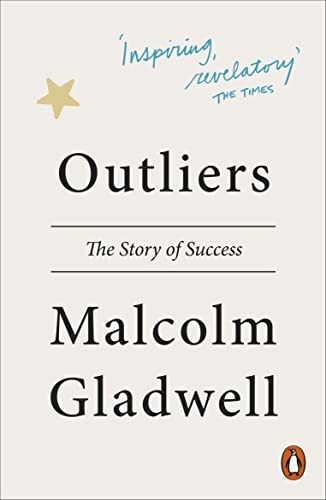
Gladwell examines what drives success.
Best for: readers who want more Gladwell.
2. The Tipping Point by Malcolm Gladwell
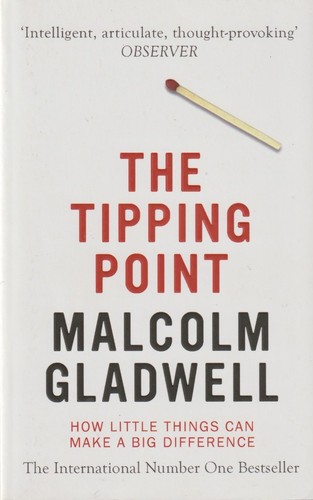
How small changes cause big shifts.
Best for: readers who want Gladwell's first book.
3. Antifragile by Nassim Nicholas Taleb
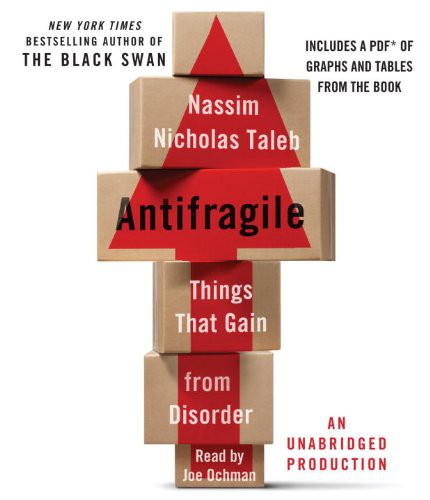
Things that grow stronger from shocks.
Best for: readers who like strength from stress.
4. Range by David Epstein
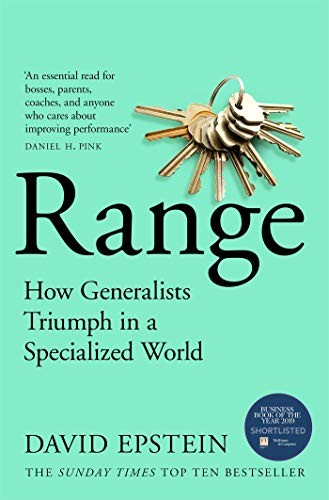
Generalists often outperform specialists.
Best for: readers who like counterintuitive ideas.
5. Grit by Angela Duckworth
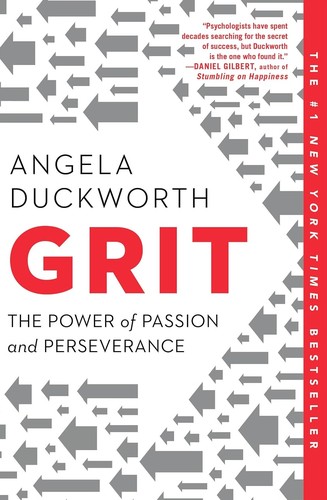
Passion and persistence beat talent.
Best for: readers who like persistence.
6. Mindset by Carol S. Dweck
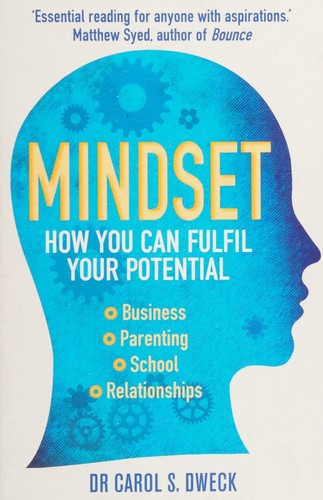
Believing you can grow changes outcomes.
Best for: readers who want research.
7. Moneyball by Michael Lewis
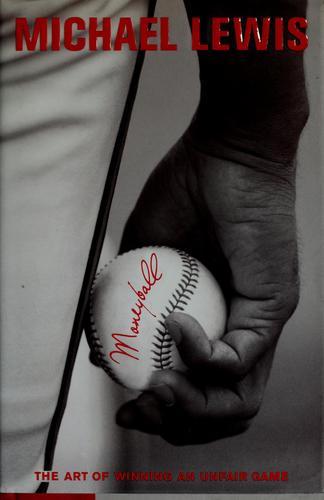
A low-budget team uses data to win.
Best for: readers who like smart strategies.
8. Originals by Adam Grant
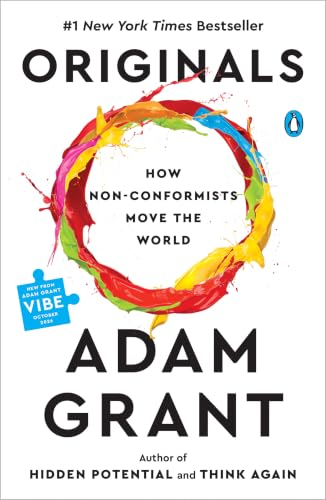
How original thinkers succeed.
Best for: readers who like nonconformists.
9. The Obstacle Is the Way by Ryan Holiday
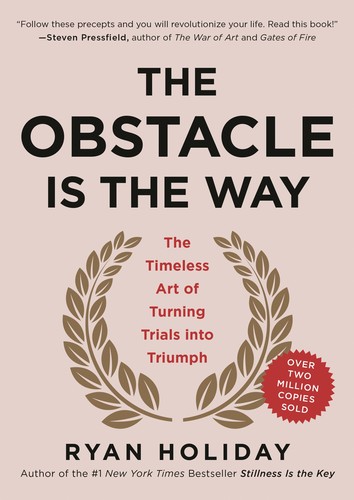
Stoic lessons on adversity.
Best for: readers who like turning trials into strengths.
10. Option B by Sheryl Sandberg and Adam Grant
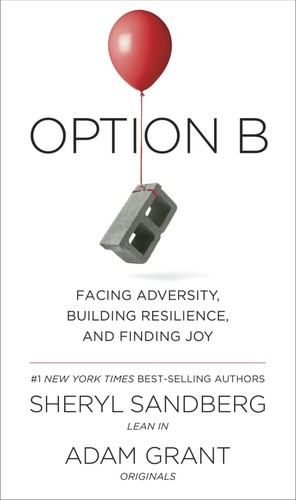
Building resilience after loss.
Best for: readers who want personal resilience.
11. Born a Crime by Trevor Noah
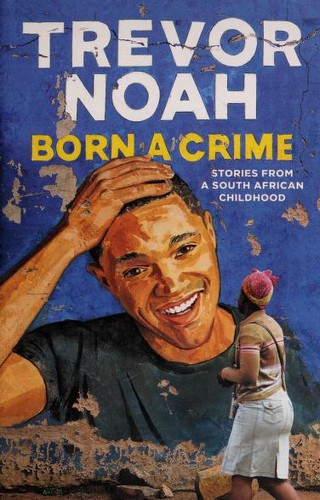
Noah grows up mixed-race in apartheid South Africa.
Best for: readers who like real underdogs.
12. Shoe Dog by Phil Knight
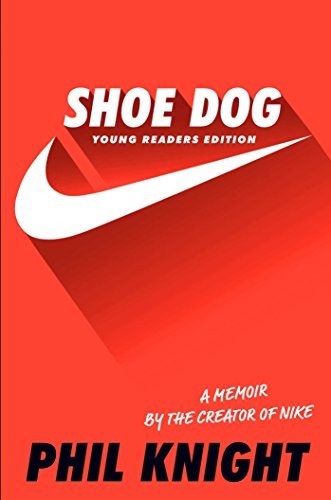
Nike's founder tells its story.
Best for: readers who like underdog companies.
13. The Art of Possibility by Rosamund Stone Zander and Benjamin Zander
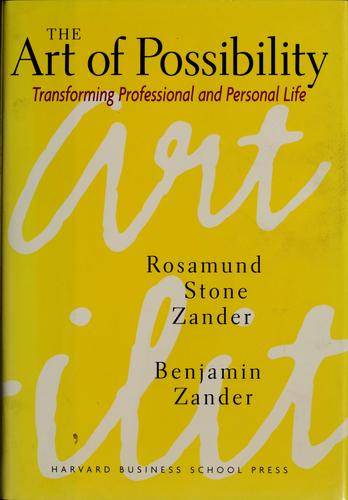
Practices for seeing possibilities.
Best for: readers who like reframing.
14. Freakonomics by Steven D. Levitt and Stephen J. Dubner
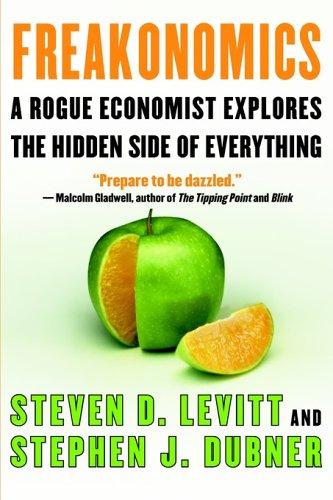
Hidden forces behind everyday life.
Best for: readers who like surprises.
15. Talking to Strangers by Malcolm Gladwell
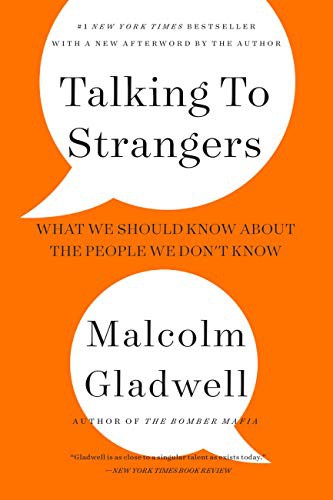
Why we misread strangers.
Best for: readers who like Gladwell's later work.
How We Chose These Books
Every pick is a real, widely available book that shares something specific with David and Goliath: its tone, its themes, its pace or the kind of characters it puts at the center. We mixed well-known favorites with a few less obvious titles, and we noted who each book suits best so you can match it to the reader. Where a book belongs to a series, we list the first volume so you can start at the beginning.
If you are not sure where to begin, start with the first three picks in the table: they are the closest match to David and Goliath. The rest of the list moves further out, so it works well once you know which part of the original you liked most. If a pick is part of a longer series, read the first book before you commit, and check the age or content notes in the table before passing a book to a younger reader.
How to Choose
For more Gladwell, Outliers and The Tipping Point are the best next reads. If you like the idea of strength from struggle, Antifragile and The Obstacle Is the Way go deeper. Moneyball is a perfect true underdog story. Originals explores how unusual thinkers win.
Related: Outliers by Malcolm Gladwell: Summary and Key Takeaways · The Tipping Point by Malcolm Gladwell: Summary and Key Takeaways
Frequently Asked Questions
What is David and Goliath about?
Gladwell argues that disadvantages can become strengths and giants are weaker than they look.
What is the “desirable difficulty”?
The idea that some struggles, like dyslexia, can build useful skills.
Is David and Goliath accurate?
It is engaging, but some critics say it simplifies research.
When was it published?
In 2013.
Is it easy to read?
Yes. It is built on short, memorable stories.
What should I read next?
Outliers.
Does it use the story of David and Goliath?
Yes. Gladwell uses it as a starting point to discuss underdogs.
What is the inverted U curve?
Gladwell's idea that some advantages help up to a point, then start to hurt.
Is David and Goliath good for students?
Yes. Its stories make good discussion starters about success.
Does Gladwell discuss the civil rights movement?
Yes. He looks at how activists in Birmingham used clever tactics against more powerful opponents.