

Disclosure: As an Amazon Associate, Bookish Wisdom earns from qualifying purchases. This doesn't change our picks or your price.
Quick answer: If you loved Guns, Germs, and Steel, try Collapse, Sapiens, The Dawn of Everything, 1491, 1493 and The Silk Roads. Each one offers big-picture history, explaining how geography, technology or chance shaped human societies.
Jared Diamond's Pulitzer Prize-winning 1997 book asks why Eurasian societies conquered others, rather than the reverse. He argues that geography gave some regions more domesticable plants and animals, leading to farming, dense populations, technology and germs that devastated people with less exposure. Readers love its ambition and its clarity, though historians debate parts of it. These books share its sweeping view of human history.
Table of Contents
Quick Picks at a Glance
| Book | Author | Focus | Best For |
|---|---|---|---|
| Collapse | Jared Diamond | Societies | readers who want more Diamond |
| Sapiens | Yuval Noah Harari | Human history | readers who want another big story |
| The Dawn of Everything | David Graeber and David Wengrow | Early societies | readers who want a challenge to Diamond |
| 1491 | Charles C. Mann | The Americas | readers who want the Americas before Columbus |
| 1493 | Charles C. Mann | Global exchange | readers who want the aftermath |
| The Silk Roads | Peter Frankopan | Trade | readers who want a non-Western view |
| Why the West Rules—For Now | Ian Morris | Big history | readers who like comparisons |
| Plagues and Peoples | William H. McNeill | Disease | readers who want germs in history |
| The Third Chimpanzee | Jared Diamond | Evolution | readers who want Diamond on human evolution |
| A Short History of Nearly Everything | Bill Bryson | Science | readers who want science history |
| Why Nations Fail | Daron Acemoglu and James A. Robinson | Institutions | readers who want another explanation |
| Salt | Mark Kurlansky | Commodity history | readers who like small subjects with big impact |
| Against the Grain | James C. Scott | Early states | readers who like critiques of civilization |
| Origin Story | David Christian | Big history | readers who want everything |
| The Human Web | J.R. McNeill and William H. McNeill | World history | readers who like networks |
1. Collapse by Jared Diamond
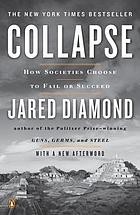
Why some societies fail.
Best for: readers who want more Diamond.
2. Sapiens by Yuval Noah Harari
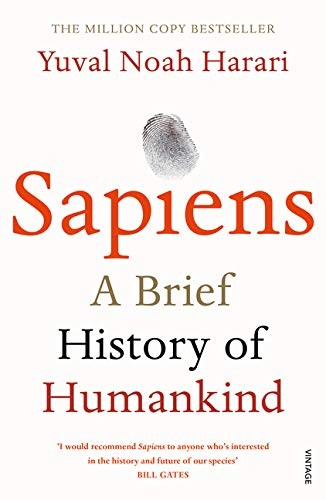
How humans came to rule the world.
Best for: readers who want another big story.
3. The Dawn of Everything by David Graeber and David Wengrow
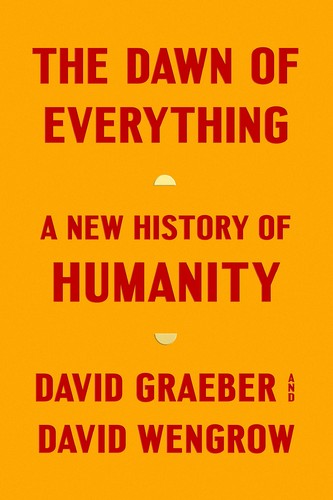
A rethinking of early human societies.
Best for: readers who want a challenge to Diamond.
4. 1491 by Charles C. Mann

Pre-Columbian America was more advanced than once thought.
Best for: readers who want the Americas before Columbus.
5. 1493 by Charles C. Mann
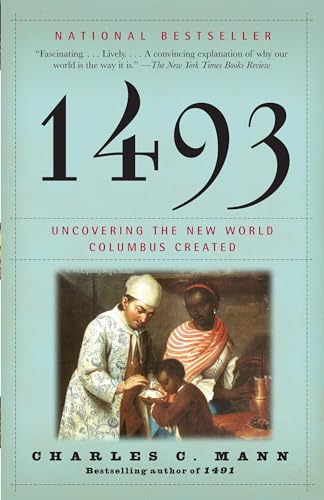
How Columbus changed the world.
Best for: readers who want the aftermath.
6. The Silk Roads by Peter Frankopan
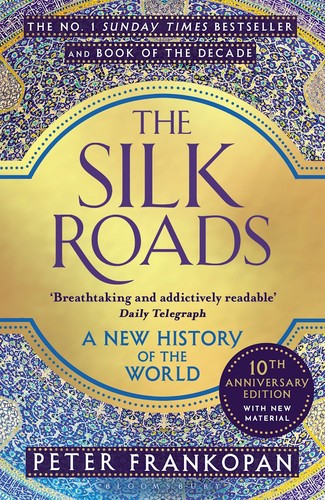
A history centered on the Silk Roads.
Best for: readers who want a non-Western view.
7. Why the West Rules—For Now by Ian Morris
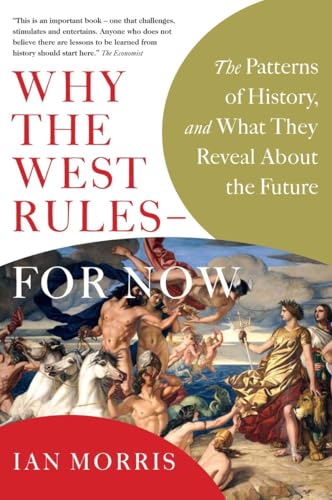
Why the West has dominated.
Best for: readers who like comparisons.
8. Plagues and Peoples by William H. McNeill
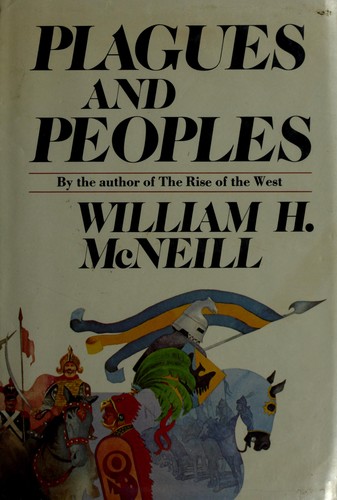
How diseases shaped history.
Best for: readers who want germs in history.
9. The Third Chimpanzee by Jared Diamond
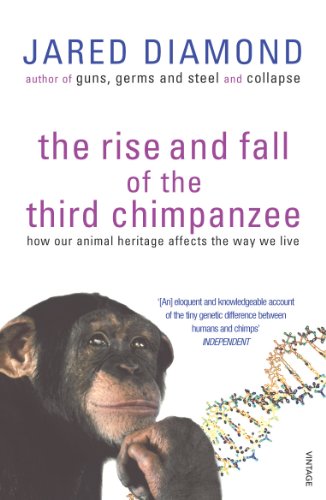
What makes humans unique.
Best for: readers who want Diamond on human evolution.
10. A Short History of Nearly Everything by Bill Bryson

Bryson's tour of science.
Best for: readers who want science history.
11. Why Nations Fail by Daron Acemoglu and James A. Robinson
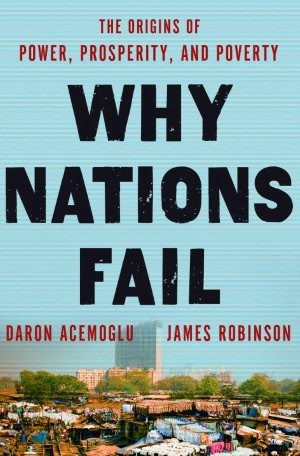
Institutions shape wealth.
Best for: readers who want another explanation.
12. Salt by Mark Kurlansky
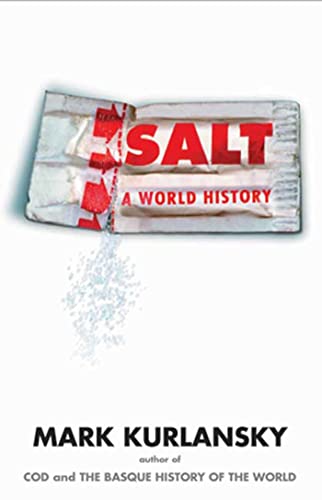
How salt shaped civilization.
Best for: readers who like small subjects with big impact.
13. Against the Grain by James C. Scott
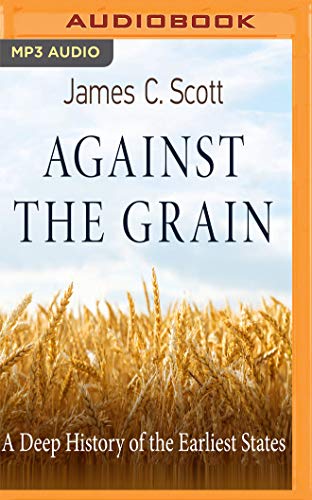
The dark side of early states.
Best for: readers who like critiques of civilization.
14. Origin Story by David Christian
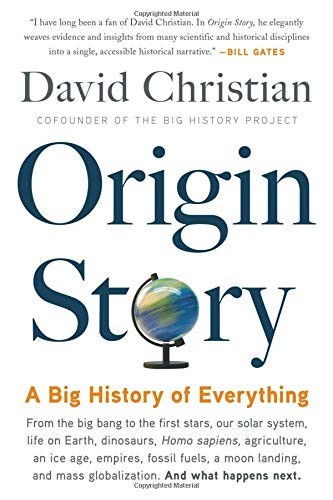
A history from the Big Bang to today.
Best for: readers who want everything.
15. The Human Web by J.R. McNeill and William H. McNeill
A history of human connections.
Best for: readers who like networks.
How We Chose These Books
Every pick is a real, widely available book that shares something specific with Guns, Germs, and Steel: its tone, its themes, its pace or the kind of characters it puts at the center. We mixed well-known favorites with a few less obvious titles, and we noted who each book suits best so you can match it to the reader. Where a book belongs to a series, we list the first volume so you can start at the beginning.
If you are not sure where to begin, start with the first three picks in the table: they are the closest match to Guns, Germs, and Steel. The rest of the list moves further out, so it works well once you know which part of the original you liked most. If a pick is part of a longer series, read the first book before you commit, and check the age or content notes in the table before passing a book to a younger reader.
How to Choose
For more Diamond, Collapse is the natural follow-up. If you want a different explanation, Why Nations Fail and The Dawn of Everything challenge his ideas. Sapiens is the popular companion, while 1491 and 1493 add depth on the Americas. Plagues and Peoples goes further into disease.
Related: Guns, Germs, and Steel by Jared Diamond: Summary and Key Takeaways · Sapiens by Yuval Noah Harari: Summary and Key Takeaways
Frequently Asked Questions
What is Guns, Germs, and Steel about?
Why some societies conquered others, explained through geography, farming and disease.
Did it win a Pulitzer?
Yes. It won the Pulitzer Prize for General Nonfiction in 1998.
Is it controversial?
Yes. Some historians criticize it for geographic determinism.
Who is Jared Diamond?
An American geographer and author.
Is it hard to read?
It is long but clearly written.
Is there a documentary?
Yes. National Geographic made a 2005 series.
What should I read next?
Collapse or Why Nations Fail.