
Disclosure: As an Amazon Associate, Bookish Wisdom earns from qualifying purchases. This doesn't change our picks or your price.
Quick answer: If Carol Dweck's Mindset changed how you see effort, read Grit, Atomic Habits, Peak and Range. They share a practical focus on how people learn, improve and stick with hard goals.
Mindset argues that believing you can grow is the first step to growing. These books extend that idea with research on habits, practice, talent and resilience. Most are accessible nonfiction written by researchers or journalists. All are real, in-print books.
Table of Contents
Quick Picks at a Glance
| Book | Author | Ages | Best For |
|---|---|---|---|
| Grit | Angela Duckworth | Adult | the closest companion |
| Atomic Habits | James Clear | Adult | habit builders |
| The Power of Habit | Charles Duhigg | Adult | story-driven science |
| Peak | Anders Ericsson and Robert Pool | Adult | skill learners |
| Range | David Epstein | Adult | career changers |
| Outliers | Malcolm Gladwell | Adult | casual readers |
| The Talent Code | Daniel Coyle | Adult | coaches and parents |
| Drive | Daniel H. Pink | Adult | managers and leaders |
| Think Again | Adam Grant | Adult | open-minded thinkers |
| Deep Work | Cal Newport | Adult | focus seekers |
| Daring Greatly | Brené Brown | Adult | emotional growth |
| Flow | Mihaly Csikszentmihalyi | Adult | psychology fans |
| Bounce | Matthew Syed | Adult | athletes |
| Make It Stick | Peter C. Brown, Henry L. Roediger III and Mark A. McDaniel | Adult | students and teachers |
| The Obstacle Is the Way | Ryan Holiday | Adult | resilience seekers |
1. Grit by Angela Duckworth
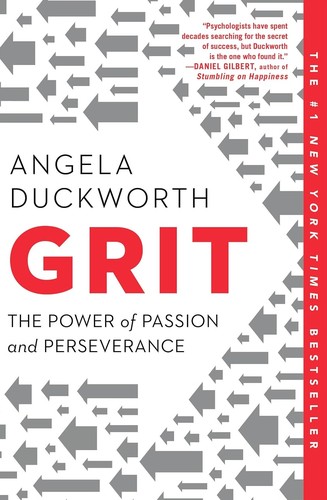
A psychologist argues that passion and persistence matter more than talent. Packed with stories and research.
Best for: the closest companion.
2. Atomic Habits by James Clear
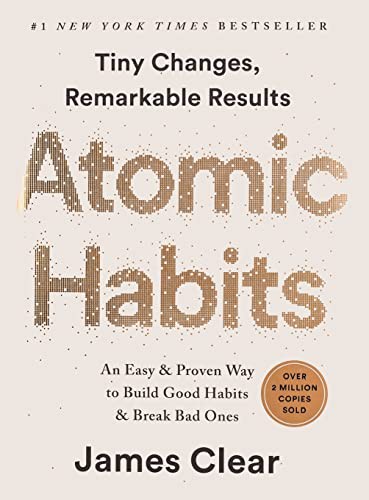
A practical system for building small habits that compound. Clear, simple and highly actionable.
Best for: habit builders.
3. The Power of Habit by Charles Duhigg
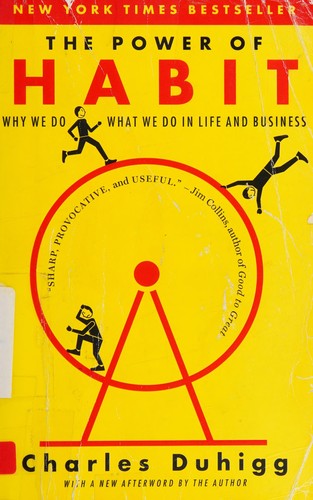
Explains how habits form and how to change them, using stories from business and life.
Best for: story-driven science.
4. Peak by Anders Ericsson and Robert Pool
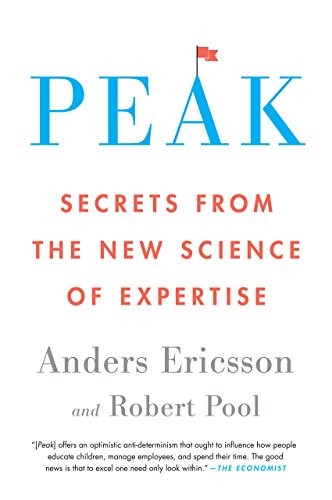
The researcher behind the “10,000 hours” idea explains deliberate practice and how experts are made.
Best for: skill learners.
5. Range by David Epstein
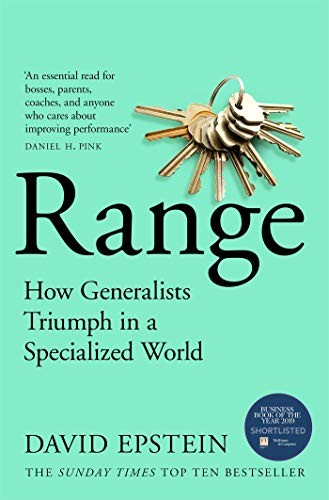
Argues that generalists often beat specialists in complex fields. A strong counterpoint to early specialization.
Best for: career changers.
6. Outliers by Malcolm Gladwell
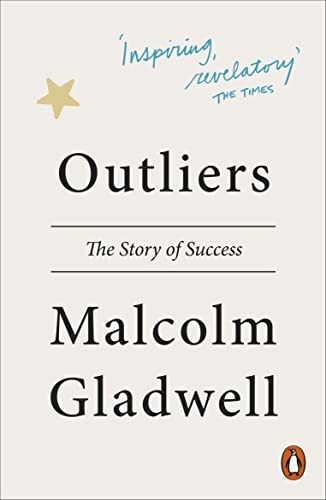
Examines the hidden factors behind success, from timing to culture. Easy and thought-provoking.
Best for: casual readers.
7. The Talent Code by Daniel Coyle
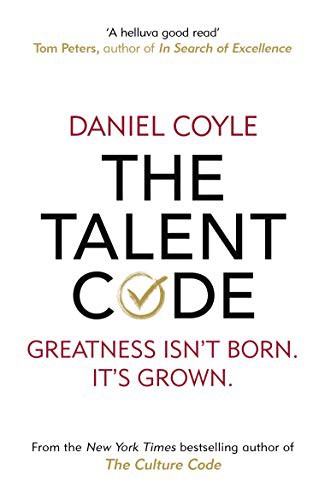
Explores how deep practice and coaching grow talent. Examples from sport and music make it vivid.
Best for: coaches and parents.
8. Drive by Daniel H. Pink
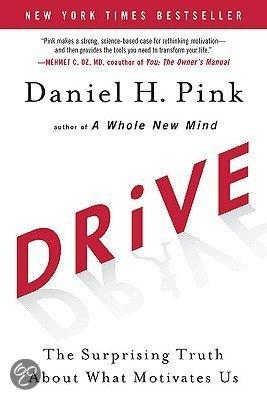
Argues that autonomy, mastery and purpose motivate people more than rewards. Short and clear.
Best for: managers and leaders.
9. Think Again by Adam Grant
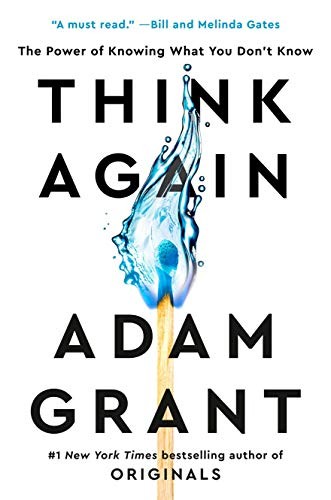
Makes the case for rethinking your views and staying open to change. Fits well with a growth mindset.
Best for: open-minded thinkers.
10. Deep Work by Cal Newport
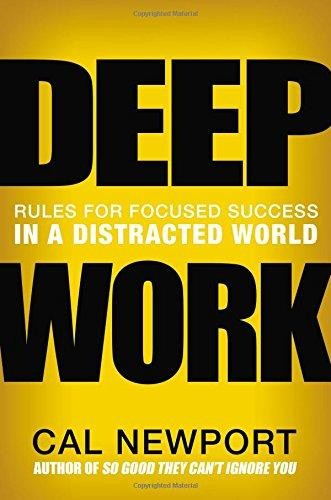
Shows how focused work produces rare value. Practical rules for distraction-free effort.
Best for: focus seekers.
11. Daring Greatly by Brené Brown
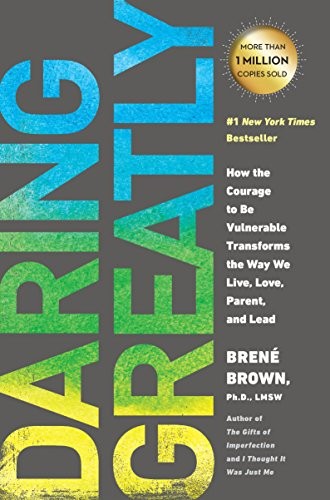
Explores vulnerability and courage, and why fear of failure holds people back.
Best for: emotional growth.
12. Flow by Mihaly Csikszentmihalyi
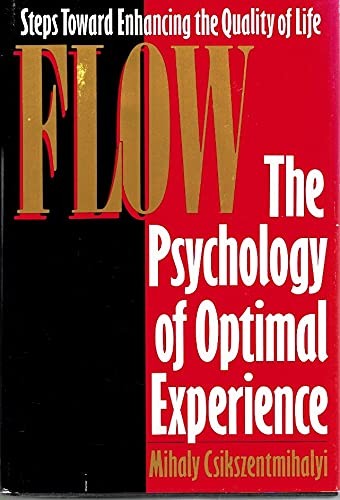
The classic study of deep absorption and happiness. Dense but rewarding.
Best for: psychology fans.
13. Bounce by Matthew Syed
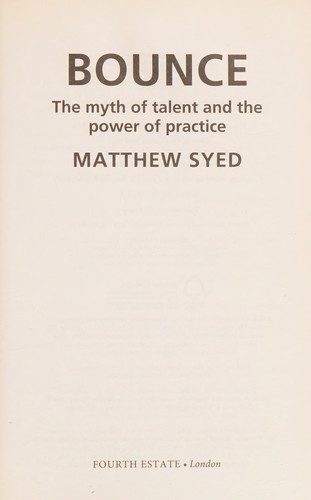
A former table-tennis champion argues that practice, not innate talent, builds expertise.
Best for: athletes.
14. Make It Stick by Peter C. Brown, Henry L. Roediger III and Mark A. McDaniel
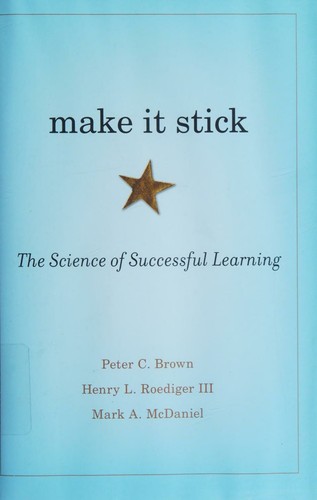
Research-based learning strategies, such as spaced practice and self-testing.
Best for: students and teachers.
15. The Obstacle Is the Way by Ryan Holiday
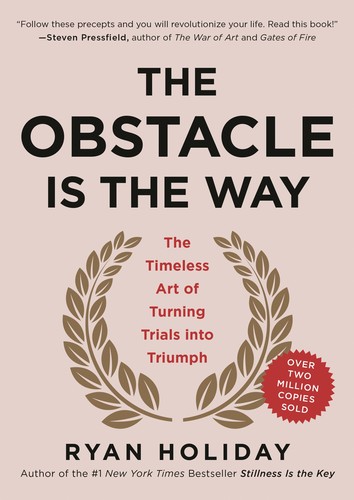
Applies Stoic ideas to turn setbacks into advantage. Short and motivational.
Best for: resilience seekers.
How to Choose
For habits, read Atomic Habits. For motivation, Drive or Grit. For skill learning, Peak or The Talent Code. For parents and teachers, Make It Stick. For a different angle, Range challenges the idea that early focus always wins. A short tip: pick one book and apply it for a month before starting another. Many readers collect self-help books without acting on any of them. A single idea, such as practicing a little each day or reframing a failure as feedback, will do more than five books read quickly. Whatever you pick, borrow it from a library or sample the first chapter before buying. Tastes in this genre vary, and a few pages will show whether the voice suits you. Check the page counts in the table so you can plan your reading time.
Related: Mindset by Carol Dweck: Summary and Key Takeaways · 15 Best Children’s Books About Mistakes and Growth Mindset to Build Resilience
Frequently Asked Questions
What is a growth mindset?
It is the belief that abilities can improve through effort, good strategies and feedback.
Is Mindset backed by research?
Dweck's work is widely cited, though later studies show smaller effects than first claimed. The core idea remains influential.
Which book is best for parents?
Make It Stick and The Talent Code are practical for helping children learn.
Which is the easiest to read?
Atomic Habits and Drive are short chapters with clear takeaways.
Is Mindset good for children?
Yes. Dweck's ideas are widely used in schools, and the book gives parents and teachers simple language for praising effort instead of talent.
How is a growth mindset different from positive thinking?
Growth mindset focuses on learning strategies and effort, not on simply believing you will succeed. You still need practice and feedback.
Is Grit better than Mindset?
They are complementary. Mindset explains how you think about ability, while Grit explains how to keep going over years.
Should I read these in order?
No. Each book stands alone. Start with the topic you need most, such as habits, motivation or skill practice.
Do these books agree with each other?
Mostly, though Range and Peak disagree about whether early specialization is best. Reading both gives a fuller view.