

Disclosure: As an Amazon Associate, Bookish Wisdom earns from qualifying purchases. This doesn't change our picks or your price.
Quick answer: If you liked Never Split the Difference, try Getting to Yes, Influence, Crucial Conversations, Difficult Conversations, Start with No and Getting Past No. They teach negotiation and persuasion with real stories and clear steps.
Chris Voss, a former FBI hostage negotiator, shows how tactics like mirroring, labeling and calibrated questions can help in business and daily life. Readers who finish it want more tools for hard conversations and better deals. These 15 books cover negotiation, persuasion and communication, from classics to newer guides.
Table of Contents
Quick Picks at a Glance
| Book | Author | Ages | Best For |
|---|---|---|---|
| Getting to Yes | Roger Fisher, William Ury and Bruce Patton | Adult | the foundation text |
| Getting Past No | William Ury | Adult | readers facing hard counterparts |
| Influence | Robert Cialdini | Adult | readers who want the science |
| Pre-Suasion | Robert Cialdini | Adult | readers who liked Influence |
| Crucial Conversations | Kerry Patterson, Joseph Grenny, Ron McMillan and Al Switzler | Adult | readers who face tough talks |
| Difficult Conversations | Douglas Stone, Bruce Patton and Sheila Heen | Adult | readers who want empathy |
| Start with No | Jim Camp | Adult | readers who like a different view |
| Negotiation Genius | Deepak Malhotra and Max Bazerman | Adult | business readers |
| Bargaining for Advantage | G. Richard Shell | Adult | readers who want a full guide |
| Beyond Reason | Roger Fisher and Daniel Shapiro | Adult | readers who handle emotional talks |
| Thinking, Fast and Slow | Daniel Kahneman | Adult | readers who like psychology |
| How to Win Friends and Influence People | Dale Carnegie | Adult | readers who want people skills |
| Nonviolent Communication | Marshall B. Rosenberg | Adult | readers who want better relationships |
| Radical Candor | Kim Scott | Adult | managers |
| Never Eat Alone | Keith Ferrazzi | Adult | networkers |
1. Getting to Yes by Roger Fisher, William Ury and Bruce Patton
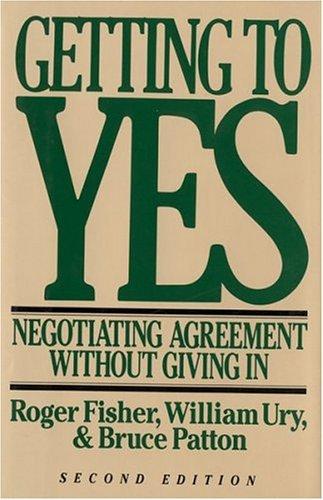
The classic on principled negotiation: focus on interests, not positions. Short and clear.
Best for: the foundation text.
2. Getting Past No by William Ury
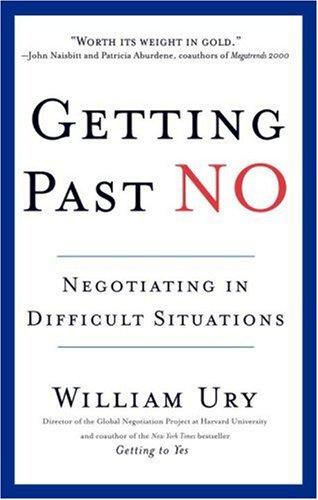
Ury shows how to deal with difficult people and bring them to the table. Practical and calm.
Best for: readers facing hard counterparts.
3. Influence by Robert Cialdini
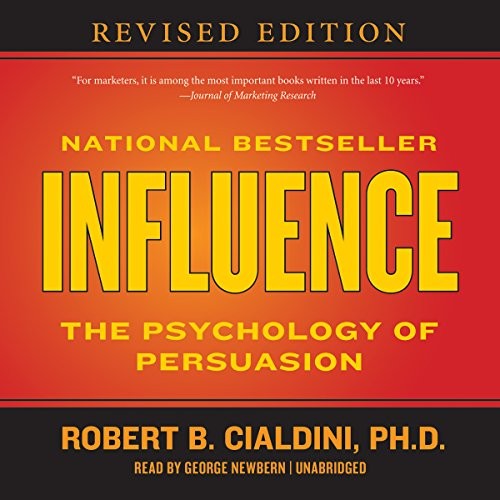
Cialdini explains six principles of persuasion, from reciprocity to social proof. Backed by research.
Best for: readers who want the science.
4. Pre-Suasion by Robert Cialdini
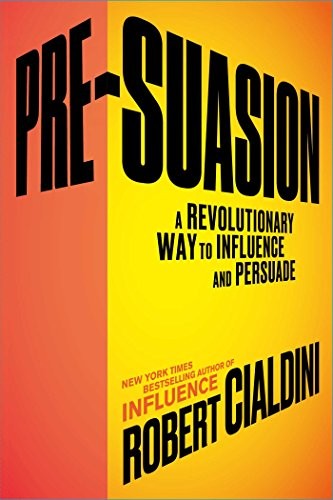
What you do before you ask can change how people respond. A follow-up to Influence.
Best for: readers who liked Influence.
5. Crucial Conversations by Kerry Patterson, Joseph Grenny, Ron McMillan and Al Switzler
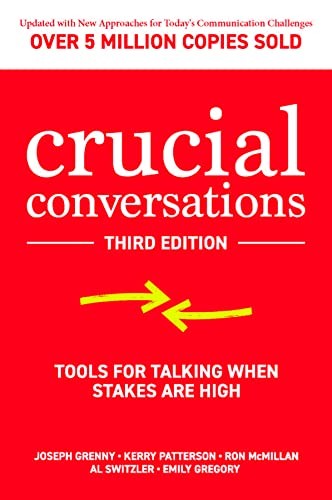
A guide to high-stakes talks with calm and clarity. Useful at work and home.
Best for: readers who face tough talks.
6. Difficult Conversations by Douglas Stone, Bruce Patton and Sheila Heen
Explains why hard talks go wrong and how to approach them with curiosity. A Harvard Negotiation Project book.
Best for: readers who want empathy.
7. Start with No by Jim Camp
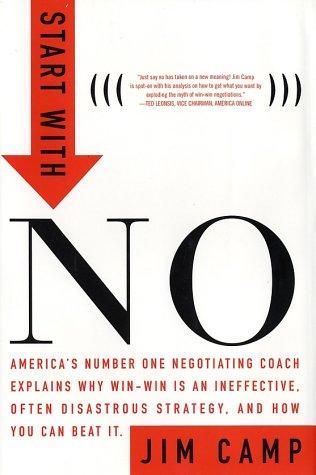
Camp argues that saying “no” gives both sides safety and clarity. Direct and contrarian.
Best for: readers who like a different view.
8. Negotiation Genius by Deepak Malhotra and Max Bazerman
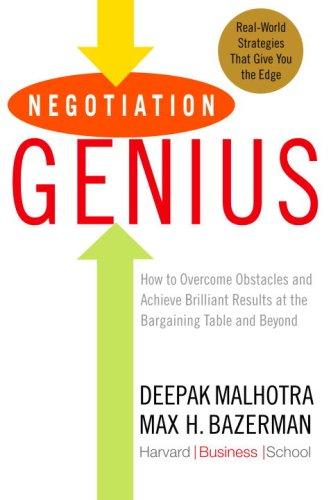
Harvard professors share strategies for preparing and handling tough deals. Research-based and practical.
Best for: business readers.
9. Bargaining for Advantage by G. Richard Shell
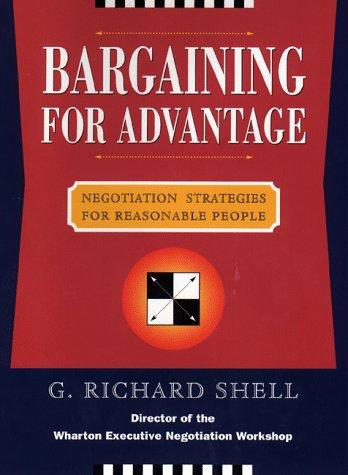
A Wharton professor explains negotiation styles and how to prepare. Clear and useful.
Best for: readers who want a full guide.
10. Beyond Reason by Roger Fisher and Daniel Shapiro
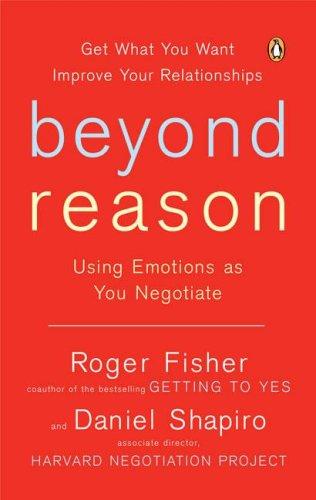
How emotions affect negotiation, and five core concerns to address. Short and insightful.
Best for: readers who handle emotional talks.
11. Thinking, Fast and Slow by Daniel Kahneman
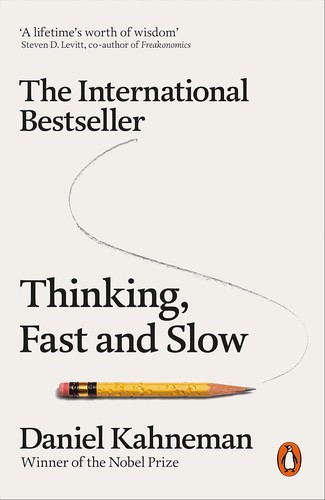
Kahneman explains the two systems of thought and our biases. Long, but illuminating for negotiators.
Best for: readers who like psychology.
12. How to Win Friends and Influence People by Dale Carnegie
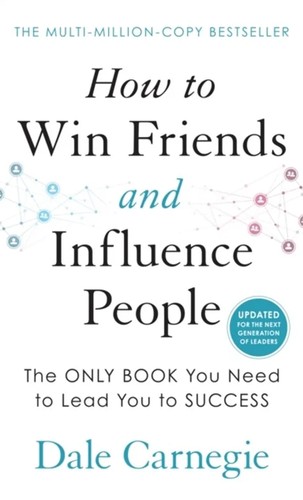
The classic on listening, appreciation and interest in others. Timeless and easy.
Best for: readers who want people skills.
13. Nonviolent Communication by Marshall B. Rosenberg

A method for expressing needs and listening with empathy. Gentle and powerful.
Best for: readers who want better relationships.
14. Radical Candor by Kim Scott
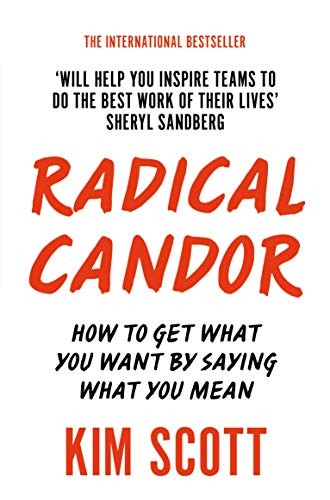
Scott shows how to give honest feedback while caring about people. Useful for managers.
Best for: managers.
15. Never Eat Alone by Keith Ferrazzi
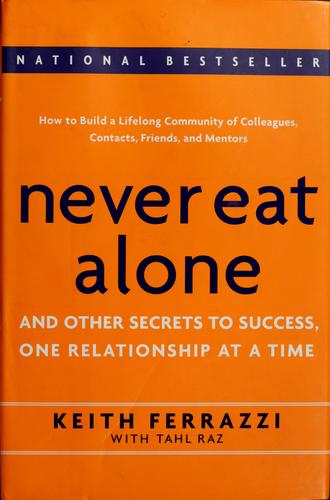
Ferrazzi shows how to build a network by being generous. Energetic and upbeat.
Best for: networkers.
How to Choose
If you want the basics, start with Getting to Yes and Crucial Conversations. For research on persuasion, read Influence. For emotional talks, choose Difficult Conversations or Beyond Reason. For leadership, add Radical Candor. A simple plan is to read one book, pick one tactic, and try it in your next conversation, such as mirroring the last few words someone says. Do not use tactics to manipulate; the best results come from real interest. To get real value, practice on low-stakes talks first, such as a store return or a phone bill, before using the ideas in big negotiations. Audiobooks suit this topic well because you can pause and try each tactic.
Related: Never Split the Difference by Chris Voss and Tahl Raz: Summary and Key Takeaways · What Is the Difference Between YA and New Adult?
Frequently Asked Questions
Is Never Split the Difference only for business?
No. Voss shows how the tactics work in everyday talks, such as with family or landlords.
What is mirroring?
It means repeating the last few words someone said to encourage them to say more.
What is a calibrated question?
It is an open question, often starting with how or what, that lets the other side solve your problem.
Which negotiation book is best for beginners?
Getting to Yes is short and covers the core ideas.
Can these tactics backfire?
Yes, if they feel scripted. Voss stresses real curiosity and empathy.
Do I need an FBI background to use these tips?
No. The ideas are simple enough for everyday use.