
Disclosure: As an Amazon Associate, Bookish Wisdom earns from qualifying purchases. This doesn't change our picks or your price.
Quick answer: If you loved Nudge, read Dan Ariely's Predictably Irrational, then Richard H. Thaler's Misbehaving, then Daniel Kahneman's Thinking, Fast and Slow, and Steven D. Levitt and Stephen J. Dubner's Freakonomics and Robert Cialdini's Influence. All are books on behaviour and decision-making.
Richard Thaler and Cass Sunstein's 2008 book explains how small changes in choices guide behaviour. These picks cover the same ground.
Table of Contents
Quick Picks at a Glance
| Book | Author | Ages | Best For |
|---|---|---|---|
| Predictably Irrational | Dan Ariely | Adult | behavioral economics |
| Misbehaving | Richard H. Thaler | Adult | behavioural economics story |
| Thinking, Fast and Slow | Daniel Kahneman | Adult | readers who like psychology |
| Freakonomics | Steven D. Levitt and Stephen J. Dubner | Adult | curious readers |
| Influence | Robert Cialdini | Adult | readers who want the science |
| Atomic Habits | James Clear | Adult | readers who want habits |
| The Power of Habit | Charles Duhigg | Adult | story-driven science |
| Outliers | Malcolm Gladwell | Adult | casual readers |
| Range | David Epstein | Adult | career changers |
| Give and Take | Adam Grant | Adult | readers who like research-based advice |
| The Tipping Point | Malcolm Gladwell | Adult | social change |
| Blink | Malcolm Gladwell | Adult | the closest Gladwell |
| Fooled by Randomness | Nassim Nicholas Taleb | Adult | thinking about luck |
| The Signal and the Noise | Nate Silver | Adult | how prediction works |
| The Art of Thinking Clearly | Rolf Dobelli | Adult | short chapters on bias |
1. Predictably Irrational by Dan Ariely
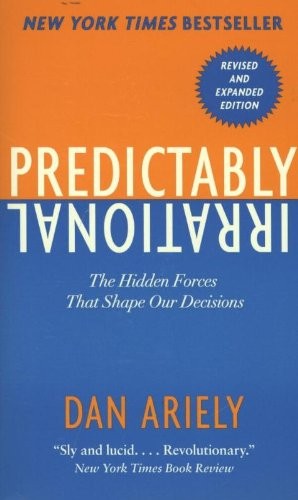
Experiments show how people make irrational choices in predictable ways. Fun and eye-opening.
Best for: behavioral economics.
2. Misbehaving by Richard H. Thaler

The Nobel winner traces how behavioural economics grew from the flaws in standard theory. Funny and personal.
Best for: behavioural economics story.
3. Thinking, Fast and Slow by Daniel Kahneman
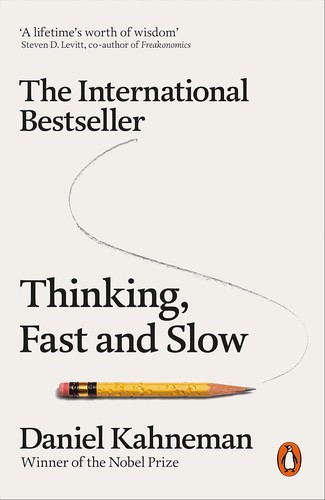
Kahneman explains the two systems of thought and our biases. Long, but illuminating for negotiators.
Best for: readers who like psychology.
4. Freakonomics by Steven D. Levitt and Stephen J. Dubner
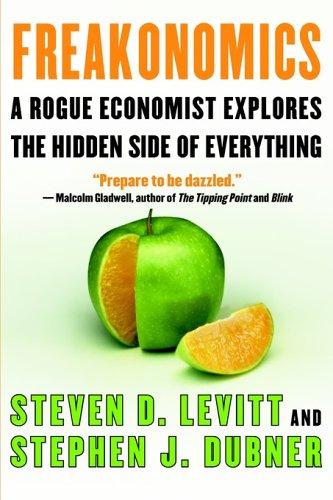
Applies economic thinking to odd questions, from cheating teachers to drug dealers. Lively and provocative.
Best for: curious readers.
5. Influence by Robert Cialdini
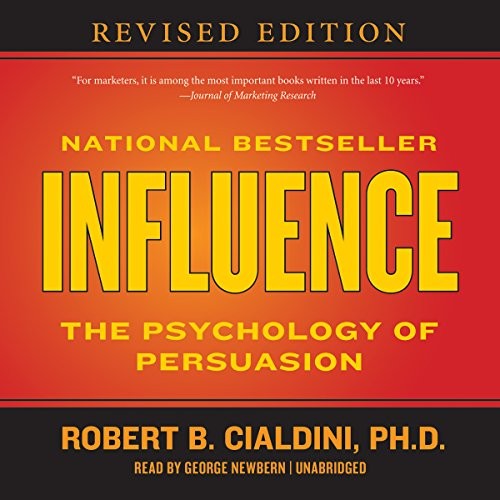
Cialdini explains six principles of persuasion, from reciprocity to social proof. A classic of psychology.
Best for: readers who want the science.
6. Atomic Habits by James Clear
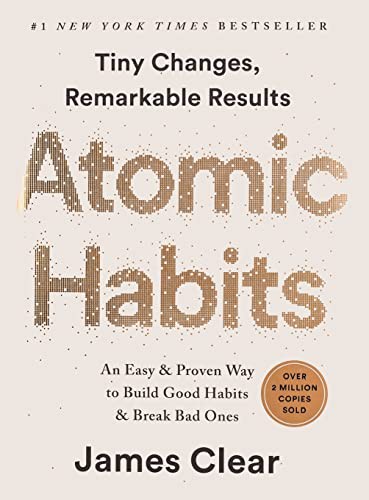
Clear shows how small changes build large results. Clear, actionable and popular.
Best for: readers who want habits.
7. The Power of Habit by Charles Duhigg
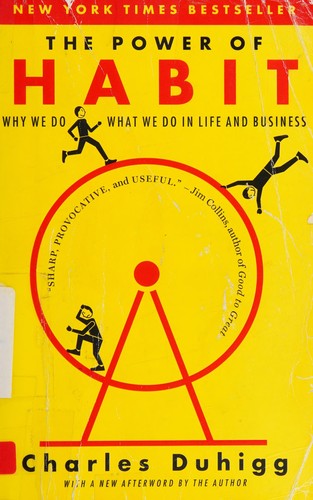
Explains how habits form and how to change them, using stories from business and life.
Best for: story-driven science.
8. Outliers by Malcolm Gladwell
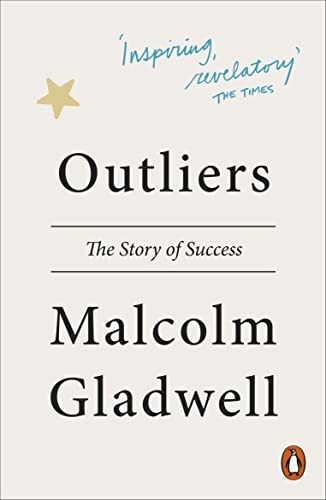
Examines the hidden factors behind success, from timing to culture. Easy and thought-provoking.
Best for: casual readers.
9. Range by David Epstein
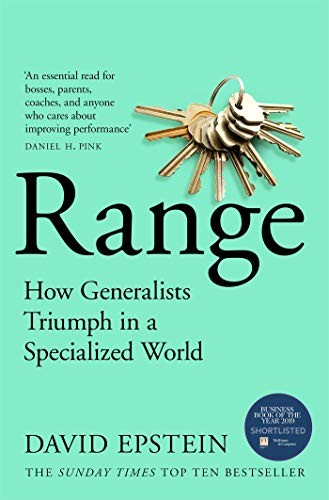
Argues that generalists often beat specialists in complex fields. A strong counterpoint to early specialization.
Best for: career changers.
10. Give and Take by Adam Grant
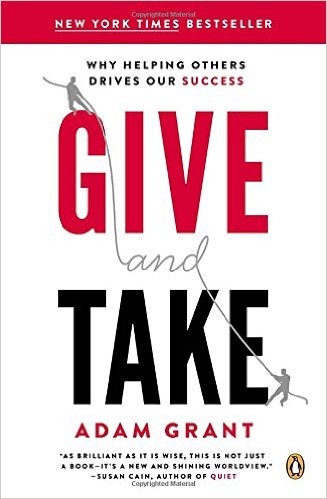
Grant shows why givers often succeed in the long run. Full of stories and research.
Best for: readers who like research-based advice.
11. The Tipping Point by Malcolm Gladwell
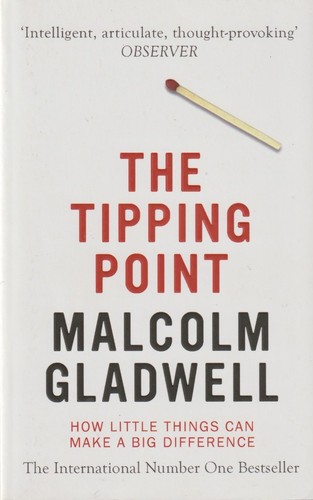
Shows how small things can start big social changes. Gladwell's first hit, with famous examples.
Best for: social change.
12. Blink by Malcolm Gladwell

Explores snap judgments and how experts make decisions in an instant. The best companion to Talking to Strangers, with the same story-first style.
Best for: the closest Gladwell.
13. Fooled by Randomness by Nassim Nicholas Taleb
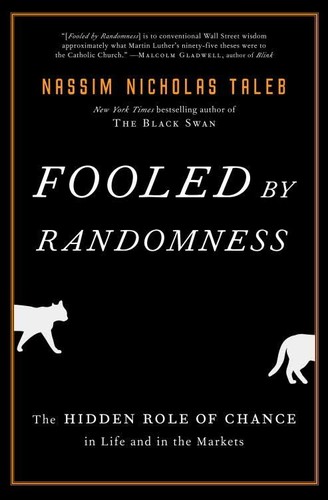
Taleb argues that we mistake luck for skill in markets and life. Provocative and witty.
Best for: thinking about luck.
14. The Signal and the Noise by Nate Silver
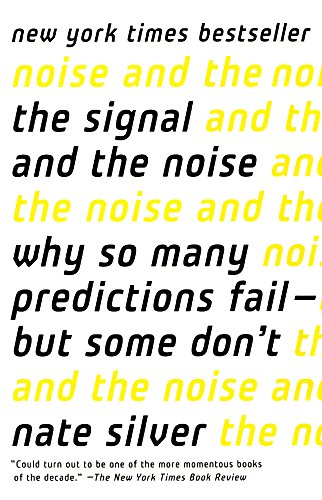
Statistician Nate Silver explains why most forecasts fail and how better ones are made. Clear and wide-ranging.
Best for: how prediction works.
15. The Art of Thinking Clearly by Rolf Dobelli
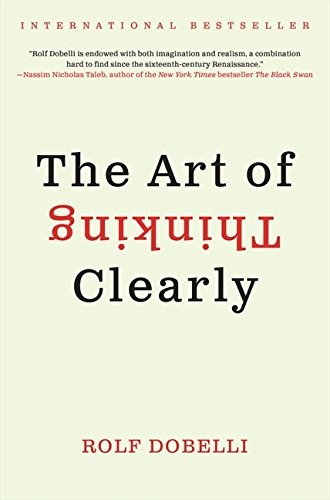
Short chapters on ninety-nine thinking errors, from sunk costs to survivorship bias. Easy to dip into.
Best for: short chapters on bias.
How We Chose These Books
Every pick is a real, widely available book that shares something specific with Nudge: its tone, its themes, its pace or the kind of characters it puts at the center. We mixed well-known favorites with a few less obvious titles, and we noted who each book suits best so you can match it to the reader. Where a book belongs to a series, we list the first volume so you can start at the beginning.
If you are not sure where to begin, start with the first three picks in the table: they are the closest match to Nudge. The rest of the list moves further out, so it works well once you know which part of the original you liked most.
How to Choose
For behavioural economics, read Predictably Irrational or Thinking, Fast and Slow. For daily habits, pick Atomic Habits or The Power of Habit. For wider ideas, try Freakonomics or Influence.
Related: 15 Books Like Wings of Fire Kids Will Love: Dragons, Quests and Animal Adventures · 12 Dystopian Books Like the Hunger Games | Best Books to Read Like Hunger Games
Frequently Asked Questions
Who wrote Nudge?
Richard H. Thaler and Cass R. Sunstein, in 2008.
What is a nudge?
A small change in how choices are presented.
Did Thaler win a Nobel?
Yes, the 2017 economics prize.
Which book here is best for short chapters on bias?
Try The Art of Thinking Clearly by Rolf Dobelli, which suits readers looking for short chapters on bias.
Which book here is best for how prediction works?
Try The Signal and the Noise by Nate Silver, which suits readers looking for how prediction works.
Which book here is best for thinking about luck?
Try Fooled by Randomness by Nassim Nicholas Taleb, which suits readers looking for thinking about luck.
Which book here is best for the closest Gladwell?
Try Blink by Malcolm Gladwell, which suits readers looking for the closest Gladwell.
Which book here is best for social change?
Try The Tipping Point by Malcolm Gladwell, which suits readers looking for social change.