
Disclosure: As an Amazon Associate, Bookish Wisdom earns from qualifying purchases. This doesn't change our picks or your price.
Quick answer: If you loved Outliers, try The Tipping Point, Blink, David and Goliath, Talking to Strangers, Peak and Range. Each one rethinks how success, talent or practice really work, with stories that are hard to forget.
Malcolm Gladwell's bestseller argues that great success is rarely just about talent. He looks at the birthdays of Canadian hockey players, the early computer access of Bill Gates and the hours the Beatles played in Hamburg, and he popularizes the idea of the 10,000-hour rule. Readers love its surprising stories and fresh ideas. These books share its curiosity about what really drives success. Some researchers have challenged parts of his claims, so we include their books too.
Table of Contents
Quick Picks at a Glance
| Book | Author | Focus | Best For |
|---|---|---|---|
| The Tipping Point | Malcolm Gladwell | Trends | readers who want more Gladwell |
| Blink | Malcolm Gladwell | Decisions | readers who like snap judgments |
| David and Goliath | Malcolm Gladwell | Underdogs | readers who like underdog stories |
| Talking to Strangers | Malcolm Gladwell | Human behavior | readers who want a darker Gladwell |
| Peak | Anders Ericsson and Robert Pool | Practice | readers who want the original research |
| Range | David Epstein | Breadth | readers who want a counterargument |
| The Talent Code | Daniel Coyle | Skill | readers who like sports and science |
| Mindset | Carol S. Dweck | Psychology | readers who want a research classic |
| Grit | Angela Duckworth | Perseverance | readers who like persistence |
| So Good They Can't Ignore You | Cal Newport | Career | readers who want career advice |
| Atomic Habits | James Clear | Habits | readers who want practical systems |
| Freakonomics | Steven D. Levitt and Stephen J. Dubner | Economics | readers who like surprising data |
| Thinking, Fast and Slow | Daniel Kahneman | Decisions | readers who want a deeper book |
| Sapiens | Yuval Noah Harari | History | readers who like big ideas |
| The Black Swan | Nassim Nicholas Taleb | Luck | readers who like risk and chance |
1. The Tipping Point by Malcolm Gladwell
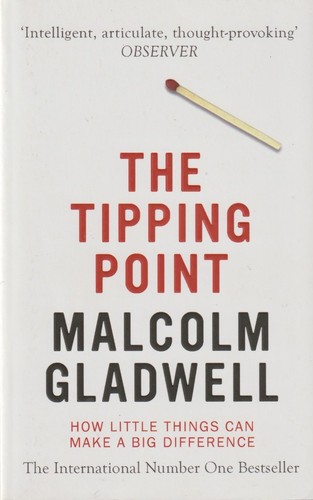
Gladwell looks at how small changes cause big social shifts.
Best for: readers who want more Gladwell.
2. Blink by Malcolm Gladwell

Gladwell explores how quick decisions can succeed or fail.
Best for: readers who like snap judgments.
3. David and Goliath by Malcolm Gladwell
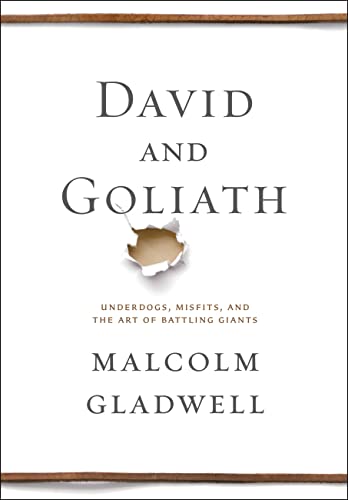
Gladwell argues that apparent disadvantages can become strengths.
Best for: readers who like underdog stories.
4. Talking to Strangers by Malcolm Gladwell
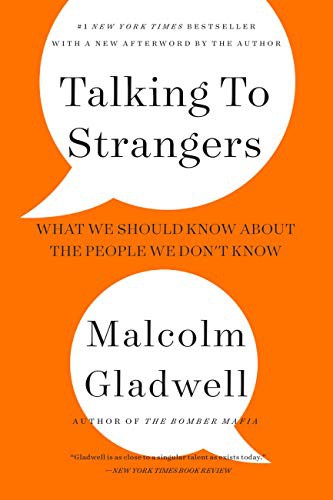
Gladwell asks why we misjudge people we do not know.
Best for: readers who want a darker Gladwell.
5. Peak by Anders Ericsson and Robert Pool
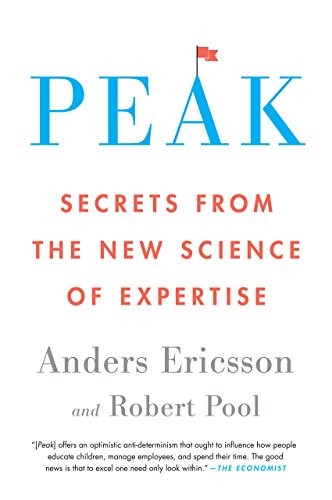
The scientist behind the practice studies explains what really works.
Best for: readers who want the original research.
6. Range by David Epstein
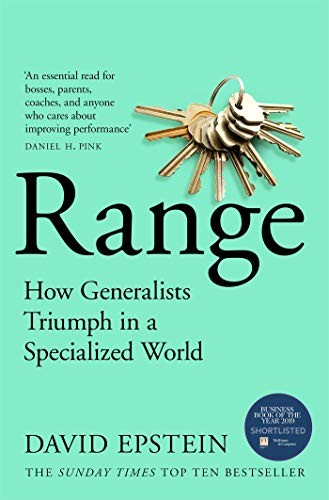
Epstein argues that generalists often outperform early specialists.
Best for: readers who want a counterargument.
7. The Talent Code by Daniel Coyle
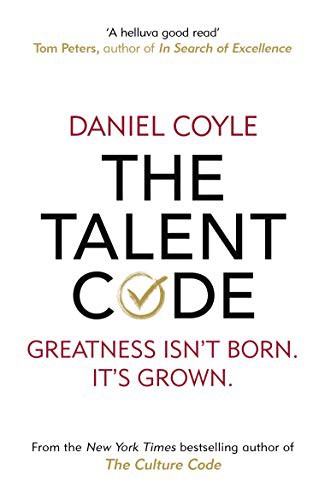
Coyle visits talent hotbeds to see how skills grow.
Best for: readers who like sports and science.
8. Mindset by Carol S. Dweck
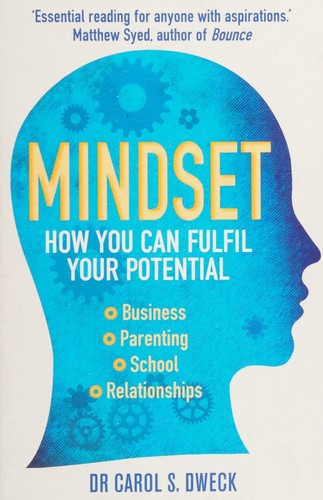
Dweck explains why believing you can grow leads to success.
Best for: readers who want a research classic.
9. Grit by Angela Duckworth
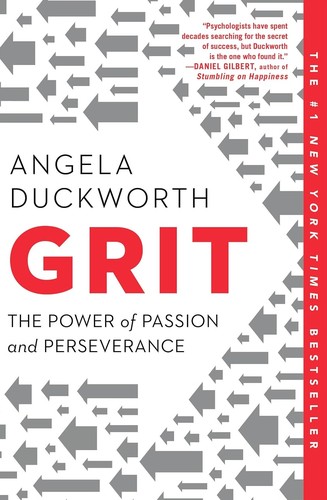
Duckworth argues that passion and persistence matter more than talent.
Best for: readers who like persistence.
10. So Good They Can't Ignore You by Cal Newport
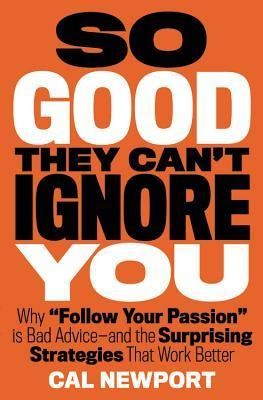
Newport argues that skill matters more than following your passion.
Best for: readers who want career advice.
11. Atomic Habits by James Clear
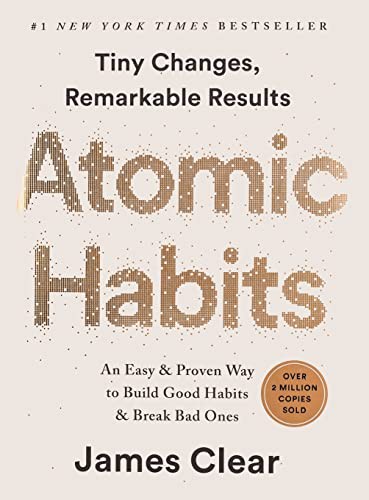
Clear shows how small habits add up to huge results.
Best for: readers who want practical systems.
12. Freakonomics by Steven D. Levitt and Stephen J. Dubner
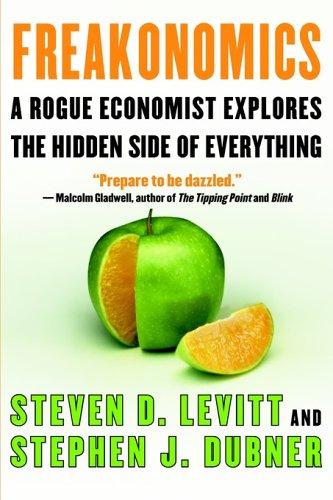
An economist explains the hidden forces behind everyday life.
Best for: readers who like surprising data.
13. Thinking, Fast and Slow by Daniel Kahneman
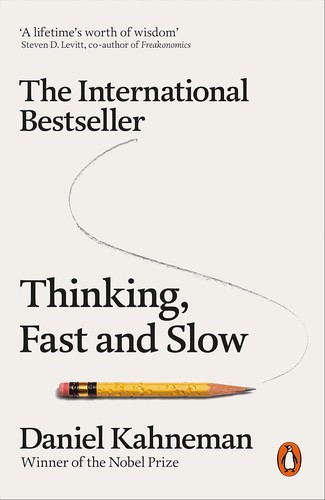
A Nobel-winning psychologist explains how we think.
Best for: readers who want a deeper book.
14. Sapiens by Yuval Noah Harari
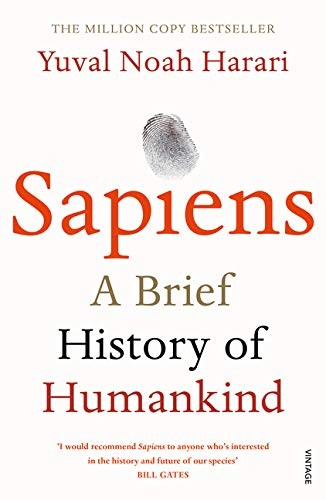
Harari tells the story of how humans came to rule the world.
Best for: readers who like big ideas.
15. The Black Swan by Nassim Nicholas Taleb
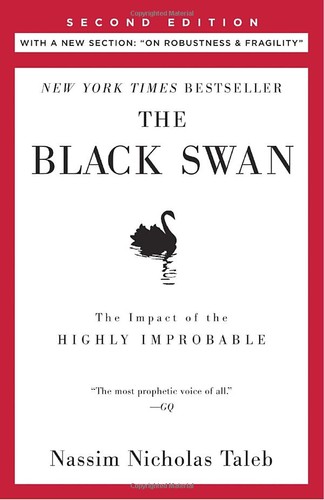
Taleb argues that rare events shape history far more than we admit.
Best for: readers who like risk and chance.
How We Chose These Books
Every pick is a real, widely available book that shares something specific with Outliers: its tone, its themes, its pace or the kind of characters it puts at the center. We mixed well-known favorites with a few less obvious titles, and we noted who each book suits best so you can match it to the reader. Where a book belongs to a series, we list the first volume so you can start at the beginning.
How to Choose
To continue with Gladwell, David and Goliath is the closest match, and The Tipping Point is his other most popular book. If you want to test his ideas, read Peak by Anders Ericsson, who did the research behind the 10,000-hour idea and disagrees with how it is popularly applied. Range offers a smart counterargument to the idea of early specialization. If you want practical advice rather than big ideas, go with Atomic Habits or So Good They Can't Ignore You. For the psychology of success, Mindset and Grit are the two best-known works, and both are approachable for new readers. Thinking, Fast and Slow is a heavier, deeper option.
Related: Outliers by Malcolm Gladwell: Summary and Key Takeaways · 12 Dystopian Books Like the Hunger Games | Best Books to Read Like Hunger Games
Frequently Asked Questions
What is Outliers about?
Gladwell argues that success depends on opportunity, timing and culture as much as individual talent.
What is the 10,000-hour rule?
It is the idea that roughly 10,000 hours of practice are needed to master a difficult skill.
Is the 10,000-hour rule true?
It is debated. Ericsson, whose research inspired it, says the kind of practice matters, and that the number is only an average.
Who are some examples in Outliers?
Bill Gates, the Beatles and Canadian hockey players are the most famous examples.
Is Outliers easy to read?
Yes. It is very approachable and built around short, memorable stories.