

Disclosure: As an Amazon Associate, Bookish Wisdom earns from qualifying purchases. This doesn't change our picks or your price.
Quick answer: If you loved Range, try The Sports Gene, Outliers, Peak, Mindset, Grit and Make It Stick. Each one challenges how we think about talent, practice, learning and success.
David Epstein's 2019 book argues that in many fields generalists, people with broad experience who specialize late, outperform early specialists. Using examples such as Roger Federer, who played many sports before tennis, and scientists who borrow ideas across fields, he shows how range builds creativity and adaptability. Readers love its research and its reassurance for late bloomers. These books share its fresh look at learning and success.
Table of Contents
Quick Picks at a Glance
| Book | Author | Focus | Best For |
|---|---|---|---|
| The Sports Gene | David Epstein | Talent | readers who want more Epstein |
| Outliers | Malcolm Gladwell | Success | readers who want the counterpoint |
| Peak | Anders Ericsson and Robert Pool | Practice | readers who want the expert-practice research |
| Mindset | Carol S. Dweck | Growth | readers who want research on beliefs |
| Grit | Angela Duckworth | Perseverance | readers who like persistence |
| Make It Stick | Peter C. Brown, Henry L. Roediger III and Mark A. McDaniel | Learning | readers who want to learn better |
| Ultralearning | Scott H. Young | Learning | readers who want self-directed learning |
| So Good They Can't Ignore You | Cal Newport | Career | readers who want career advice |
| Originals | Adam Grant | Creativity | readers who like nonconformists |
| Think Again | Adam Grant | Thinking | readers who like changing minds |
| The Talent Code | Daniel Coyle | Skill | readers who like talent hotbeds |
| Late Bloomers | Rich Karlgaard | Careers | readers who started late |
| Where Good Ideas Come From | Steven Johnson | Innovation | readers who like idea history |
| Mastery | Robert Greene | Mastery | readers who like historical figures |
| The Black Swan | Nassim Nicholas Taleb | Uncertainty | readers who like unpredictability |
1. The Sports Gene by David Epstein
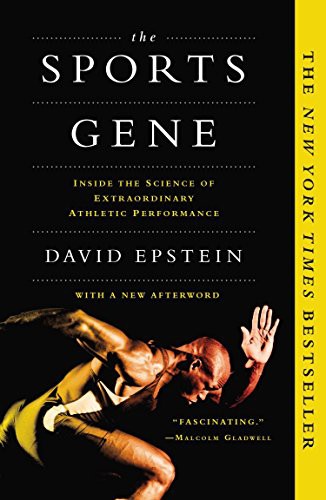
The science of athletic talent.
Best for: readers who want more Epstein.
2. Outliers by Malcolm Gladwell
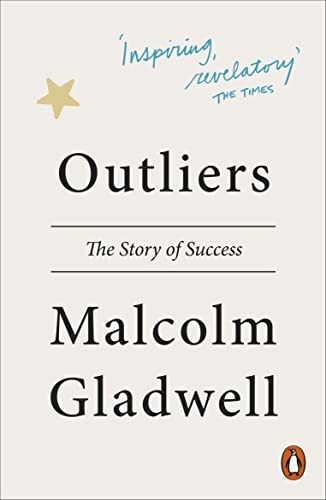
How practice and opportunity drive success.
Best for: readers who want the counterpoint.
3. Peak by Anders Ericsson and Robert Pool
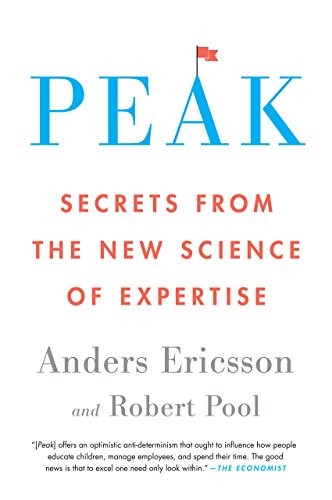
How deliberate practice builds skill.
Best for: readers who want the expert-practice research.
4. Mindset by Carol S. Dweck
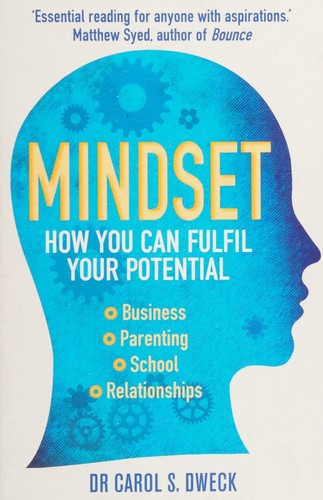
Believing you can grow changes outcomes.
Best for: readers who want research on beliefs.
5. Grit by Angela Duckworth
Passion and persistence matter more than talent.
Best for: readers who like persistence.
6. Make It Stick by Peter C. Brown, Henry L. Roediger III and Mark A. McDaniel
The science of effective learning.
Best for: readers who want to learn better.
7. Ultralearning by Scott H. Young
Strategies to learn hard skills fast.
Best for: readers who want self-directed learning.
8. So Good They Can't Ignore You by Cal Newport
Skill matters more than passion.
Best for: readers who want career advice.
9. Originals by Adam Grant
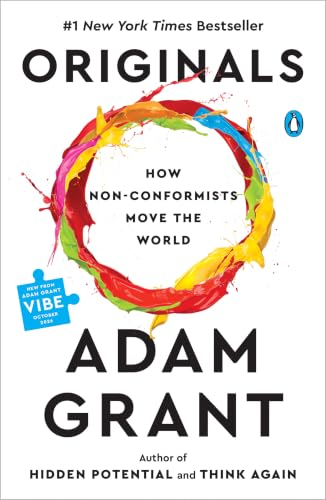
How original thinkers succeed.
Best for: readers who like nonconformists.
10. Think Again by Adam Grant
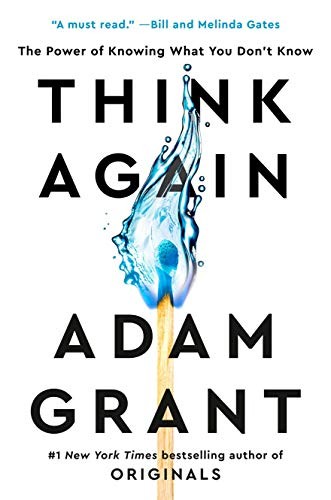
The power of rethinking.
Best for: readers who like changing minds.
11. The Talent Code by Daniel Coyle
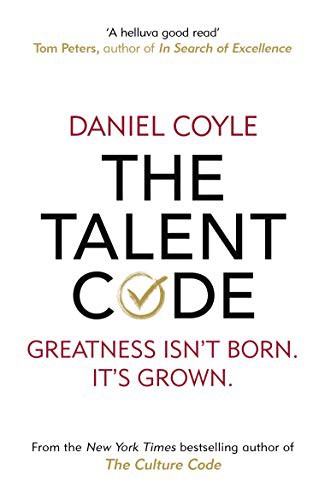
How skill grows.
Best for: readers who like talent hotbeds.
12. Late Bloomers by Rich Karlgaard
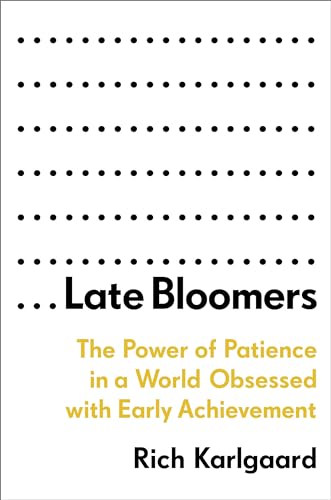
Why late bloomers succeed.
Best for: readers who started late.
13. Where Good Ideas Come From by Steven Johnson
Where innovation comes from.
Best for: readers who like idea history.
14. Mastery by Robert Greene
How great masters developed.
Best for: readers who like historical figures.
15. The Black Swan by Nassim Nicholas Taleb
Rare events shape the world.
Best for: readers who like unpredictability.
How We Chose These Books
Every pick is a real, widely available book that shares something specific with Range: its tone, its themes, its pace or the kind of characters it puts at the center. We mixed well-known favorites with a few less obvious titles, and we noted who each book suits best so you can match it to the reader. Where a book belongs to a series, we list the first volume so you can start at the beginning.
If you are not sure where to begin, start with the first three picks in the table: they are the closest match to Range. The rest of the list moves further out, so it works well once you know which part of the original you liked most. If a pick is part of a longer series, read the first book before you commit, and check the age or content notes in the table before passing a book to a younger reader.
How to Choose
For the opposing view, read Outliers and Peak, then decide for yourself. If you want to learn better, Make It Stick and Ultralearning are practical. Think Again and Originals pair well with Epstein's ideas about flexible thinking. Late starters will find comfort in Late Bloomers.
Related: Range by David Epstein: Summary and Key Takeaways · Outliers by Malcolm Gladwell: Summary and Key Takeaways
Frequently Asked Questions
What is Range about?
Why generalists often outperform early specialists in a complex world.
Does Range disagree with the 10,000-hour rule?
Yes. Epstein argues early specialization works in “kind” fields like chess but not in many others.
What are kind and wicked learning environments?
Kind environments have clear rules and feedback; wicked ones are messy and unpredictable.
Is Range good for parents?
Yes. It encourages letting children sample many activities.
Who is David Epstein?
A science journalist and author of The Sports Gene.
When was Range published?
In 2019.
What should I read next?
Think Again by Adam Grant.
What does Range say about Roger Federer and Tiger Woods?
Woods specialized early, while Federer sampled many sports before tennis, and both became champions.
Is Range useful for career changers?
Yes. It argues that switching paths often builds valuable experience.