

Disclosure: As an Amazon Associate, Bookish Wisdom earns from qualifying purchases. This doesn't change our picks or your price.
Quick answer: If you loved Sun Tzu, read Robert Greene's The 48 Laws of Power, The 33 Strategies of War and Mastery, then Jocko Willink and Leif Babin's Extreme Ownership, then Jim Collins's Good to Great, and Ray Dalio's Principles and Robert Cialdini's Influence. All are classic strategy and leadership.
Sun Tzu's The Art of War is a Chinese strategy classic. These picks cover strategy, leadership and power.
Table of Contents
Quick Picks at a Glance
| Book | Author | Ages | Best For |
|---|---|---|---|
| The 48 Laws of Power | Robert Greene | Adult | Greene's best known |
| The 33 Strategies of War | Robert Greene | Adult | strategy in daily life |
| Mastery | Robert Greene | Adult | path to skill |
| The Laws of Human Nature | Robert Greene | Adult | understanding people |
| Extreme Ownership | Jocko Willink and Leif Babin | Adult | readers who want leadership lessons |
| Good to Great | Jim Collins | Adult | company strategy |
| Principles | Ray Dalio | Adult | life and work rules |
| Influence | Robert Cialdini | Adult | readers who want the science |
| Meditations | Marcus Aurelius | Adult | readers who want the source |
| Never Eat Alone | Keith Ferrazzi | Adult | networkers |
| Start with No | Jim Camp | Adult | readers who like a different view |
| Negotiation Genius | Deepak Malhotra and Max Bazerman | Adult | business readers |
| The Innovator's Dilemma | Clayton Christensen | Adult | disruption |
| Antifragile | Nassim Nicholas Taleb | Adult | growing through stress |
| Thinking, Fast and Slow | Daniel Kahneman | Adult | readers who like psychology |
1. The 48 Laws of Power by Robert Greene
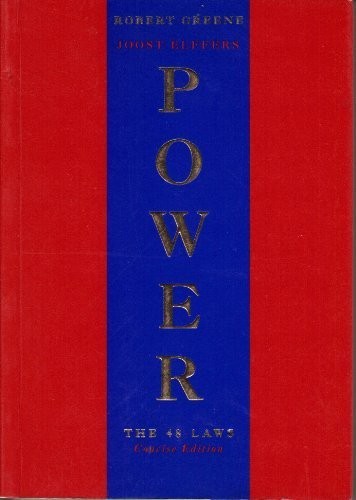
A catalogue of tactics for gaining and defending power. Entertaining and controversial.
Best for: Greene's best known.
2. The 33 Strategies of War by Robert Greene

Greene applies military strategies to modern life. Dense and vivid.
Best for: strategy in daily life.
3. Mastery by Robert Greene
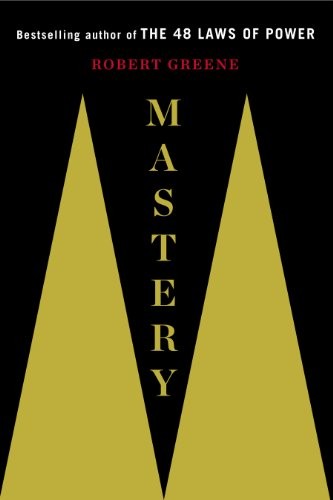
Greene profiles masters and how they learned. Inspiring and thoughtful.
Best for: path to skill.
4. The Laws of Human Nature by Robert Greene
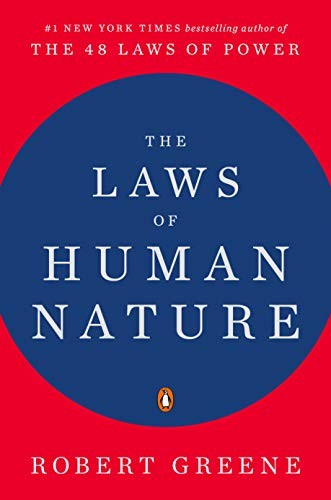
Greene explores the patterns behind human behaviour. A broader and deeper work.
Best for: understanding people.
5. Extreme Ownership by Jocko Willink and Leif Babin
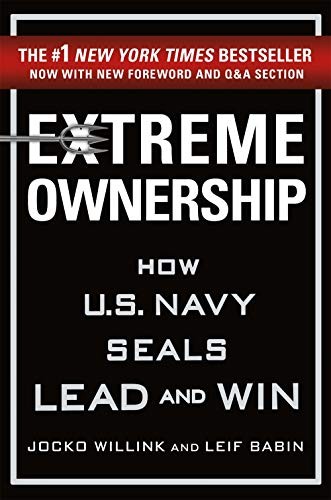
Two Navy SEAL officers teach leadership through taking responsibility. Direct and tough.
Best for: readers who want leadership lessons.
6. Good to Great by Jim Collins
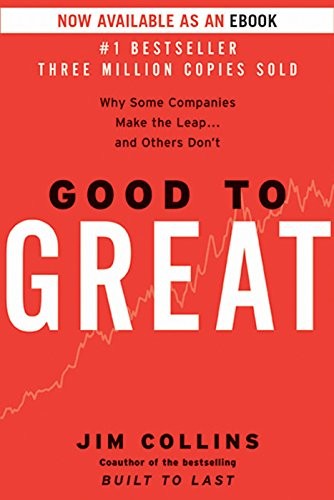
Studies companies that made a leap and identifies what they shared. A business classic.
Best for: company strategy.
7. Principles by Ray Dalio
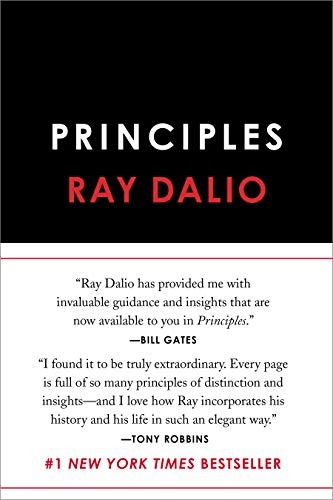
Dalio shares the principles that guided his hedge fund. Long and opinionated.
Best for: life and work rules.
8. Influence by Robert Cialdini
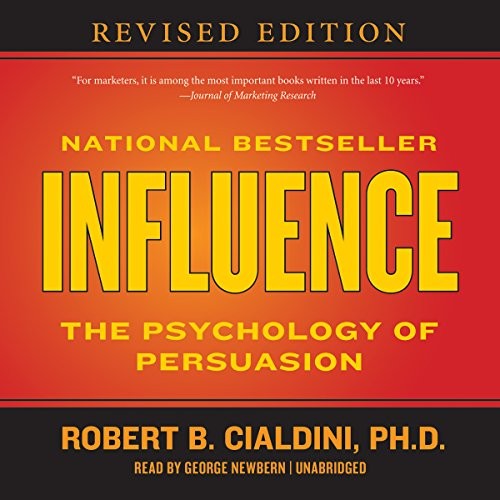
Cialdini explains six principles of persuasion, from reciprocity to social proof. A classic of psychology.
Best for: readers who want the science.
9. Meditations by Marcus Aurelius
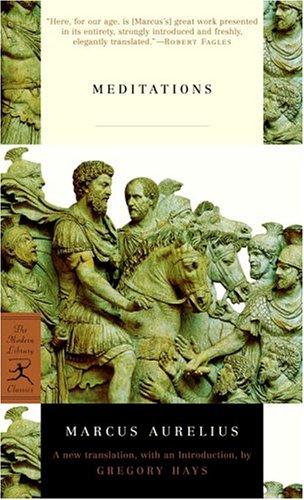
The private notes of a Roman emperor on how to live well. Choose Gregory Hays's modern translation.
Best for: readers who want the source.
10. Never Eat Alone by Keith Ferrazzi
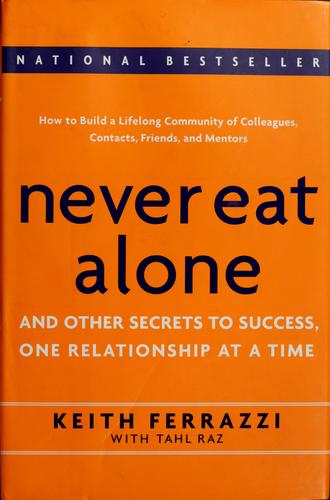
Ferrazzi shows how to build a network by being generous. Energetic and upbeat.
Best for: networkers.
11. Start with No by Jim Camp
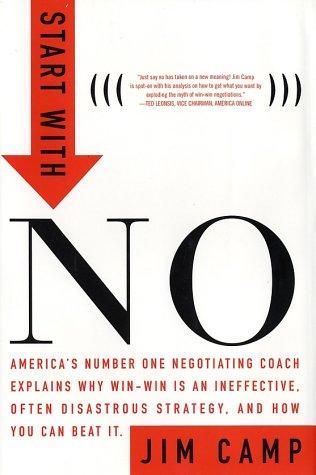
Camp argues that saying “no” gives both sides safety and clarity. Direct and contrarian.
Best for: readers who like a different view.
12. Negotiation Genius by Deepak Malhotra and Max Bazerman
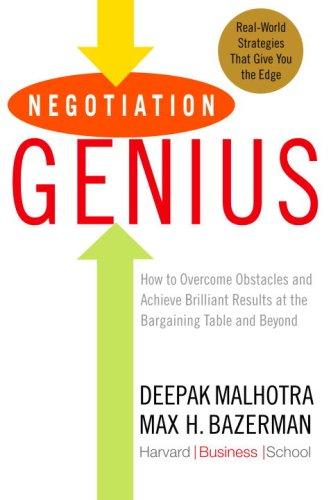
Harvard professors share strategies for preparing and handling tough deals. Research-based and practical.
Best for: business readers.
13. The Innovator's Dilemma by Clayton Christensen
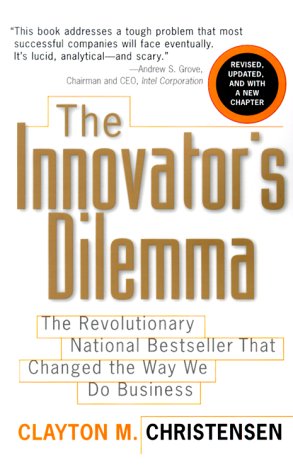
Christensen explains why great companies fail to adapt to new technology. A foundational business book.
Best for: disruption.
14. Antifragile by Nassim Nicholas Taleb

Argues that some things gain from disorder. Opinionated and wide-ranging.
Best for: growing through stress.
15. Thinking, Fast and Slow by Daniel Kahneman
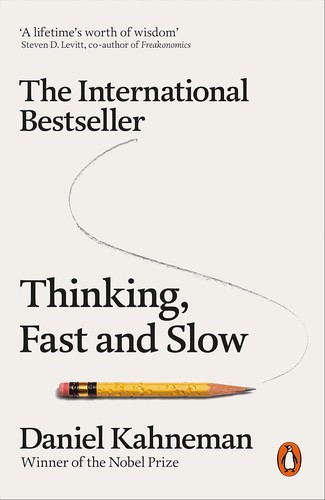
Kahneman explains the two systems of thought and our biases. Long, but illuminating for negotiators.
Best for: readers who like psychology.
How We Chose These Books
Every pick is a real, widely available book that shares something specific with Sun Tzu: its tone, its themes, its pace or the kind of characters it puts at the center. We mixed well-known favorites with a few less obvious titles, and we noted who each book suits best so you can match it to the reader. Where a book belongs to a series, we list the first volume so you can start at the beginning.
If you are not sure where to begin, start with the first three picks in the table: they are the closest match to Sun Tzu. The rest of the list moves further out, so it works well once you know which part of the original you liked most.
How to Choose
For power, read The 48 Laws of Power. For strategy, try The 33 Strategies of War. For leadership, pick Extreme Ownership.
Related: The 48 Laws of Power by Robert Greene: Summary and Key Takeaways · Mastery by Robert Greene: Summary and Key Takeaways
Frequently Asked Questions
Who wrote The Art of War?
Sun Tzu, traditionally.
When was it written?
Around the 5th century BC.
Is it still used?
Yes, in business and strategy.
Which book here is best for readers who like psychology?
Try Thinking, Fast and Slow by Daniel Kahneman, which suits readers looking for readers who like psychology.
Which book here is best for growing through stress?
Try Antifragile by Nassim Nicholas Taleb, which suits readers looking for growing through stress.
Which book here is best for disruption?
Try The Innovator's Dilemma by Clayton Christensen, which suits readers looking for disruption.
Which book here is best for business readers?
Try Negotiation Genius by Deepak Malhotra and Max Bazerman, which suits readers looking for business readers.
Which book here is best for readers who like a different view?
Try Start with No by Jim Camp, which suits readers looking for readers who like a different view.
Which book here is best for networkers?
Try Never Eat Alone by Keith Ferrazzi, which suits readers looking for networkers.
Which book here is best for readers who want the source?
Try Meditations by Marcus Aurelius, which suits readers looking for readers who want the source.