
Disclosure: As an Amazon Associate, Bookish Wisdom earns from qualifying purchases. This doesn’t change our picks or your price.
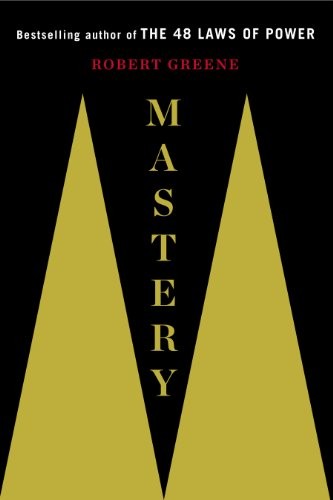
TL;DR: In Mastery, Robert Greene argues that mastery isn’t the result of genius or talent but of a long, deliberate process. It starts with discovering your life’s task, continues through a dedicated apprenticeship and mentorship, and culminates in creative and intuitive expertise. He illustrates each stage with stories of historical and modern masters.
Robert Greene is best known for The 48 Laws of Power, but Mastery, published in 2012, takes a different direction. Instead of strategies for gaining power over others, it focuses on gaining power over a craft. Greene studies figures like Leonardo da Vinci, Charles Darwin, Wolfgang Amadeus Mozart, Albert Einstein and Michael Faraday, along with contemporary experts such as animal scientist Temple Grandin. Here’s a complete summary of the book’s six stages and key lessons.
Table of Contents
Mastery at a Glance
| Detail | Info |
|---|---|
| Author | Robert Greene |
| Published | 2012 |
| Genre | Self-help / careers / biography |
| Structure | Six chapters following the path from calling to mastery |
| Best for | Students, young professionals, career changers and creators |
What Is Mastery About?
Greene believes everyone has the potential to achieve mastery in a field that matches their natural inclinations. The problem is that many people ignore their inner calling, chase money or status, and give up during the long, tedious early years. By studying how masters developed, he outlines a path anyone can follow.
Key Ideas, Chapter by Chapter
1. Discover Your Calling: The Life’s Task
Look back at what fascinated you as a child and what you’re naturally drawn to. Your life’s task is the work that fits your unique interests and abilities. Greene encourages finding a niche where you can stand out rather than following the crowd.
2. Submit to Reality: The Ideal Apprenticeship
After you find your path, you enter an apprenticeship phase that typically lasts years. The goal is learning, not money or status. Greene recommends deep observation, acquiring skills through practice and experimenting. He tells the story of Michael Faraday, who worked his way up from bookbinder’s apprentice to one of history’s greatest scientists.
3. Absorb the Master’s Power: The Mentor Dynamic
Find a mentor whose knowledge you can absorb, then eventually move beyond them. Greene notes that the relationship is intense and should end at the right time, so you can develop your own style.
4. See People as They Are: Social Intelligence
Many talented people fail because they misread others or ignore office politics. Greene encourages seeing people realistically, controlling your emotions and understanding human nature so social mistakes don’t derail your progress.
5. Awaken the Dimensional Mind: The Creative-Active
With a strong foundation of skills, you can begin experimenting and innovating. Greene emphasizes curiosity, openness, combining ideas from different fields and resisting the urge to settle into comfortable habits.
6. Fuse the Intuitive With the Rational: Mastery
After years of deep immersion, masters develop a powerful intuition. They can see patterns and solutions instantly, as if by feel. This is the result of thousands of hours of practice, not magic.
5 Key Takeaways From Mastery
- Follow your inclinations. Your natural interests point toward your life’s task.
- Value learning over earning early on. A good apprenticeship pays off for decades.
- Find great mentors. Learn from them, then forge your own path.
- Develop social intelligence. Skills alone aren’t enough; understand people too.
- Mastery takes time. Intuitive expertise comes after years of deep practice.
Ideas Worth Remembering
- The time it takes to master something is often the very thing that discourages most people, and the reason masters stand out. (paraphrased)
- Your childhood fascinations often hold clues to your life’s work. (paraphrased)
- Intuition is the product of long experience, not a mysterious gift. (paraphrased)
Who Should Read Mastery?
It’s ideal for students choosing a career, young professionals in their first jobs, career changers and anyone wanting to excel at a craft. Its long biographical stories make it a slower read than many self-help books, but they’re a major part of its appeal.
What to Read Next
- So Good They Can’t Ignore You by Cal Newport on building rare and valuable skills.
- Peak by Anders Ericsson and Robert Pool on deliberate practice.
- Range by David Epstein for a counterpoint on breadth versus depth.
Related: Range summary and Drive summary.
Frequently Asked Questions
What is the main idea of Mastery by Robert Greene?
The main idea is that mastery comes from a long process of finding your life’s task, completing a dedicated apprenticeship, learning from mentors and eventually developing creative, intuitive expertise.
What are the stages of mastery according to Robert Greene?
Greene describes three broad phases: apprenticeship, the creative-active stage and mastery, explored through six chapters from discovering your calling to fusing intuition with rational thought.
Is Mastery better than The 48 Laws of Power?
They serve different purposes. The 48 Laws of Power focuses on social strategy, while Mastery focuses on developing deep skill in a field. Many readers find Mastery more practical for career growth.