
Disclosure: As an Amazon Associate, Bookish Wisdom earns from qualifying purchases. This doesn’t change our picks or your price.
TL;DR: The 48 Laws of Power by Robert Greene distills lessons from history, literature and strategists such as Machiavelli and Sun Tzu into 48 laws about gaining and keeping power. It is cynical, vivid and controversial, and is best read as a study of how power works, not as a moral guide.
The 48 Laws of Power was published in 1998 and has become a cult favorite, popular with entrepreneurs, athletes and artists. Robert Greene, a former editor and screenwriter, spent years collecting stories of courtiers, generals and con artists, and organized their lessons into laws. Each law has a title, a transgression, an observance, a reversal and a set of historical examples. The book can be dark, and some readers see it as a handbook for manipulation, while others use it to recognize and defend against such tactics. Here’s a summary of the main ideas and some of the best-known laws.
Table of Contents
The 48 Laws of Power at a Glance
| Detail | Info |
|---|---|
| Author | Robert Greene |
| Published | 1998 |
| Genre | Strategy, psychology, history |
| Core idea | Power is a game with observable rules |
| Structure | 48 laws, each with stories and commentary |
| Best for | Readers interested in strategy, politics and human behavior |
What Is The 48 Laws of Power About?
Greene’s premise is that power is an unavoidable part of human relationships, and that pretending otherwise leaves you vulnerable. He argues that the powerful throughout history, from Renaissance courts to modern businesses, have followed patterns that can be learned. By studying them, he suggests, readers can see how power works and decide how to act.
Each law follows a pattern: the law itself, a judgment explaining it, a transgression story showing someone who ignored it, an observance story showing someone who followed it and an interpretation. Many laws also include a reversal, a situation in which the opposite is wise. The structure makes the book easy to dip into.
Key Ideas, Part by Part
Laws About Appearance and Reputation
Several laws focus on how others see you. Law 1, never outshine the master, advises making superiors feel more brilliant than they are. Law 3, conceal your intentions, recommends keeping others guessing. Law 4, always say less than necessary, argues that the more you say, the more likely you are to say something foolish. Law 5 says that so much depends on reputation, so guard it with your life.
Law 6, court attention at all cost, and Law 25, re-create yourself, urge readers to craft a memorable persona. Law 30, make your accomplishments seem effortless, and Law 46, never appear too perfect, balance the desire to impress with the need to avoid envy.
Laws About People and Relationships
Other laws deal with allies and rivals. Law 2 advises not to put too much trust in friends and to learn to use enemies. Law 12 suggests using selective honesty and generosity to disarm your victim. Law 13 says that when asking for help, appeal to self-interest and not to mercy or gratitude. Law 14 advises posing as a friend while working as a spy, and Law 19 reminds readers to know who they’re dealing with and not to offend the wrong person.
Law 10, avoid the unhappy and unlucky, argues that emotions are contagious. Law 9, win through your actions, never through argument, suggests that demonstration persuades more than debate. Many readers find these laws a mirror of the office dynamics they’ve seen.
Laws About Strategy and Timing
Strategy-focused laws include Law 15, crush your enemy totally, which Greene illustrates with examples of leaders who left rivals alive and paid for it. Law 23, concentrate your forces, encourages focus. Law 28, enter action with boldness, and Law 29, plan all the way to the end, balance daring with foresight. Law 35, master the art of timing, urges patience, and Law 47, do not go past the mark you aimed for, warns against overreaching.
Law 48, assume formlessness, concludes the book by advising flexibility: by not holding a fixed form, you can’t be attacked. This idea connects to Greene’s later work on adaptability and mastery.
Laws About Influence and Perception
Some laws deal with shaping beliefs. Law 27, play on people’s need to believe to create a cultlike following, and Law 32, play to people’s fantasies, describe how leaders and brands attract devotion. Law 37, create compelling spectacles, notes the power of symbols and drama. Law 38, think as you like but behave like others, advises discretion about unconventional ideas.
Greene also discusses the dark side of power games, such as Law 33, discover each man’s thumbscrew, which counsels learning people’s weaknesses. Many readers find this troubling, and Greene notes that the same knowledge can be used for defense.
7 Key Takeaways From The 48 Laws of Power
- Power is a social game. Understanding its dynamics helps you protect yourself.
- Reputation is currency. Guard and shape how others see you.
- Say less. Restraint in speech conveys strength.
- Control your emotions. Anger and impatience hand advantage to others.
- Think ahead. Plan to the end and anticipate consequences.
- Be adaptable. Flexibility beats rigid strategy.
- Know the moral cost. Consider how you want to treat others.
Ideas Worth Remembering
- Power is neutral and can be used for good or ill, depending on who holds it. (paraphrased)
- The more you say, the more ordinary you may seem and the less control you have. (paraphrased)
- The most convincing deceptions often look like honesty. (paraphrased)
- People who try to hide everything are often betrayed by small signals. (paraphrased)
How to Apply The 48 Laws of Power in Real Life
- Observe before reacting. Watch how people gain influence in your workplace before drawing conclusions.
- Choose your words. Practice saying less and listening more in meetings.
- Build a reputation for reliability. Do what you say, and become known for it.
- Notice manipulation. Use the laws as a checklist to spot when someone is trying to use a tactic on you.
- Decide your ethics. Write down which laws you’d never follow and why.
Criticisms and Limits
Critics say that the book promotes manipulation and a zero-sum view of human relations. They note that its historical examples are selectively chosen and that it ignores cooperative and trust-based forms of power. Some also point out that following many of the laws could damage careers and relationships, especially in modern workplaces that value collaboration.
Greene replies that the book is descriptive, not prescriptive, and that understanding power is the first step toward using it wisely. Whether or not you agree, the book is a useful provocation and a window into how many people think about strategy and influence.
The Reversals and Moral Tension
A distinctive feature is that many laws come with a reversal, a note describing when the opposite approach is wiser. For example, the law about concealing intentions is balanced by occasions when openness is more powerful. This shows that Greene is describing tendencies, not absolute rules. Many readers notice a tension between the book’s cynicism and their own values, and that tension is part of the experience. Considering which laws you would adopt and which you’d reject is a useful exercise in clarifying your ethics.
About Robert Greene
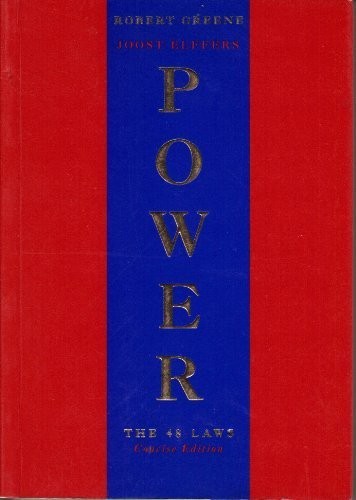
Robert Greene was born in Los Angeles in 1959 and studied classical studies at the University of California, Berkeley. He worked in many jobs, including as a writer for magazines and film, before turning to books. The 48 Laws of Power, written with producer Joost Elffers, was followed by The Art of Seduction, The 33 Strategies of War, Mastery, The Laws of Human Nature and The Daily Laws. Greene says he wrote the book to understand how power works rather than to endorse ruthless behavior, and later books take a more reflective approach.
How Public Figures Have Used the Book
The 48 Laws has been cited by musicians, athletes and businesspeople, including figures in hip-hop who have praised its candor. It has also been criticized for encouraging manipulation. Readers who work in politics, sales or entertainment often say it helped them understand dynamics they had seen. As with any book of strategy, outcomes depend on how it is used, and readers should consider the effect of their actions on others and on their own character.
Pairing the Book With Ethical Counterweights
To balance the cynical view of power, pair Greene with books that stress trust and cooperation, such as How to Win Friends and Influence People, Give and Take and Dare to Lead. They show that long-term influence often comes from generosity and integrity. Reading both gives a fuller picture and helps you decide what kind of leader you want to be. Many people find that the best use of Greene is as a field guide to spot manipulation, not a toolkit to use.
Discussion Questions for The 48 Laws of Power
Because the book is provocative, it makes for lively discussion. Which laws seem true in your experience, and which seem harmful? Is it possible to use these ideas ethically? Where have you seen someone apply or violate a law at work or in politics? Does the book make you more cynical or more aware? What would a healthy form of power look like? Hearing different views often shows how people draw their own boundaries about influence and honesty.
Who Should Read The 48 Laws of Power?
Read it if you’re curious about history, politics and strategy, if you work in competitive fields or if you want to recognize manipulation. It’s best for readers who can take a critical view and who enjoy short, vivid stories. If you prefer a more positive approach, begin with How to Win Friends and Influence People or The Laws of Human Nature.
What to Read Next
- The Laws of Human Nature by Robert Greene a deeper, more reflective study of behavior
- Mastery by Robert Greene a guide to developing expertise
- Influence by Robert B. Cialdini research on the psychology of persuasion
Related: books like The 48 Laws of Power and Mastery summary and key takeaways.
Frequently Asked Questions
What is the main idea of The 48 Laws of Power?
That power follows patterns found throughout history, and that understanding them helps you navigate and defend against power games.
Is The 48 Laws of Power evil?
It describes manipulative tactics, but Greene presents it as an analysis. Many readers use it to recognize and avoid manipulation.
Which law is the most famous?
Law 1, never outshine the master, and Law 3, conceal your intentions, are often cited.
Is The 48 Laws of Power a good book?
It’s entertaining and thought-provoking, but cynical. Read it critically.
What should I read after The 48 Laws of Power?
Try The Laws of Human Nature or Mastery by Robert Greene.