

Disclosure: As an Amazon Associate, Bookish Wisdom earns from qualifying purchases. This doesn’t change our picks or your price.
Quick answer: If you loved The 48 Laws of Power by Robert Greene, try The Laws of Human Nature by Robert Greene, Mastery by Robert Greene, The 33 Strategies of War by Robert Greene, The Prince by Niccolò Machiavelli, Influence by Robert B. Cialdini and Never Split the Difference by Chris Voss.
The 48 Laws of Power is a guide to gaining and keeping power, built from historical examples and the writings of strategists such as Machiavelli and Sun Tzu. Robert Greene gives each law, such as never outshine the master or conceal your intentions, a short explanation with stories and reversals. The book has been a cult favorite for decades among entrepreneurs, athletes and artists, and it remains controversial for its cynical view of human behavior. The picks below share its focus on strategy, psychology and influence, whether more ethical or equally ruthless. They are adult nonfiction.
Table of Contents
Why Readers Love The 48 Laws of Power
Readers love The 48 Laws of Power because it’s readable and dramatic. Each law is a short chapter with a story, whether about a Renaissance court, a con artist or a general, and a clear transgression and observance. The structure makes it easy to dip in and out, and the marginal notes and quotations add flavor. Many readers say it helped them understand office politics, even if they don’t follow its advice. Critics note that it can encourage manipulation, so a thoughtful reader treats it as a study of power rather than a how-to manual.
How We Chose These Books
Every pick below shares at least one thing readers loved about The 48 Laws of Power: its characters, its mood, its setting or the questions it raises. We mixed well-known favorites with a few less obvious choices, and we noted the genre and who each book suits best in the table, so you can scan for the right fit before you read the blurbs.
We kept every description spoiler-free and flagged mature content where it matters, since some of these books are written for adults and others suit teens. If you’re not sure where to start, the tips near the end of this list match each pick to what you loved most. The FAQ at the bottom answers the questions readers ask most often.
Quick Picks at a Glance
| Book | Author | Type | Best For |
|---|---|---|---|
| The Laws of Human Nature | Robert Greene | Psychology | More Robert Greene |
| Mastery | Robert Greene | Self-improvement | Becoming an expert |
| The Art of Seduction | Robert Greene | Psychology | Charm and persuasion |
| The 33 Strategies of War | Robert Greene | Strategy | Strategy for daily life |
| The Prince | Niccolò Machiavelli | Classic | The original power manual |
| The Art of War | Sun Tzu | Classic | Strategy in short form |
| Influence | Robert B. Cialdini | Psychology | The science of persuasion |
| Pre-Suasion | Robert B. Cialdini | Psychology | Setting up influence |
| Never Split the Difference | Chris Voss | Negotiation | Real-world negotiation |
| Getting to Yes | Roger Fisher and William Ury | Negotiation | Win-win negotiation |
| The Book of Five Rings | Miyamoto Musashi | Classic | A samurai’s philosophy |
| How to Win Friends and Influence People | Dale Carnegie | Self-help | Ethical influence |
| Games People Play | Eric Berne | Psychology | Social patterns |
| Thinking, Fast and Slow | Daniel Kahneman | Psychology | How the mind works |
| The Gift of Fear | Gavin de Becker | Self-protection | Trusting intuition |
1. The Laws of Human Nature by Robert Greene
Greene’s later book explores eighteen aspects of human behavior, such as envy, grandiosity and the dark side of ourselves. It’s more compassionate than the 48 Laws and aims to help readers understand people.
2. Mastery by Robert Greene
Using the lives of figures such as Mozart, Darwin and Temple Grandin, Greene explains how apprenticeships and persistence lead to mastery. It’s inspiring and practical.
3. The Art of Seduction by Robert Greene
A study of the types of seducers and the tactics of attraction, using historical and literary examples. It’s about influence in many forms.
4. The 33 Strategies of War by Robert Greene

Greene applies military strategy to everyday conflicts, from office politics to personal rivalries, with stories from history. It’s detailed and well organized.
5. The Prince by Niccolò Machiavelli

Machiavelli’s 1513 advice to rulers is short and frank, and it shaped modern ideas about politics. It’s the foundation for much of Greene’s thinking.
6. The Art of War by Sun Tzu

An ancient Chinese text on military strategy, valued today for its principles on preparation and avoiding conflict. It’s brief and endlessly quotable.
7. Influence by Robert B. Cialdini
Cialdini explains six principles of persuasion based on research, such as reciprocity and social proof. It’s more empirical and ethical than Greene.
8. Pre-Suasion by Robert B. Cialdini
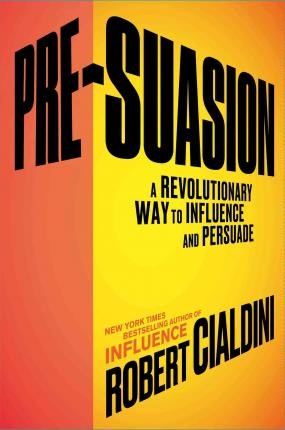
Cialdini’s follow-up looks at what happens before a message is delivered and how attention shapes decisions. It’s full of stories and practical tips.
9. Never Split the Difference by Chris Voss
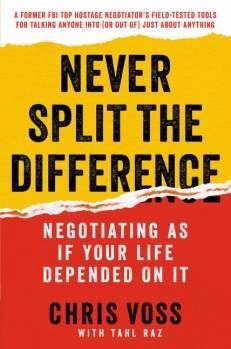
A former FBI hostage negotiator shares techniques like mirroring and calibrated questions. It’s fast, practical and entertaining.
10. Getting to Yes by Roger Fisher and William Ury
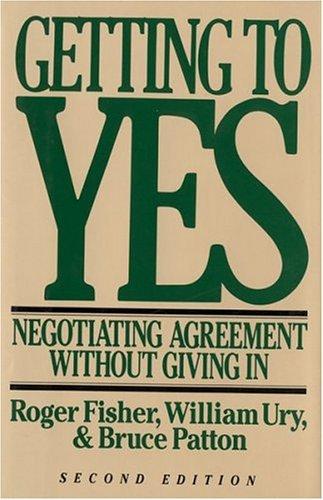
A Harvard Negotiation Project classic about reaching agreements without giving in or being aggressive. It’s concise and widely used.
11. The Book of Five Rings by Miyamoto Musashi
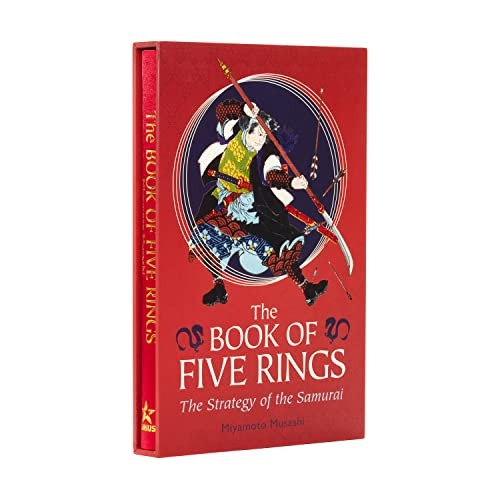
A 17th-century swordsman’s reflection on strategy and discipline. It’s short and still read in business schools.
12. How to Win Friends and Influence People by Dale Carnegie
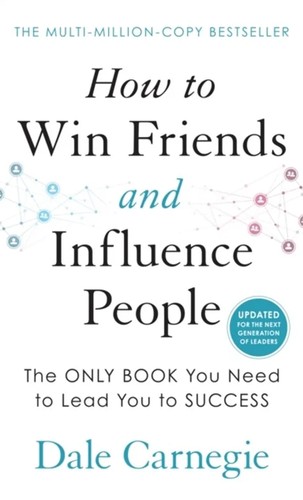
Carnegie’s 1936 classic teaches how to build relationships through listening and genuine interest. It’s the warmer counterpart to Greene.
13. Games People Play by Eric Berne

Berne analyzes the hidden transactions and scripts people use in relationships, with witty names for each game. It’s a classic of popular psychology.
14. Thinking, Fast and Slow by Daniel Kahneman
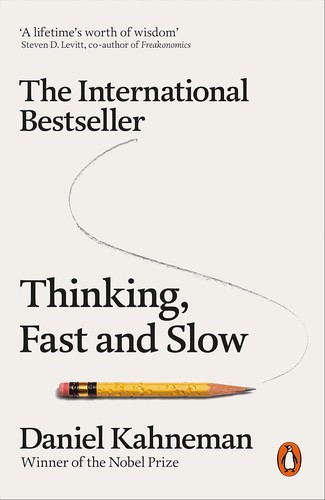
Kahneman explains the two systems of thinking and how biases shape decisions. It’s a landmark of behavioral science.
15. The Gift of Fear by Gavin de Becker

A security expert explains how to recognize danger signals in daily life. It’s gripping and practical.
How to Pick Your Next Read After The 48 Laws of Power
- Want more Greene? The Laws of Human Nature and Mastery.
- Want strategy classics? The Prince and The Art of War.
- Want research on persuasion? Influence and Pre-Suasion.
- Want negotiation? Never Split the Difference and Getting to Yes.
- Want a kinder approach? How to Win Friends and Influence People.
- Read critically. Treat the laws as observations, not instructions.
How to Read 48 Laws Wisely
Greene presents each law as a description of how power works, not necessarily as advice to follow. Many readers use it defensively, to recognize when someone is using a tactic on them. It’s also useful to pair it with books that stress cooperation and ethics, such as Dale Carnegie’s How to Win Friends and Influence People, Adam Grant’s Give and Take or Chris Voss’s Never Split the Difference. Reading both sides gives a fuller picture of how influence works, and helps you decide how you want to behave.
The Robert Greene Reading Order
Greene’s books are a series of studies of human behavior: The 48 Laws of Power (1998), The Art of Seduction (2001), The 33 Strategies of War (2006), Mastery (2012) and The Laws of Human Nature (2018). Many fans consider Mastery and The Laws of Human Nature the most mature and useful, because they’re more focused on self-development and empathy. If you’ve only read the 48 Laws, you might enjoy seeing how his thinking deepens across the later books. Each stands alone, and you can choose by topic.
Classic Texts on Strategy
Several of the books on this list are ancient or Renaissance classics that inspired Greene. The Prince by Machiavelli, written in 1513, is a short guide to ruling. The Art of War by Sun Tzu, from around 500 BCE, is a manual of strategy. The Book of Five Rings by Miyamoto Musashi is a samurai’s reflection on combat. They’re short, and modern editions include helpful introductions. Reading them helps you see where Greene’s ideas come from, and shows how little human nature has changed.
Ethics and Influence
Books about power raise a natural question: how should you use what you learn? Many people prefer to focus on influence that benefits everyone, such as listening, building trust and negotiating fairly. Robert Cialdini’s Influence describes six principles of persuasion, which can be used honestly or dishonestly. Chris Voss’s Never Split the Difference shows how empathy helps in negotiation. Whichever books you choose, ask yourself whether the tactics would still work if the other person knew what you were doing. That simple test often separates ethical influence from manipulation.
Spotting the Laws in Everyday Life
Many readers find that the 48 Laws make them notice patterns at work: someone taking credit for a colleague’s idea, a manager who plays favorites or a friend who always needs to win. Seeing these patterns doesn’t mean you must copy them. It can help you protect yourself, choose allies carefully and stay calm in conflicts. A useful exercise is to pick one law each week and watch for it in the news, at work or in a favorite film. You may be surprised how often the same strategies appear, and how often they backfire.
Books That Offer a Different View of Power
If the cynicism of Greene’s book bothers you, balance it with writers who describe power built on trust. Dale Carnegie’s How to Win Friends and Influence People, Adam Grant’s Give and Take and Brené Brown’s Dare to Lead all argue that generosity and honesty can be strategic. Robert Cialdini’s Influence shows that reciprocity and liking are real forces, and they work best when people feel respected. Reading both sides will give you a more complete picture, and may help you decide what kind of leader, colleague or friend you want to be.
Related: Mastery summary and key takeaways and The Laws of Human Nature summary and key takeaways.
Frequently Asked Questions
What book is most like The 48 Laws of Power?
The 33 Strategies of War and The Laws of Human Nature, both by Robert Greene, are closest. The Prince is its ancestor.
Is The 48 Laws of Power ethical?
It describes how power works and can be used for good or ill. Many readers use it to recognize manipulation, not to practice it.
Which Robert Greene book should I read first?
Many people start with The 48 Laws of Power or Mastery. The Laws of Human Nature is the most reflective.
Is The 48 Laws of Power appropriate for teens?
It has mature themes and examples, so it’s best for older teens and adults.
What are good books about negotiation?
Never Split the Difference and Getting to Yes are the best-known.