

Disclosure: As an Amazon Associate, Bookish Wisdom earns from qualifying purchases. This doesn't change our picks or your price.
Quick answer: If you read The 4-Hour Workweek, read Tim Ferriss's Tools of Titans and Tribe of Mentors, then Rework, Remote, The $100 Startup and Vagabonding. All are practical books on designing a flexible life, building small businesses and escaping the 9 to 5.
Tim Ferriss's 2007 book argues for building a lifestyle around freedom rather than waiting for retirement, with tips on outsourcing, automation and mini-retirements. It is energetic, controversial and highly influential. The books below offer related ideas about independent work, simple living and creative businesses.
Table of Contents
Quick Picks at a Glance
| Book | Author | Ages | Best For |
|---|---|---|---|
| Tools of Titans | Tim Ferriss | Adult | more Ferriss |
| Tribe of Mentors | Tim Ferriss | Adult | short advice |
| Rework | Jason Fried and David Heinemeier Hansson | Adult | simple business |
| Remote | Jason Fried and David Heinemeier Hansson | Adult | working from anywhere |
| The $100 Startup | Chris Guillebeau | Adult | small business |
| Vagabonding | Rolf Potts | Adult | long-term travel |
| Deep Work | Cal Newport | Adult | focus |
| Essentialism | Greg McKeown | Adult | doing less, better |
| Atomic Habits | James Clear | Adult | small daily changes |
| Zero to One | Peter Thiel and Blake Masters | Adult | startup thinking |
| The Lean Startup | Eric Ries | Adult | testing ideas |
| Digital Minimalism | Cal Newport | Adult | less screen time |
| Four Thousand Weeks | Oliver Burkeman | Adult | time and limits |
| The Millionaire Fastlane | MJ DeMarco | Adult | entrepreneurship |
| Rich Dad Poor Dad | Robert T. Kiyosaki | Adult | money mindset |
1. Tools of Titans by Tim Ferriss
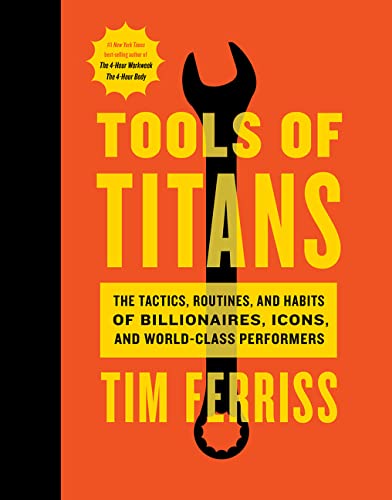
A collection of tactics from interviews with high performers. Huge and dippable.
Best for: more Ferriss.
2. Tribe of Mentors by Tim Ferriss
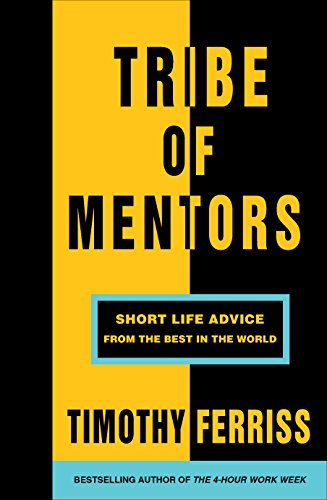
Short answers from hundreds of successful people. Easy to read in pieces.
Best for: short advice.
3. Rework by Jason Fried and David Heinemeier Hansson
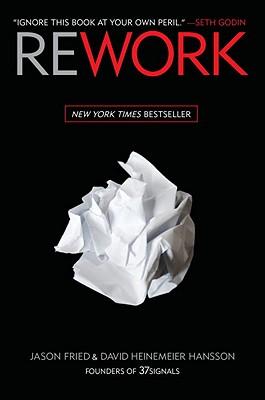
The authors argue for a lean, calm approach to business. Short and punchy.
Best for: simple business.
4. Remote by Jason Fried and David Heinemeier Hansson
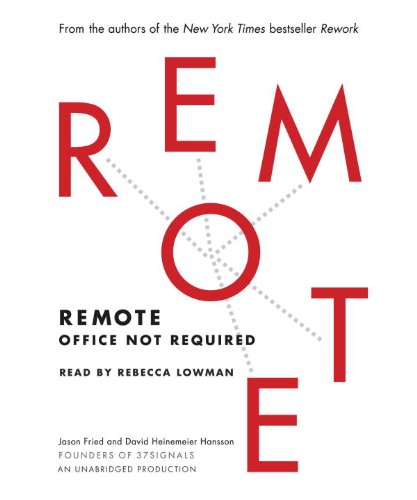
A guide to remote work for teams and individuals. Practical and positive.
Best for: working from anywhere.
5. The $100 Startup by Chris Guillebeau
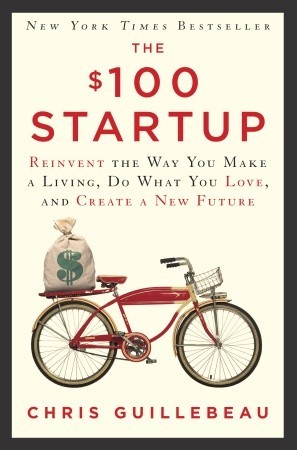
Guillebeau profiles people who built businesses with little money. Inspiring and practical.
Best for: small business.
6. Vagabonding by Rolf Potts
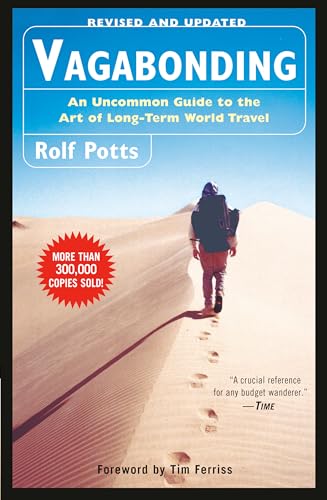
A guide to taking time off to travel the world. Thoughtful and inspiring.
Best for: long-term travel.
7. Deep Work by Cal Newport
Newport argues that deep focus is rare and valuable. Practical and convincing.
Best for: focus.
8. Essentialism by Greg McKeown
McKeown makes the case for pursuing only what matters most. Clear and calming.
Best for: doing less, better.
9. Atomic Habits by James Clear
Clear shows how tiny habits add up to big results. Practical and widely loved.
Best for: small daily changes.
10. Zero to One by Peter Thiel and Blake Masters
Thiel shares ideas on building companies that create something new. Short and provocative.
Best for: startup thinking.
11. The Lean Startup by Eric Ries
Ries explains how to launch and learn quickly. Clear and widely used.
Best for: testing ideas.
12. Digital Minimalism by Cal Newport
Newport offers a philosophy for living well with technology. Practical and thoughtful.
Best for: less screen time.
13. Four Thousand Weeks by Oliver Burkeman
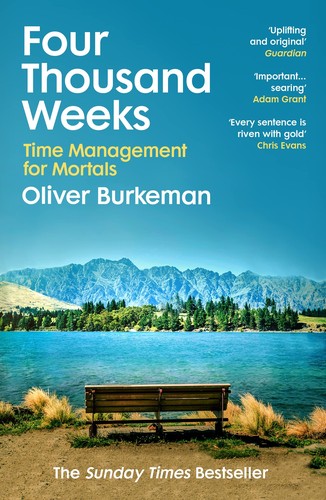
Burkeman argues that we can never do everything, so we must choose. Wise and gentle.
Best for: time and limits.
14. The Millionaire Fastlane by MJ DeMarco
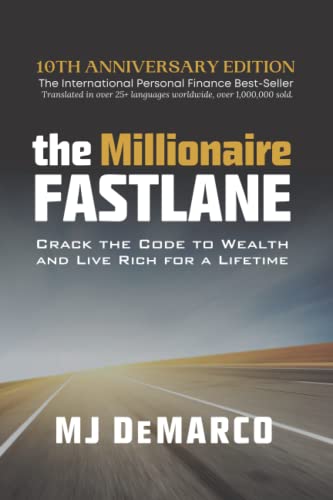
DeMarco argues for building a business instead of working for a paycheque. Blunt and motivating.
Best for: entrepreneurship.
15. Rich Dad Poor Dad by Robert T. Kiyosaki
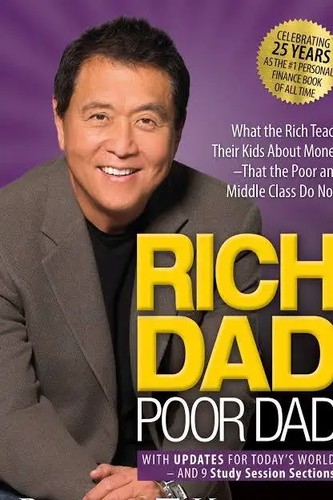
Kiyosaki contrasts two approaches to money. Popular and debated.
Best for: money mindset.
How We Chose These Books
Every pick is a real, widely available book that shares something specific with The 4-Hour Workweek: its tone, its themes, its pace or the kind of characters it puts at the center. We mixed well-known favorites with a few less obvious titles, and we noted who each book suits best so you can match it to the reader. Where a book belongs to a series, we list the first volume so you can start at the beginning.
How to Choose
For more Ferriss choose Tools of Titans or Tribe of Mentors. For lean business pick Rework, Remote or The $100 Startup. For lifestyle design read Vagabonding. For focus and time try Deep Work, Essentialism or Four Thousand Weeks. For startups read Zero to One or The Lean Startup. Ferriss's ideas can be extreme, so test one at a time and keep what works. The 4-Hour Workweek has been revised and expanded, and the 2009 expanded edition includes extra case studies. Critics note that some tactics are outdated, and readers should treat it as a source of ideas rather than a strict plan. Ferriss's book is best used as a menu. Read the chapters that apply to you, try one experiment, and track results. If you want a gentler approach, Essentialism and Four Thousand Weeks emphasise priorities over hacks. If you want a business model, Rework and Remote are short and friendly.
Related: The 4-Hour Workweek by Timothy Ferriss: Summary and Key Takeaways · 12 Dystopian Books Like the Hunger Games | Best Books to Read Like Hunger Games
Frequently Asked Questions
What is The 4-Hour Workweek about?
A guide to escaping the 9 to 5 and designing a flexible lifestyle.
Who wrote it?
Tim Ferriss.
When was it published?
2007, with an expanded edition in 2009.
Is it realistic?
Some ideas are practical, others are extreme, so take what suits you.
What does DEAL stand for?
Definition, Elimination, Automation, Liberation.
Is it only for entrepreneurs?
No, but many tactics suit freelancers and business owners best.
Is it a long book?
About 400 pages.
What should I read next?
Try Rework or Tools of Titans.
Does the book still apply today?
Many principles do, though some tools have changed.
Is Tim Ferriss a controversial author?
Some critics question his claims, while others praise his experimentation.
Which book here is best for working from anywhere?
Try Remote by Jason Fried and David Heinemeier Hansson, which suits readers looking for working from anywhere.