

Disclosure: As an Amazon Associate, Bookish Wisdom earns from qualifying purchases. This doesn't change our picks or your price.
Quick answer: If you liked The Anxious Generation, read Digital Minimalism, Stolen Focus, Irresistible and The Coddling of the American Mind. All examine how screens and modern culture affect attention, mental health and childhood.
Jonathan Haidt's 2024 book argues that a phone-based childhood has contributed to a rise in anxiety and depression among young people. Readers often want more research and practical advice about technology and well-being. The books below look at the issue from the viewpoints of psychology, journalism and design, with plenty of ideas for families.
Table of Contents
Quick Picks at a Glance
| Book | Author | Ages | Best For |
|---|---|---|---|
| Digital Minimalism | Cal Newport | Adult | practical steps |
| Stolen Focus | Johann Hari | Adult | attention and society |
| Irresistible | Adam Alter | Adult | addictive design |
| The Coddling of the American Mind | Greg Lukianoff and Jonathan Haidt | Adult | Haidt's earlier work |
| iGen | Jean Twenge | Adult | generational data |
| Glow Kids | Nicholas Kardaras | Adult | clinical perspective |
| Indistractable | Nir Eyal | Adult | focus tools |
| How to Do Nothing | Jenny Odell | Adult | reclaiming time |
| The Shallows | Nicholas Carr | Adult | internet and thinking |
| Amusing Ourselves to Death | Neil Postman | Adult | media classics |
| Lost Connections | Johann Hari | Adult | mental health and society |
| Reclaiming Conversation | Sherry Turkle | Adult | talking and listening |
| The Big Disconnect | Catherine Steiner-Adair | Adult | parenting advice |
| Ten Arguments for Deleting Your Social Media Accounts Right Now | Jaron Lanier | Adult | critical essays |
| Bored and Brilliant | Manoush Zomorodi | Adult | creativity and rest |
1. Digital Minimalism by Cal Newport
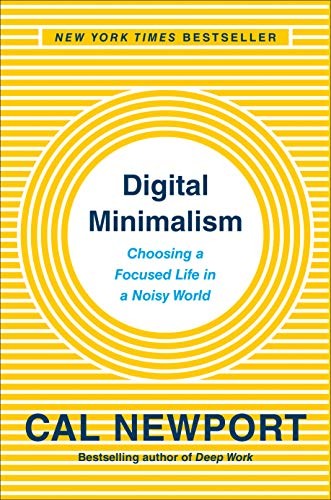
Newport argues for using technology with intention and offers a 30-day declutter plan. Practical and clear.
Best for: practical steps.
2. Stolen Focus by Johann Hari
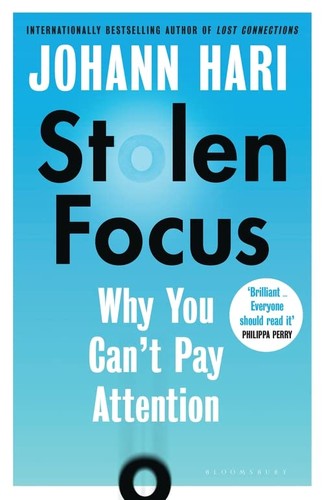
A journalist investigates why our attention spans have shrunk and what we can do. Part memoir, part reporting.
Best for: attention and society.
3. Irresistible by Adam Alter
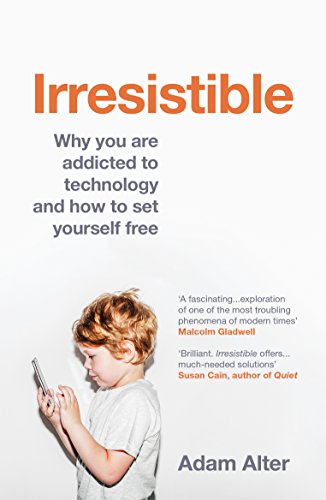
Alter explains how apps and games are designed to hook us. Well researched and readable.
Best for: addictive design.
4. The Coddling of the American Mind by Greg Lukianoff and Jonathan Haidt
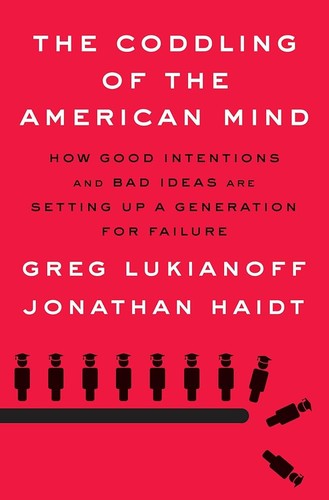
The authors argue that certain trends in parenting and education harm young people. Debated but widely read.
Best for: Haidt's earlier work.
5. iGen by Jean Twenge
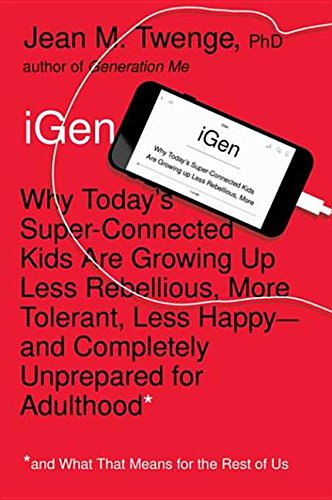
A psychologist describes the generation born after 1995 based on large surveys. Data-heavy and influential.
Best for: generational data.
6. Glow Kids by Nicholas Kardaras
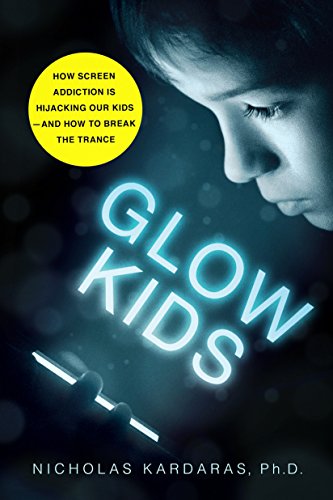
A clinician describes screen addiction in children. Alarming and detailed.
Best for: clinical perspective.
7. Indistractable by Nir Eyal
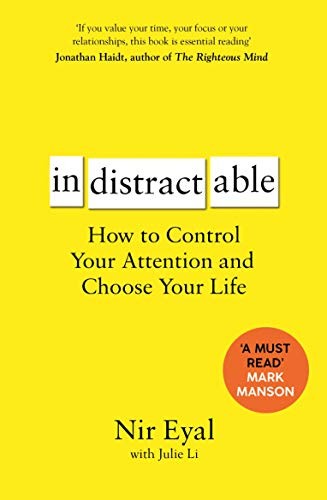
A framework for managing distraction by understanding triggers. Practical and positive.
Best for: focus tools.
8. How to Do Nothing by Jenny Odell
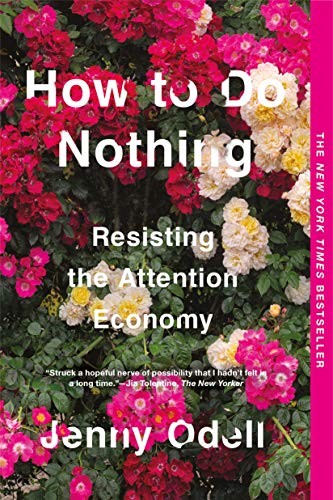
An artist argues for resisting the attention economy. Thoughtful and sometimes poetic.
Best for: reclaiming time.
9. The Shallows by Nicholas Carr
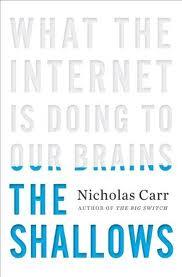
Carr explores how the internet changes our brains. A thoughtful and often cited book.
Best for: internet and thinking.
10. Amusing Ourselves to Death by Neil Postman
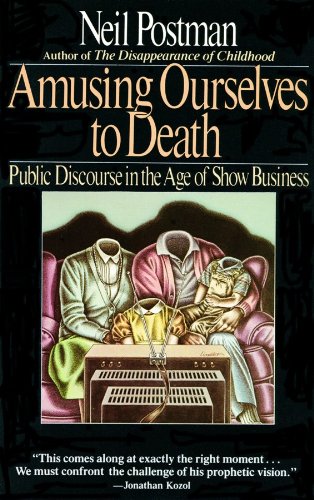
A classic argument about how television changed public discourse. Short and still relevant.
Best for: media classics.
11. Lost Connections by Johann Hari
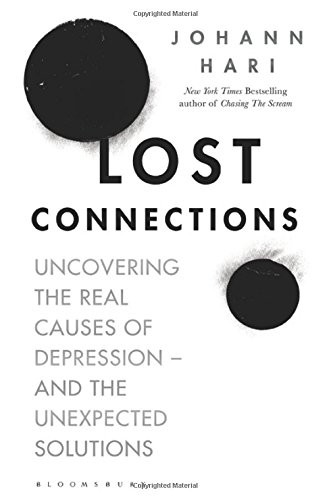
Hari argues that depression and anxiety often come from disconnection. Personal and debated.
Best for: mental health and society.
12. Reclaiming Conversation by Sherry Turkle
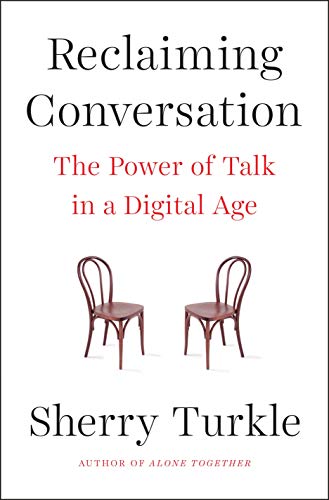
Turkle describes how devices reduce empathy and conversation. Thoughtful and based on interviews.
Best for: talking and listening.
13. The Big Disconnect by Catherine Steiner-Adair
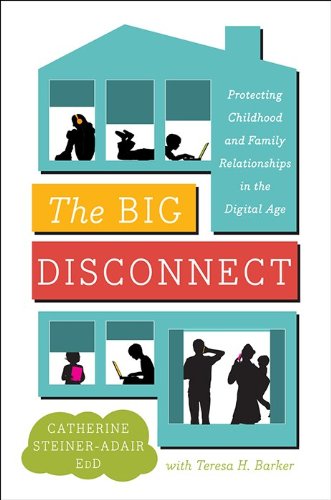
A clinical psychologist describes how technology affects family life. Practical and compassionate.
Best for: parenting advice.
14. Ten Arguments for Deleting Your Social Media Accounts Right Now by Jaron Lanier
A tech pioneer explains why social media harms us. Short and punchy.
Best for: critical essays.
15. Bored and Brilliant by Manoush Zomorodi
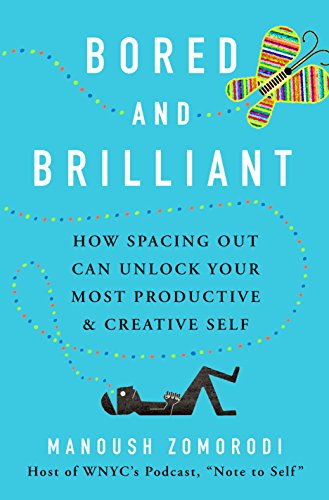
A journalist explores how boredom boosts creativity and offers a challenge. Light, practical and friendly.
Best for: creativity and rest.
How to Choose
If you want practical advice, start with Digital Minimalism, Indistractable or Bored and Brilliant. For research and big-picture arguments, pick Irresistible, iGen or The Shallows. For parents, choose The Big Disconnect or Glow Kids. If you want a wider critique of modern life, try Stolen Focus, How to Do Nothing or Reclaiming Conversation. Keep in mind that some claims in this field are debated, so read widely and compare viewpoints. For parents, one useful approach is to pair a diagnosis book with a practical one, such as The Anxious Generation with Digital Minimalism. Talking about these ideas with your family before making rules often works better than imposing limits. Reading both sides of the debate gives you the most useful picture, especially if you plan to use the ideas with your own family or students.
Related: The Anxious Generation by Jonathan Haidt: Summary and Key Takeaways · Anxious People Book Club Discussion Questions (With Summary and Themes)
Frequently Asked Questions
What is The Anxious Generation about?
Haidt argues that smartphones and social media have contributed to a mental health crisis among young people.
Is the book controversial?
Yes, some researchers disagree about how strong the evidence is.
What does Haidt recommend?
Delaying smartphones until high school, no social media before sixteen, phone-free schools and more independent play.
Who should read it?
Parents, teachers and anyone interested in youth mental health.
Is there a shorter book on the topic?
Digital Minimalism and Ten Arguments are quick reads.
Does it offer solutions?
Yes, the final chapters describe practical steps for families and schools.
Who is Jonathan Haidt?
A social psychologist and professor at New York University.
Is The Anxious Generation backed by research?
Haidt cites many studies, though other scientists dispute how strong the causal link is.
Is there a young reader edition?
Check current listings, as editions and formats change.
How can teachers use this topic?
Many schools hold phone-free days or discussion groups using the book's chapters.
Where can parents find practical tips?
Digital Minimalism, The Big Disconnect and Bored and Brilliant all offer exercises.