

Disclosure: As an Amazon Associate, Bookish Wisdom earns from qualifying purchases. This doesn't change our picks or your price.
Quick answer: If you read Thus Spoke Zarathustra, read Nietzsche's Beyond Good and Evil, The Gay Science and On the Genealogy of Morality, then The Myth of Sisyphus, Walden and Meditations. All wrestle with how to live without easy answers.
Friedrich Nietzsche's 1883-85 philosophical work is a book of speeches by a prophet who comes down from a mountain to teach about the overman, eternal recurrence and the death of old values. It is poetic, provocative and often misread. The books below offer related philosophy, from Nietzsche's other works to existentialists and ancient thinkers.
Table of Contents
Quick Picks at a Glance
| Book | Author | Ages | Best For |
|---|---|---|---|
| Beyond Good and Evil | Friedrich Nietzsche | Adult | more Nietzsche |
| The Gay Science | Friedrich Nietzsche | Adult | aphorisms and joy |
| On the Genealogy of Morality | Friedrich Nietzsche | Adult | origins of morals |
| Twilight of the Idols | Friedrich Nietzsche | Adult | short and sharp |
| Ecce Homo | Friedrich Nietzsche | Adult | philosophical autobiography |
| The Birth of Tragedy | Friedrich Nietzsche | Adult | early work |
| The Myth of Sisyphus | Albert Camus | Adult | absurd philosophy |
| The Stranger | Albert Camus | Adult | existential classic |
| Notes from Underground | Fyodor Dostoevsky | Adult | bitter narrator |
| Steppenwolf | Hermann Hesse | Adult | alienation and identity |
| Walden | Henry David Thoreau | Adult | simple living |
| Man's Search for Meaning | Viktor E. Frankl | Adult | resilience and purpose |
| Meditations | Marcus Aurelius | Adult | Stoic reflection |
| Existentialism Is a Humanism | Jean-Paul Sartre | Adult | short lecture |
| Sophie's World | Jostein Gaarder | Teen | philosophy as story |
1. Beyond Good and Evil by Friedrich Nietzsche
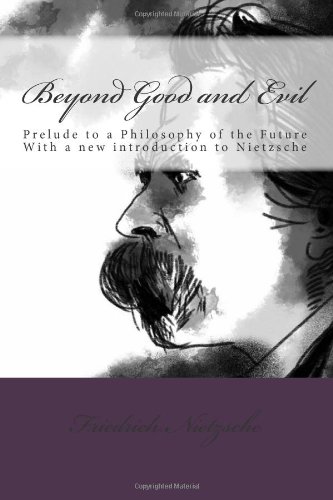
Nietzsche critiques philosophers and moral prejudices. Sharp and aphoristic.
Best for: more Nietzsche.
2. The Gay Science by Friedrich Nietzsche
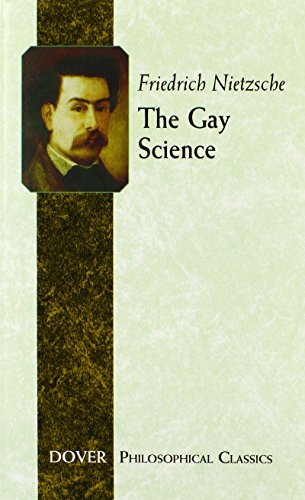
A collection of short reflections on knowledge and living. Lively and readable.
Best for: aphorisms and joy.
3. On the Genealogy of Morality by Friedrich Nietzsche
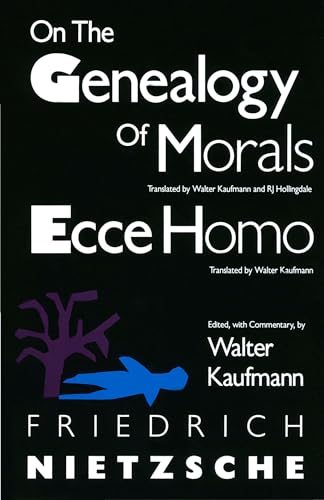
Nietzsche traces how moral ideas developed. Tight and argumentative.
Best for: origins of morals.
4. Twilight of the Idols by Friedrich Nietzsche
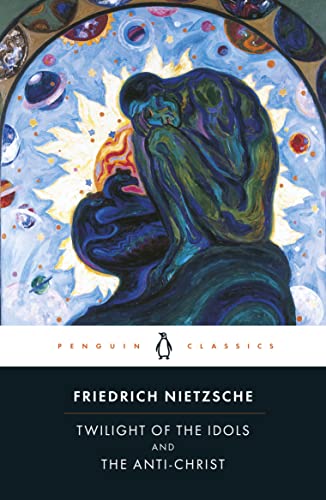
A brief summary of his ideas, with attacks on old beliefs. A good quick introduction.
Best for: short and sharp.
5. Ecce Homo by Friedrich Nietzsche
Nietzsche reviews his own books and life. Bold and strange.
Best for: philosophical autobiography.
6. The Birth of Tragedy by Friedrich Nietzsche
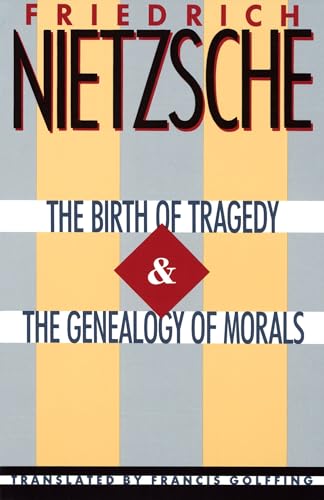
Nietzsche explores Greek drama and its two forces. Lyrical and influential.
Best for: early work.
7. The Myth of Sisyphus by Albert Camus
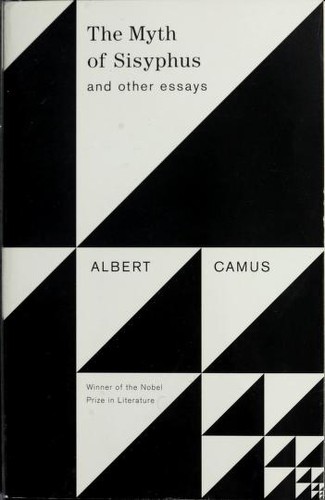
Camus asks whether life is worth living without meaning. Short and powerful.
Best for: absurd philosophy.
8. The Stranger by Albert Camus
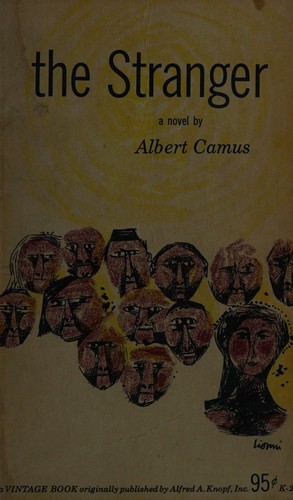
A detached man commits a murder and faces trial. Short and strange.
Best for: existential classic.
9. Notes from Underground by Fyodor Dostoevsky
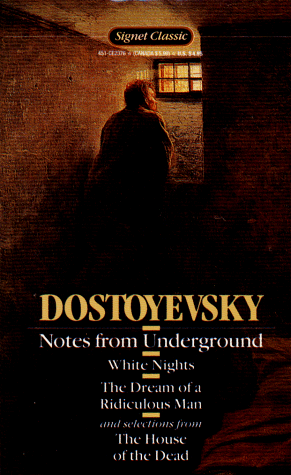
A resentful clerk rants about society. Short and intense.
Best for: bitter narrator.
10. Steppenwolf by Hermann Hesse
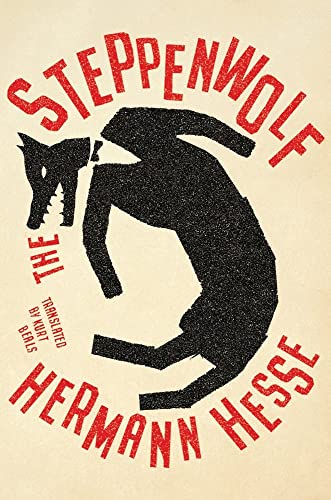
A lonely intellectual feels split between civilised and wild selves. Strange and moving.
Best for: alienation and identity.
11. Walden by Henry David Thoreau
Thoreau lives in a cabin by a pond and reflects on life. Calm and challenging.
Best for: simple living.
12. Man's Search for Meaning by Viktor E. Frankl
A psychiatrist reflects on surviving concentration camps. Short, profound and moving.
Best for: resilience and purpose.
13. Meditations by Marcus Aurelius
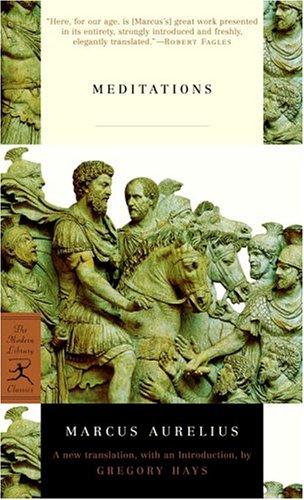
The Roman emperor's private notes on how to live. A calm, practical classic.
Best for: Stoic reflection.
14. Existentialism Is a Humanism by Jean-Paul Sartre
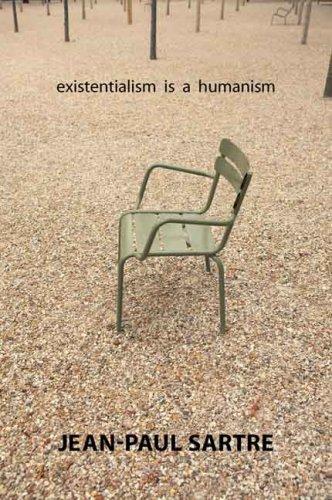
Sartre explains existentialism in an accessible talk. Brief and clear.
Best for: short lecture.
15. Sophie's World by Jostein Gaarder
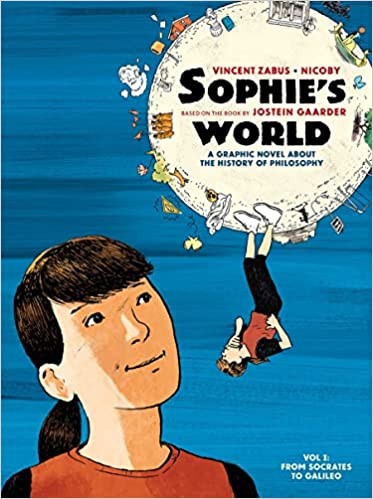
A girl receives mysterious letters about philosophy. A fun, narrative introduction.
Best for: philosophy as story.
How to Choose
For more Nietzsche begin with Twilight of the Idols or Beyond Good and Evil. For existential thinkers choose Camus, Sartre or Dostoevsky. For simple living and reflection pick Walden or Meditations. For an easy overview read Sophie's World. Nietzsche is often misunderstood, so a good introduction or a study guide helps. Zarathustra is written in a poetic, biblical-sounding style, which surprises many first-time readers. It is often best read in short sections, with a guide to help with allusions. Zarathustra can be read as a poem, a satire or a philosophy text. If you like the poetic side, read it aloud in short sections. If you prefer arguments, Beyond Good and Evil is more direct. If you want a friendly guide, the introduction by a trusted translator helps. Audiobooks are available and suit the rhythmic style.
Related: 15 Books Like Wings of Fire Kids Will Love: Dragons, Quests and Animal Adventures · 12 Dystopian Books Like the Hunger Games | Best Books to Read Like Hunger Games
Frequently Asked Questions
What is Thus Spoke Zarathustra about?
A prophet comes down from a mountain to teach about the overman and the death of old values.
Who wrote it?
Friedrich Nietzsche.
When was it published?
1883 to 1885, in four parts.
Is it hard to read?
It is poetic and dense, so many readers prefer to start with Nietzsche's shorter works.
Which translation should I choose?
Look for one with notes, such as those by Walter Kaufmann or Graham Parkes.
Is it religious?
It is a philosophical work that criticises traditional religion, using the figure of a prophet as a literary device.
Is it related to the Persian prophet?
Nietzsche borrowed the name Zarathustra but wrote his own ideas.
What should I read next?
Try Twilight of the Idols or Beyond Good and Evil.
What is the overman?
Nietzsche's idea of a person who creates new values instead of accepting inherited ones.
What is eternal recurrence?
The thought experiment that you must live your life again, endlessly, exactly as it is.
Can I read Nietzsche without a philosophy background?
Yes, with a good introduction or study guide to help.