

Disclosure: As an Amazon Associate, Bookish Wisdom earns from qualifying purchases. This doesn't change our picks or your price.
Quick answer: If you read The Art of Seduction, read Robert Greene's The 48 Laws of Power and Mastery, then The Prince, The Art of War and Influence. All explore persuasion, strategy and how people use charm and tactics to get what they want.
Robert Greene's 2001 book catalogues nine types of seducer and a series of strategies, illustrated with historical anecdotes about people like Casanova, Cleopatra and Josephine Baker. It is stylish, controversial and an influence on popular business writing. The books below offer related ideas about persuasion, power and human nature.
Table of Contents
Quick Picks at a Glance
| Book | Author | Ages | Best For |
|---|---|---|---|
| The 48 Laws of Power | Robert Greene | Adult | Greene's best known |
| Mastery | Robert Greene | Adult | path to skill |
| The Laws of Human Nature | Robert Greene | Adult | understanding people |
| The 33 Strategies of War | Robert Greene | Adult | strategy in daily life |
| The Prince | Niccolo Machiavelli | Adult | realist politics |
| The Art of War | Sun Tzu | Adult | strategy classic |
| Influence | Robert B. Cialdini | Adult | psychology of persuasion |
| Pre-Suasion | Robert B. Cialdini | Adult | before the message |
| Never Split the Difference | Chris Voss | Adult | FBI negotiation |
| How to Win Friends and Influence People | Dale Carnegie | Adult | people skills |
| The Charisma Myth | Olivia Fox Cabane | Adult | learning charisma |
| Dangerous Liaisons | Pierre Choderlos de Laclos | Adult | letters of seduction |
| The Story of My Life | Giacomo Casanova | Adult | memoir of a seducer |
| Emotional Intelligence | Daniel Goleman | Adult | self-awareness |
| Thinking, Fast and Slow | Daniel Kahneman | Adult | how we think |
1. The 48 Laws of Power by Robert Greene
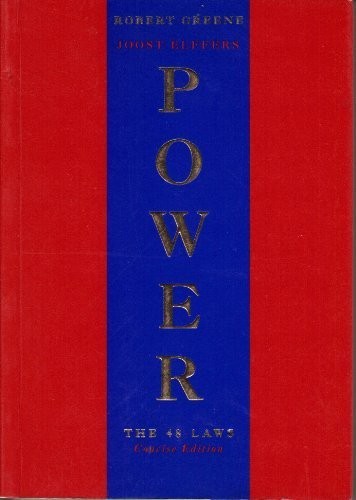
A catalogue of tactics for gaining and defending power. Entertaining and controversial.
Best for: Greene's best known.
2. Mastery by Robert Greene
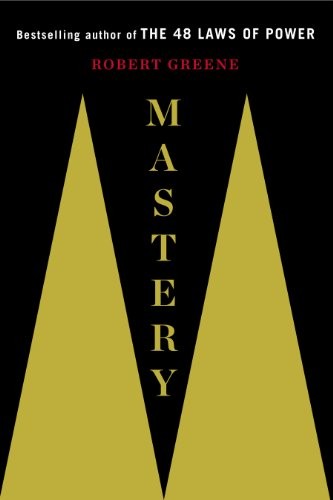
Greene profiles masters and how they learned. Inspiring and thoughtful.
Best for: path to skill.
3. The Laws of Human Nature by Robert Greene
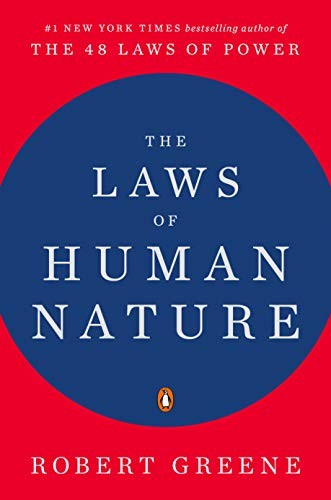
Greene explores the patterns behind human behaviour. A broader and deeper work.
Best for: understanding people.
4. The 33 Strategies of War by Robert Greene

Greene applies military strategies to modern life. Dense and vivid.
Best for: strategy in daily life.
5. The Prince by Niccolo Machiavelli
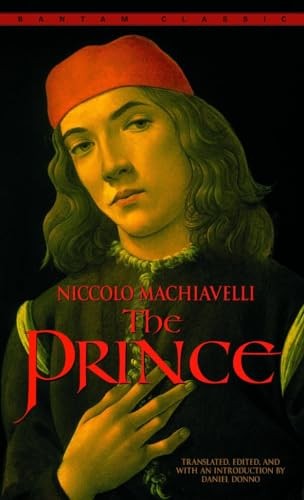
A short manual on how rulers gain and keep power. Blunt and provocative.
Best for: realist politics.
6. The Art of War by Sun Tzu
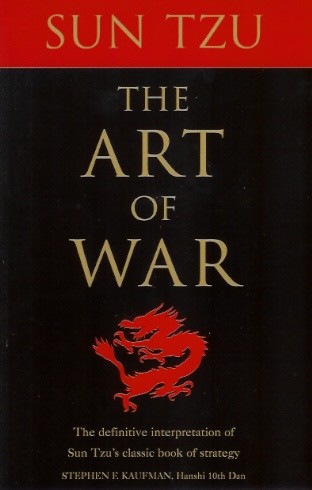
Ancient Chinese advice on strategy. Short and widely quoted.
Best for: strategy classic.
7. Influence by Robert B. Cialdini
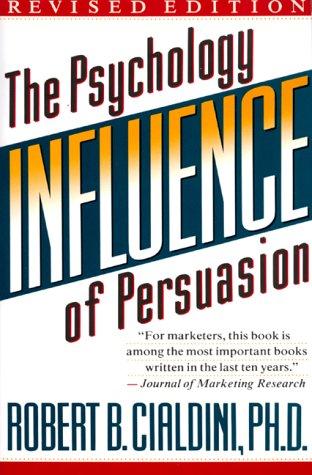
Cialdini explains the principles behind compliance. A classic of social psychology.
Best for: psychology of persuasion.
8. Pre-Suasion by Robert B. Cialdini
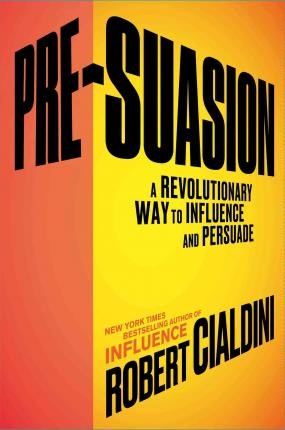
Cialdini explains how to set the stage for persuasion. Clear and practical.
Best for: before the message.
9. Never Split the Difference by Chris Voss
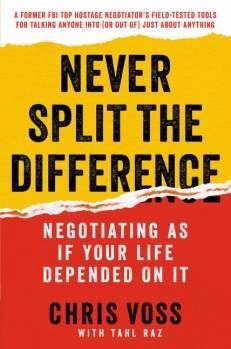
A former FBI negotiator shares practical tactics. Engaging and full of stories.
Best for: FBI negotiation.
10. How to Win Friends and Influence People by Dale Carnegie
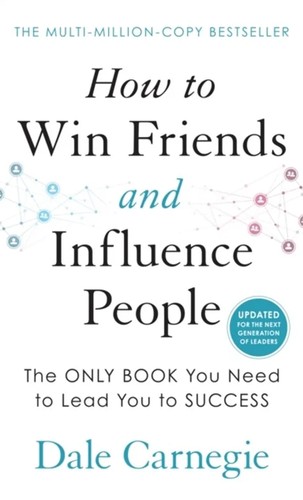
A classic on listening and respect. Old but still very readable.
Best for: people skills.
11. The Charisma Myth by Olivia Fox Cabane
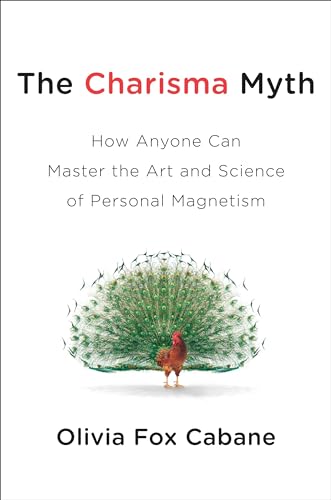
Cabane argues that charisma is a set of learnable skills. Practical and clear.
Best for: learning charisma.
12. Dangerous Liaisons by Pierre Choderlos de Laclos
Two aristocrats play games of seduction by letter. Cruel, witty and classic.
Best for: letters of seduction.
13. The Story of My Life by Giacomo Casanova

Casanova recounts his adventures. Long, lively and boastful.
Best for: memoir of a seducer.
14. Emotional Intelligence by Daniel Goleman

A classic about understanding emotions in yourself and others. Good background for any relationship.
Best for: self-awareness.
15. Thinking, Fast and Slow by Daniel Kahneman
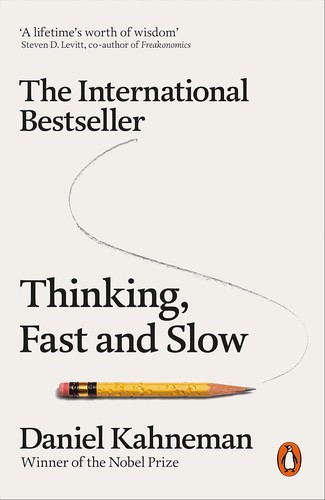
Kahneman explains two systems of thought and our biases. Dense, famous and rewarding.
Best for: how we think.
How We Chose These Books
Every pick is a real, widely available book that shares something specific with The Art of Seduction: its tone, its themes, its pace or the kind of characters it puts at the center. We mixed well-known favorites with a few less obvious titles, and we noted who each book suits best so you can match it to the reader. Where a book belongs to a series, we list the first volume so you can start at the beginning.
How to Choose
For more Greene begin with The Laws of Human Nature or The 48 Laws of Power. For classic strategy choose The Prince or The Art of War. For research-based persuasion pick Influence, Pre-Suasion or Never Split the Difference. For friendlier advice read How to Win Friends and Influence People. For history try Dangerous Liaisons. The Art of Seduction is manipulative by design, so a critical eye helps. Greene's books are popular but contested, with critics saying they encourage manipulative behaviour. Many readers treat them as a study of tactics, not a guide to personal ethics. If you are curious but wary, read Greene alongside a critic or a book on ethics. If you want more practical communication skills, Dale Carnegie and Chris Voss are friendlier. If you want deeper psychology, Kahneman and Cialdini give the research. Audiobooks of Greene are popular, and his writing is vivid and anecdotal.
Related: The War of Art by Steven Pressfield: Summary and Key Takeaways · The Subtle Art of Not Giving a F*ck by Mark Manson: Summary and Key Takeaways
Frequently Asked Questions
What is The Art of Seduction about?
Strategies for charm and persuasion, illustrated by historical examples.
Who wrote it?
Robert Greene.
When was it published?
2001.
Is it only about romance?
No, it applies to persuasion in politics, work and life.
Is it controversial?
Yes, some readers find its advice manipulative.
Is it a long book?
About 450 pages.
Is it a good gift?
Opinions vary, so consider the recipient's taste.
What should I read next?
Try The 48 Laws of Power or Influence.
Are the stories in the book accurate?
Greene draws on history and biography, but he selects and shapes anecdotes to fit his argument.
What are the types of seducer?
They include the Siren, the Rake, the Ideal Lover, the Dandy and others.